

Dr. Lamees Hamdan has spent more than two decades exploring the relationship between beauty, wellness and longevity. Known to many simply as “Dr L”, the integrative medical doctor and founder of TIMEBEAM Beauty has become recognised for her holistic approach to skin health, one that moves beyond traditional anti-ageing conversations to focus instead on prevention, resilience and long-term skin function.
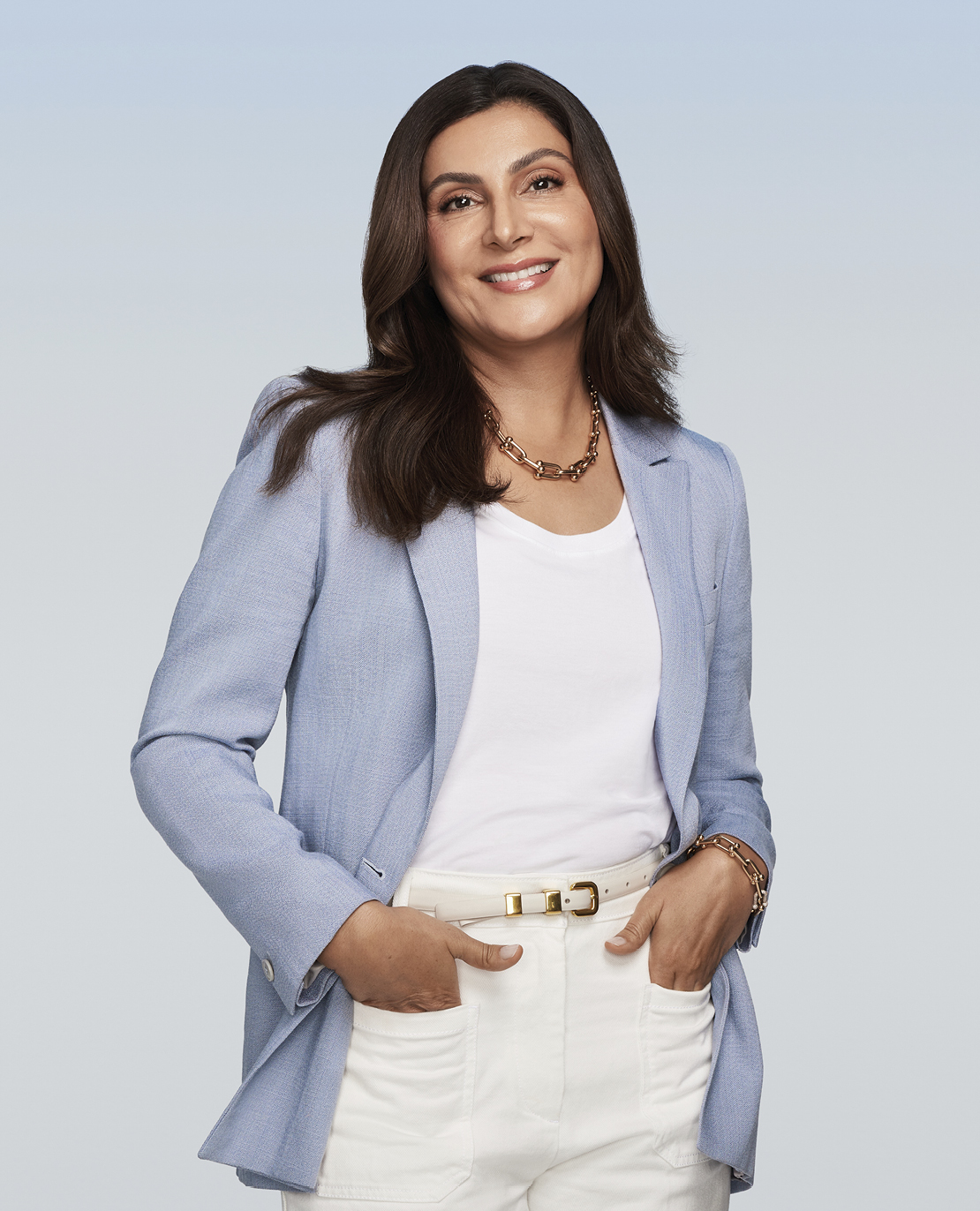
After beginning her career in conventional medicine and launching her own skincare line, Dr Lamees became increasingly interested in treating the root causes of ageing rather than simply correcting visible symptoms. That journey led her into the world of integrative medicine and longevity science, shaping a philosophy centred on the idea that everything is connected: stress, sleep, hormones, inflammation and emotional wellbeing all leave visible imprints on the skin.
Today, through TIMEBEAM Beauty, she combines topical skincare with ingestible supplements designed to support skin health from the inside out, with a particular focus on NAD+ science, cortisol regulation and circadian biology. As the beauty industry increasingly shifts away from reactive anti-ageing and towards longevity, Dr Lamees is part of a growing movement redefining skincare as a reflection of overall health rather than purely aesthetics.
The conversation around beauty has shifted dramatically in recent years from anti-ageing towards longevity. How would you define “skin longevity” and why do you believe this approach represents the future of skincare?
For me, skin longevity is about maintaining the skin’s ability to function optimally in a more youthful manner for as long as possible. This requires an integrated approach to skincare, utilising both topical and internal supplementation.
It’s not just about treating wrinkles once they appear; it’s about supporting the systems that keep skin resilient, hydrated, energised, and able to repair itself in a timely manner. Part of the reason we age is that everything slows down and takes longer to repair.
Traditional anti-ageing focused largely on correcting visible damage at the surface. Longevity science looks more deeply at the biological processes driving skin ageing in the first place, such as inflammation, cellular energy decline, oxidative stress, and impaired repair.
I believe this approach represents the future of skincare because today’s consumer is thinking much more proactively about ageing. They want healthy, resilient skin that looks better for longer, not just quick fixes. That’s really the foundation of what I call Holistic Skin Longevity™.
You often speak about the connection between stress and ageing. Why do you think cortisol’s impact on the skin is still so overlooked within mainstream beauty conversations?
Because there is no topical solution to elevated cortisol levels, the solutions are internal and lifestyle-based. While on social media, you can see the consumer is ready for an elevated cortisol solution; mainstream beauty conversations aren’t really digging deep into the why, possibly because cortisol is a hormone, and the science of how it gets elevated is complex.
For years, beauty focused mostly on what we could see externally, not what was happening internally. But your skin is deeply connected to your nervous system, hormones, sleep and stress levels. Everything is connected. Elevated cortisol can weaken the skin barrier, increase inflammation, impair repair and accelerate collagen breakdown. The effects often show up gradually as dullness, dehydration, puffiness, or sensitivity, so people don’t always connect them to stress. But biologically, chronic stress is one of the biggest accelerators of visible ageing we see today.
What are some of the earliest visible signs of stress-related skin ageing?
One of the earliest signs is often a loss of radiance. Skin can start to look dull, tired, dehydrated or more reactive than usual. You may also notice puffiness, breakouts, redness, slower healing or increased sensitivity. Over time, chronic stress can contribute to fine lines, collagen loss and a weakened skin barrier. I always say the skin is incredibly intelligent. Very often, it’s one of the first places the body shows that something is out of balance internally.
Chronobiology is becoming increasingly relevant in longevity science. How does chronic stress disrupt the skin’s internal clock and accelerate ageing on a biological level?
Our skin follows a circadian rhythm. During the day, it focuses on protection, while at night it shifts into repair and regeneration mode. Chronic stress and elevated cortisol can disrupt that rhythm, impairing collagen production, cellular repair and recovery while increasing inflammation and oxidative stress. For instance, elevated cortisol levels at night blunt the production of melatonin, so you have trouble falling asleep. Everything in our bodies is connected in some way.
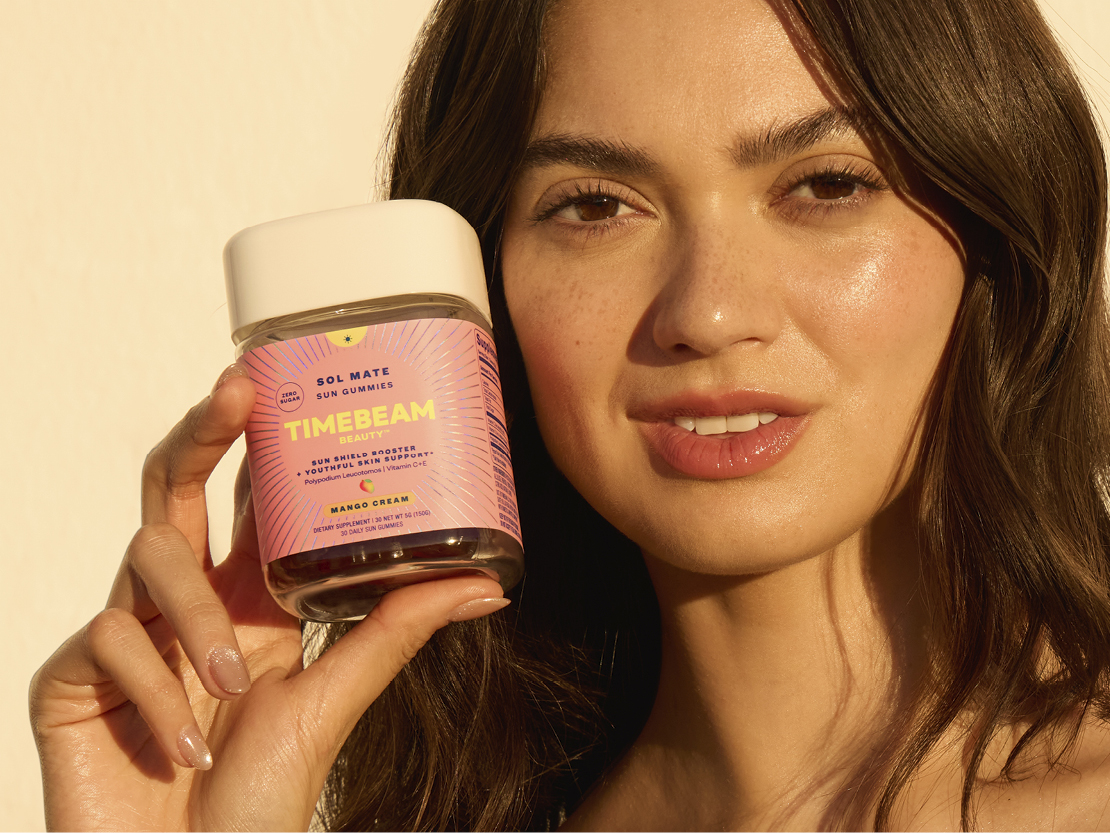
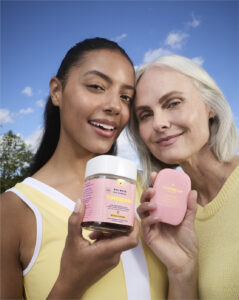
That’s why I believe skincare should work in harmony with the body’s biology. Skin has different needs in the morning versus at night, which is why circadian-based skincare is becoming so important in longevity science. And why I developed 2 supplements, one for the morning, with NAD+, adaptogens, electrolytes, Vit B12, Vit C , and another for the night, with nature’s own melatonin in Tart Cherry Extract, L-Theonine, Magnesium Glycinate and valerian root.
You’ve spoken about the idea that inflammation, rather than time itself, is one of the real drivers of ageing. How is the beauty industry beginning to rethink ageing through that lens?
We now understand that chronic low-grade inflammation, often called “inflammaging,” is one of the biggest drivers of visible skin ageing. The industry is shifting away from simply masking wrinkles toward supporting skin resilience, barrier health and cellular repair. That’s why we’re seeing growing interest in antioxidants, NAD+ science, adaptogens and barrier-supportive ingredients. The conversation around ageing is becoming much more holistic because skin health is connected to stress, sleep, nutrition, hormones and lifestyle.
Your brand TIMEBEAM Beauty, focuses heavily on prevention rather than reaction. Why do you believe reactive skincare routines are no longer enough?
By the time visible signs of ageing appear, changes have often been happening beneath the surface for years. Reactive skincare focuses on correcting damage after it happens. Prevention is about supporting collagen, hydration, cellular function and skin resilience before that damage becomes deeply established. I always say longevity is not about chasing youth. It’s about preserving healthy skin function for as long as possible and even reversing the outward signs of ageing. We have clinicals on our topical NAD+ in Milky serum that has been tested and shown to reverse 8 years of ageing in just 6 weeks. These days, we have powerful tools; we just need to know how to use them and formulate them effectively.
What does a truly preventative skincare and wellness routine look like in 2026?
In 2026, preventative beauty will look much more integrated. It will combine skincare, wellness, sleep, stress management and nutrition into one approach. A preventative routine includes daily SPF, antioxidant protection, hydration, quality sleep, stress management and supporting skin both topically and internally. Consumers are increasingly understanding that what’s happening inside the body shows up on the skin.
NAD+ has become one of the most discussed topics within longevity science. How does supporting NAD+ levels help the skin repair and recover more effectively?
NAD+ is widely discussed, but so misunderstood. NAD+ is essential for cellular energy and repair. Every skin cell relies on it to function properly, but NAD+ levels naturally decline with age, and stress, poor sleep and environmental stressors can accelerate that decline even further.
What’s important to understand is that not all NAD+ products are created equal. NAD+ itself is unstable and doesn’t easily penetrate cells, which is why at Timebeam, we focus on bioavailable NAD+ boosters that help support the body’s own natural NAD+ production.
When you support healthier NAD+ levels, you help fuel cellular repair, collagen preservation and skin resilience, which is why it’s become such an important part of longevity science. And our NAD+ booster goes even further, supporting inflammaging but clinically decreasing elevated Cortisol levels and increasing glutathione levels. NMN and NR, the most widely used NAD+ boosters, can’t do that.
TIMEBEAM approaches skincare through a more holistic and integrative lens. How did your own journey from conventional medicine into longevity and integrative health shape the philosophy behind the brand?
I began my career in conventional medicine, but over time I became increasingly interested in treating the root causes of ageing and health, not just symptoms. Studying integrative medicine and traditional healing practices around the world reinforced my belief that everything is connected. Your skin reflects what’s happening in your body and mind, which is why I felt skincare needed a more holistic approach. That philosophy ultimately inspired me to create Timebeam, combining topical skincare with ingestibles to support skin from the inside and out.
Consumers today are becoming far more educated about ingredients and wellness science. How do you balance making complex longevity concepts accessible while still remaining scientifically rigorous?
I believe science should feel empowering, not intimidating. My goal is always to translate complex longevity concepts into something people can actually understand and use in daily life. Consumers don’t need a medical degree to understand that stress, inflammation, sleep and cellular energy impact how their skin ages. At Timebeam, we focus on making longevity science approachable, effective and easy to integrate into everyday routines.
The wellness and beauty industries are increasingly overlapping. How do you see the relationship between skincare, health and longevity evolving over the next decade?
I think the lines between beauty, wellness and health will continue to disappear because consumers are really starting to understand how interconnected they are. We’re moving toward a much more preventative and holistic approach where beauty is seen as a reflection of overall health and wellbeing, not just something cosmetic. The future of skincare will focus more on resilience, recovery and supporting the body’s natural systems over time.

Looking ahead, what are some of the biggest shifts or innovations you believe will define the future of beauty and longevity wellness?
I think we’ll continue to see major innovation around cellular health, NAD+ science, inflammation reduction and circadian biology. We’ll also see more focus on stress regulation and recovery because chronic stress has become one of the biggest accelerators of aging today. Most importantly, consumers will continue to gravitate toward brands that make longevity feel approachable, sustainable, and grounded in real science.