
Since unveiling a new vision for Zegna in January 2021, Alessandro Sartori has overseen one of the most significant transformations in contemporary menswear. Under his direction, the historic Italian house has evolved into a powerful expression of modern luxury, one built not on fleeting trends but on a coherent lifestyle defined by ease, sophistication and authenticity.
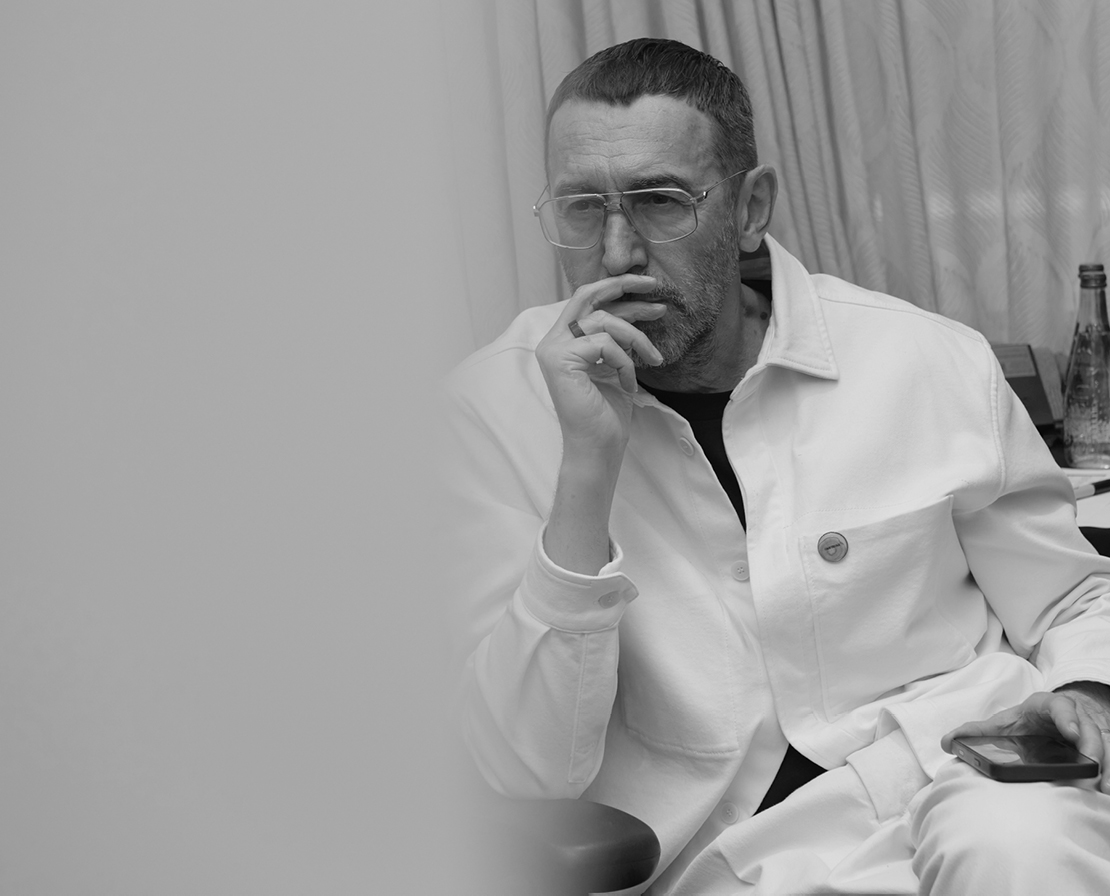
At a time when fashion often seemed consumed by trends, Sartori chose a different path. Tailoring became softer, silhouettes more fluid, and the traditional boundaries between formalwear, leisurewear and sportswear gradually disappeared. Season after season, he has refined a distinct aesthetic language that feels deeply Italian in spirit yet entirely relevant to the way men live and dress today. The influence of that vision now extends far beyond Zegna itself, helping shape the wider conversation around modern menswear and setting a benchmark many others have sought to follow.
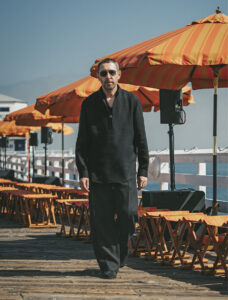
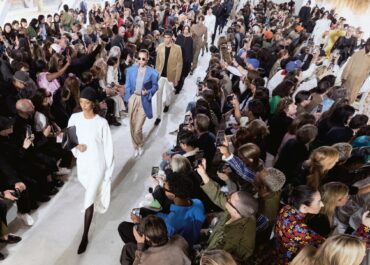
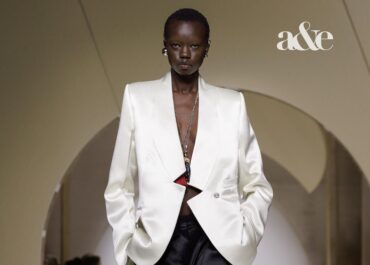
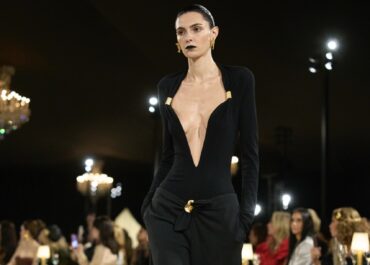
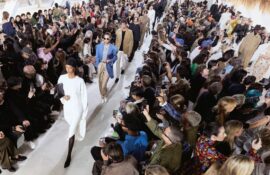
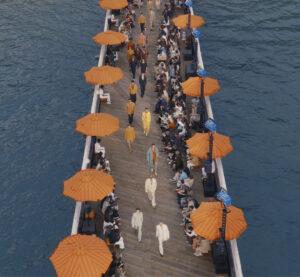
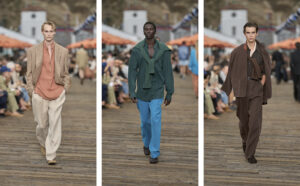
For Summer 2027, Zegna presented its collection in Los Angeles, California, on the iconic Malibu Pier. Sartori turned to the Italian concept of “La Villeggiatura”, an Italian way of life centred on seasonal living, family, leisure and the idea of temporarily relocating one’s world elsewhere. Drawing on personal memories, family archives and the enduring elegance of Italian summer dressing, he translated this uniquely Italian sensibility into a collection of fluid tailoring, sunset-inspired colours and relaxed sophistication.
The show formed part of a wider Zegna experience in Los Angeles, accompanied by the latest edition of Villa Zegna, the house’s travelling hospitality and cultural platform, which transformed Chateau Marmont into an immersive expression of Italian lifestyle and community. Together, they reflected the increasingly holistic vision Sartori has created for the brand, one where fashion, culture, hospitality and human connection exist naturally alongside one another.
We met Alessandro to discuss the inspiration behind La Villeggiatura, the evolution of Zegna over the past five years, the changing nature of luxury and why ease remains at the heart of everything he creates.
La Villeggiatura is often described as an important part of Italian culture. What does it mean to you personally, and why did you feel it was the right starting point for this collection?
La Villeggiatura is a very Italian concept. It goes back to the 1970s and 1980s. I remember being ten or twelve years old and travelling with my parents to Liguria every summer. We rented the same apartment from the same woman every year.
We weren’t travelling the world or visiting a different city every time. We were living together for a month. There was the pleasure of discussing, sleeping, swimming and eating together. My mother was always cooking. My father would bring several suits because there were family dinners and gatherings. We knew the local people, we knew who made the best pesto, and we would dress up to visit him and his family.
This wasn’t unique to my family. It was an experience that belonged to most Italian families. Many people had relatives living abroad or in different parts of Italy, so La Villeggiatura was also an opportunity to reconnect with family members you didn’t see for the rest of the year.
Beyond being a holiday tradition, was La Villeggiatura also a way to maintain family connections and bring people together?
Exactly. The way people dressed during those moments was also fascinating. I clearly remember my father wearing a light blue double-breasted blazer with a linen polo shirt and classic shorts, paired with loafers and no socks.
There is an Italian flavour to this style that has nothing to do with Capri, Sicily or Portofino. It’s an innate sense of freedom and style that belongs to people with an innate appreciation for style.
When we researched the Zegna family archives, I was struck by the elegance of those photographs. Angelo Zegna and Ermenegildo Zegna were wearing lemon-coloured linen suits, with loafers or beautiful silk garments and relaxed tailoring. Since this story belongs to the Zegna family as well, and because I wanted to create a broader summer narrative, it felt particularly relevant.
Why did this feel like the right moment to revisit that idea and bring it to life through a collection?
Because people need colour and fun. The world has felt quite gloomy, and fashion has become quite and classic in recent years. I felt there was a need for fun, colour and a little fantasy again. Not in the way fashion approached colour seven or eight years ago, but through accents and beautiful shades that we haven’t explored for some time.
What made Los Angeles the right setting for this story?
I have a particular connection to the city, and I love the ocean. Also, if you ask hundreds of people to travel across the world to attend a show, there needs to be a compelling reason.
We could have rented a beautiful villa, garden, museum or park, but I wanted the ocean. The ocean is the ultimate storyteller. When we began scouting locations, I specifically wanted the Malibu Pier. The team brought me proposals for incredible villas and gardens, but my response was simple: if I wanted a beautiful villa or park, I could have stayed in Italy, at Lake Como, Lake Maggiore or Tuscany. If I were bringing everyone to Los Angeles, I wanted something unique.
Malibu Pier was perfect because it reflects the spirit of the collection. Santa Monica and Santa Barbara are much more commercial. Malibu still feels authentic. It remains largely unchanged from decades ago and retains a sense of freedom. The pier had never hosted a fashion show before. The owners were surprised by the proposal, but eventually they agreed, and we were able to create something special there.
The colour palette immediately evokes a sunset. How important was colour in setting the mood for the collection?
That’s exactly right. The collection is inspired by sunset. The light changed dramatically during the show itself. The sky was blue until around five o’clock and then gradually shifted into those sunset tones. That was precisely the mood we wanted to capture.
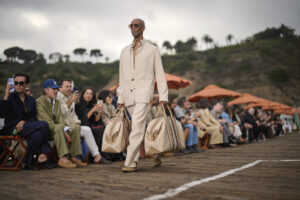
The collection feels relaxed, fluid and effortless. Tell us more.
When we began this new Zegna aesthetic around 2020 and 2021, we wanted to create uncomplicated silhouettes. Even when the garments are technically complex in their construction, fabric or engineering, they appear effortless. We also blurred the boundaries between tailoring and sportswear. At the same time, we introduced details that have become iconic to us: the back split, the way we construct collars, leather button details, collars and other signatures that define Zegna today. And so, this collection blends all of this together.
Among all the looks presented on the Malibu runway, were there any particular pieces that you would take home with you?
There are two pieces in particular. The first is the shirt with the removable collar. We created it in leather, linen and silk. It is part of the same philosophy that runs through the collection. It is easy to wear but has a very strong sense of style. We explored it through different colours and prints, all inspired by the tones of sunset.
The second piece is the oversized outerwear jacket with leather detailing. It has become one of my favourite silhouettes because it perfectly captures the relaxed attitude of the collection while maintaining a refined elegance. And of course, the shoes. I am in love with the shoes.
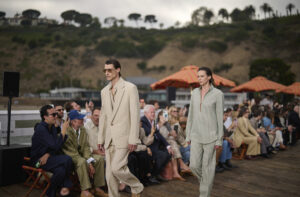
When you first began moving menswear away from traditional formality, it felt like a significant shift. Looking back, how do you reflect on that period and the influence it has had on the industry today, when many tried to copy your aesthetic, and is there something you would still like to do on this journey?
Firstly, thank you. I assure you, January 2021, was a moment of change for Zegna. This was the first season we presented the new Zegna. If someone is inspired by your work, it should make you proud. But copying a garment is not the same as understanding the reason behind it. You can copy a shoe or a jacket, but if you don’t understand why it was created, you are only copying the surface.
At the time, we questioned the constant fashion cycle, in which every season required a completely different trend. Many brands created beautiful collections that had no relationship with the previous season. This puts customers in a difficult position because the wardrobe loses coherence and they are not able to blend each season together.
Instead, we decided to work within a defined perimeter and go deeper rather than wider to be fancy, new and modern. Now we work within our parameters, but we are working towards one lifestyle. Every season we introduce new colours, fabrics and silhouettes, but we continue speaking the same language. Customers recognise the DNA. They can integrate new pieces with older purchases and build a wardrobe over time. I often think about what Giorgio Armani achieved during the 1980s and 1990s. He maintained a strong point of view while evolving it. That’s something I admire greatly. So, we are keeping the codes in a modern way – offering new products –yet keeping clear roots. And the roots are liberating, easy, uncomplicated, and with personality, but we fill the frame with rich, elegant, chic and sophisticated designs. The collision between freedom and uncomplication but sophistication is a very tricky place to find, but I think we did it, and our customers continue coming back to us season after season.
You are one of the few who has managed to speak to loyal clientele but appeal to the new generation – how do you find this balance?
I think it’s very important to be very modern and up to date, but if the modernity and the freshness bring with it the idea of doing something that’s not right for our existing customers, I won’t do it. I want to be modern, fresh, and new, but within our parameters, and continue adding layers of innovation. It’s a balance between innovation and the capability of thinking about who our customer is and finding new ways to speak to them.
Today I know our customers very well. I talk to them about travel, cars, hotels, art and lifestyle. I understand their habits and interests. I’ve realised that our competitors are often not fashion brands at all. Sometimes they are hotels, travel experiences or other lifestyle choices competing for the same customer attention.
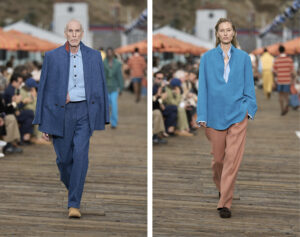
Zegna has customers all over the world. Despite cultural differences, what is a common code that you find across your clients across the world?
They are Zegna lovers. They understand fabric, construction and quality. They increasingly appreciate the work we do. They listen a lot. More importantly, they feel part of a community, and they like to get into a different dimension, where we are speaking about their styling more and more.
At Villa Zegna in Malibu, we welcomed around 120 customers. We know where they live, what they do and what they own. Before every appointment, our teams prepare carefully, studying previous purchases and creating personalised proposals. The objective is not simply to sell. It’s to offer something genuinely relevant to their lifestyle. The approach is totally couture; we create bespoke garments.
You often speak about understanding the customer on a deeper level. Can you share an example of how that philosophy influences the way Zegna approaches retail today?
A few years ago, I visited one of our stores in New York and saw a sales associate who had prepared twelve complete outfits for a customer before he arrived. The customer had not requested anything specific. The associate simply knew his taste, size and preferences so well that he built an entire wardrobe proposal in advance. When I returned later that day, the customer had purchased nine of the twelve looks. That level of knowledge and preparation is what luxury should be, and our staff should be fully trained in all of this. The future of luxury retail is becoming less about sales associates and more about hospitality. We need people who genuinely care for customers in the way great hoteliers do.
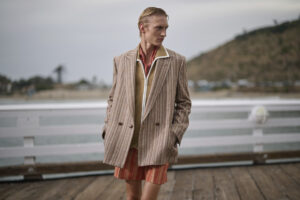
The Middle East has become an increasingly important market for luxury brands. What stood out to you about your experience in Dubai during Villa Zegna?
I felt completely at home. A few months after the event, I returned to the same hotel, and people recognised me everywhere. Staff members came over to say hi, restaurant teams wanted photographs, and there was an incredible warmth. Dubai has a very loyal and welcoming community. The energy there is just beautiful.
Looking ahead, what is something you would still like to work on in the coming year?
There are different levels of satisfaction for me. I’m very happy with the collections, as I’m very happy with the visuals and the stores. But what I would like to do more of is create more unique stores, with unique stories to welcome our customers. That’s the work I, and we as a team, should do more and more. I’m satisfied with how our stores look, and Dubai is definitely one of our best stores worldwide for many reasons, but today we see that our Villa moments are becoming very important for the brand. Our customers are increasingly looking for something unique and exclusive. They want private appointments, personalised experiences and one-to-one conversations. They spend hours with us discussing wardrobes, fabrics and bespoke pieces. The stores of the future will need more private spaces. Not necessarily different aesthetically, but designed to facilitate deeper relationships. We want to offer more exclusive garments, made-to-measure, sometimes bespoke pieces.
We need spaces with a lot of privacy and to build spaces that feel like home. A space for the customer to come and see the collection, and to engage in private conversations, just like in a home, where you have a dining room or a private lounge. That, for me, is the store of the future.