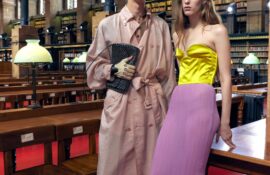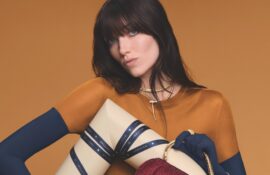

For Lebanese designer Salim Azzam, fashion has always been about the people and stories behind the clothes. Raised in the mountains of Lebanon, where embroidery was an everyday expression of creativity and community, he launched his eponymous label in 2016, determined to bring the skills of local women to a wider audience.
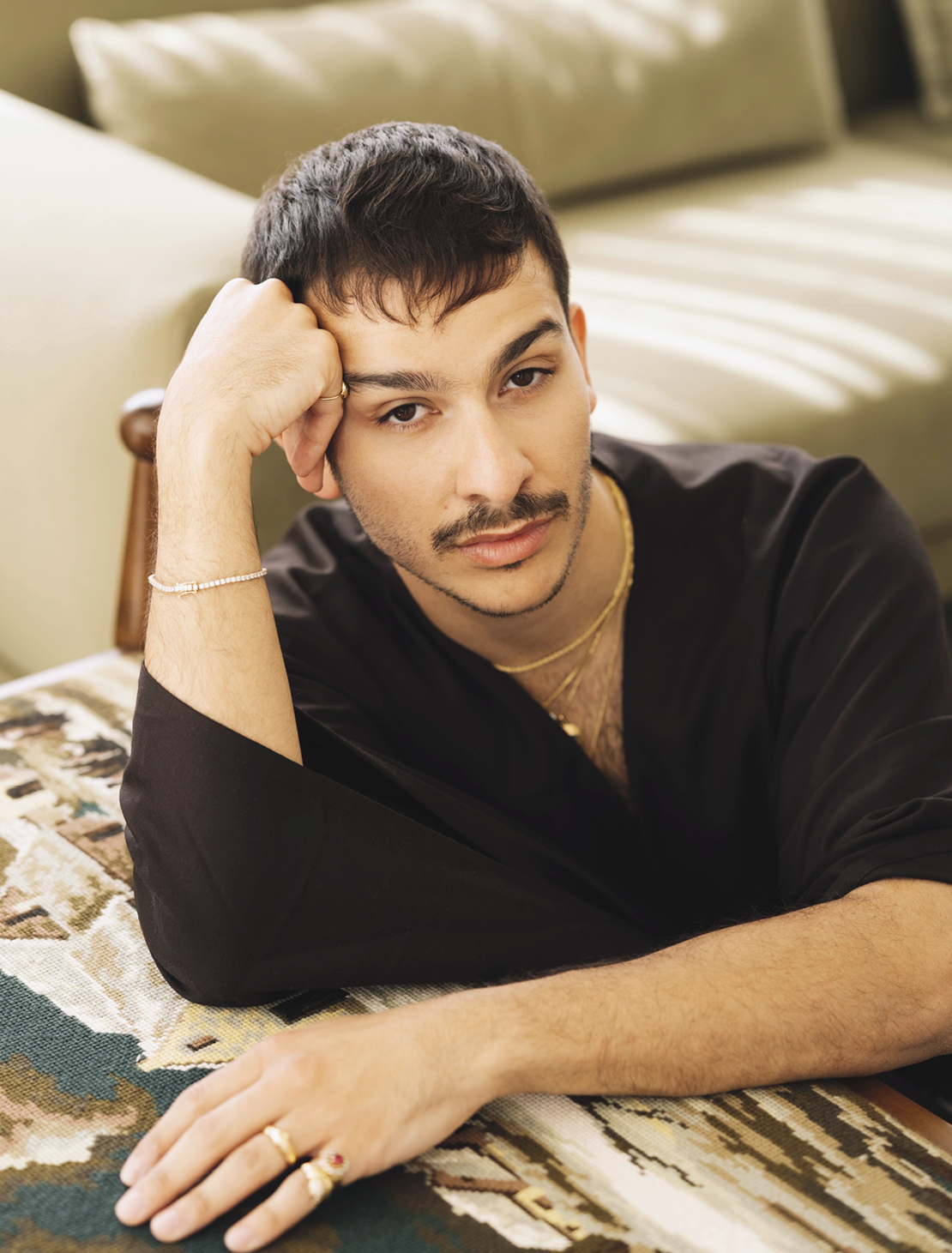
A decade later, his distinctive embroidered designs have become recognisable for their playful illustrations, rich storytelling and intricate handwork. Yet, despite the brand’s international reach and expansion into homeware, its identity remains firmly connected to the village where his creative journey began. By establishing Dar Salim Azzam in his childhood home, the designer has strengthened that connection further, creating a space for his atelier, archive, and future projects.
As his label celebrates its tenth anniversary, A&E speaks to Azzam about the importance of cultural identity, building a business around traditional craftsmanship and the responsibility that comes with keeping these skills alive for future generations.
Growing up in Lebanon, what are your earliest memories of fashion and creativity?
I grew up in the mountains of Lebanon, surrounded by women, by their craft, and by a very strong sense of community. My earliest memories are connected to the things I saw around me: the birds, flowers and trees. Embroidery was always present, not as something separate from life, but as part of the way people expressed themselves and their love. Over time, I realised that fashion could give me a way to bring the stories I grew up with beyond the village, while creating a platform for the women whose knowledge and talent had always been part of my world.
How would you describe your signature aesthetic, and how has it evolved over the past decade?
I would describe it as a meeting between the familiar and the unexpected. The work is rooted in the mountains, in the people, nature, memories and craft, but I like allowing those references to take on new forms through embroidery, colour, illustration and the way they come together on a garment.
Over the past decade, the language has naturally evolved. I have experimented with different techniques and ways of telling stories, but the starting point has remained the same. I am not trying to follow fashion criteria for the sake of fashion. I see fashion as a medium through which I can preserve and share the stories of my culture, while allowing the craft itself to continue evolving.
Storytelling plays an important role in your collections. How does an initial idea become a finished design?
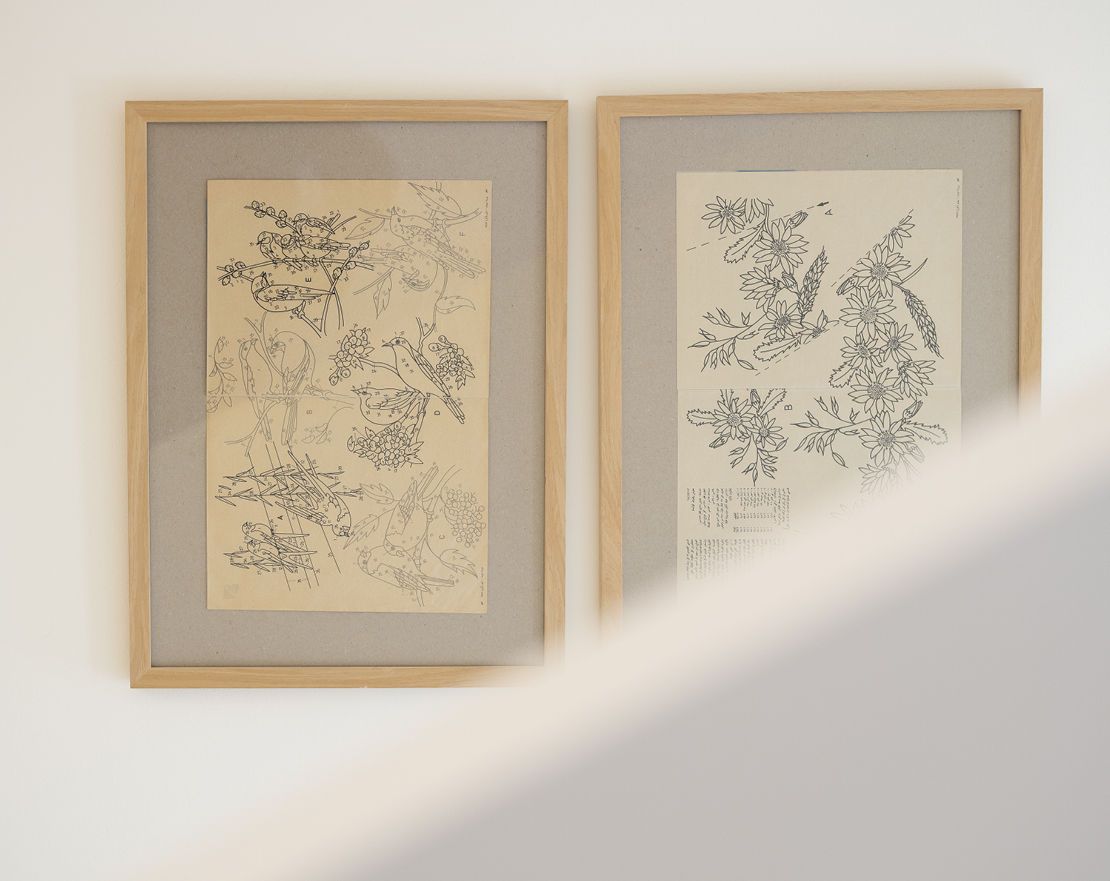
Often, a story begins with an idea or a drawing, but it changes as it goes through the hands of the women who bring it to life. Each artisan has her own knowledge, experience and understanding of the craft, so the final piece is always collective. It carries something from everyone involved.
The women of your village, including your mother, have been central to your journey. How have they influenced the business you have built?
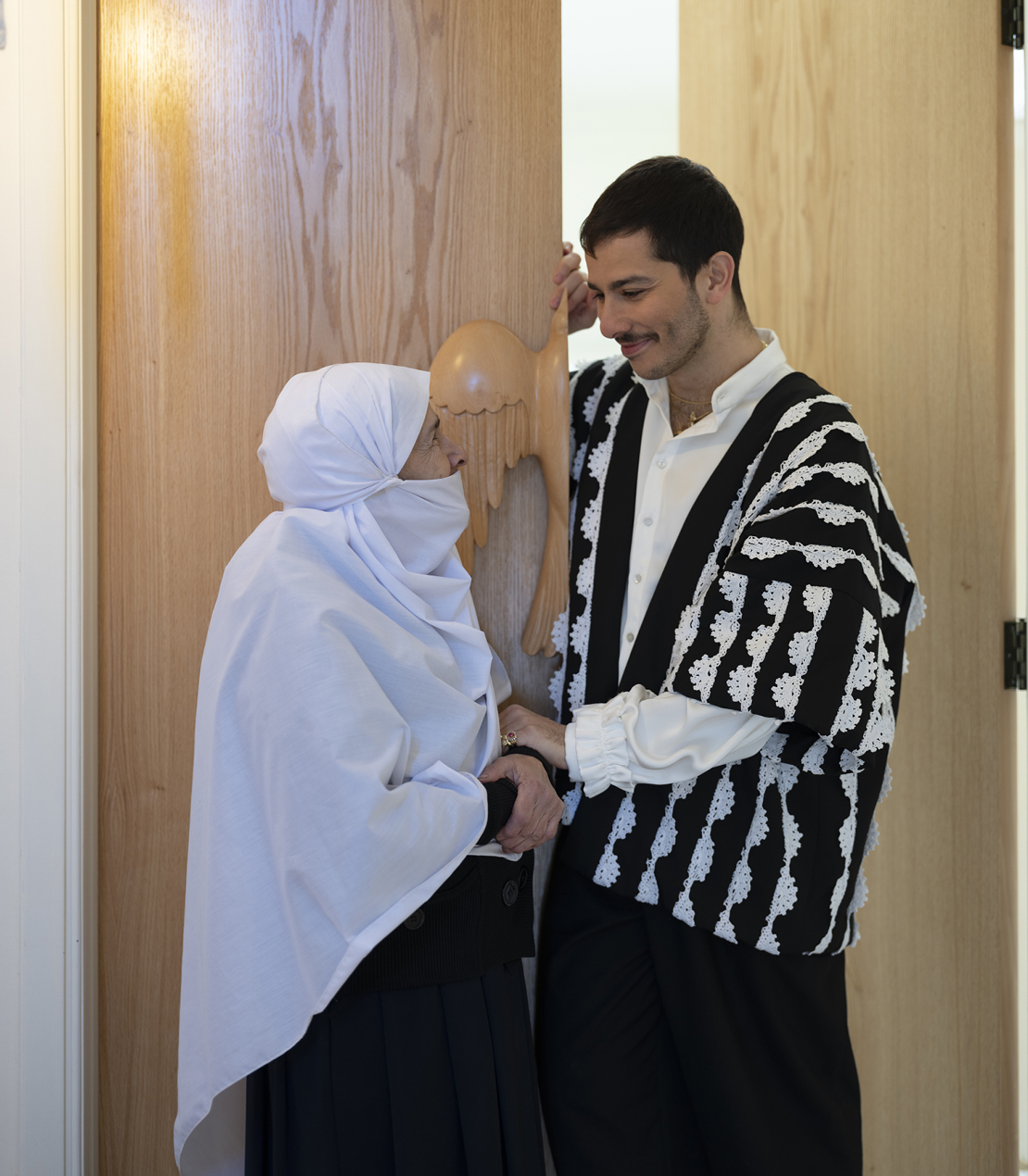
I was raised by these women, so their influence is at the heart of everything I do. Their craft, their knowledge and the community around them shaped the way I see the world. I have never considered the work to be mine alone. I may begin with a story or a drawing, but it is transformed by the hands of the women.
They have also shaped the way I have built the business. I always keep their preferences and comfort at the forefront of my decisions. Growth cannot come at the expense of the people who make the work possible.
Your label celebrates its tenth anniversary this year. How has your definition of success changed since 2016?
The past ten years have been a slow and organic process. The brand has grown, the team has developed according to demand, and I have learned a great deal about what it means to work with a craft that requires time and attention.
My understanding of success has also become more connected to continuity. It is not only about how far the brand can travel, but whether the craft can continue to live and what boundaries it can push.
How do you preserve traditional Lebanese embroidery while ensuring your designs remain contemporary?
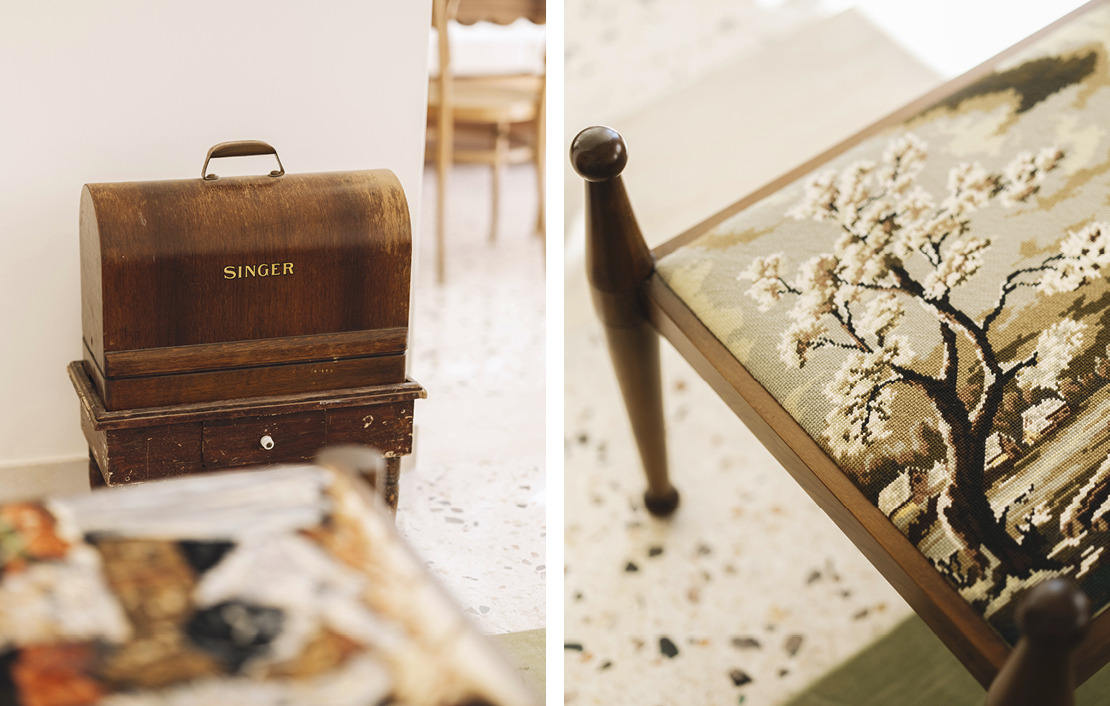
For me, preserving a tradition does not mean keeping it frozen in time. The techniques carry generations of knowledge, patience and skill, but they can also be used to tell new stories. I want to respect where the craft comes from while giving it the space to evolve.
The women I work with are very open to experimenting. They often get excited when a design challenges them or asks them to approach a technique differently. I think the work can speak to an international audience precisely because it comes from somewhere real. I don’t want to change its identity to make it familiar to people elsewhere. I want to give the stories and the craft the opportunity to speak for themselves.
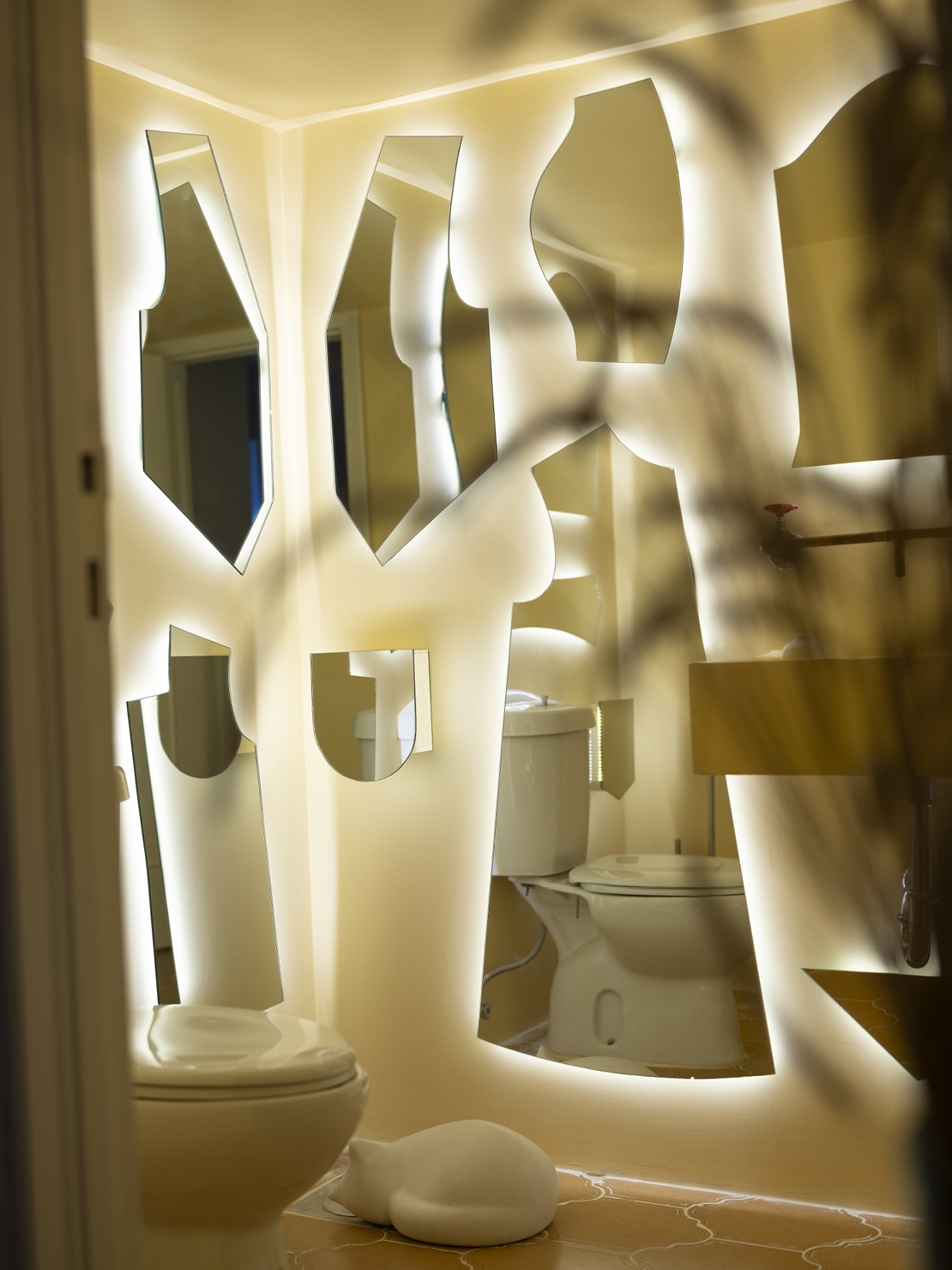
You recently transformed your childhood home into Dar Salim Azzam. What does returning to that space mean to you?
The idea of returning to a place connected to my childhood feels closely tied to the reason I started the brand in the first place. So much of my work comes from the memories, people and surroundings that shaped me in the mountains. Having a space connected to those beginnings creates a natural relationship between where the stories come from and where they continue to develop.
The brand has also expanded into homeware and lifestyle objects. What interests you about exploring craftsmanship beyond fashion?
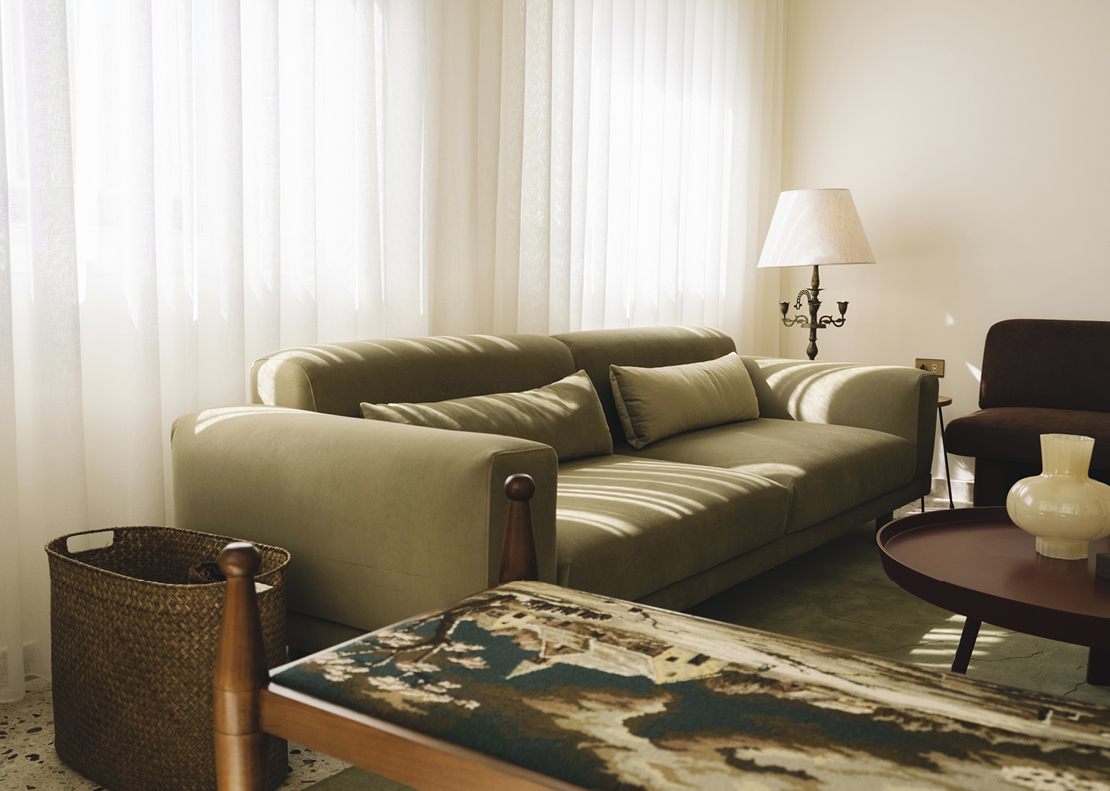
For me, the connection is the craft and the stories behind it. What interests me is allowing that language of embroidery or handwork to exist in different forms, while keeping the same attention to the hands and knowledge behind each piece.
I am interested in the possibilities of taking the craft into other contexts, but I always want the development to feel natural. The medium can change, but the intention is most important.
Building an independent fashion label in Lebanon has brought its challenges. What has motivated you to continue investing in your community?
What keeps me committed, even with all of the circumstances, is knowing why I started. I wanted to create a platform for the women of my community and give the craft a chance to live beyond, representing my country in a bright light.
I know there are limits to what I can change, but I can do my best to care for my little corner and make sure the work continues to create opportunities for the community around me.
How do you feel perceptions of Middle Eastern designers have changed internationally?
I think it is important for designers from the region to be able to share their own stories and perspectives, rather than feel that they need to fit into an idea of what international fashion should look like. For me, the most meaningful part of bringing my work beyond Lebanon has been seeing that stories rooted in a particular place can connect with people from very different backgrounds.
I don’t think we need to make our work less specific in order for it to travel. The beauty is in allowing the culture, the people and the craft behind it to remain present. That is what I have tried to do with my own work: bring the stories of the mountains to a wider audience without losing the place they come from.
What are the greatest opportunities and challenges for independent designers in the Middle East today?
There is so much knowledge and creativity that can be shared with the world, but it is important that designers find their own language and understand what they want to say.
At the same time, building an independent business takes patience, and growth should happen in a respectful way. For independent labels, I think it is important to build on clear principles and understand that not every opportunity is necessarily the right opportunity.
As the brand grows, how do you maintain a close relationship with the artisans behind your collections?
As the brand grows, I am actually consistently finding ways to be even closer to the artisans. For example, we recently did a workshop in Abu Dhabi at the Royal Equestrian Arts institution with four of the artisans.
Flying the women to another country was a beautiful way to feel close to them and see the pride that they have in their handwork being seen and appreciated much further than in their homes or villages.
What advice would you give to aspiring designers?
I would say to begin with what you know and what you genuinely care about. You do not need to follow what is happening in fashion simply because it is happening. It is more important to understand what you want to communicate and to build a language that feels honest to you.
Looking ahead, what would you still like to achieve, both creatively and for the community that has been part of your journey?
My main priority is continuity: making sure that the craft continues to live and that the knowledge can be shared with younger generations. I would love to see more young people become interested in embroidery, understand its value and feel that it is something they can be part of.
Creatively, I want to keep finding new ways to tell stories and uphold the beautiful culture and community I am lucky to be part of.