
Architect and interior designer Aline Asmar d’Amman has long been recognised for her ability to breathe new life into historic spaces, creating interiors that honour the past while feeling unmistakably contemporary. The Lebanese designer approaches each project as a creative narrative, bringing together storytelling, craftsmanship and cultural dialogue, transforming architecture into an emotional and immersive experience.
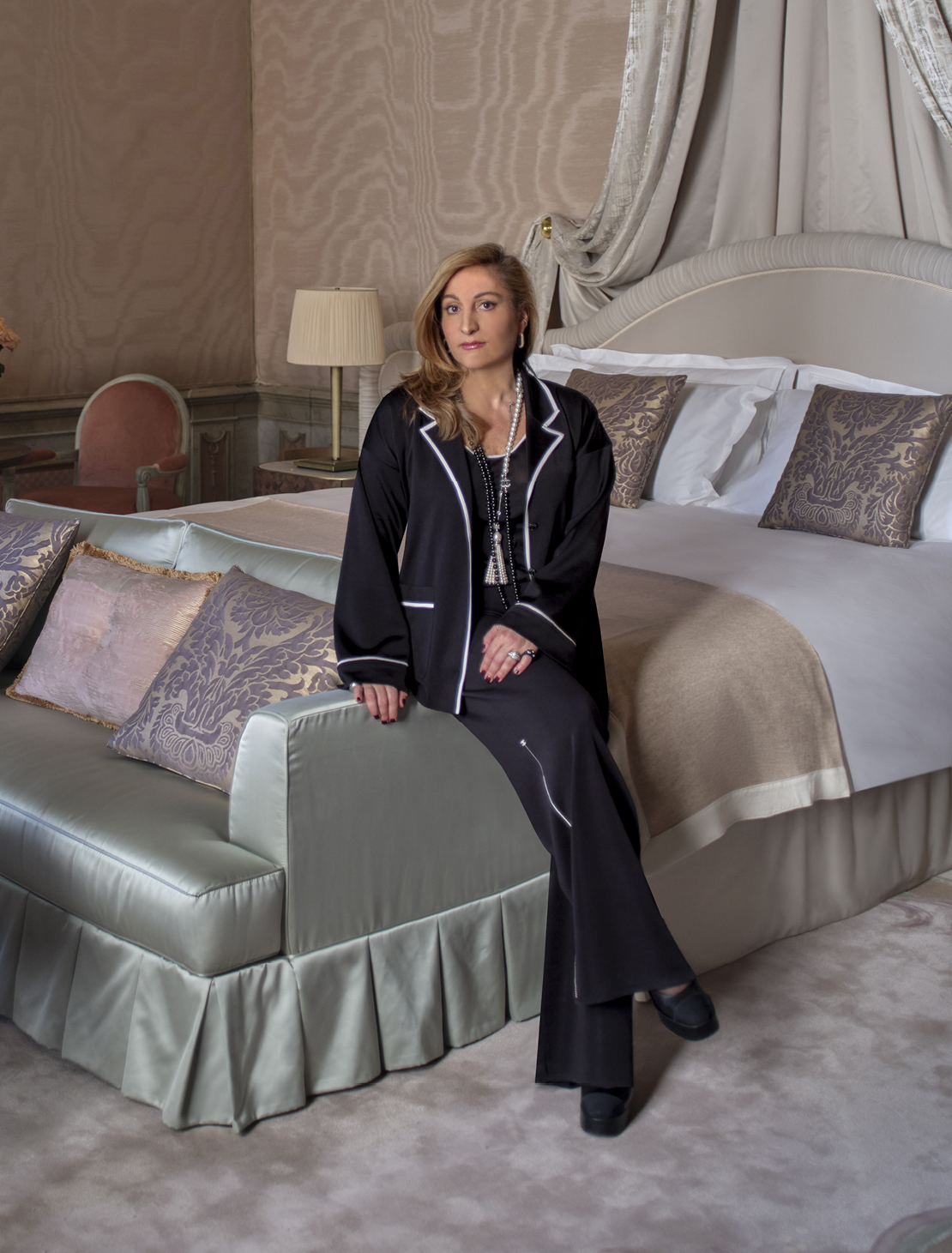
That approach has led her to one of her most compelling projects yet with Orient Express Venezia, the newly unveiled hotel housed within the magnificent 15th-century Palazzo Donà Giovannelli. Over an eight-year journey, Asmar d’Amman led the meticulous restoration and reimagining of the Venetian landmark, carefully preserving centuries of history while introducing a new vision of contemporary luxury.
Situated in the heart of Cannaregio, the project draws on Venice’s unique position as a meeting point between East and West, weaving together heritage, artistry and the enduring romance of travel. Through restored frescoes, handcrafted details and her concept of Venice’s “lost colours”, she has created a destination where history and imagination exist in constant conversation.
Here, Aline Asmar d’Amman discusses the creative process behind the project, the role of narrative in architecture, and why craftsmanship, emotion and cultural connection remain at the heart of meaningful luxury.
What first drew you to the Orient Express Venezia project?
Venice has long drawn artists, not only for its beauty, but for its layered identity. Positioned along historic trade routes, it became a crossroads of cultures, materials, and ideas, a city shaped as much by movement as by permanence. Born in Beirut, Parisian at heart, with a deep attachment to storytelling and material poetry, I found in Venice my dream address.
For me, there is something both deeply spiritual and deeply sensual about Venice. You feel it in the architecture, in the stones anchored in water, and in the dreamlike vision of building an entire city on water. At the same time, I found myself working with a 15th-century palazzo in the heart of Cannaregio, the first sestiere of Venice and its oldest district. History has always fascinated me, and it continued to fascinate me throughout the eight years of this project.
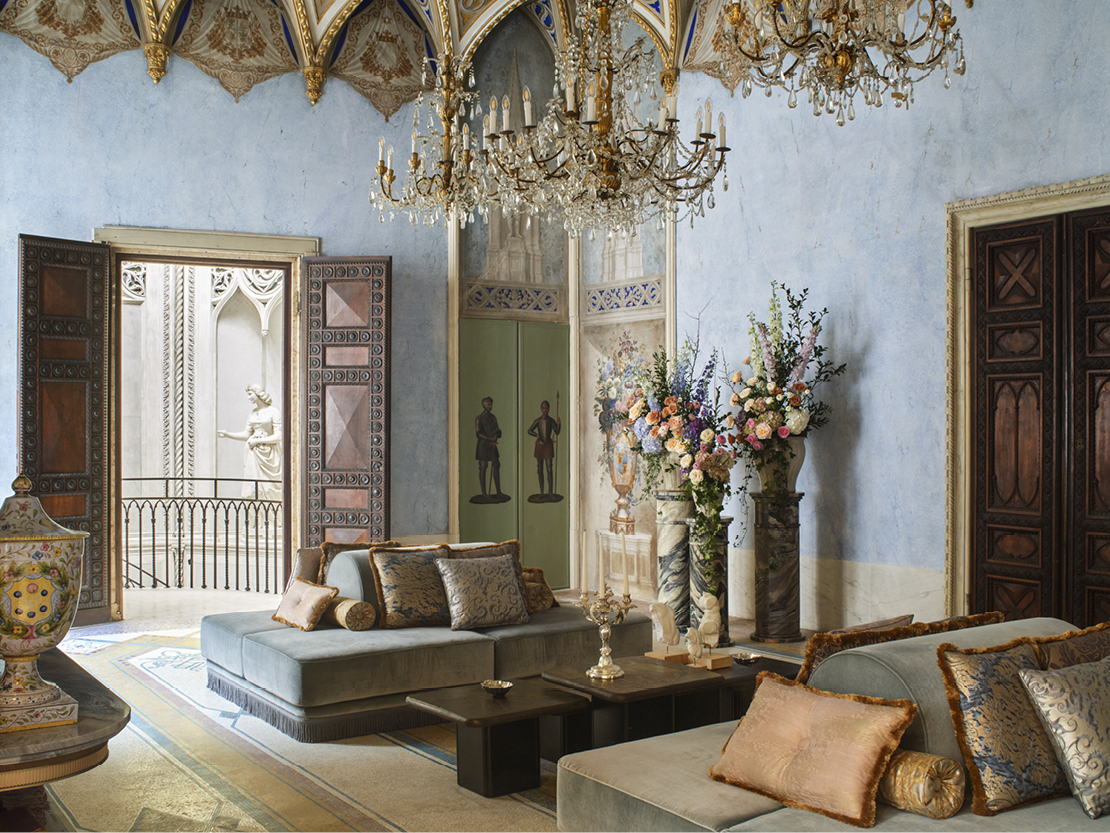
My first discovery of Palazzo Donà Giovannelli in 2018, approaching its magnificent 15th-century façade by boat across the lagoon and seeing its reflection mirrored in the water, left a profound impression on me. That day, I encountered beauty elevated by its imperfections and by the exquisite patina of time. Standing before this historic architecture, layered with centuries of history and marked by Gothic and Baroque influences, all infused with the memory of Venetian craftsmanship, I couldn’t help but feel inspired to embrace the past and give it a future life. My architectural approach has always been nourished by storytelling and by a search for material poetry.
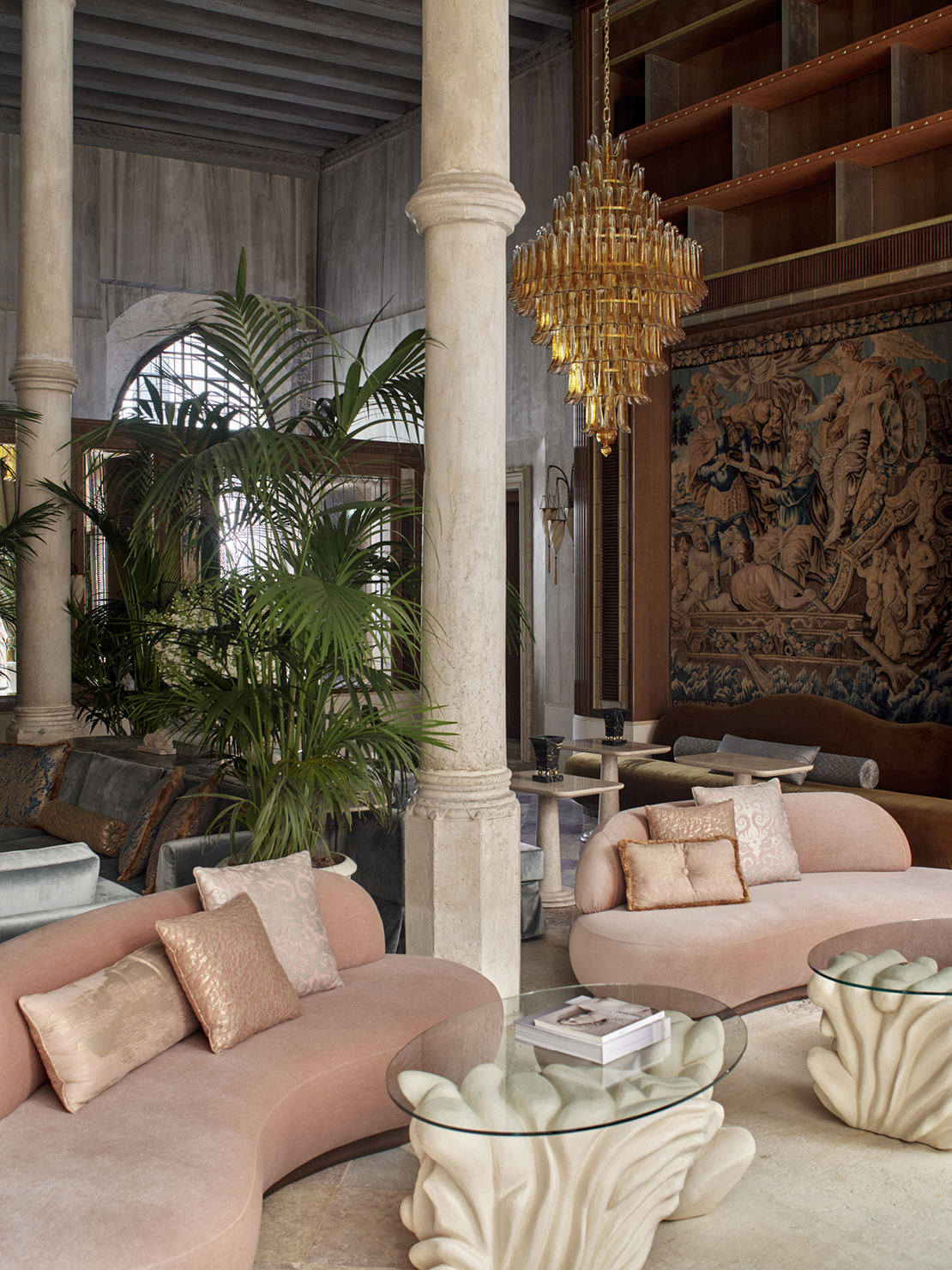
The idea of “Lost Colours of Venice” plays a central role in the way I approached this renovation. Inspired by 16th-century pigment names and poetic lore, these are not colours that have disappeared, but colours rediscovered; faded fragments of myth and memory brought forward with a contemporary intention. The first time I walked into Palazzo Donà Giovannelli, I felt an immediate encounter with pure beauty and with these very lost colours across every historical wall and surface of the palazzo’s textured skin. There was something that spoke of eternity, of ageless romance and constant vitality. These patinas and living colours, washed by time, became my treasure and my guide. From the choice of stones and marbles to silky moiré fabrics, velvets, and every material detail throughout the project.
Transforming a 15th-century Venetian palazzo into a luxury hotel is no small task. What was your vision for the project from the outset?
Over the last eight years, I moved through epochs and eras, listening closely, revealing and unearthing every story, from the worn surfaces beneath our hands to the frescoes on the ceilings, each layer carrying its own memory. The extended timeline shaped everything with patience and precision. The restoration of Palazzo Dona Giovannelli, home to the Orient Express Venezia hotel, became a true labour of love, requiring rare interventions, from drying the palazzo’s foundations and building a dam around the façade walls, to the careful removal and treatment of each stone on the walls and floors. It became a revelation of how closely architecture and environment are bound together in Venice.
This 15th-century Venetian crown jewel, once a noble family home passed through generations, is, for the first time, transformed into an Orient Express hotel. Out of deep admiration for its heritage, every original detail, from elaborate frescoes to individual mosaic tiles, has been meticulously restored. Hundreds of specialised artisans worked across fresco restoration, sculpture, gilding, and woodwork. Young artisans, joinery makers, metal specialists, craftsmen who master leather cladding, terrazzo floors, and skilled marble makers all joined in a communal gesture bound by endless devotion and artistry. Behind every perfect detail, there are thousands of hours spent mending beauty. This has informed my creative process, where contemporary gestures respond respectfully to the past, seeking timeless elegance and cultural relevance. During the process, hidden layers of history were uncovered and naturally included in the evolving narrative of the space.
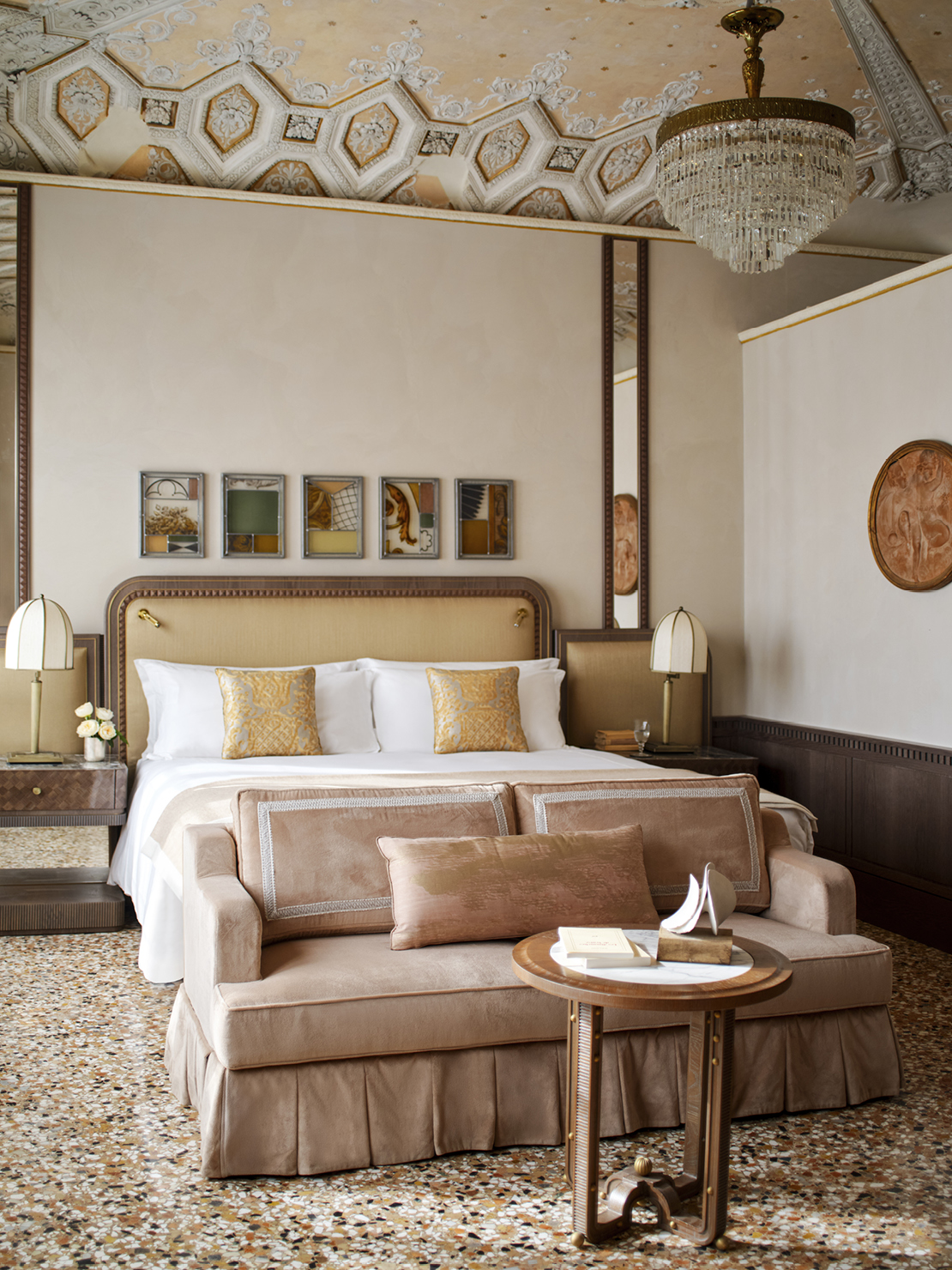
Beyond a monument to history, I see the Orient Express Venezia at Palazzo Dona Giovannelli as a living story, where the past continuously shapes the future. The historical elements now find new life within contemporary spaces that exude whimsy and allure. Fragments of original mouldings appear within contemporary rooms, reflected in etched mirrors and varnished woods, in a continuous conversation between heritage and modernity. Pieces once hidden or damaged are reintroduced with grace, allowing the story of the palazzo to remain visible in dialogue with architectural nowness. This unfolding deeply shaped my design decisions. Rather than shifting it, the discovery of the Palazzo’s many layers deepened it into a more intimate dialogue with its history. My approach is never nostalgic about the past, but in conversation with it, and over time, the project became a living story where the past continuously shapes the present, and architectural nowness emerges in dialogue with what was already there.
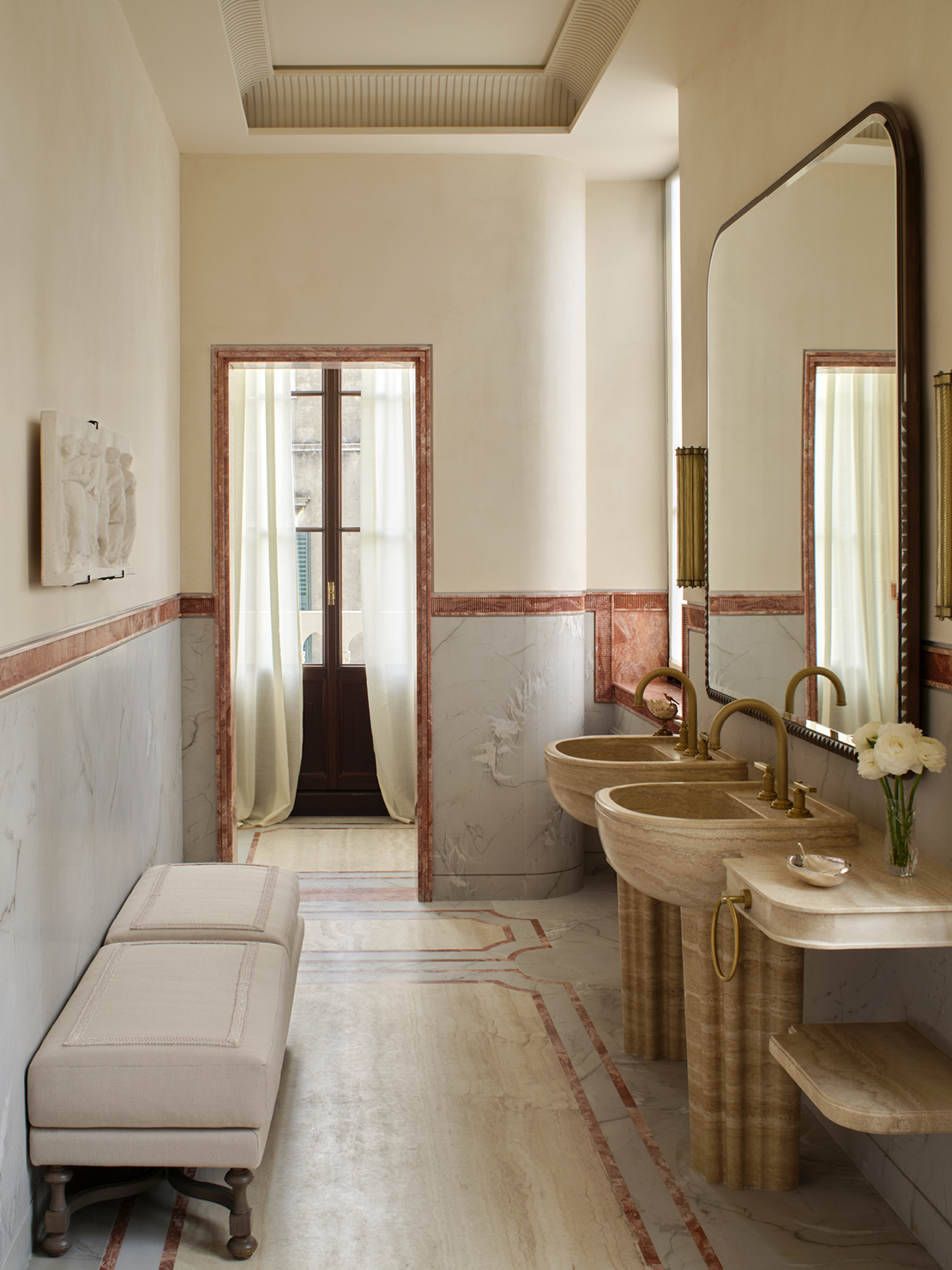
You have described the hotel as a “theatrical sequence of wonders”. What does that mean to you?
I imagined the transformation of Orient Express Venezia at Palazzo Dona Giovannelli as a theatrical sequence of wonders, a tribute to both the whimsical mysteries of Venice and the spectacular architectural marvels of the 15th-century heritage jewel, preserved and unearthed. In this creative, transformative journey, the walls speak, revealing layers of enchantment, magnified by the dialogue with contemporary interiors with timeless elegance.
A loving tension reigns in the new interiors, between the legendary art-of-travel Orient Express world, marked by the glamour of the 1930s, and a reinterpretation of Venetian living. Embracing the duality of legacy and reinvention, the raw and the refined, striking a balance between architectural truth and ultimate sophistication, I find inspiration in the unique position of Venice as a gateway between East and West, amplified by its exceptional tapestry of artistry.
My aesthetic foundation lies in finding beauty in the traces of time and in fostering cultural dialogue. Orient Express Palazzo Dona Giovannelli’s renovation is an ode to the wonders of Venice, reimagined through masterful craftsmanship and the belief in the power of design to enchant and spark imagination. A creative journey connecting past and future, bridging cultures, and revealing layers of time while rooted in creative nowness.
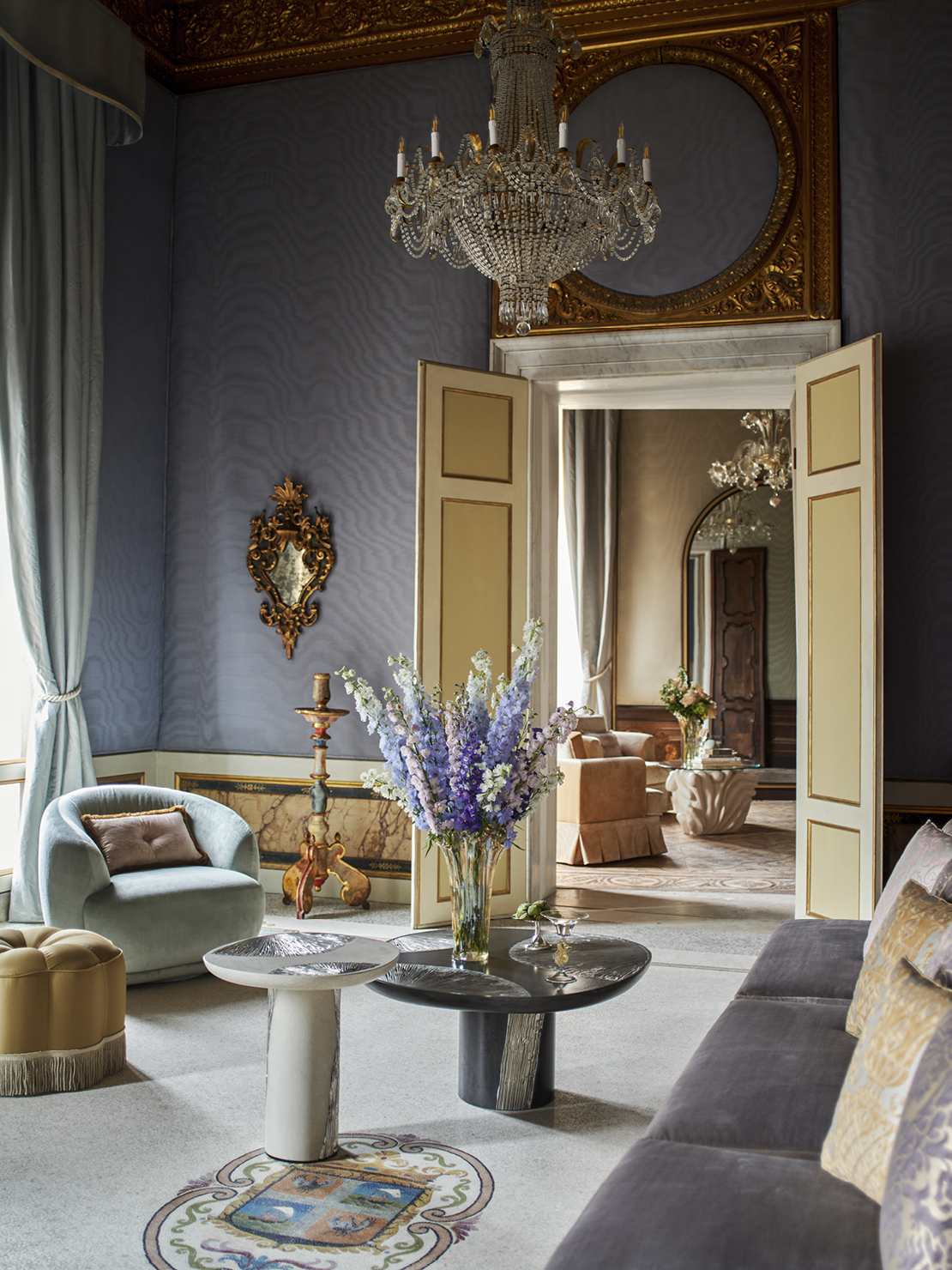
Venice has long been a meeting point between East and West. How did that influence your approach to the design?
I am deeply inspired by Venice as a gateway between East and West. To me, it is almost an orientalist dream, a place where cultures and histories continuously meet and reflect one another, enriching each other. With my Lebanese background, I feel a very personal connection to the dual culture that Venice carries. I recognise many correspondences between Venetian architecture and my own cultural heritage. My attachment to Venice is therefore visceral and profoundly emotional. I never experienced the Serenissima as a foreign place, but rather with a sense of recognition, as if returning to a source of inspiration and origins. This dialogue between East and West is not only historical or aesthetic, but something that profoundly informs my architectural philosophy, a continuous exchange, a tension, and a harmony that shape the way I approach architecture and interiors.
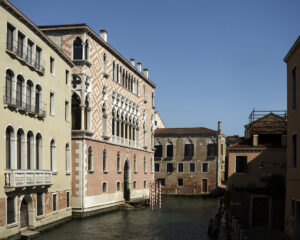
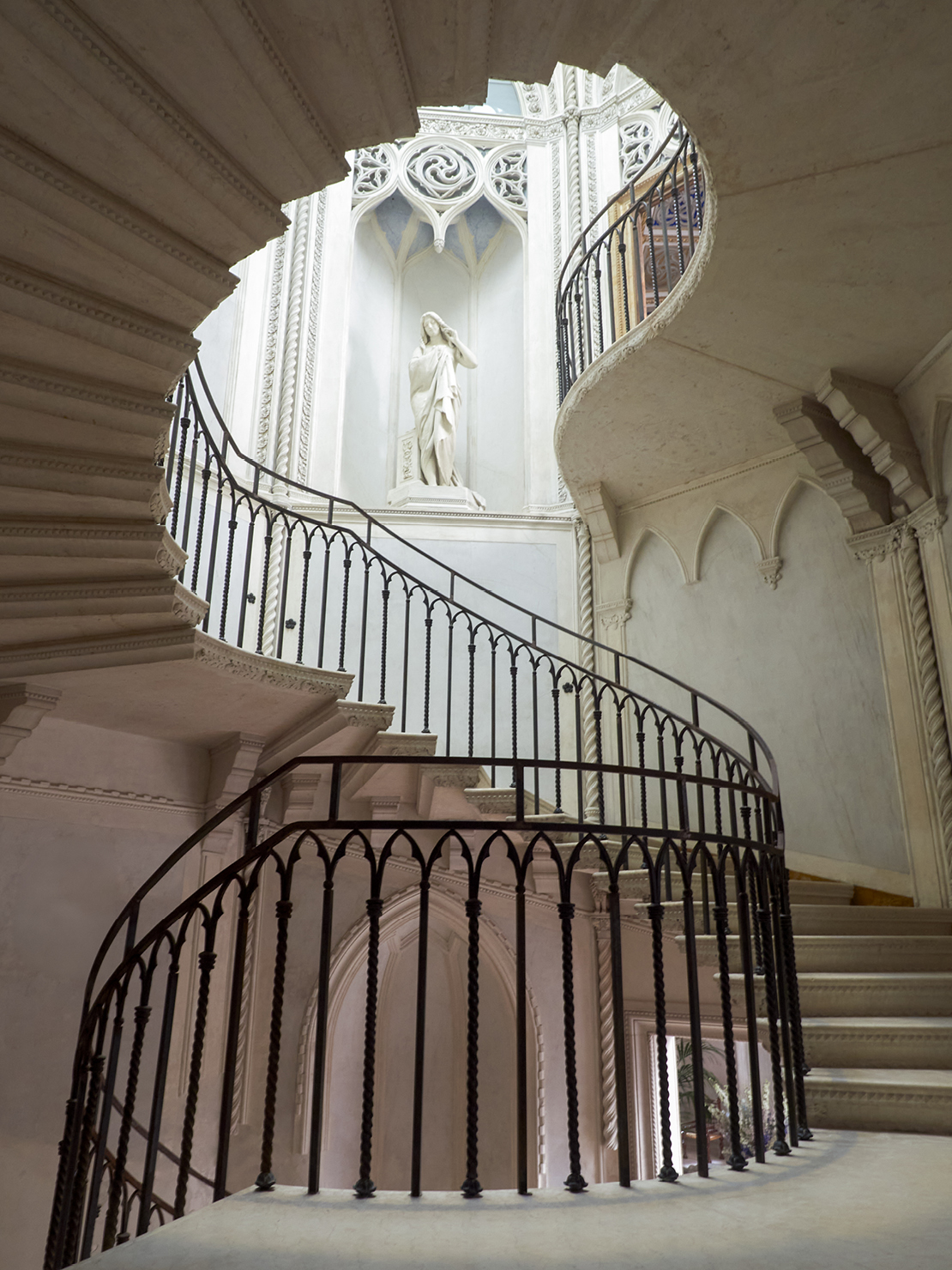
This dual identity is already embedded in the palazzo itself. The neo-Gothic staircase by Gian Battista Meduna leads to the Piano Nobile and reveals a layered architectural language, where Gothic forms meet intricate decorative work in stone, marmorino, and frescoes. Within these details, I read the presence of both worlds, arabesque influences, oriental references, geometric patterns, and luminous stained glass, all reflecting Venice’s long history of exchange and movement. The octagonal staircase, crowned by a celestial vault, brings a sense of theatricality and light, leading into spaces like the Sala della Cultura, a salon shaped by ideas and encounters. Here, Venice expresses itself as it always has, a cosmopolitan meeting point where East and West, scholarship and spectacle coexist within the same space. Lapis lazuli tones, Italian marbles, and layered ornamentation create an atmosphere of richness and dialogue, while the meticulously vintage furniture and contemporary bespoke design coexist like a visual memory of a ‘grand tour’ with an orientalist sensibility, inviting indulgence and wonder.
How do you balance preserving history with introducing something contemporary?
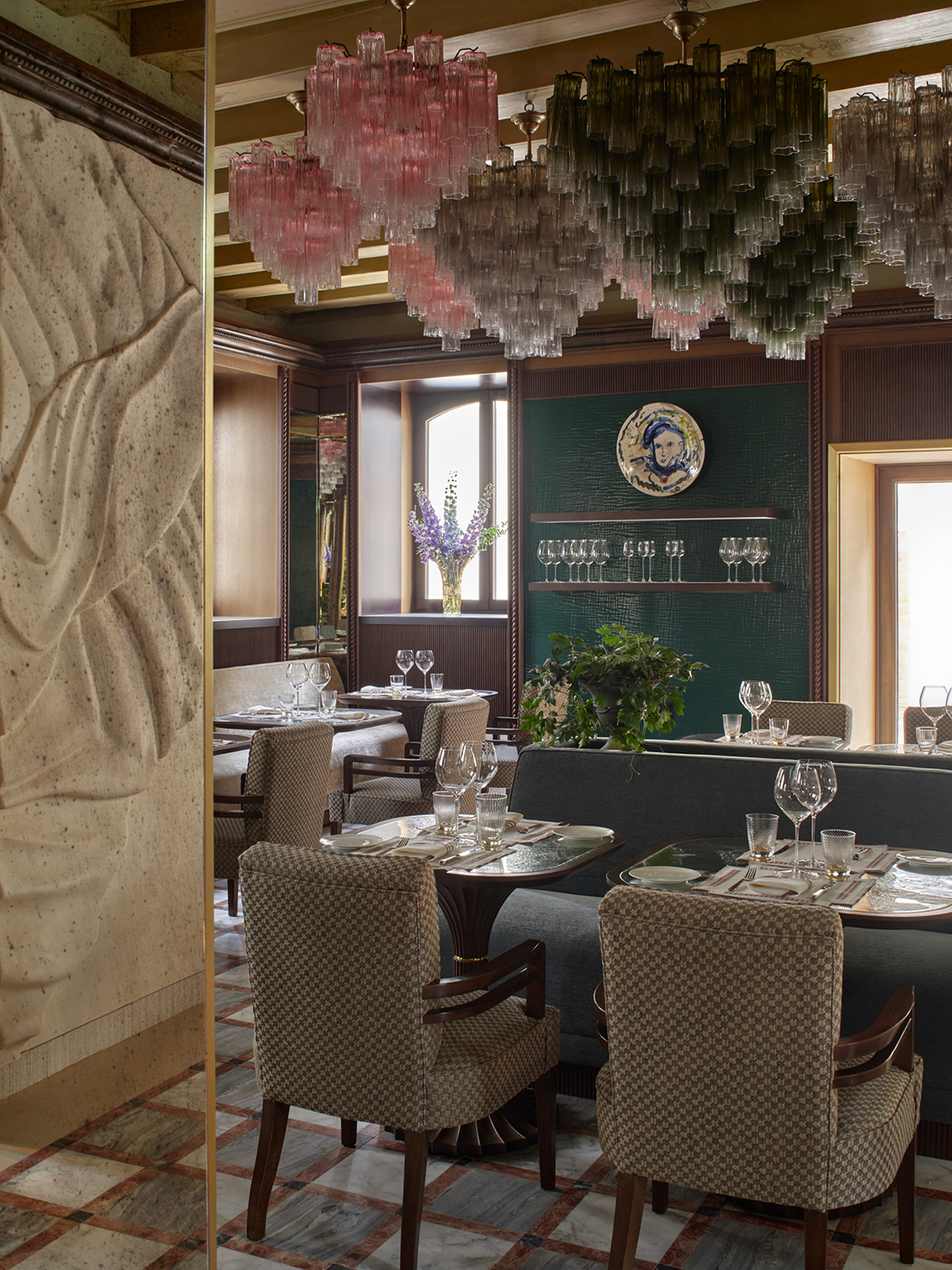
It was important for me to honour the Palazzo’s history while reimagining it for the present, creating a dialogue between legacy and renovation, architectural truth and contemporary elegance. I wanted to reveal what was already there and give it new life in a way that feels both timeless and intimate. With poetic precision, I carried the Palazzo’s ageless romanticism into the present, reawakening its spirit for a new era of discerning voyagers. From tinted mirrors and embossed leathers to silk moirés and sculpted boiseries, all placed in quiet dialogue with patinated frescoes and plush velvets, exuding sensuality and romance while underscoring the cinematic character of the décor. A subtle balance between heritage and modern comfort that creates a distinct atmospheric vibrancy, elevated by Orient Express’s signature luxury. Each corner invites a deeper discovery into the Palazzo’s many stories. Here, every detail is carefully considered. References to the golden age of travel are woven throughout. Travel trunks appear as bedside tables, a nod to the rituals of departure and arrival. Bespoke mini bars invite interaction, opening like curated cases designed to spark curiosity and engagement, reinforcing the journey of discovery. Whether within the intimacy of a room or the scale of a historic salon, there is always this tension. Between stillness and movement, between intimate and grand, between past and present. My approach is never nostalgic of the past but in conversation with it. Far from any replica intent, my architectural approach aims to capture the spirit of place with timeless elegance and reverence to both old soul and vital future.
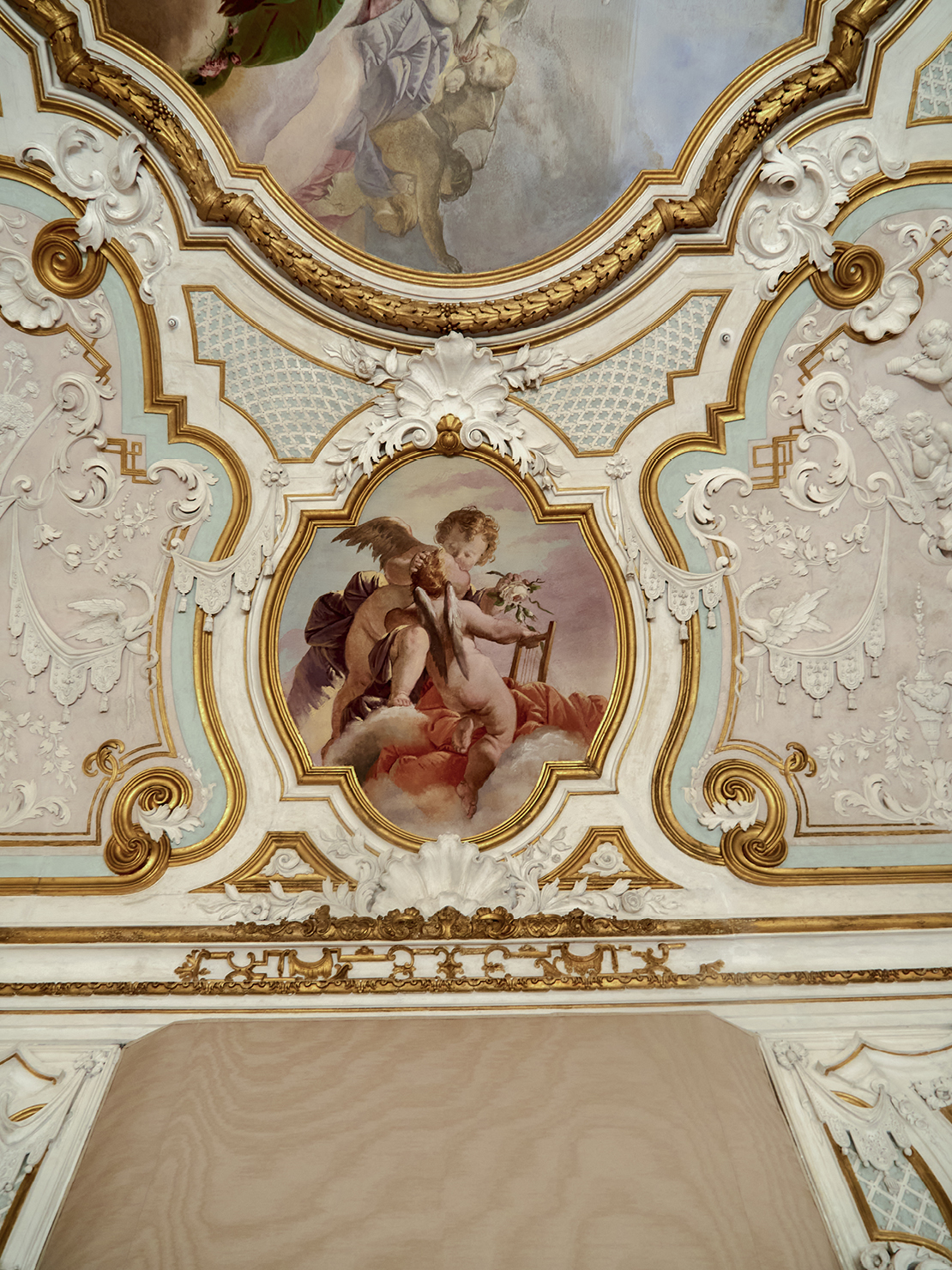
You often speak about storytelling through architecture. What stories are you most interested in telling today?
I’m not a nostalgic but a storyteller architect, narrative fuels my drawings with poetic materiality and cultural correspondences. I’m interested in the luxury of emotions and discoveries that spark imagination. In the magical thread that connects hearts and minds through gesture, from artistry to design excellence, from founding building restoration to the delicacy of sewing a couture garment, both done with patience, devotion and the quest for poetic materiality. My design ethos is not just about conservation, but transformation and beyond. I’m utterly convinced that creativity is a bridge, a universal language that connects and moves the needle, inspiring dialogue and new realms.
How would you describe your personal design aesthetic?
My architectural work is rooted in the transmission of the past to the future, elevated by cultural connection stories. For me, craftsmanship is the ultimate bridge between past and present, a form of luxury passed down through generations, from one skilled hand to another. Each detail carries a narrative: subtle, modern, and built to last. I see my work as a delicate balance between preserving heritage and embracing the spirit of modernity—honouring craftsmanship while infusing spaces with renewal. Connecting the raw and the precious, the past and the future, and grounding each project in the depth of its local culture is fundamental to my approach. A deeply rooted narrative drives every design decision I make. It has to do with something that touches upon humanistic values that transforms into timeless elegance.
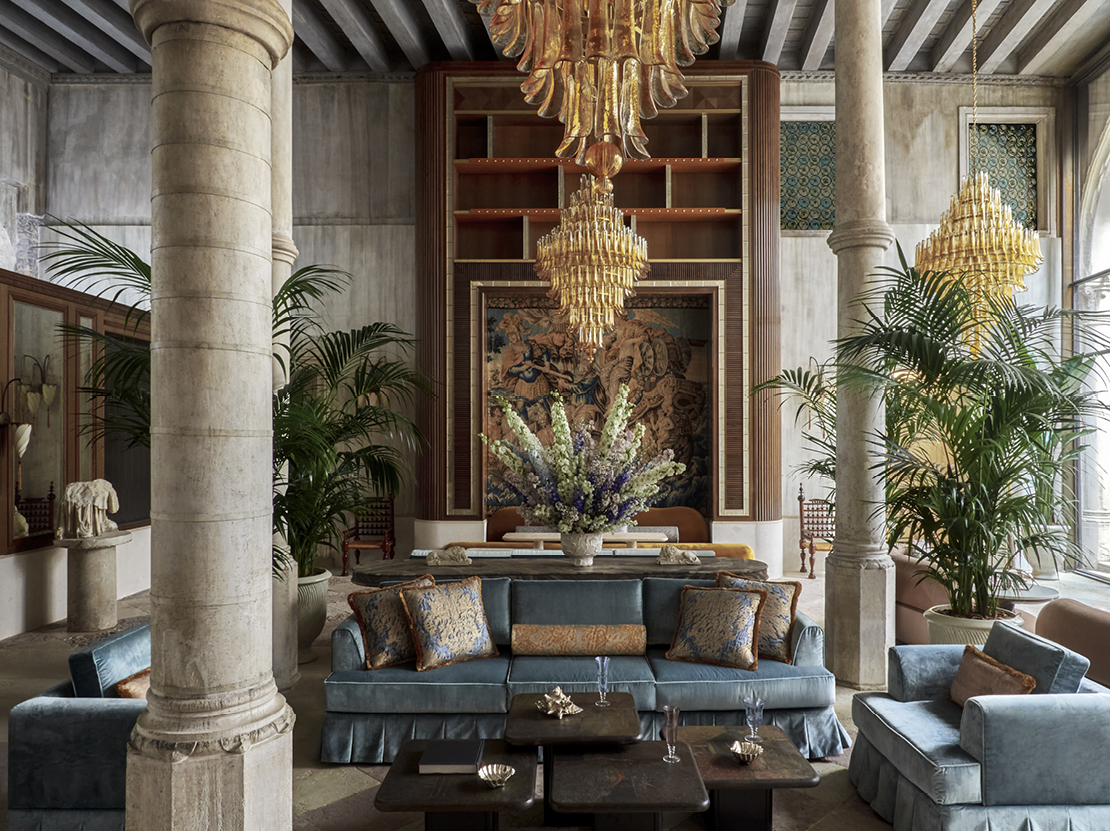
How is luxury evolving in hospitality and residential design today?
Artistry and craftsmanship are the ultimate luxury and a form of storytelling in space, a fueling drive in an ever-evolving hospitality horizon. Orient Express Venezia at Palazzo Dona Giovannelli is a testament to this spirit, where centuries of creativity permeate its walls with emotional intelligence and a living sense of narrative. Behind every perfect realisation, there are thousands of hours to mend beauty, thoughtful details and kindred spirits anticipating desire and crafting the curated lifestyle. The philosophy is however, the same when it comes to intervening on large-scale hospitality projects steeped in patrimonial buildings, such as Orient Express Venezia’s 15th-century Palazzo, or Hotel de Crillon, Rosewood Paris, an 18th-century heritage building on place de la Concorde, or a private mansion. The creative journey starts with context and stories of cultural relevance, the founding stones of my architectural practice, seeking poetic materiality while resolving construction constraints. Details of savoir-faire and soulful notes complement the design aesthetics from the enveloping interiors to the smallest item on the table to the largest building scale.
The hand and mind connect in a noble form of expression through craft – to me this is the epitome of luxury-, delivering beauty and excellence while connecting eras and people with a universal language that has no frontiers. This form of timeless luxury passed down from one skilled hand to another is an act of joy, shared by the maker and the user, by the architect who imagines a space and the operator who breathes life into it, creating an invisible bond between dreamers. When this alchemy inhabits a space, the journey is elevated into a memory to cherish. The desire to return, to explore again, to cross new sensorial realms opens new ways of experiencing travel and navigating the world while preserving a sacred nest to come back to.
Is there a dream project you would still love to realise?
Every project is a living dream, and so many are being woven with the same passion and dedication. Just like the exceptional journey of Dream of the Desert train, an immersive voyage that unfolds like a poem across the vast and mystical desert landscape.
From my Lebanese upbringing, I keep the treasured memory of the Arabian poets’ melodic words, from Rumi’s to Ibn Arabi, who describe the desert as a dynamic tapestry of subtle details and immense divinity. Ibn Arabi’s philosophy is summarised as such: ‘A desert may be dry, but it is rich in spirit’. This is how I approached this creative journey, aiming to capture the spirit of the desert, that emptiness that allows for beauty to unfold with prosperity. My quest for cultural relevance is coupled with a freedom to invent new realms where modernity is inspired by tradition, without any nostalgic restraint.
I spent hours studying the details of Saudi architecture: the intricate textile weavings, delicate wood carvings, and oil lamps that cast a cinematic glow, translating these elements through a refined contemporary lens, thoughtfully adapted to the unique spatial and technical constraints of a train. Here, innovation honors memory, and cultural dialogue becomes the new definition of luxury. I was told by my Saudi wise friends, “In the heart of the desert, you find the soul.” I hope each traveler will experience the profound beauty of this soulful and transformative journey.
By Lara Mansour