
For decades, cities like London, Paris, and New York City defined the global art world. They were the centres where galleries opened, collectors gathered, and careers were built. But over the past few years, Dubai has quietly transformed from an emerging market into something much more significant, becoming a serious international alternative to traditional art capitals.
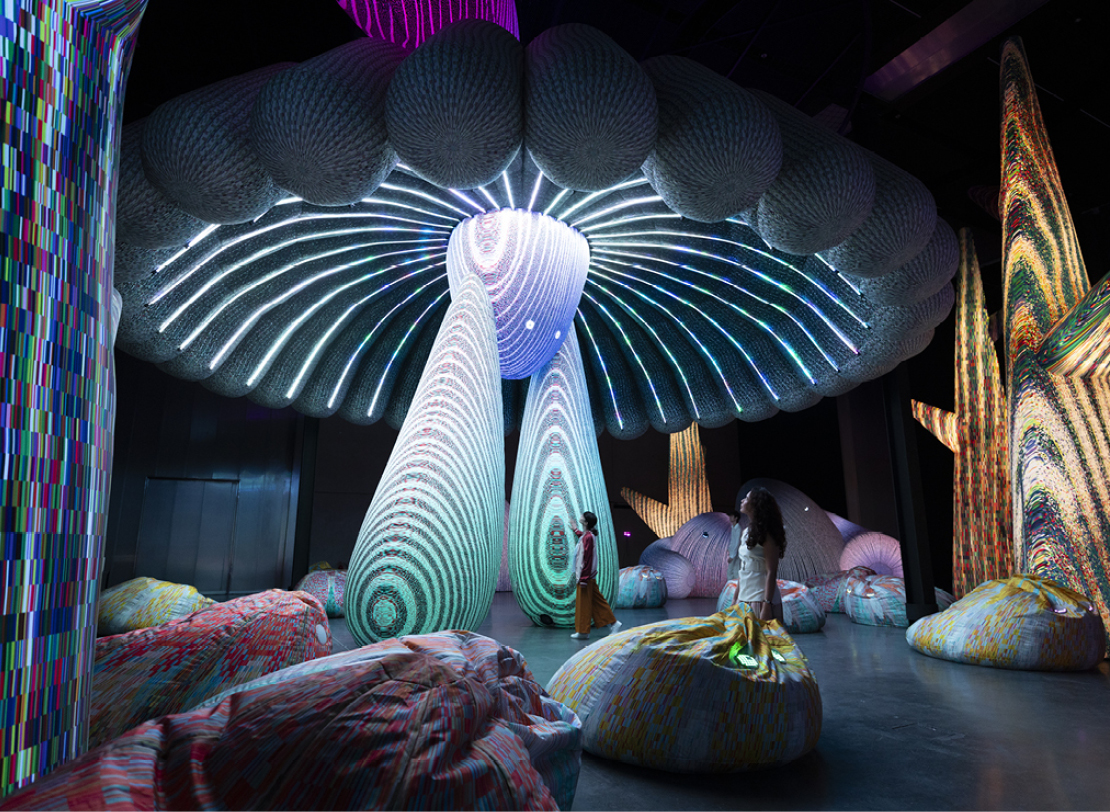
What makes Dubai unique is not simply the number of galleries opening or the scale and growth of its art fairs. It is the city’s flexibility, internationalism, and ability to adapt to the changing realities of the global art market. At a moment when many established art capitals are facing rising costs, slower bureaucracy, instability, and collector fatigue, Dubai is positioning itself as a city built for the future of culture. Today, artists, galleries, collectors, and cultural entrepreneurs are no longer looking at Dubai as a secondary market. We are increasingly seeing it as a strategic base.
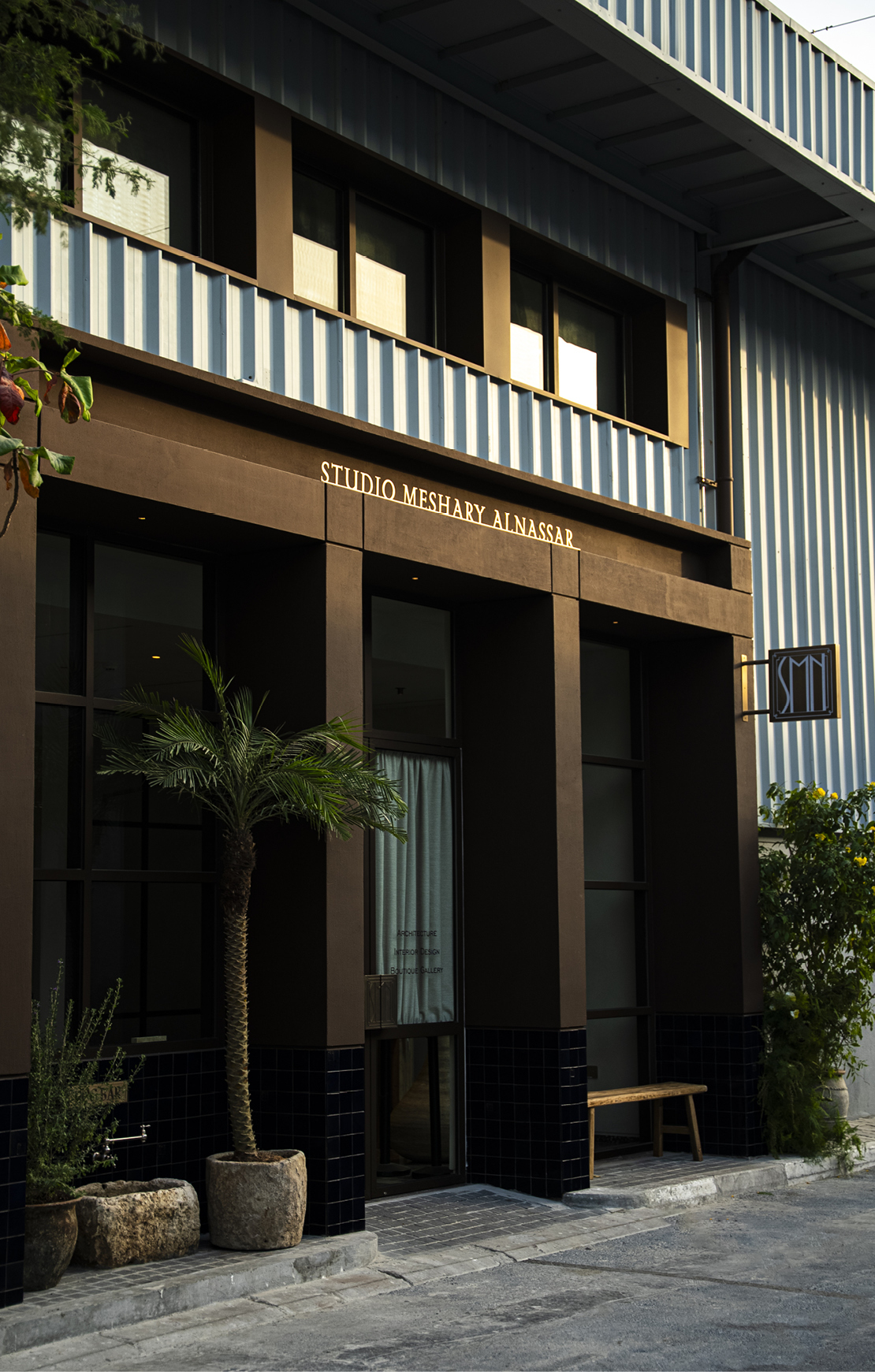
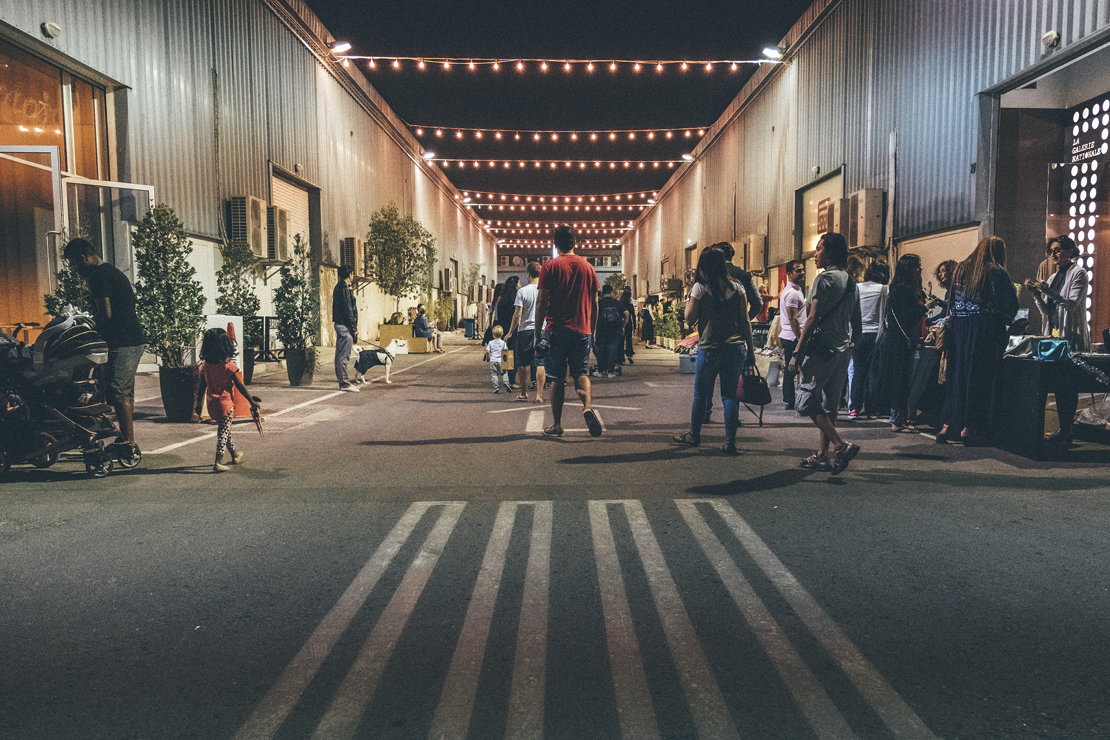
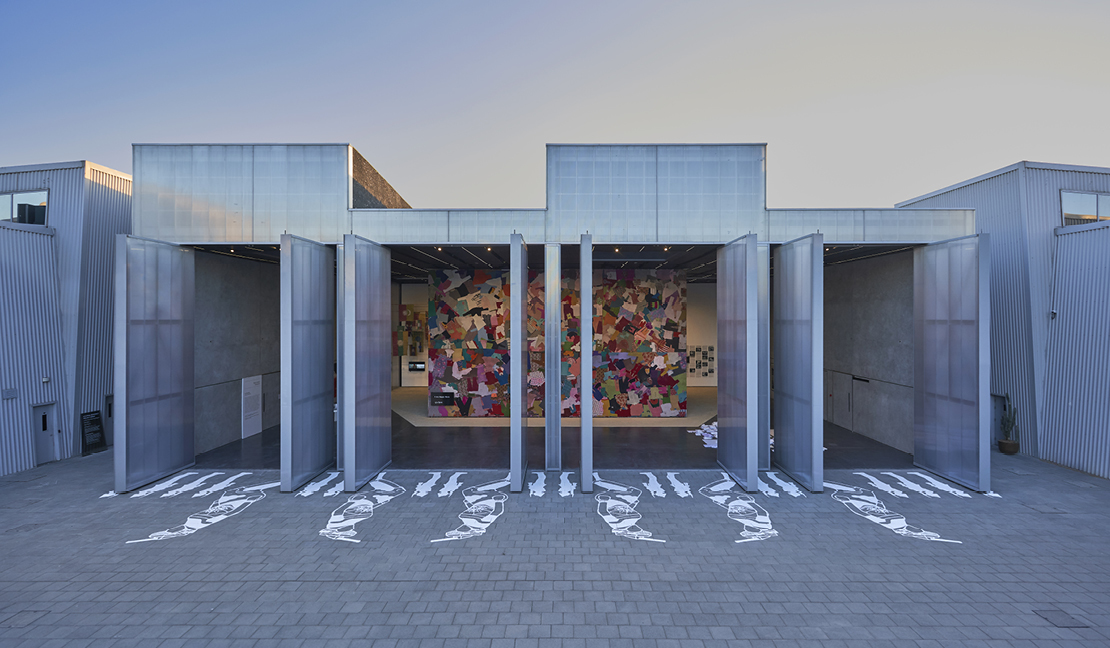
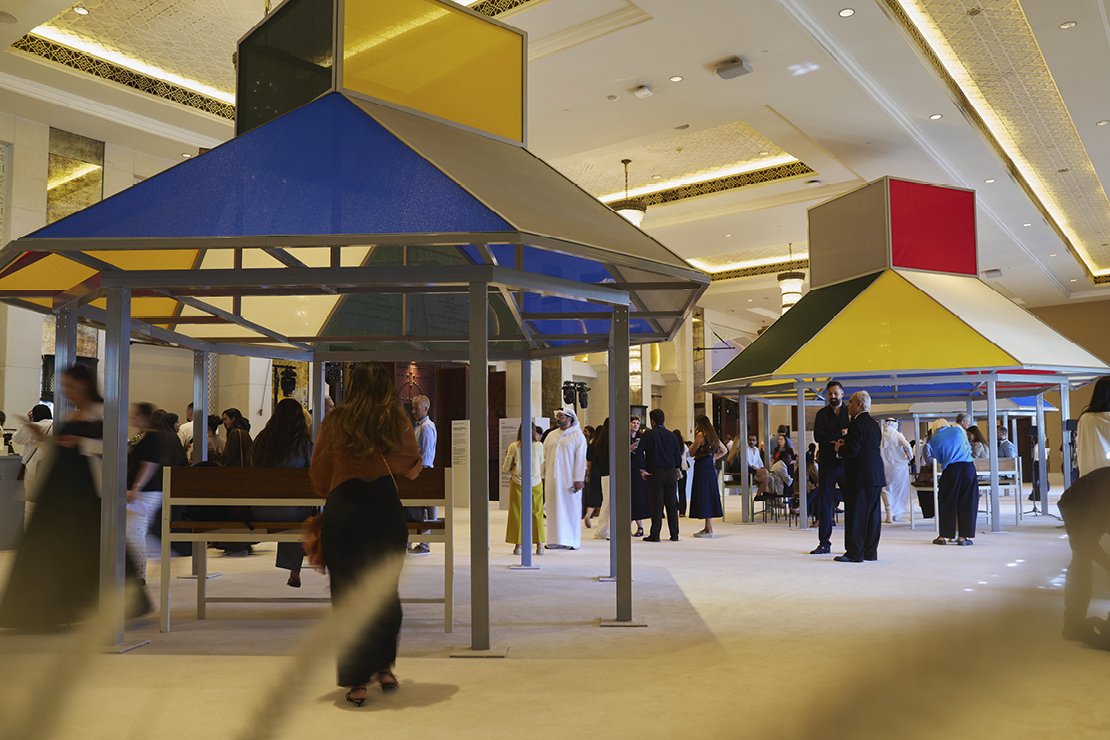
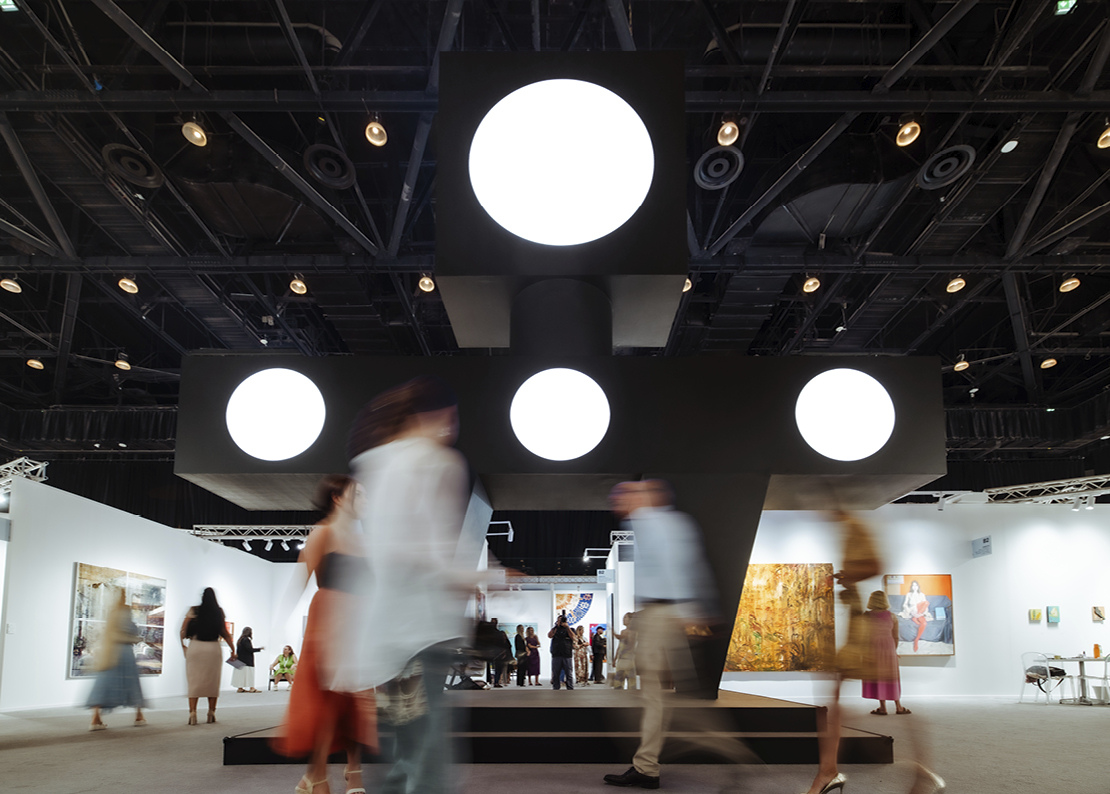
Dubai’s rise has been fueled by the growth of major cultural platforms like Art Dubai, which now brings together galleries from more than 65 cities worldwide and has become one of the leading international art fairs focused on the Global South. At the same time, districts such as Alserkal Avenue have evolved into major creative ecosystems, housing galleries, foundations, artist studios, design concepts, cafés, and experimental spaces under one cultural umbrella. Moreover, we are seeing the introduction of new art platforms and events, inviting a new, broader audience to pay attention.
A City Built on Internationalism
Unlike older art capitals that are deeply tied to a single national identity, Dubai was built as an international city from the beginning. More than 90 per cent of its population is expatriate, creating a uniquely global environment where cultures constantly intersect.
Collectors in Dubai are rarely buying from a single perspective. A single audience at an opening may include Lebanese collectors, European investors, Emirati patrons, Indian entrepreneurs, Russian residents, African creatives, and American advisors. That level of international overlap is difficult to replicate elsewhere.
As a result, Dubai’s galleries are no longer forced into rigid regional categories. A gallery can successfully exhibit contemporary Middle Eastern artists alongside European abstraction, Asian conceptual work, African photography, or digital art, all within the same program. This fluidity reflects a larger change happening globally. The art market is becoming less centred around Western institutions and increasingly driven by cross-cultural dialogue. Dubai naturally fits that evolution.
The Rise of a New Collector Class
One of the most important reasons behind Dubai’s cultural growth is the emergence of a younger, globally mobile collector base. Unlike the traditional collector models often associated with older capitals, Dubai’s new generation of buyers tends to be international, design-conscious, and open to discovering emerging artists. Many are first-generation expats who approach art not only as a symbol of status, but as part of a lifestyle.
The city’s rapid growth in high-net-worth residents has also accelerated this transformation. New residents arriving from Europe, Asia, the Middle East, and beyond are bringing with them fresh collecting habits and broader cultural curiosity.
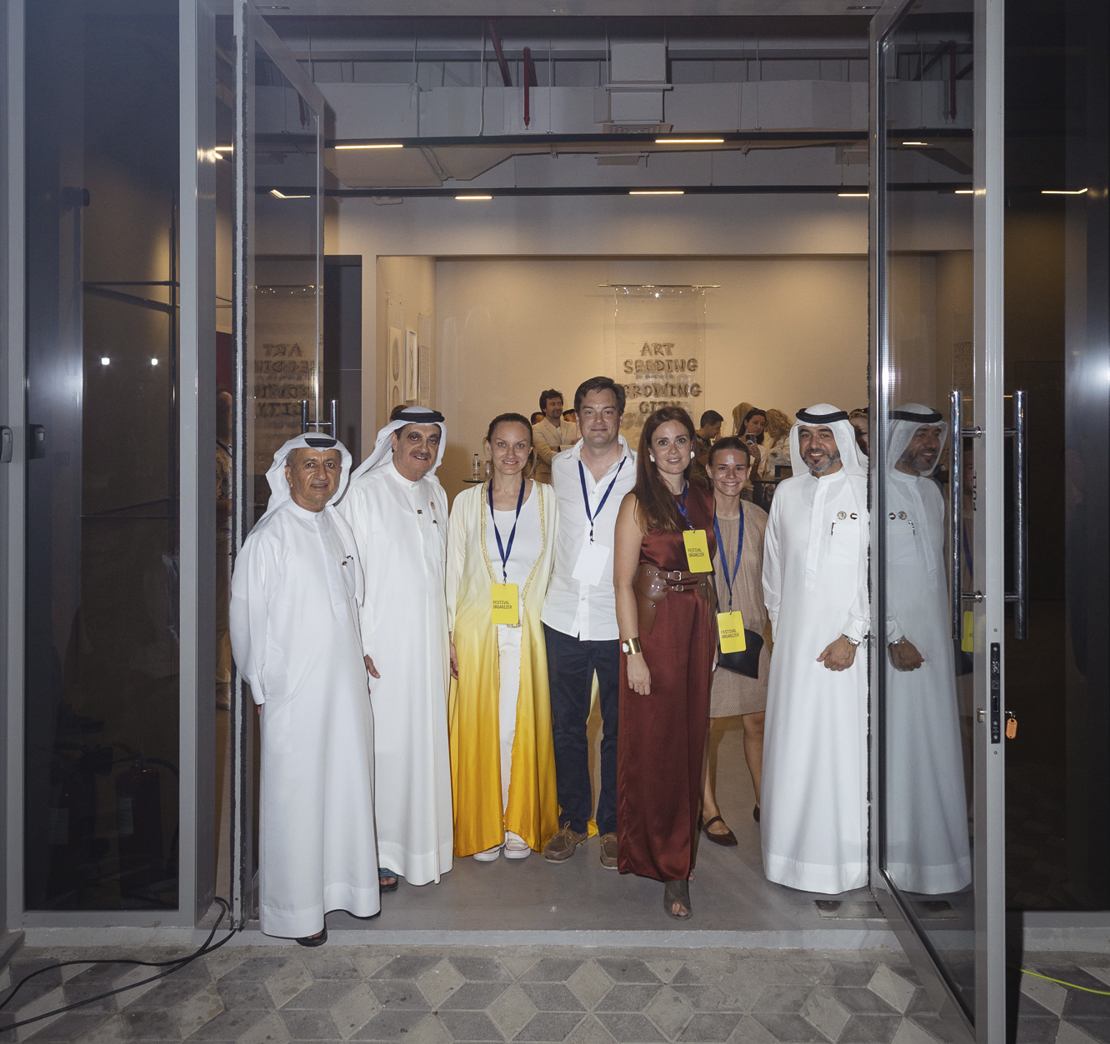
What makes Dubai particularly attractive is that collecting feels more accessible. The environment is less intimidating than older art capitals, where historical hierarchies can often dominate the market. In Dubai, younger collectors are more willing to engage directly with galleries, artists, and curators. This openness has allowed galleries to experiment more freely and cultivate long-term relationships with collectors, who are still shaping their tastes.
Outside the traditional Gallery
Dubai’s cultural evolution is no longer confined to traditional gallery walls. Increasingly, the city is embracing interdisciplinary formats that merge public space, architecture, education, urban intervention, and community engagement into the art experience itself.
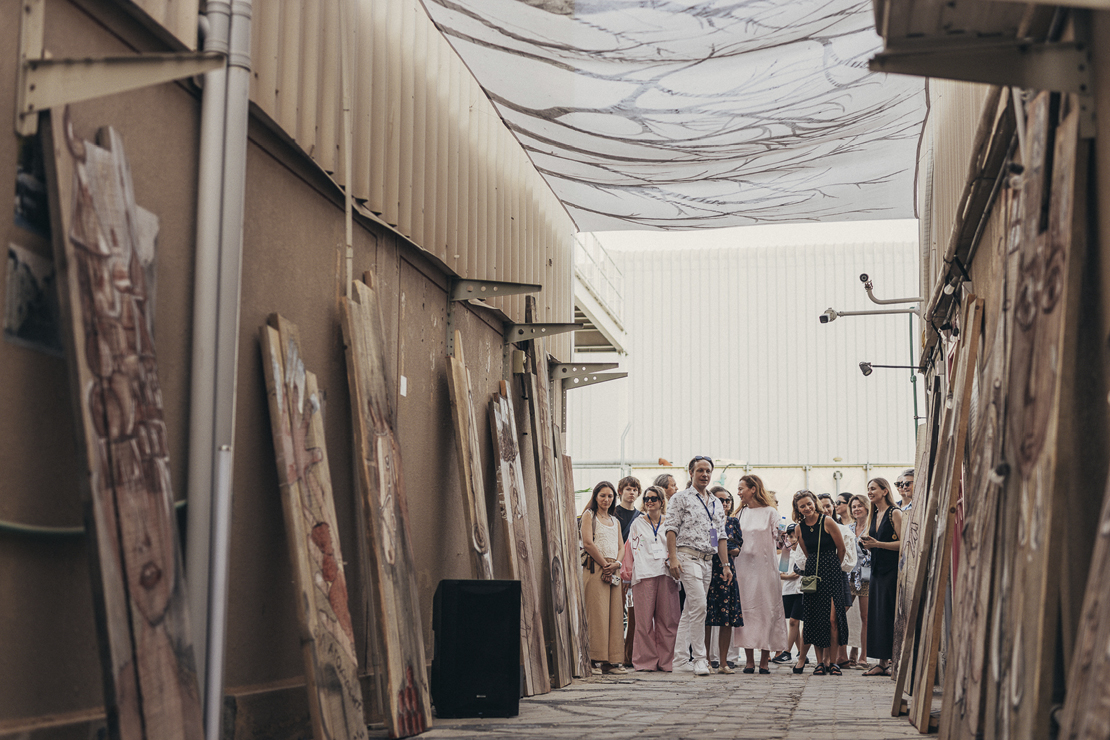
One of the clearest recent examples is the launch of the inaugural Art Seeding Festival at Al Khayat Avenue during Dubai Art Season 2026. Titled Art Seeding: Chapter 1 — “Bringing Structure”, the nine-day festival is set to open not as a conventional exhibition, but as a live urban process integrated directly into the district itself. Rather than presenting finished artworks inside institutional spaces, artists created murals, installations, and site-specific interventions that live within the public environment, allowing audiences to witness the works evolve in real time. The festival will transforms Al Khayat Avenue into a living creative platform, with the city itself becoming part of the artistic dialogue.
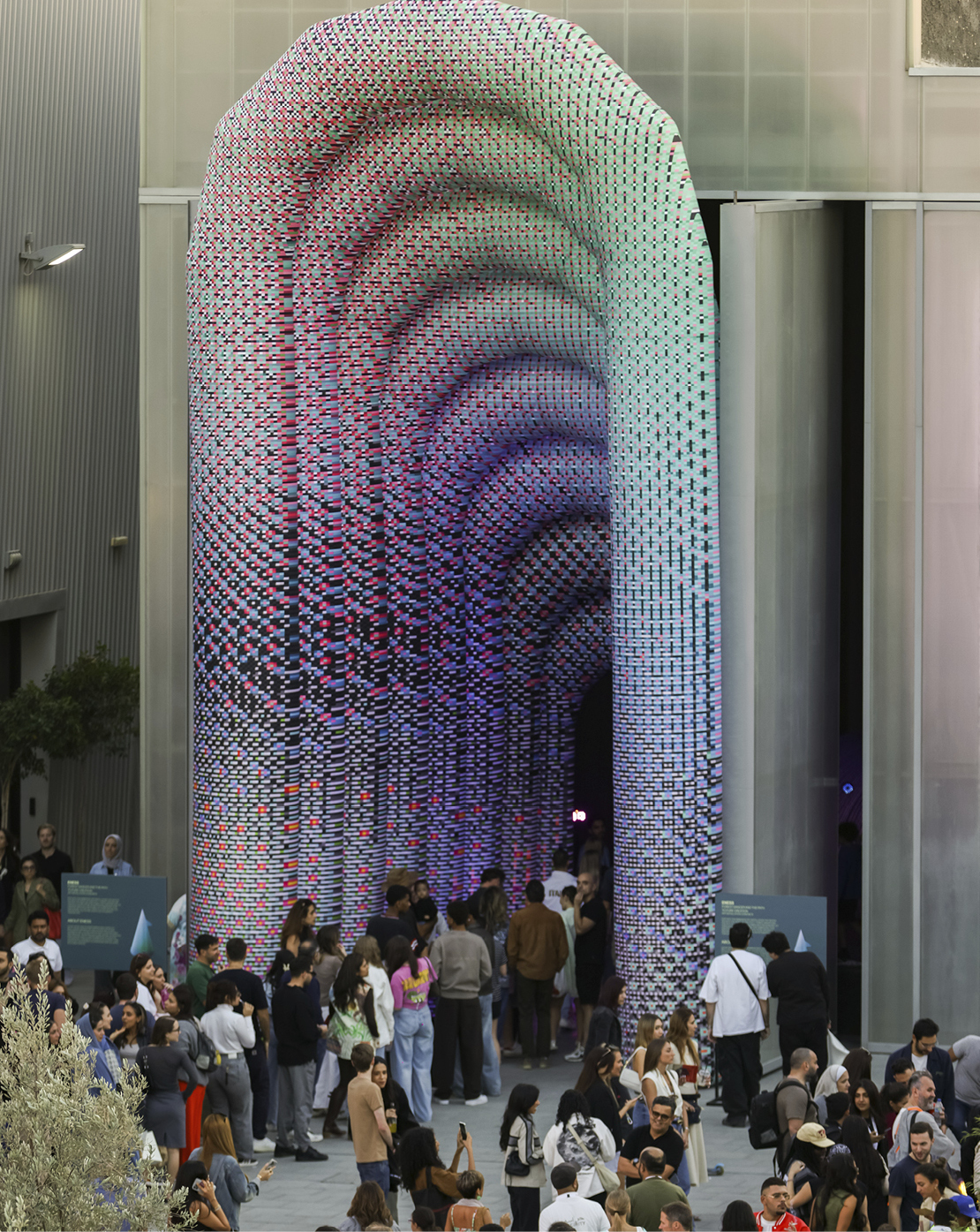
For Sofia Tkach, co-founder of Art Seeding Festival and Beyond Architecture Studio, Dubai’s future does not lie in replacing traditional galleries but in creating stronger connections among galleries, public spaces, and the city itself. “I believe standalone galleries will not change their structure or format at all, they will remain just as important and independent as they are now,” says Tkach. “However, most likely we will see more frequent collaborations and festivals bringing different galleries together, because this is how they can move beyond the format of private exhibitions and increasingly shape the city’s cultural identity in a visible, outward way.”
Her perspective reflects a broader shift currently underway across Dubai’s creative ecosystem. Rather than abandoning the traditional gallery model, the city is expanding it, allowing galleries, institutions, festivals, design platforms, and public initiatives to operate simultaneously within a larger cultural network. “I think both systems will develop fully in parallel,” Tkach explains. “Traditional galleries, solo exhibitions, and galleries divided by theme or artistic direction are still essential; they create structure, stability, and long-term representation for artists and collectors. At the same time, the creation of cultural ecosystems, sometimes merging, sometimes expanding, sometimes transforming, is exactly what drives a city forward.”
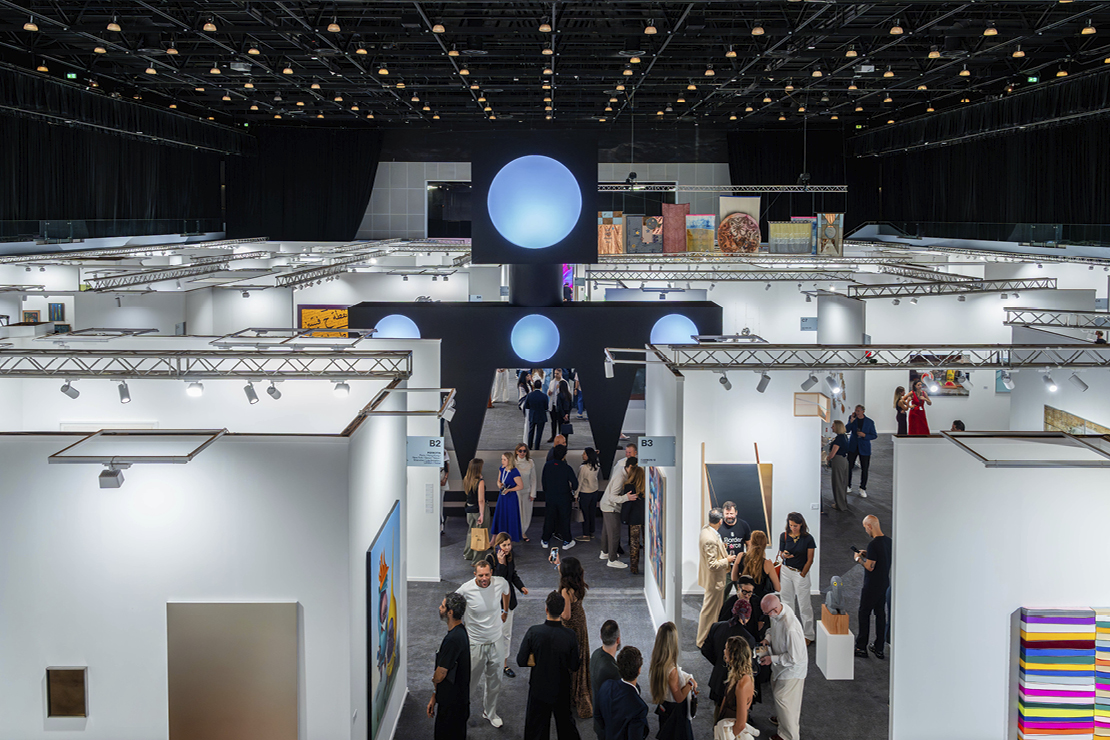
That idea may ultimately define Dubai’s greatest cultural advantage. Unlike older art capitals that often operate within fixed historical structures, Dubai’s ecosystem is still evolving in real time. This allows the city to test new models more freely and rethink how contemporary culture can exist within urban life itself. “When art enters public space and connects with design, architecture, and the community, it stops being something hidden behind walls and becomes a visible, living part of the urban environment,” says Tkach. “This ecosystem doesn’t replace galleries, but it strengthens their impact and helps shape the future cultural landscape.” In many ways, that philosophy captures the direction Dubai itself is moving toward: a city where culture is no longer confined to designated art spaces, but increasingly embedded into the identity and experience of the city as a whole.
A Cultural Ecosystem Still Being Written
What makes Dubai particularly exciting is that its cultural identity is still evolving. Unlike traditional art capitals, which often feel historically fixed, Dubai remains open-ended. The city is still defining what its long-term cultural legacy will become. That creates opportunity.
Young galleries can grow alongside the city itself. Independent spaces can still influence the direction of the ecosystem. Artists can experiment without being trapped by rigid expectations. Collectors can shape the market while it is still developing. In many ways, Dubai’s greatest advantage is that it does not yet carry the weight of tradition in the same way older capitals do. It offers prestige without rigidity, globalism without exclusivity and growth without limitation.
And in today’s rapidly changing art world, that combination may be exactly why Dubai is no longer simply participating in the global cultural conversation — but increasingly leading it.
By Nour Jarmakani