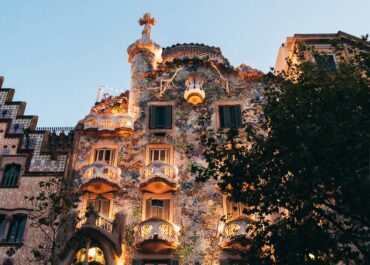

From the sun-drenched landscapes of Provence to the dramatic desert scenery of New Mexico, certain destinations have inspired artists to create some of the most celebrated works in history.
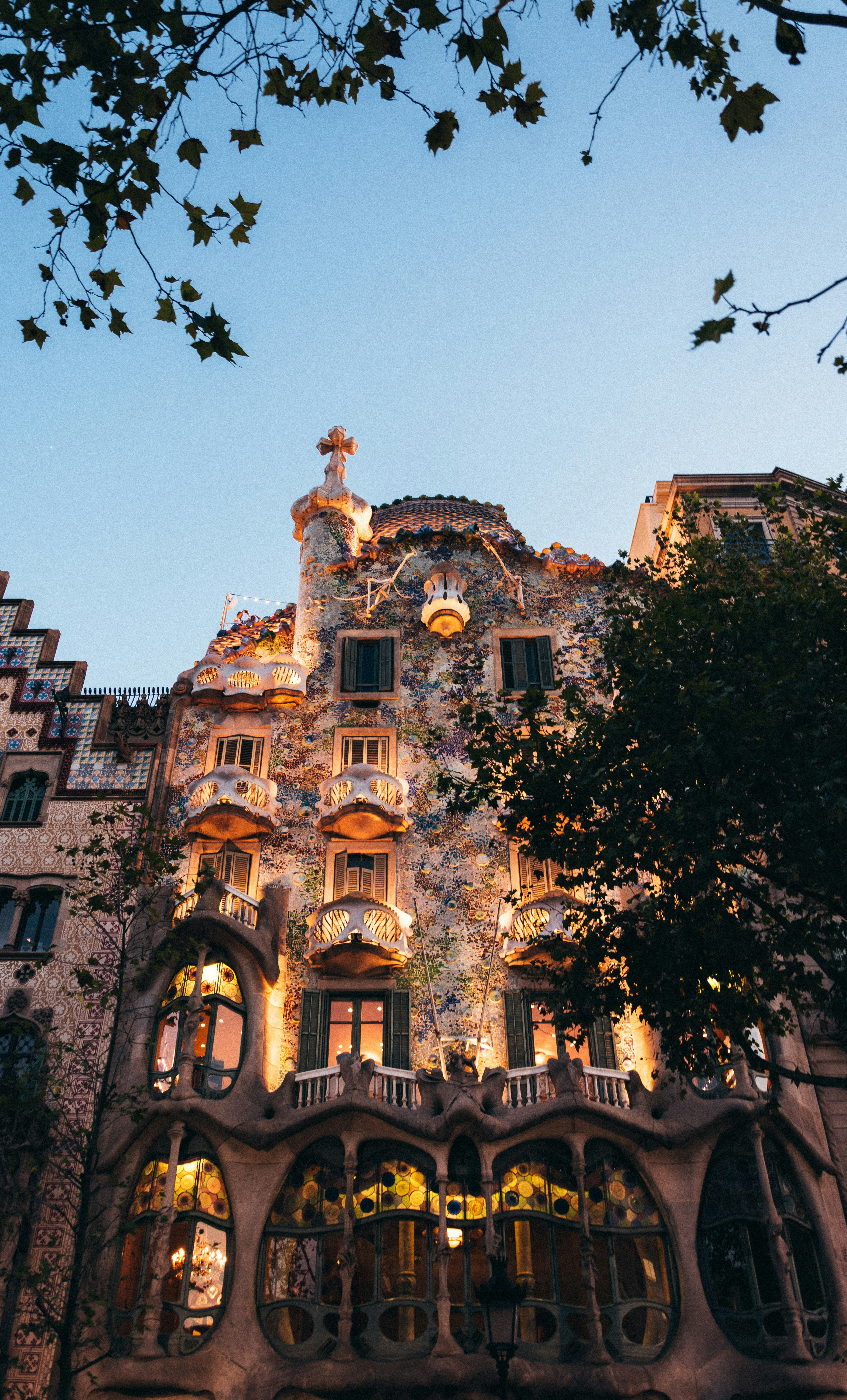
Whether it was the changing light, distinctive architecture or extraordinary natural surroundings, these places became more than just backdrops: they were central to the artists’ creative identities. For travellers looking to combine culture, history and beautiful scenery, here are five destinations worth discovering through the eyes of the artists who fell in love with them.
Arles, France – Vincent van Gogh
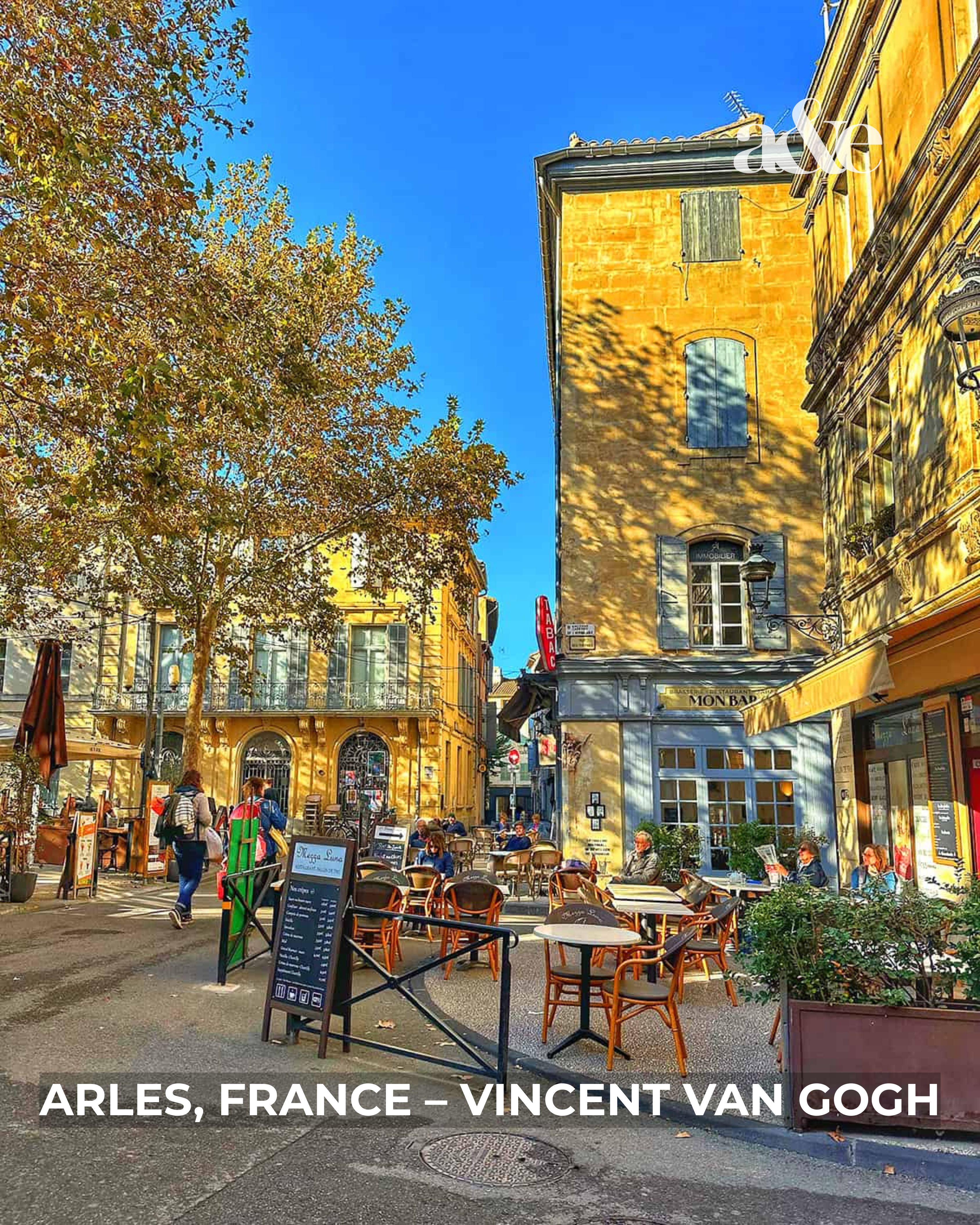
With its terracotta rooftops, Roman architecture and unmistakable Provençal light, Arles has long attracted artists and creative travellers. However, it was Vincent van Gogh who established its place in art history. Arriving in February 1888, the Dutch painter was drawn to the region’s vivid colours and bright Mediterranean sunlight, which offered a welcome change from Paris.
During the 15 months he spent in Arles, Van Gogh produced more than 300 paintings and drawings, including some of his most recognisable works. Café Terrace at Night, The Yellow House and Starry Night Over the Rhône all emerged during this remarkably productive period.
Visitors can follow a dedicated Van Gogh walking trail through the town, with marked locations identifying the viewpoints depicted in his paintings. Among the highlights are Place du Forum, where he painted his famous café scene, and the Rhône riverbanks, immortalised in one of his most atmospheric night-time compositions. The Fondation Vincent van Gogh Arles is another worthwhile stop, celebrating the artist’s enduring influence.
Barcelona, Spain – Pablo Picasso
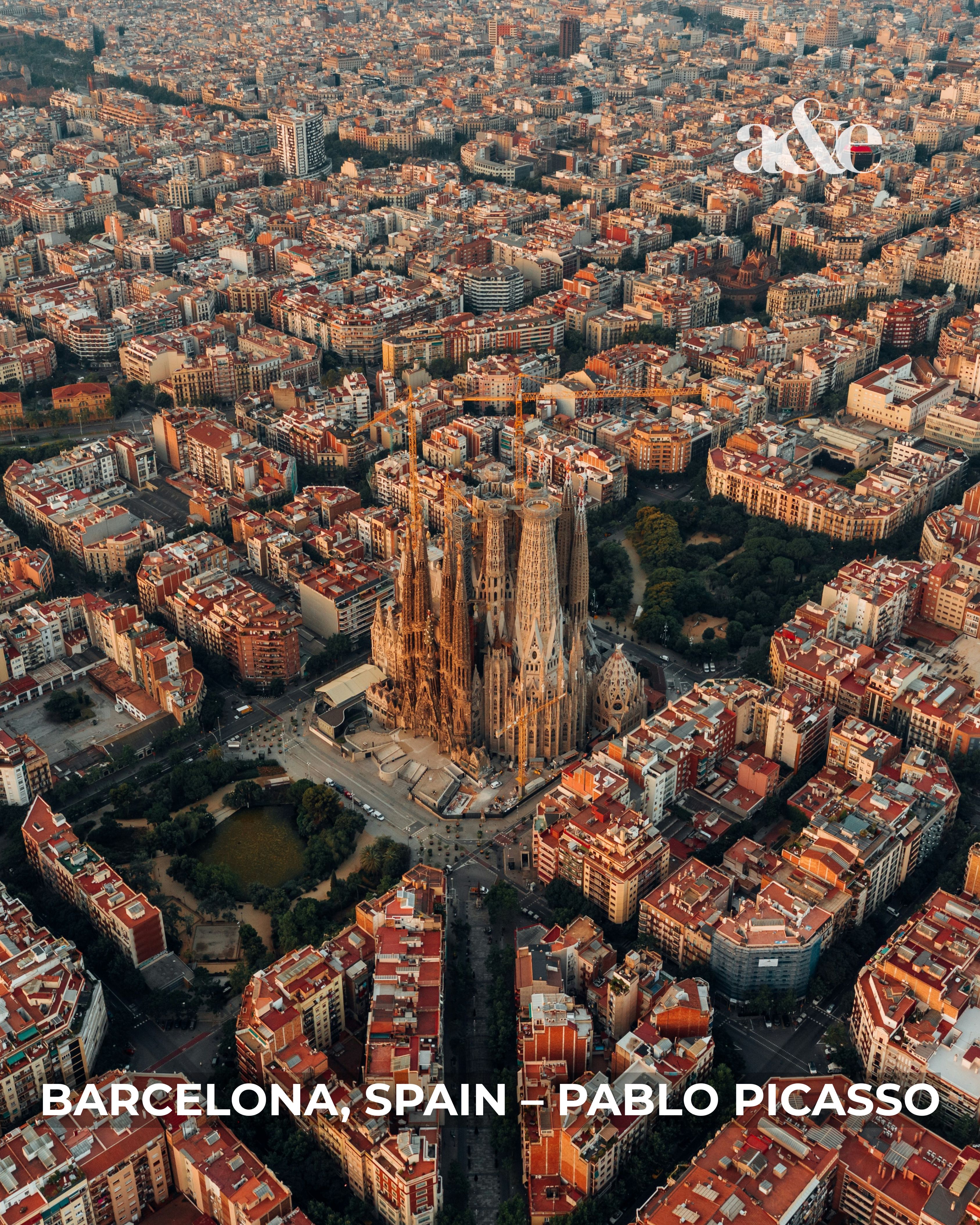
Barcelona played a formative role in the artistic development of Pablo Picasso, who moved to the Catalan capital with his family in 1895, aged 13. He spent much of his adolescence there, studying at the city’s art school and becoming immersed in its lively cultural and intellectual circles.
One of the most significant meeting places for the young artist was Els Quatre Gats, a café that attracted writers, painters and avant-garde thinkers. It was here that Picasso held his first solo exhibition in 1900, marking an important milestone in his emerging career.
Today, the Museu Picasso offers one of the most comprehensive insights into the artist’s early development, with a collection that traces his artistic evolution through more than 4,000 works. Housed across five interconnected medieval palaces in the El Born neighbourhood, the museum is itself a destination worth visiting. Beyond its galleries, Barcelona’s Gothic Quarter and historic streets offer an opportunity to explore the city that helped shape one of the most influential artists of the 20th century.
Venice, Italy – J.M.W. Turner
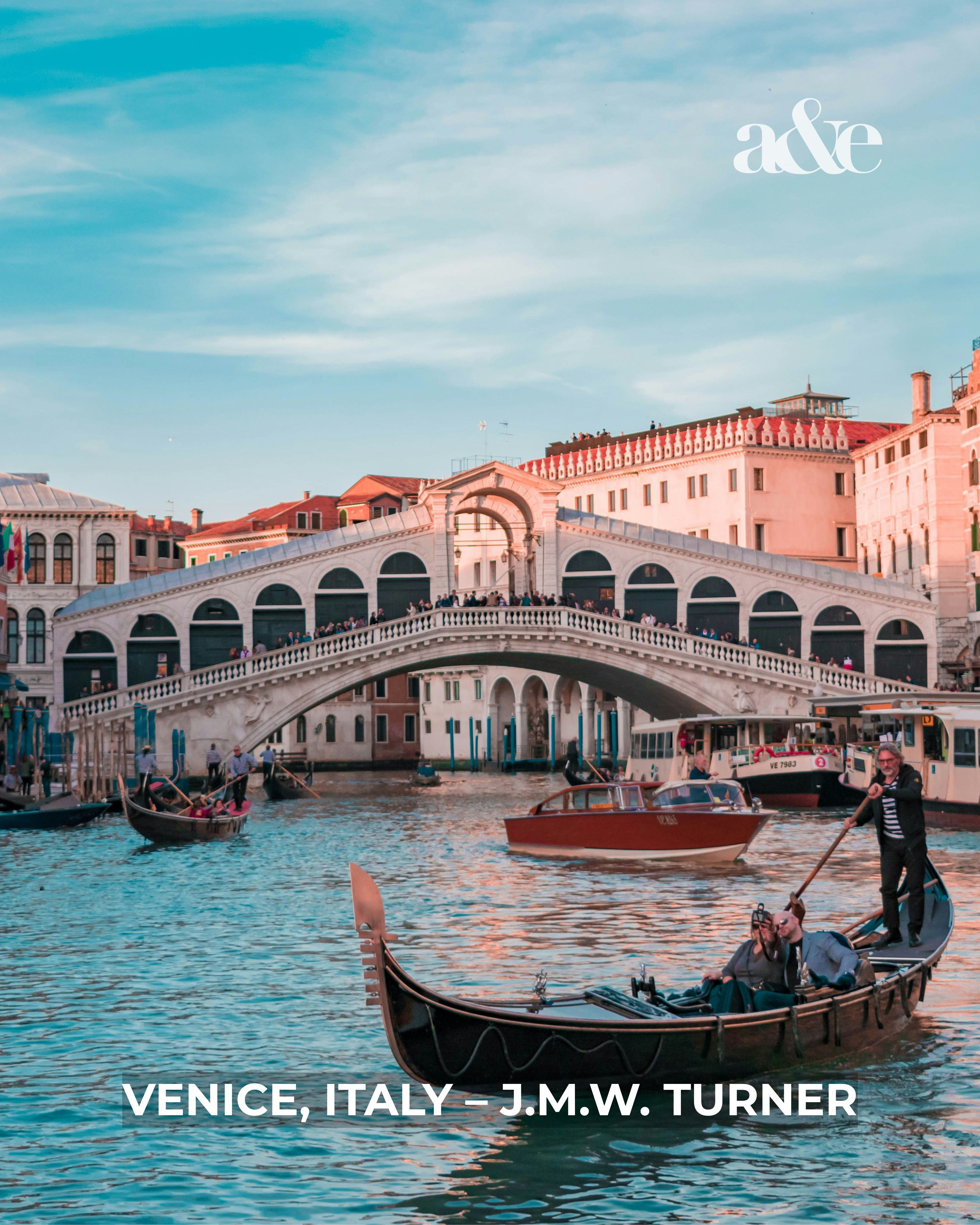
Few cities have inspired as many painters as Venice. Its grand palazzos, winding canals and constantly shifting reflections have made it a favourite subject for generations of artists, including British painter J.M.W. Turner and French Impressionist Claude Monet.
Turner visited Venice in the 19th century, capturing its atmospheric waterways and distinctive architecture through luminous watercolours and paintings. Monet, meanwhile, arrived in 1908, initially reluctant to visit a city he considered too frequently depicted by other artists. However, he quickly became captivated by its beauty, spending approximately ten weeks painting its landmarks and waterways. The trip resulted in 37 canvases, including views of the Grand Canal, Doge’s Palace and San Giorgio Maggiore.
For visitors, Venice offers countless opportunities to retrace these artistic footsteps. A journey along the Grand Canal provides views of the palazzos that inspired Monet, while the Peggy Guggenheim Collection and Gallerie dell’Accademia offer further insight into the city’s extraordinary artistic heritage.
New Mexico, USA – Georgia O’Keeffe
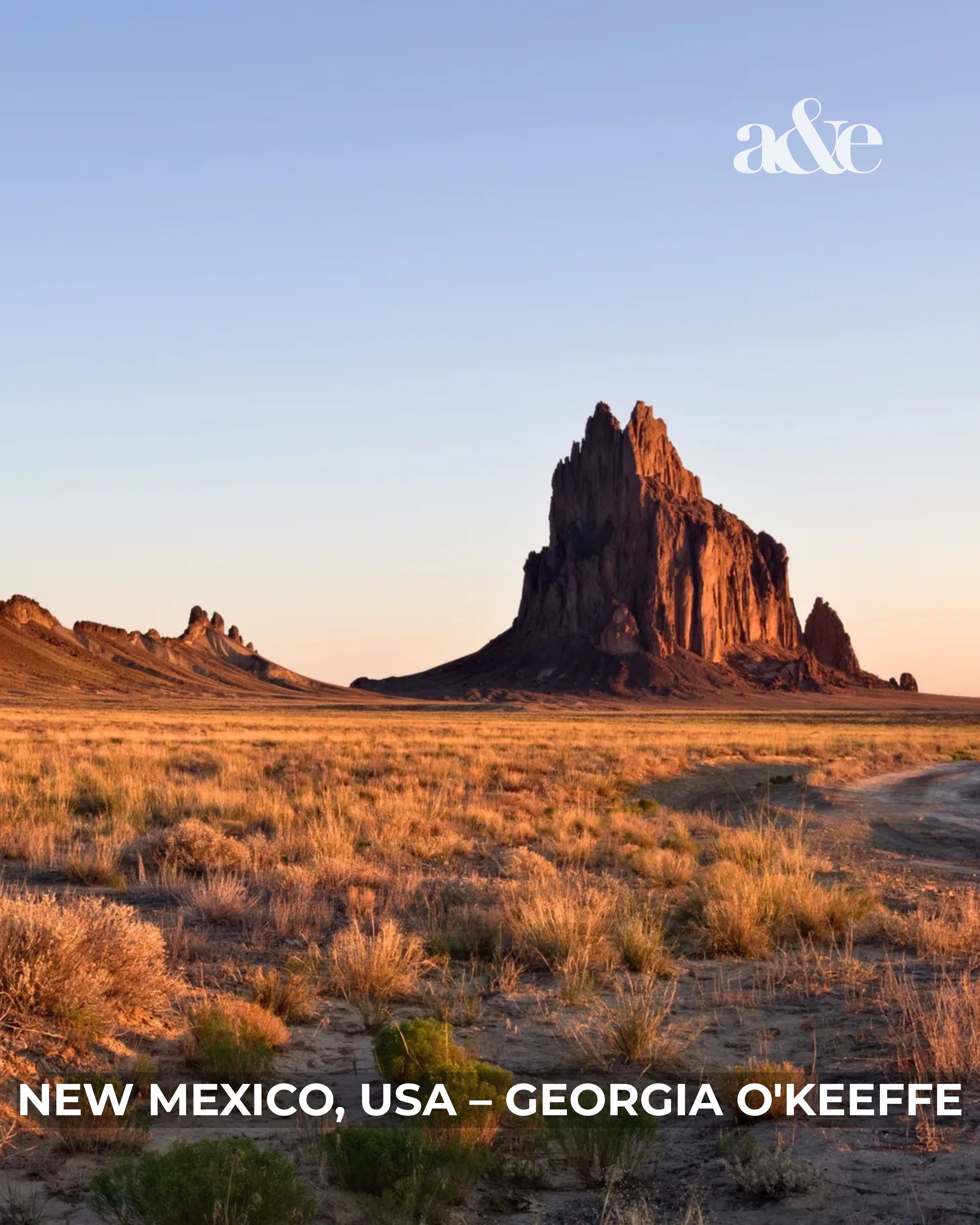
The dramatic landscapes of New Mexico became an enduring source of inspiration for American modernist Georgia O’Keeffe. First visiting the state in 1929, she was captivated by its vast desert scenery, unusual geological formations, vivid colours and extraordinary quality of light.
O’Keeffe returned repeatedly before eventually making New Mexico her permanent home in 1949. Among her favourite locations was Ghost Ranch, a remote property surrounded by striking red and yellow cliffs, expansive skies and distinctive rock formations. These landscapes became recurring subjects in her paintings, often depicted through bold compositions and an intensely personal interpretation of nature.
Today, visitors can explore the region that shaped much of her later career, including her former home and studio in Abiquiú, which is open for guided tours by advance reservation. The Georgia O’Keeffe Museum in nearby Santa Fe also houses an extensive collection of her work. For travellers seeking something beyond the traditional European art trail, New Mexico offers an extraordinary combination of natural beauty and modern artistic history.
Giverny, France – Claude Monet
Few destinations are as closely associated with an artist as Giverny is with Claude Monet. Located in Normandy, approximately 75 kilometres from Paris, the picturesque village became the Impressionist painter’s home in 1883. Over the following four decades, Monet transformed his property into an extraordinary garden, carefully arranging its flowerbeds, Japanese bridge and water lily pond to create a living work of art.
It was these surroundings that inspired his celebrated Water Lilies series, comprising approximately 250 paintings created between 1897 and 1926. Today, visitors can explore Monet’s former home and gardens, including the famous green bridge and tranquil pond that became defining subjects of his work. The nearby Musée des Impressionnismes also offers further insight into the artistic movement that made the village famous. For anyone interested in Impressionism, Giverny provides a rare opportunity to experience the landscapes that inspired it firsthand.