
For more than 150 years, Piaget has been one of the world’s most unique watchmakers. Blurring the lines between the precision of watchmaking and the expressive language of high jewellery. While many maisons define themselves through technical achievement alone, Piaget has long embraced something more emotional and artistic, building a universe shaped by colour, ornamental stones, sculptural forms and an enduring sense of freedom. From the bold experimentation of the 1960s and 70s to today’s contemporary reinterpretations, the Maison continues to blur the boundaries between timepiece and jewel, balancing heritage with a distinctly modern spirit.

This year at Watches & Wonders, Piaget once again returned to the codes that have defined its identity for decades. Through vibrant ornamental stones, expressive sautoir watches and the continued evolution of collections such as Swinging Pebbles and Sixtie, the Maison reaffirmed its belief that watchmaking can be both technically rigorous and deeply creative. At the centre of this vision is Benjamin Comar, Chief Executive Officer of Piaget, who continues to guide the Maison through a new chapter rooted in craftsmanship, authenticity and the enduring appeal of the “Art of Colour.” Here, he reflects on Piaget’s evolving identity, the importance of artistic expression in contemporary watchmaking and why the Maison’s archival designs continue to resonate so strongly with a new generation of collectors.
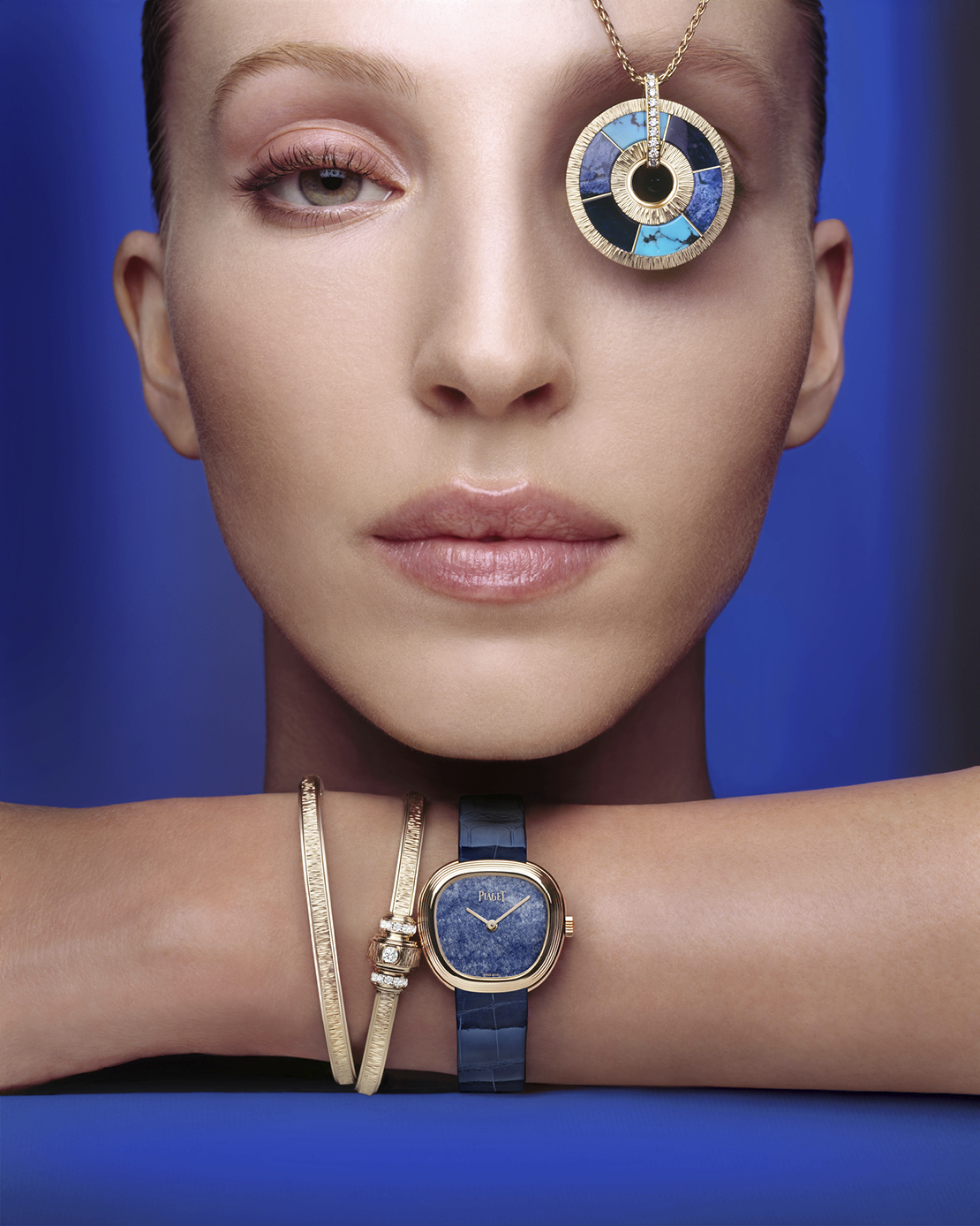
Piaget has always blurred the boundaries between jewellery and watchmaking. How does this philosophy continue to shape the Maison today?
Historically, we are watchmakers who became jewellers. This allows the Maison to combine the meticulous precision of horology with the boundless creativity of fine jewellery. Landmark innovations, such as the ultra-thin 9P and 12P movements introduced in 1957 and 1960, were pivotal. These technical advancements empowered our artisans to push design boundaries, notably by integrating exquisite ornamental stones into watch dials. This exemplifies Piaget’s enduring philosophy that technics always serve aesthetics. As Mr Piaget himself famously stated, “A Piaget watch is first and foremost a piece of jewellery.” This commitment to authenticity and exceptional craftsmanship resonates deeply with today’s discerning clientele, defining the very essence of Piaget.
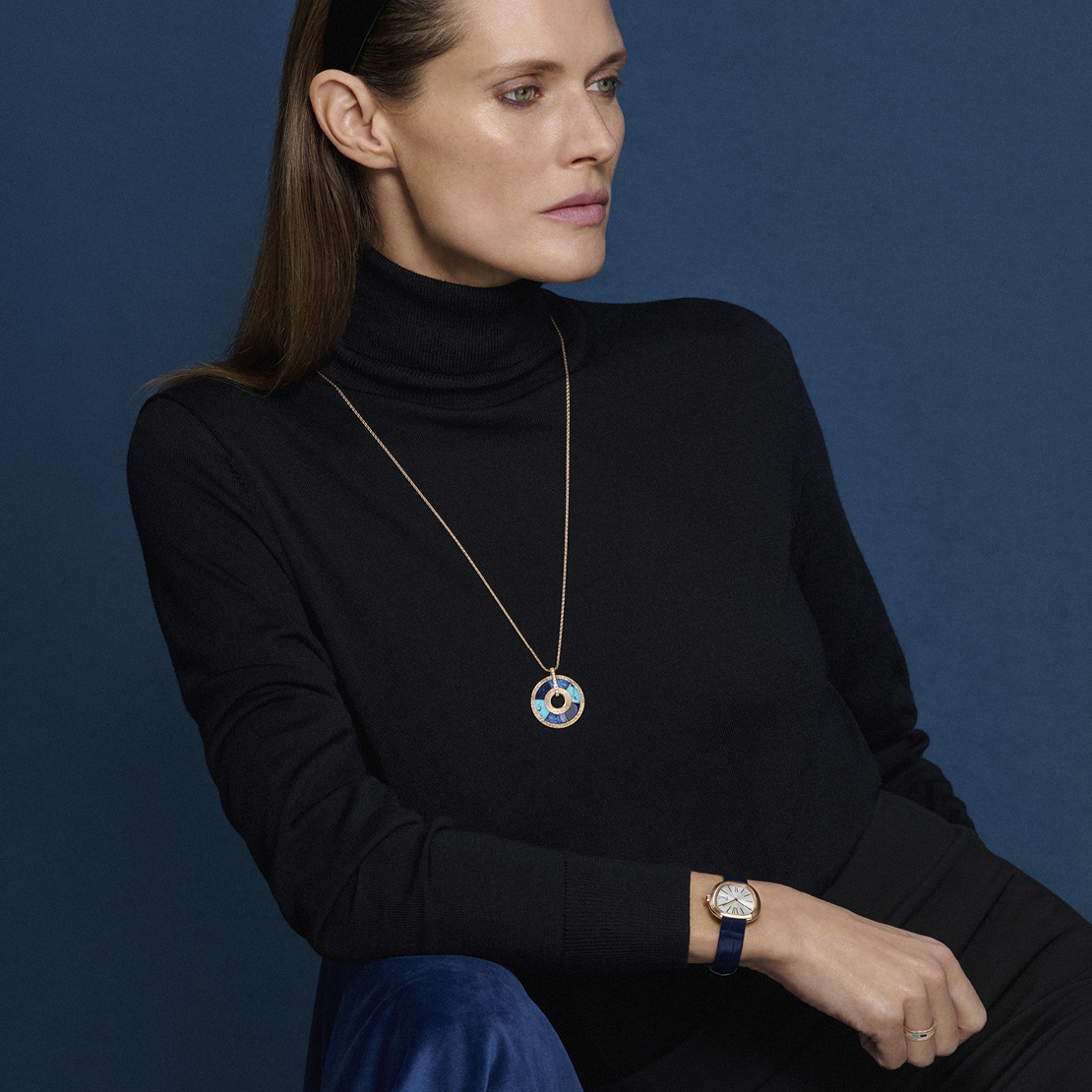
This year’s Watches & Wonders novelties place a strong emphasis on ornamental stones and expressive design. Why was this the right moment to revisit this part of Piaget’s heritage?
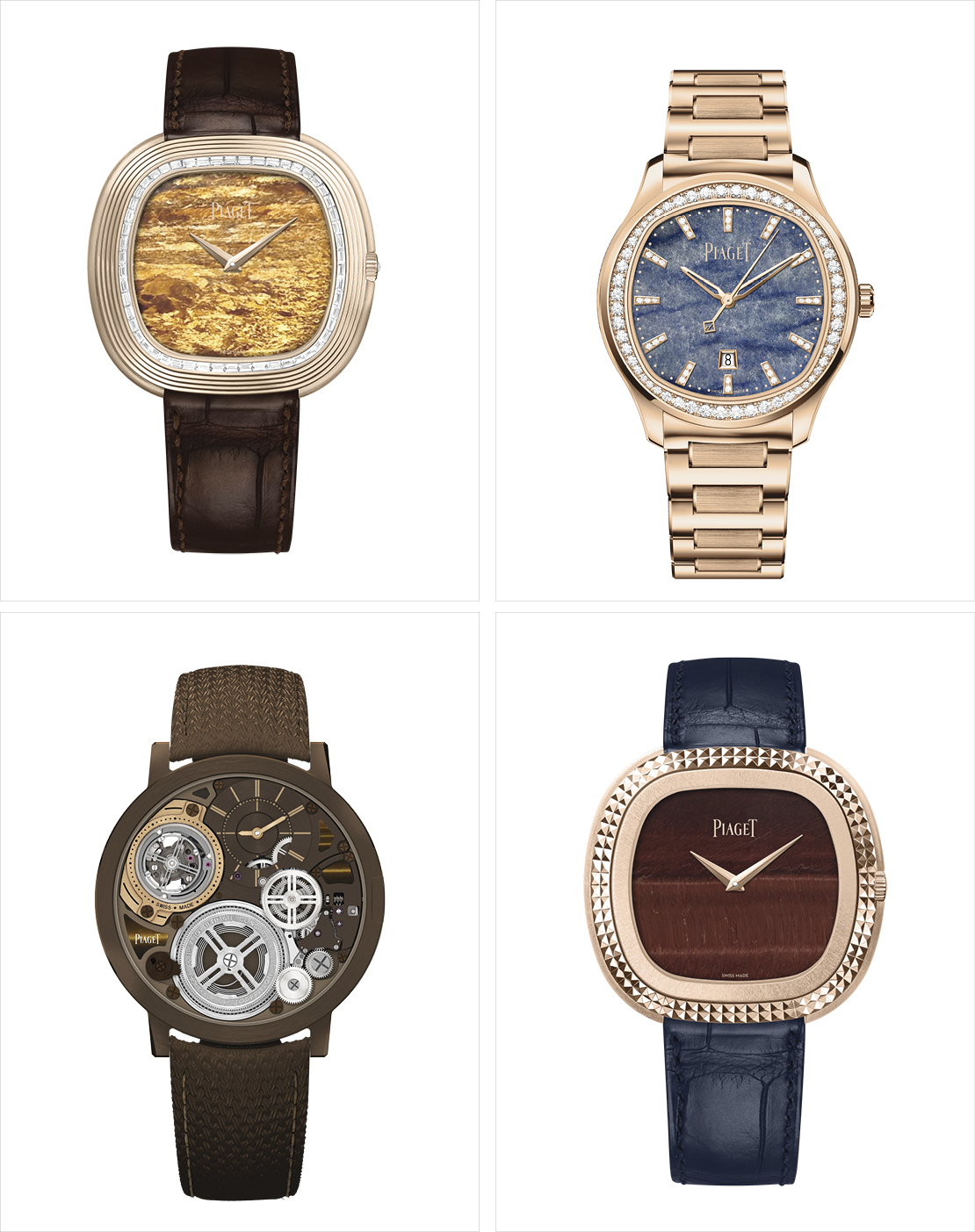
Since 1963, our Maison has been renowned for its audacious embrace of colour, a hallmark of the concept of “Extraleganza”, by daring to adorn watch dials with vibrant ornamental stones. This year, we wanted to delve deeper into our rich heritage, forging a powerful connection between past and present to rekindle the creative spirit of timeless modernity. This year marks a magnificent reawakening of the “Art of Colour,” as we explore new and captivating varieties of ornamental stones, presented with characteristic boldness across its latest timepieces.
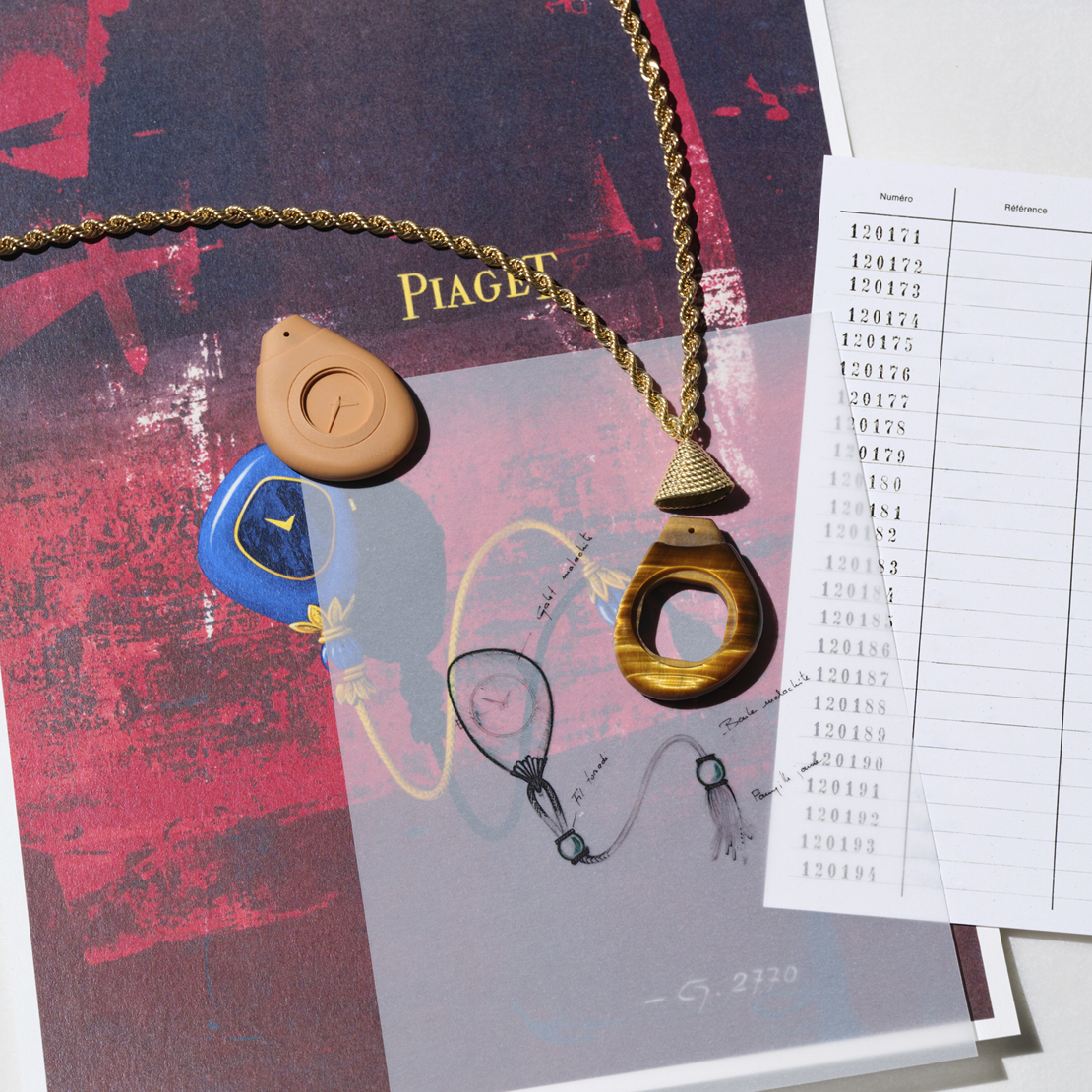
The new Swinging Pebbles pieces feel incredibly connected to the spirit of the 1960s and 70s. What drew the Maison back to the idea of the sautoir watch today?
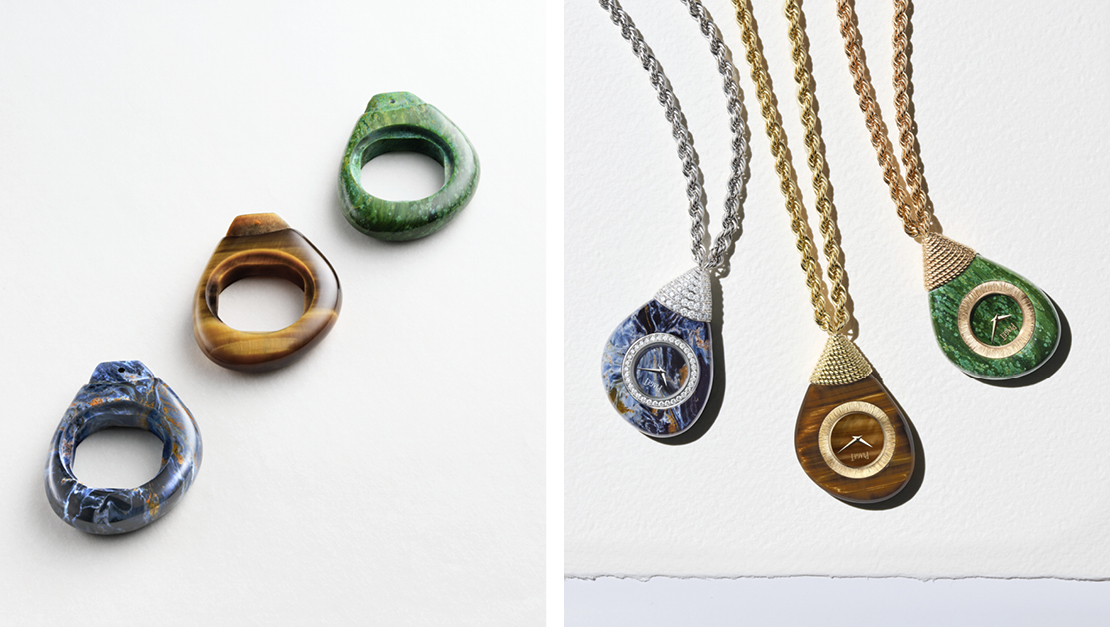
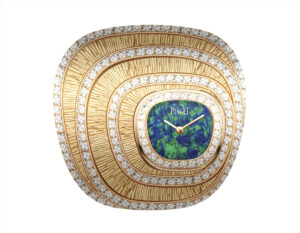
We are thrilled to unveil a contemporary reinterpretation of Piaget’s iconic design heritage: the “Swinging Pebbles” Watch Swinging Sautoir. This innovative piece draws inspiration from the bespoke “Kimono pocket watch” first introduced in the 1970s, embodying a design that is both organically fluid and boldly disruptive.
The sautoir is offered in three exquisite ornamental stones – pietersite, verdite, and tiger’s eye – each showcasing an incredible feat of craftsmanship. Our artisans meticulously carve out each individual stone to house the watch, then ingeniously transform the carved-out section into the watch’s dial. This intricate process highlights our dedication to creating truly exceptional pieces, all while remaining profoundly true to Piaget’s distinctive DNA.
Piaget has long described itself through concepts such as movement, freedom and artistry rather than pure technicality. How do you balance emotional storytelling with serious watchmaking expertise?
At Piaget, we craft gold, we celebrate colours, and we play with shapes while producing ultra-thin movements. Piaget can be seen as a niche Maison with a certain duality: the elegance within the extragavance, the technical expertise within the creative vision. This foundational principle has been a guiding force from the very beginning, continually inspiring our creative studio to push the boundaries of horological artistry.
The exceptional thinness of our movements has historically empowered us to explore daring and innovative designs, most notably through the integration of exquisite ornamental stones on watch dials.
The Sixtie collection has quickly become one of the Maison’s most distinctive modern launches. What do you think it represents for Piaget’s future?
To me, it represents how seamlessly the past, present and future blend together at Piaget. The trapeze form of the Sixtie takes its inspiration from the 21st Century Collection unveiled in 1969, where the Piaget family redefined the way of reading time. When the design studio saw the Watch Sautoirs and Cuffs in the archives, they knew they had to do something and so the watch became a jewel on the wrist – an homage to our heritage while embracing modernity.
How do younger luxury clients respond to Piaget’s more artistic and expressive approach to watchmaking?
I believe that nowadays, with everything that exist on the market, customers expect Maisons with heritage to be authentic. By staying true to ourselves while putting the customer at the heart of what we do, we engage better with new voices.
Piaget’s archival designs still feel remarkably contemporary. Why do you think the Maison’s design language has aged so well?
Probably due to the fact that Piaget was incredibly avant-garde in the 1970s, always focusing on what has never been done before. Valentin and Gérald Piaget, the third generation of the family, imagined new ways of reading time by sending the design studio to fashion shows in Paris and have they draw jewellery and watches directly on the pages of fashion magazines.
How important is craftsmanship to Piaget at a time when so much luxury production is becoming increasingly industrialised?
Our craftsmanship is rooted in a century of unparalleled expertise in ultra-thin watchmaking, masterful goldsmithing, and meticulous gem-setting. This profound heritage defines our philosophy of excellence. Concurrently, we are dedicated to ongoing innovation, both through technical advancements and by pushing the limits of artistic expression. Each piece we create is regarded as a unique work of art, reflecting our unwavering commitment to perfection and creative ingenuity.
The Middle East has long appreciated high jewellery, craftsmanship and bold design. How important is this region for Piaget today?
The Middle East has indeed a long-standing appreciation for exquisite crafts, art, and particularly the allure of gold and gemstones – elements central to Piaget’s aesthetic as the “house of gold and ornamental stones.” To us, the region is a leading luxury retail hub, making it an ideal setting to experience and showcase beauty.
Piaget has a very emotional and lifestyle-driven identity compared to some more technical watch brands. How do you continue building that emotional connection with clients globally?
Piaget is per se an emotional Maison defined by the art of ultra-thinness, the art of colour, the shapes within the shapes and the unusual way of crafting gold. We keep following our founder’s motto “always do better than necessary”, which means that we keep pushing technical boundaries to create exceptional designs.
Beyond the novelties revealed at Watches & Wonders, what are some of the Maison’s key areas of focus for the rest of 2026?
In June, we’ll present our high jewellery collection – which is, to me, the aspirational pinnacle and creative laboratory for Piaget. It’s the ultimate expression of the Maison’s identity. Form and colours have always been a playground for our artisans.
Looking ahead, how do you see Piaget continuing to evolve while still remaining true to its creative spirit established during the Maison’s golden era in the 1960s and 70s?
At Piaget, our core identity is rooted in honoring our heritage: we are committed to exploring our origins and celebrating our roots, consciously avoiding mere reproduction. We identify and extract emblematic elements from our past – such as the gadroons – and boldly reinterpret them through a contemporary lens.
By Lindsay Judge