
At Watches & Wonders 2026, ZENITH presented a collection of launches that reaffirmed the Manufacture’s long-standing focus on chronograph innovation and precision watchmaking. From new interpretations of the CHRONOMASTER Sport to the continued evolution of the G.F.J. collection, the latest releases reflected a brand balancing technical heritage with a distinctly modern perspective on contemporary horology.
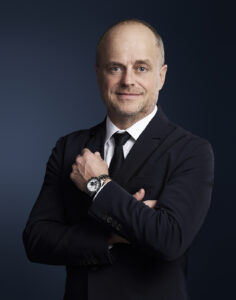
Since taking over as CEO two years ago, Benoit De Clerck has focused on sharpening ZENITH’s identity around what has always defined the Maison: movement expertise, mechanical legitimacy and a deep-rooted culture of chronometry. At a time when collectors are increasingly drawn to watches with authenticity, substance and strong historical foundations, the Manufacture continues to build on the legacy of iconic calibres such as the El Primero while ensuring they remain relevant for today’s market.
Here, De Clerck discusses this year’s launches, the emotional connection collectors continue to have with heritage references, the growing importance of the Middle East market, and how ZENITH is evolving while remaining true to its core watchmaking philosophy.
Watches & Wonders 2026 marked another major moment for ZENITH. How would you describe this year’s launches and what they represent for the brand today?
Watches & Wonders 2026 was a very clear statement of what ZENITH is today. Beyond the launches themselves, this year reaffirmed the two territories that have shaped the Manufacture from the beginning: chronograph and chronometry.
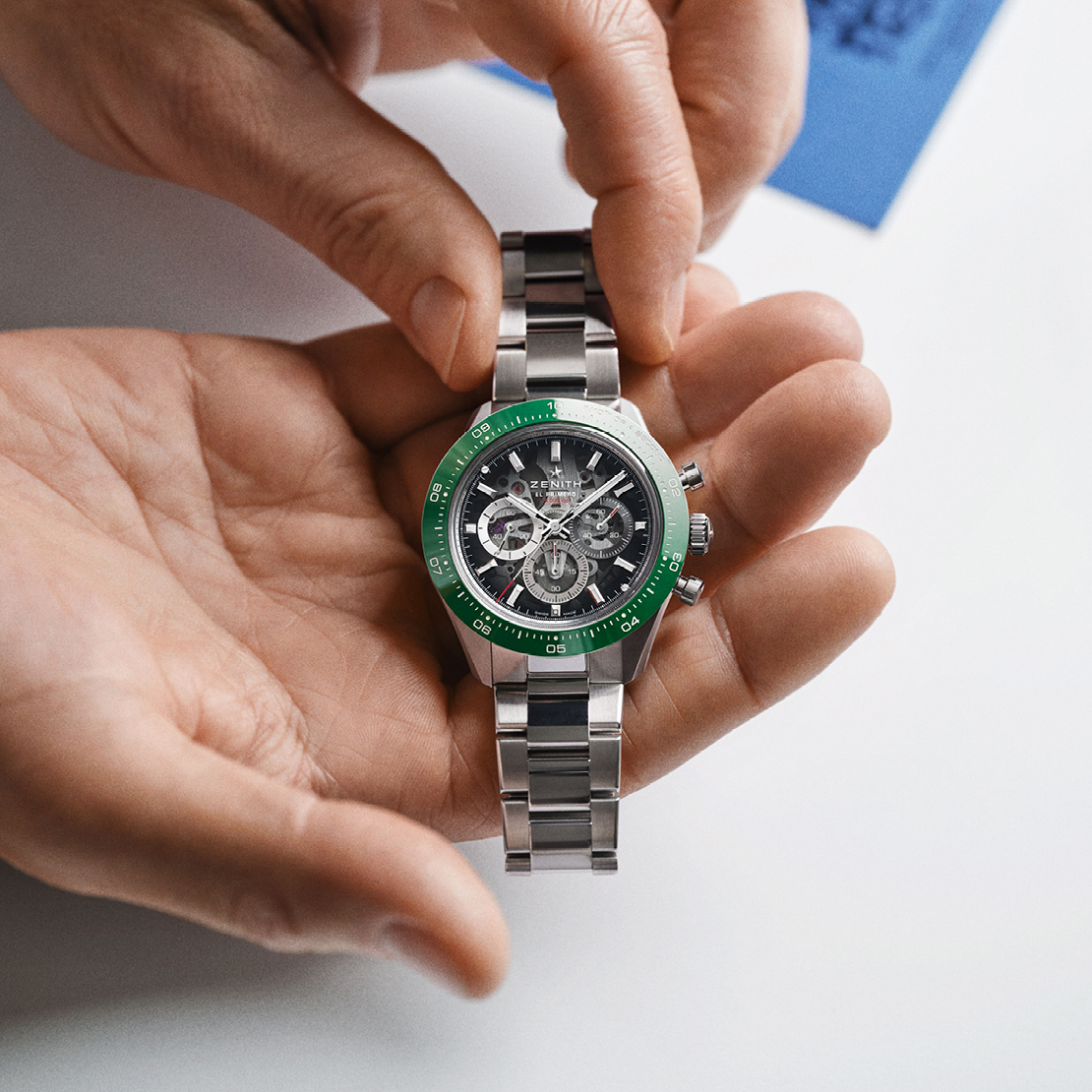
On one side, the El Primero remains the backbone of our chronograph identity. More than 55 years after its launch, it remains one of the most distinctive and technically relevant chronograph movements in the industry. The CHRONOMASTER Sport Skeleton and the latest CHRONOMASTER Sport executions show that this calibre continues to evolve without losing its original purpose or character.
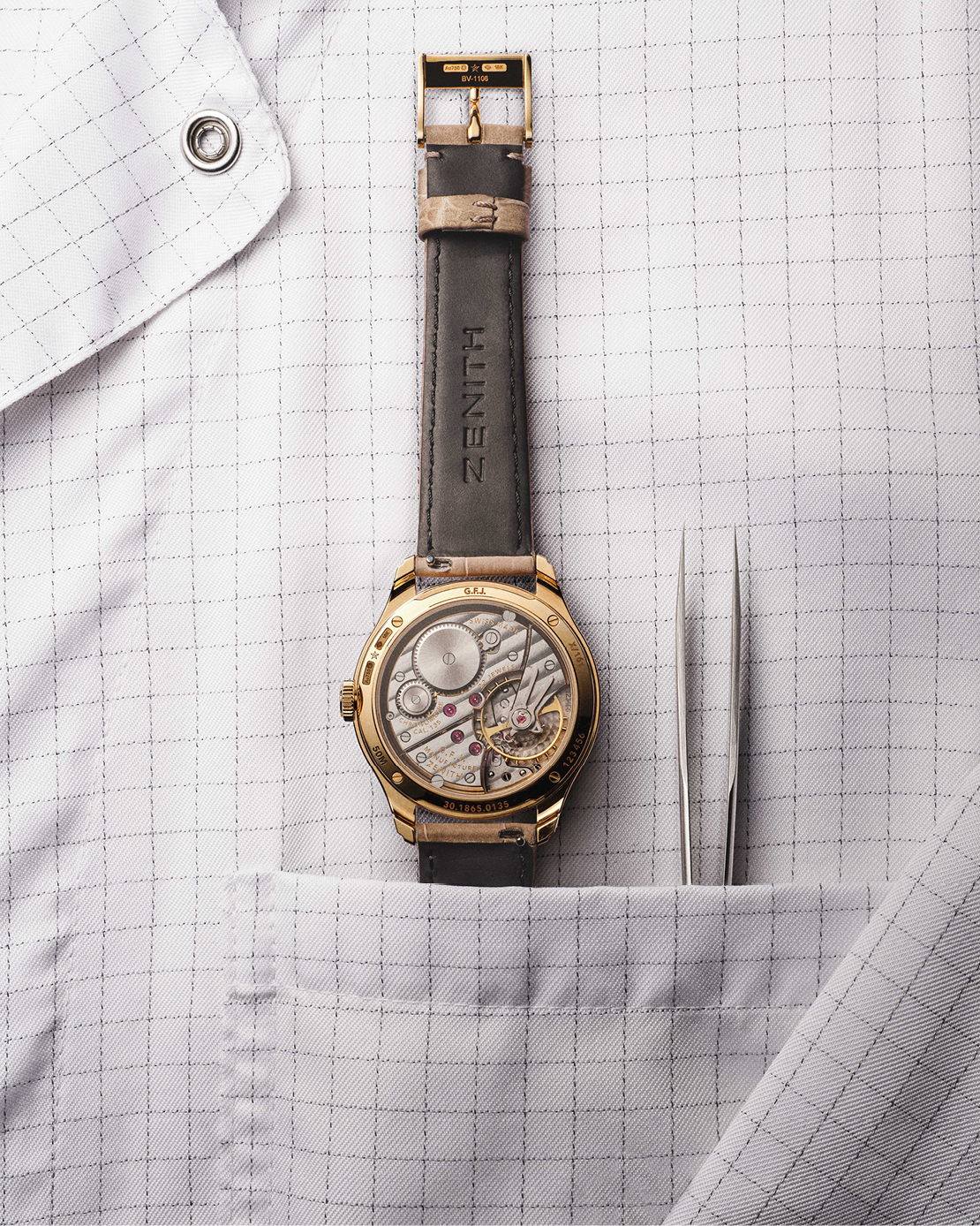
On the other side, the new G.F.J. pieces reaffirm our chronometry heritage through the Calibre 135, one of the most awarded observatory movements ever produced. For us, this is not about nostalgia or reissuing the past. It is about continuing a culture of precision that has always been central to ZENITH.
What these launches ultimately reflect is a Manufacture with a very clear identity and a very clear point of view: precision, mechanical substance and movement legitimacy remain at the heart of everything we do.
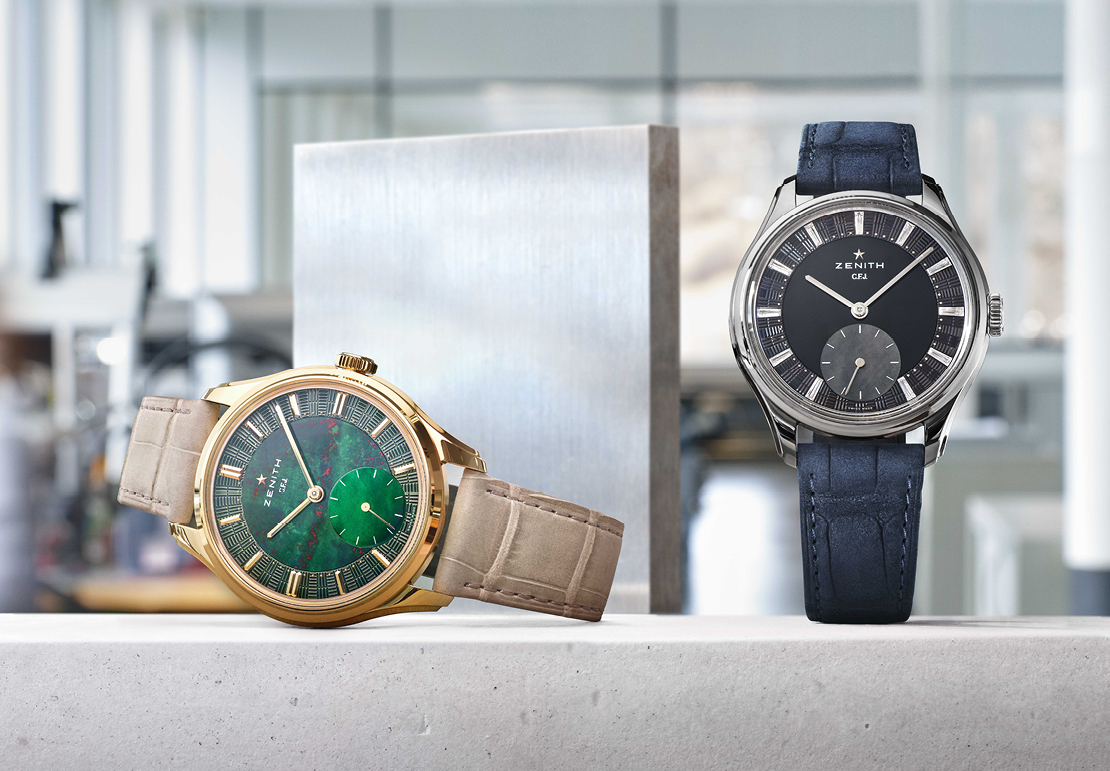
The G.F.J. collection feels deeply connected to ZENITH’s chronometry heritage and founder Georges Favre-Jacot. Why was it important to continue evolving this line following its award-winning debut?
The G.F.J. was never conceived as a commemorative exercise or a limited anniversary project. From the beginning, the ambition was to establish a contemporary home for the Calibre 135 and to reconnect ZENITH with a very important part of its identity: chronometry. The award at the GPHG naturally validated the relevance of that direction, but, more importantly, it confirmed that collectors today remain deeply receptive to watches rooted in genuine watchmaking heritage. Continuing the collection was therefore very natural. The Calibre 135 is one of the greatest movements ever produced by the Manufacture and probably one of the most important observatory calibres in the history of Swiss watchmaking. It deserves to live beyond a single release.
The CHRONOMASTER Sport continues to evolve while remaining rooted in the El Primero legacy. What inspired the introduction of the new steel-and-rose-gold edition this year?
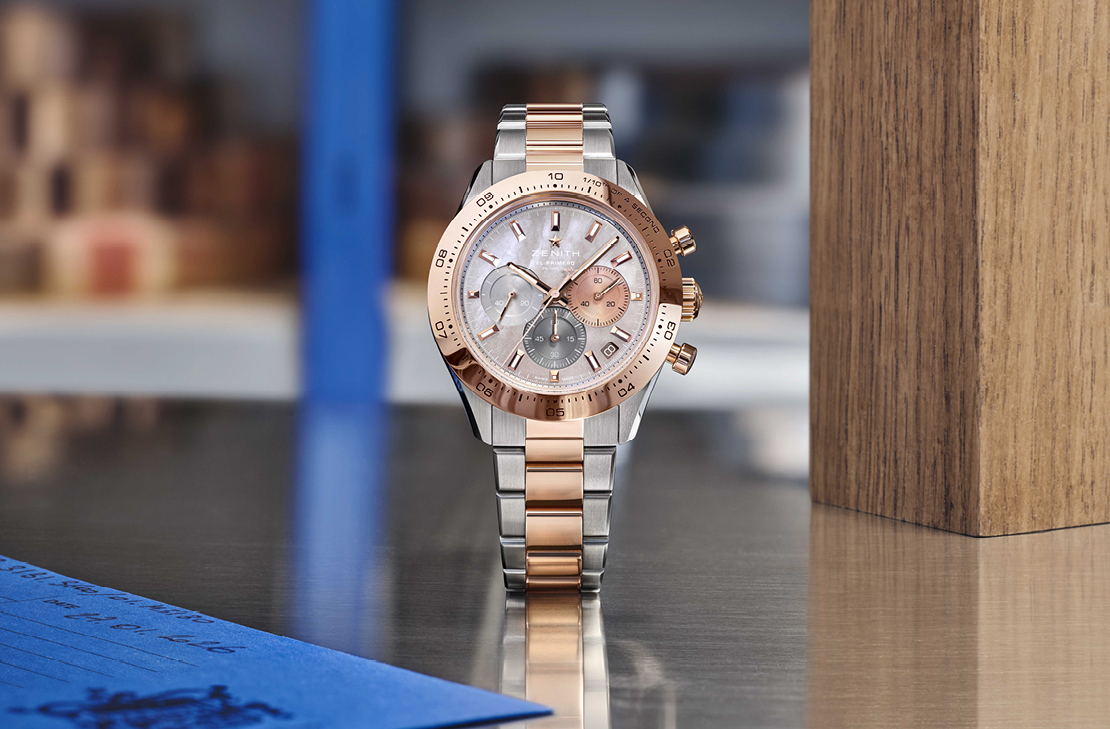
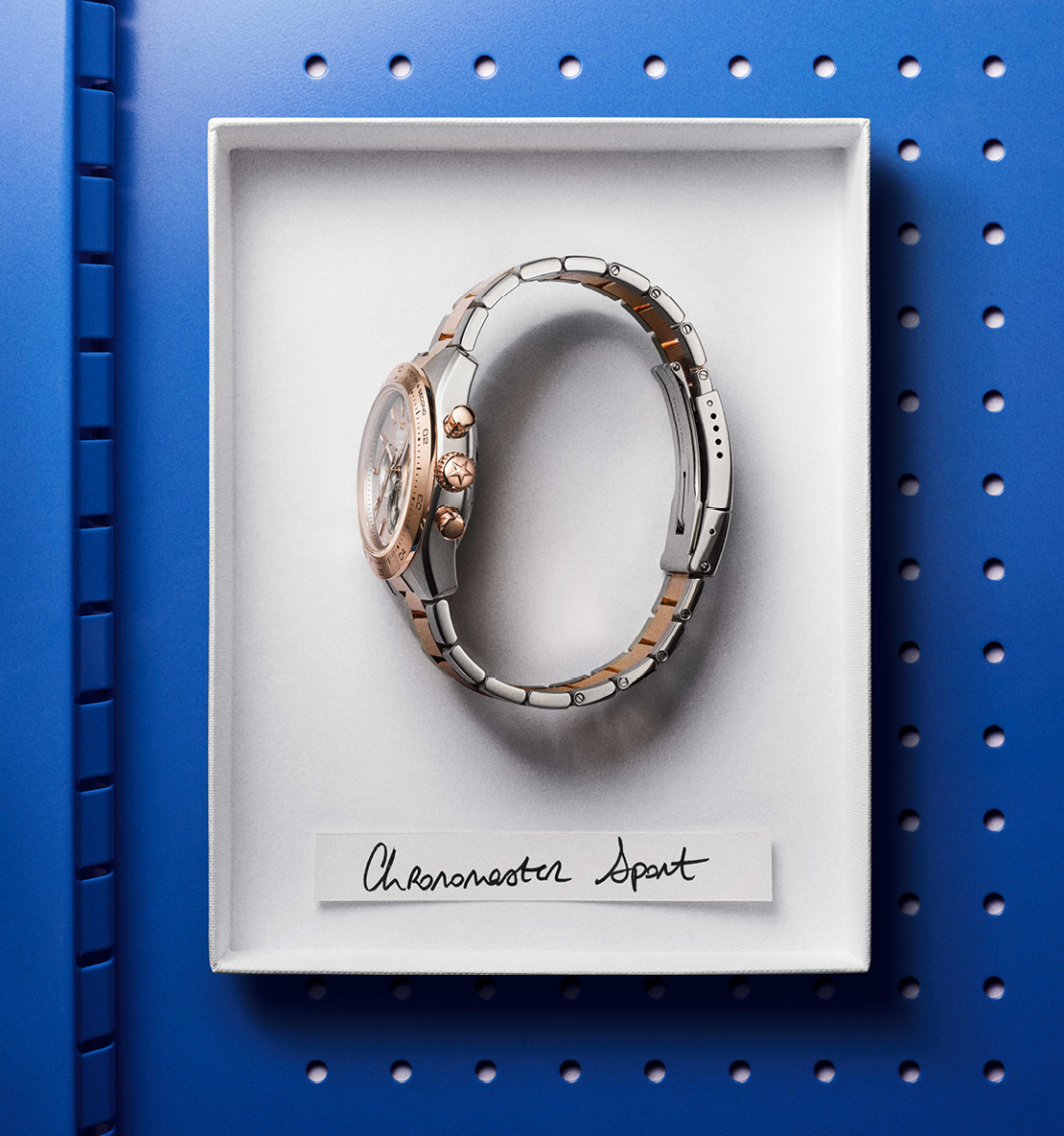
The CHRONOMASTER Sport is one of the purest expressions of the El Primero today. Its identity is rooted in performance, precision, and a very distinctive chronograph architecture. With this new steel-and-rose-gold execution, the intention was to expand the watch’s versatility without compromising that identity. The two-tone construction, the mother-of-pearl dial, and the warmer tonalities bring a more refined dimension to the piece, but the technical foundation remains entirely unchanged. At its core, it is still a high-frequency El Primero chronograph built around the same level of mechanical intensity and precision. What interested us was precisely this balance: a watch capable of moving more naturally across different contexts while retaining the strong character that defines the CHRONOMASTER Sport.
The new CHRONOMASTER Sport Skeleton reveals the movement in a far more architectural way. Why do you think collectors today are increasingly drawn to open-worked watchmaking?
Collectors today are increasingly interested in the mechanics themselves. They want to understand how a watch is built, how a movement functions, and what gives it legitimacy beyond the dial. For us, skeletonization only has meaning if it reveals something mechanically interesting. The CHRONOMASTER Sport Skeleton was never intended as a stylistic exercise. Its purpose is to expose the architecture and the energy of the El Primero in a much more direct way.
The El Primero is an extremely expressive calibre by nature: high frequency, visible chronograph construction, constant motion. Opening the movement simply makes that mechanical intensity fully visible. More broadly, I think collectors today value transparency and true horological substance. Openworked watchmaking leaves no room for approximation, the movement, the finishing, and the construction are all exposed. For a Manufacture like ZENITH, that feels completely coherent with who we are.
ZENITH also revisited one of its most recognisable historical references with the CHRONOMASTER Revival A384 Tropical. What makes the A384 such an enduring icon for the Maison?
The A384 is one of the purest expressions of ZENITH during the El Primero era. When it launched in 1969, the design was radical: the tonneau case, the sharp lines, the ladder bracelet, the very graphic dial. It had a real personality. What is interesting is that it still feels incredibly modern today. Not because it was trying to be fashionable, but because it was designed with a very functional and coherent approach from the beginning. With the Tropical edition, we wanted to reconnect with that atmosphere collectors love: the warmth, the patina, the feeling of a watch that has lived. That emotional dimension is a major reason the A384 remains such an important reference for our Manufacture.
Vintage-inspired watchmaking continues to resonate strongly across the industry. Why do you think collectors remain so emotionally connected to heritage references and archival storytelling?
Because heritage creates an emotional connection that feels genuine. When collectors look at a historical reference, they are responding not only to the design of the watch itself but also to what it represents within the history of a Manufacture and within watchmaking more broadly. At ZENITH, we explore this very directly through the Revival collection. What makes Revival interesting is that we are not loosely “inspired” by vintage watches; we recreate some of our most emblematic references with an extremely high level of fidelity to the originals. There is a real respect for the proportions, construction, details, and overall spirit of the watch. I think collectors respond to that honesty. They appreciate when heritage is treated seriously, not as a marketing exercise. But at the same time, these pieces still need to feel relevant and desirable today. That balance is essential.
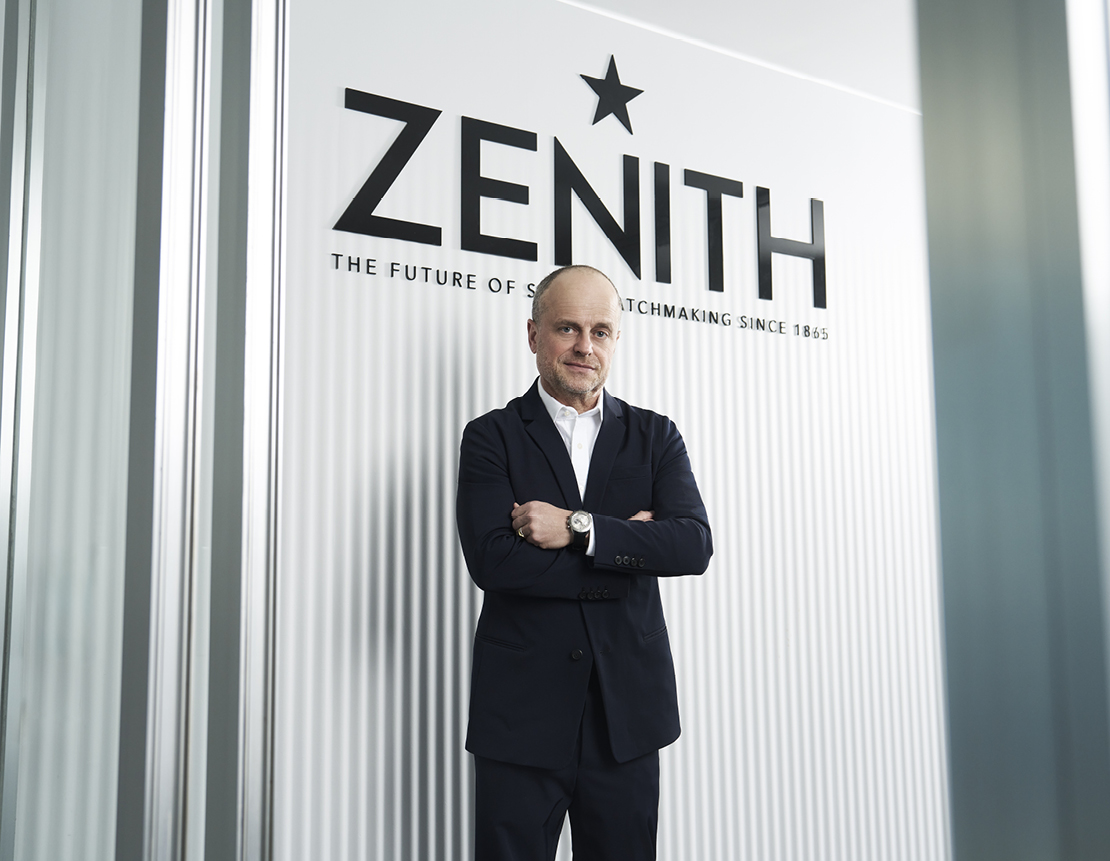
You joined ZENITH two years ago. Looking back, what have been some of the biggest lessons or discoveries for you since stepping into the role of CEO?
What struck me very quickly was the depth of the Manufacture itself. ZENITH has an extraordinary level of legitimacy, both mechanically and historically, as well as a very strong internal culture built around precision and movement-making.
One of the biggest lessons has probably been that the role of a CEO in a Maison like ZENITH is not to reinvent everything. It is to create clarity. To understand what truly makes the brand unique, protect it, and express it coherently today. I also realised how important focus is in today’s environment. The industry moves very fast, there is constant pressure for novelty and visibility, but ultimately, what builds long-term desirability is consistency and substance. That is especially true in watchmaking.
How would you describe the current identity of ZENITH today and where do you see the brand positioning itself within the wider watch industry?
ZENITH today is a Manufacture with a very defined identity and a clear area of legitimacy within watchmaking. We are not trying to be everything to everyone. The brand is built around a strong movement culture, a real manufacturing legacy and a very direct approach to product. That naturally positions us towards collectors and clients who are genuinely interested in watchmaking itself. ZENITH has always been a brand for people in the know, for horological enthusiasts more than for purely status-driven consumption. At the same time, we are not a heritage-only brand. There is still a strong sense of modernity and evolution in the collections. Our role now is to continue sharpening that positioning and aligning the brand’s perception even more closely with the reality of the Manufacture.
The Middle East has become an increasingly important market for luxury watchmaking. How would you describe ZENITH’s relationship with collectors and clients in this region?
The Middle East is an incredible region when it comes to watch culture. There is a very high level of knowledge and discernment among collectors in the region. Clients are highly informed, highly detail-oriented, and genuinely interested in the substance behind the watch.
What is interesting is that there is a real appreciation for legitimacy and exclusivity, as well as for pieces with strong character and identity. That aligns very naturally with ZENITH. Over the past few years, we have seen a growing connection between the brand and collectors in the region, particularly around watches that express strong mechanical content and a more distinctive point of view. It is a market where people value authenticity and where relationships are built over time, which is very important for us.
Beyond the watches themselves, luxury clients today are increasingly looking for experiences and emotional connection. How is ZENITH approaching client engagement in 2026?
Today, collectors want to understand what sits behind a watch. For ZENITH, the Manufacture will remain our best ambassador. Le Locle is not a storytelling concept; it is a real working Manufacture where all our movements are conceived, developed, and produced. Bringing clients closer to that reality creates a much stronger connection to the brand. We’ll always put a strong emphasis on experiences that feel immersive and credible from a watchmaking perspective. Not experiences built around spectacle, but around access to the people, the expertise, and the culture behind the watches.
The watch industry continues to evolve rapidly, balancing innovation, heritage and shifting consumer expectations. How would you assess the state of the industry today?
What is interesting today is how much the industry has evolved and diversified over the past years. There is now room for very different approaches to watchmaking, different aesthetics, different philosophies, and different client sensitivities. That diversity is actually very healthy for the industry. But beyond all these evolutions, what remains remarkable is that the fascination for mechanical watches is still entirely intact. A few years ago, with the arrival of smartwatches, many people were predicting the decline of traditional watchmaking. The opposite happened. The industry proved them wrong because mechanical watches were never competing purely on function.
Looking ahead, what are your current priorities and long-term objectives for ZENITH over the next few years?
The priority is to continue protecting and reinforcing what has defined ZENITH since the beginning: being a true movement Manufacture. In an industry where many brands speak of heritage, what matters is preserving real mechanical integrity: designing, developing, and producing movements with coherence and legitimacy. That is the responsibility we have as a Manufacture like ZENITH. Going forward, the objective is to continue expressing that identity in a way that remains relevant and meaningful for contemporary watchmaking.
By Lindsay Judge