

Skincare in 2026 is moving beyond quick fixes. The conversation now centres on longevity, regeneration and strengthening the skin’s ability to function at its best, with formulas and treatments designed to support everything from cellular energy to collagen production. From a powerful stress-protecting ingredient to the latest generation of peptides, these are the five trends defining the year.

Skin Cell Health
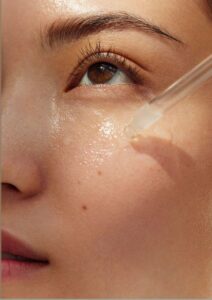
The language of skincare is becoming increasingly cellular. Rather than concentrating solely on visible concerns such as lines, pigmentation and loss of firmness, brands are looking more closely at the processes that influence how skin behaves over time.
One area of interest is mitochondrial health. Often described as the powerhouses of the cell, mitochondria generate the energy required for essential functions, including repair and renewal. Their performance can be affected by age and external stressors, prompting greater interest in antioxidants and ingredients designed to defend the skin against oxidative damage.
Expect to see familiar actives such as vitamin C, coenzyme Q10 and peptides reframed through the lens of skin longevity. The objective is less about reversing age and more about keeping the skin resilient, responsive and able to recover.
Biostimulators and Regenerative Treatments
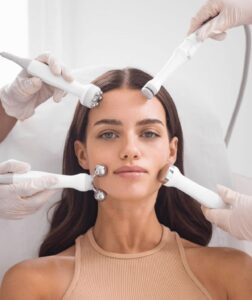
The era of dramatic intervention is giving way to more discreet treatments intended to improve skin quality gradually. Biostimulators, which encourage the body to produce more of its own collagen, reflect this preference for results that develop over time and remain natural-looking.
Injectables formulated with substances such as poly-L-lactic acid and calcium hydroxylapatite are already established within aesthetic medicine, but their role continues to evolve. Rather than simply adding volume, they can be used strategically to improve firmness, structure and elasticity across the face, neck and body.
Regenerative approaches, including platelet-rich plasma and polynucleotide treatments, are also attracting attention for their potential to support repair and improve texture. These procedures are not interchangeable, however, and suitability depends on the individual, the product and the practitioner. Consultation with a qualified medical professional remains essential.
Ectoin

If 2025 belonged to barrier repair, 2026 is refining the conversation with ingredients that help the skin withstand daily stress. Ectoin is emerging as one of the most compelling.
The amino acid derivative is produced naturally by microorganisms that survive in extreme environments, where it helps protect them from conditions such as heat, dryness and high salinity. When used in skincare, ectoin is valued for its moisture-retaining, soothing and protective properties.
Its appeal lies in its versatility. It can help support a compromised skin barrier and calm dryness or sensitivity, while pairing comfortably with more intensive ingredients such as retinoids and exfoliating acids. Look for it in serums, moisturisers and restorative formulas designed for stressed or easily irritated skin.
Peptides, Redefined

Peptides are not new, but a more sophisticated understanding of how they work is bringing them back into focus. These short chains of amino acids act as messengers within the skin, with different types performing different functions.
Signal peptides encourage processes associated with collagen and elastin production, while carrier peptides deliver trace elements that support repair. Other varieties are being studied for their role in hydration, inflammation and the appearance of expression lines.
The latest formulas move away from simply including a generic peptide complex and towards carefully selected blends created to address specific concerns. Delivery systems are improving too, helping ingredients reach their intended targets more effectively.
Peptides will not replace proven actives such as retinoids or vitamin C, but their generally gentle nature makes them a useful addition to routines focused on firmness, recovery and long-term skin health.
Exosomes

Exosomes are microscopic extracellular vesicles that carry proteins, lipids and genetic material between cells, allowing them to communicate. Within aesthetic medicine, they are being explored for their potential role in repair, inflammation and regeneration.
Exosome-based formulas are increasingly appearing in professional treatments and topical products, often positioned as a complement to procedures such as microneedling or laser resurfacing. Plant-derived alternatives are also entering the beauty market as brands search for more accessible and ethically straightforward applications of the technology.
Yet this is one trend that calls for careful consideration. Research is still developing, products vary considerably in their source and formulation, and regulatory approval differs between markets. In the United States, for example, the FDA states that no exosome products are currently approved. Before undergoing any treatment that uses human-derived exosomes, consumers should ask about the product’s origin, safety testing and regulatory status, and consult a suitably qualified practitioner.
For now, exosomes represent one of skincare’s most intriguing frontiers, but also a reminder that innovation and evidence do not always advance at the same pace.