
Schiaparelli is stripping ready-to-wear back to its essentials for Spring/Summer 2027, translating some of the house’s most recognisable couture signatures into a more modular wardrobe.
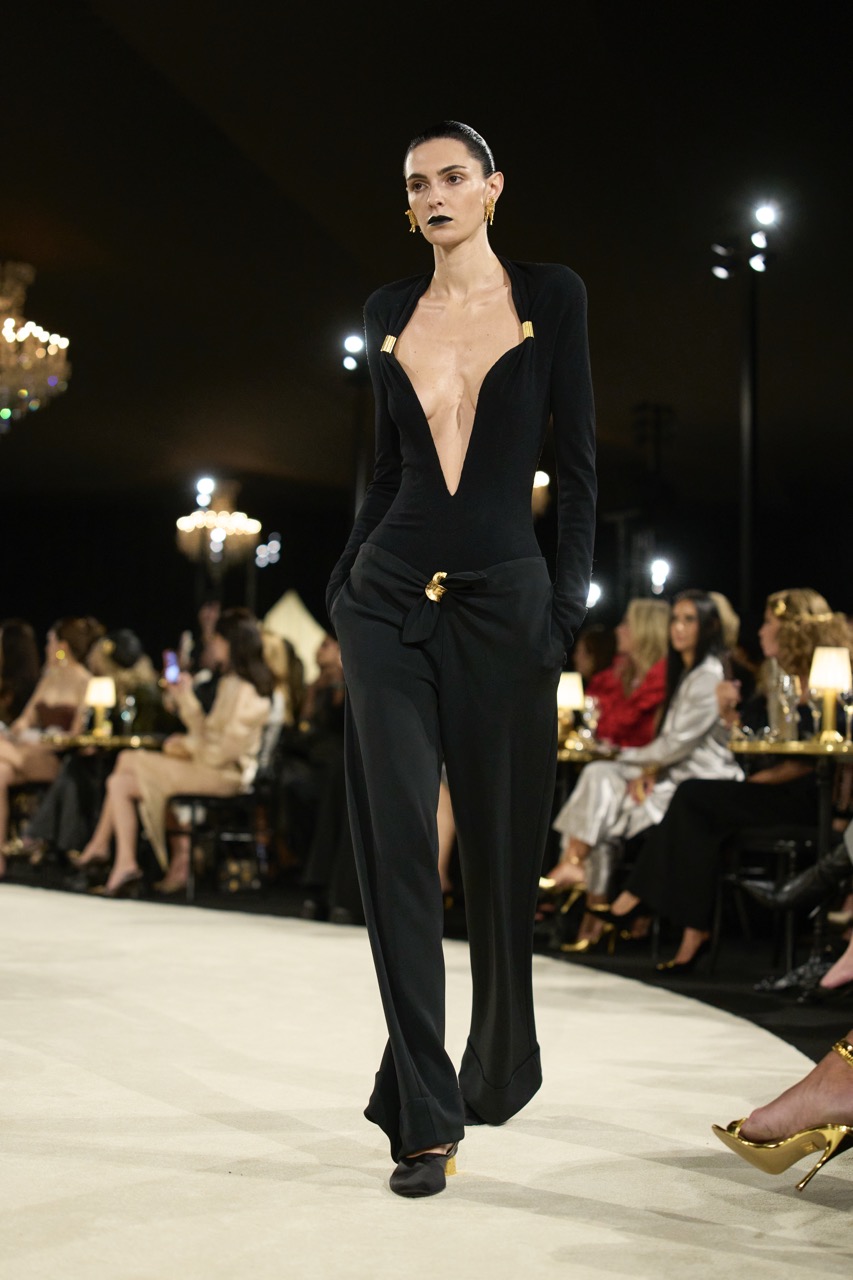
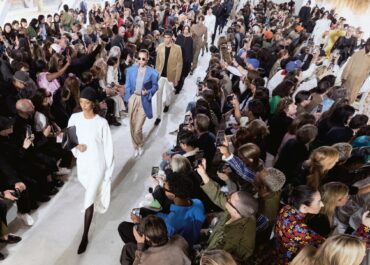
Presented during Paris Fashion Week in the basement of the Louvre, the collection, titled “Going Clear”, marks a further evolution of the ready-to-wear line, which creative director Daniel Roseberry says has been shaped by the idea of distillation. Rather than attempting to replicate the drama of Schiaparelli’s couture, the collection breaks down its signatures into separates designed to be mixed and matched.
Silhouettes, gowns and necklines are reworked as individual tops and bottoms, drawing on the spirit of American sportswear and its emphasis on personal choice. Roseberry also connects this approach to his own Texas roots, juxtaposed with the French identity of the house.
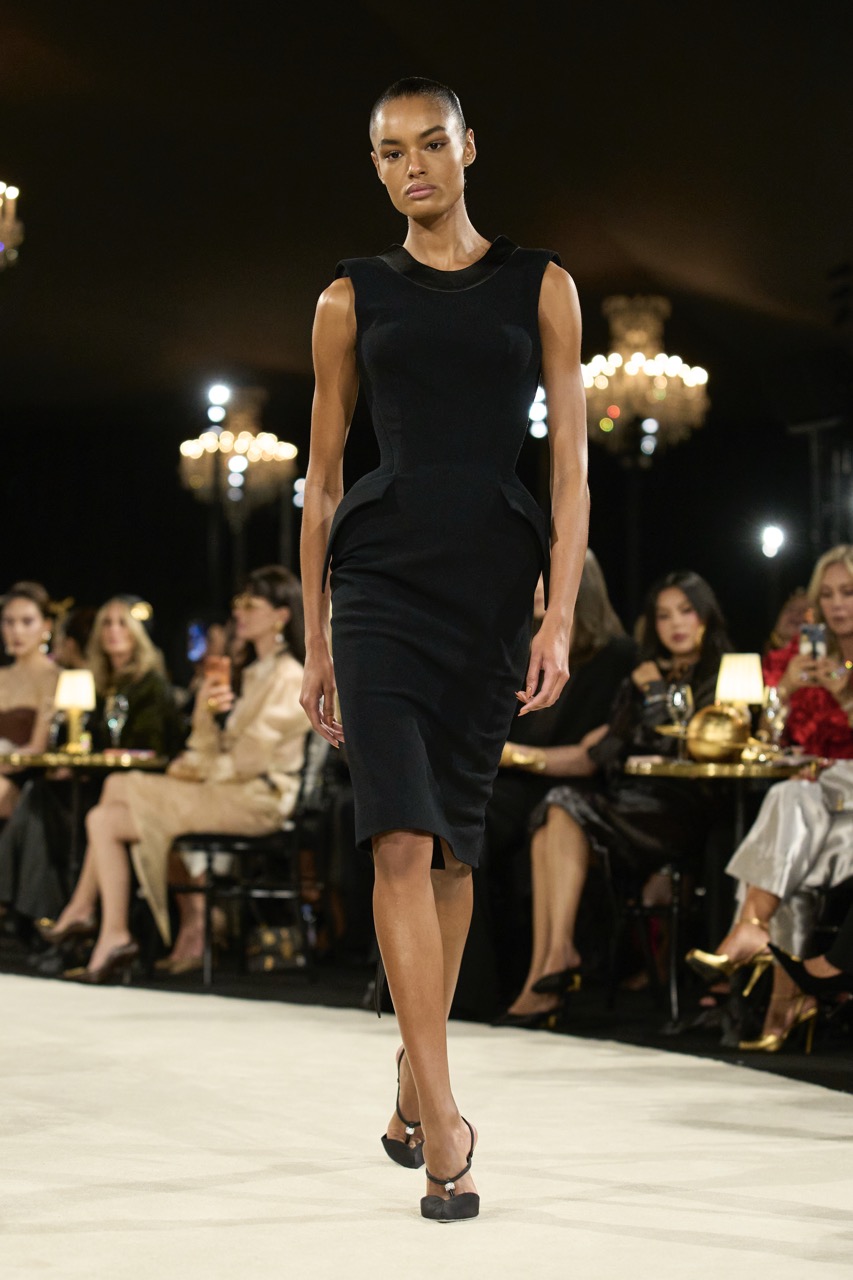
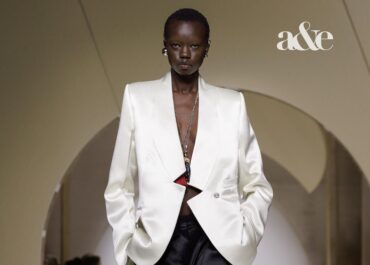
The resulting wardrobe is built around a tightly controlled palette of Schiap black, bone and butter, punctuated by occasional colour. Among the collection’s defining details are lettuce hems, asymmetrical openings and ruffles in leather and linen, inspired by the curtains that once lined the windows of Elsa Schiaparelli’s Place Vendôme atelier.
Playfulness remains central. Vegetable and feather motifs appear as intricate embroidery on sheer shirts, while one of eight iterations of the classic Schiap jacket comes embroidered with vegetables and rendered in archival-inspired shades including kingfisher blue, moss green and salmon pink.
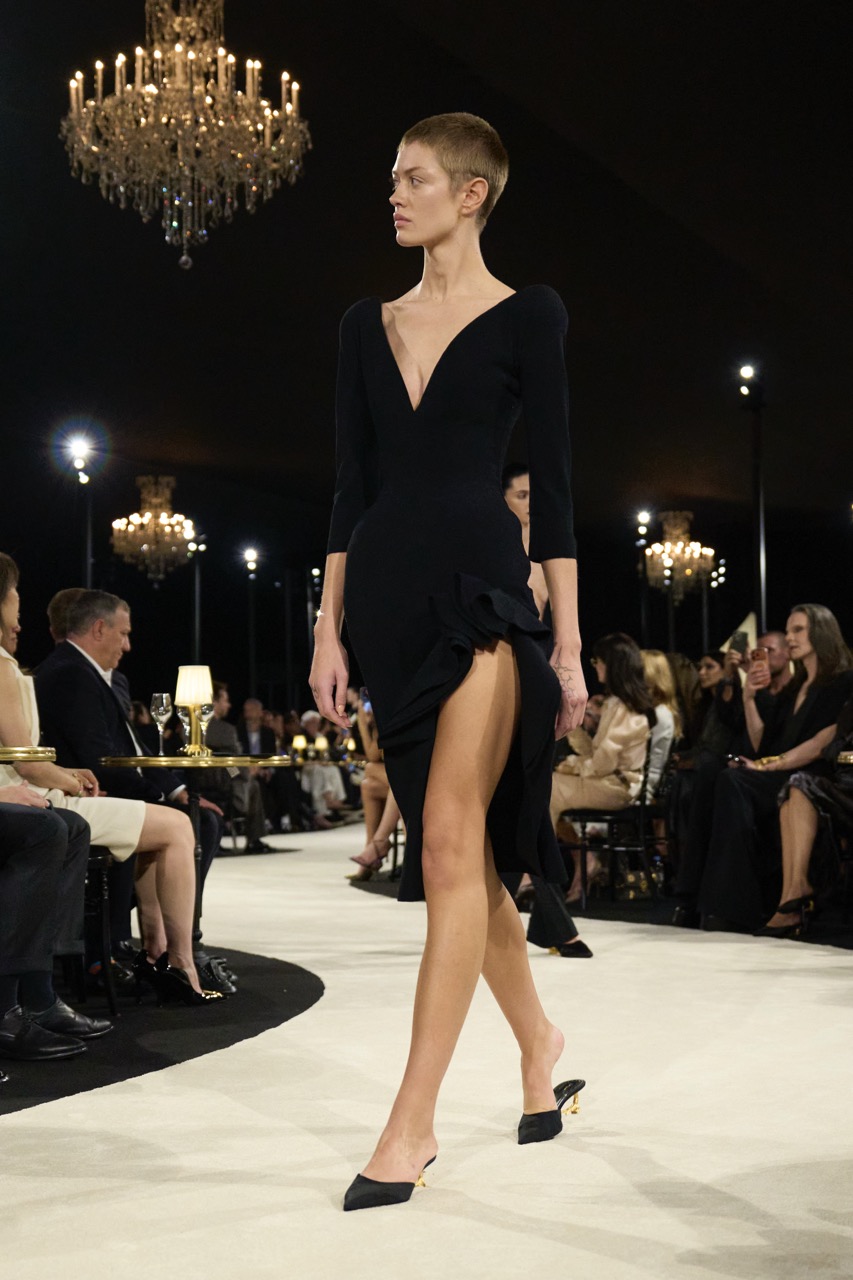
Knitwear is another focus, with a sheer viscose tree-bark knit referencing a fabric developed by Elsa Schiaparelli. Broderie anglaise, meanwhile, moves from couture into ready-to-wear, while the collection’s little black cocktail dresses take inspiration from the simplicity of a look from the house’s recent “The Abyss” couture collection.
Accessories extend the same balance between everyday wearability and eccentricity. The new handbag collection includes archetypal shapes such as the hobo and pocketbook, finished with details including a brass mouth that doubles as a handle. Footwear moves towards lower, more practical silhouettes, including a babouche, a knit bootie inspired by a style worn by Schiaparelli in the late 1930s, and a mule with a ball-shaped toe.
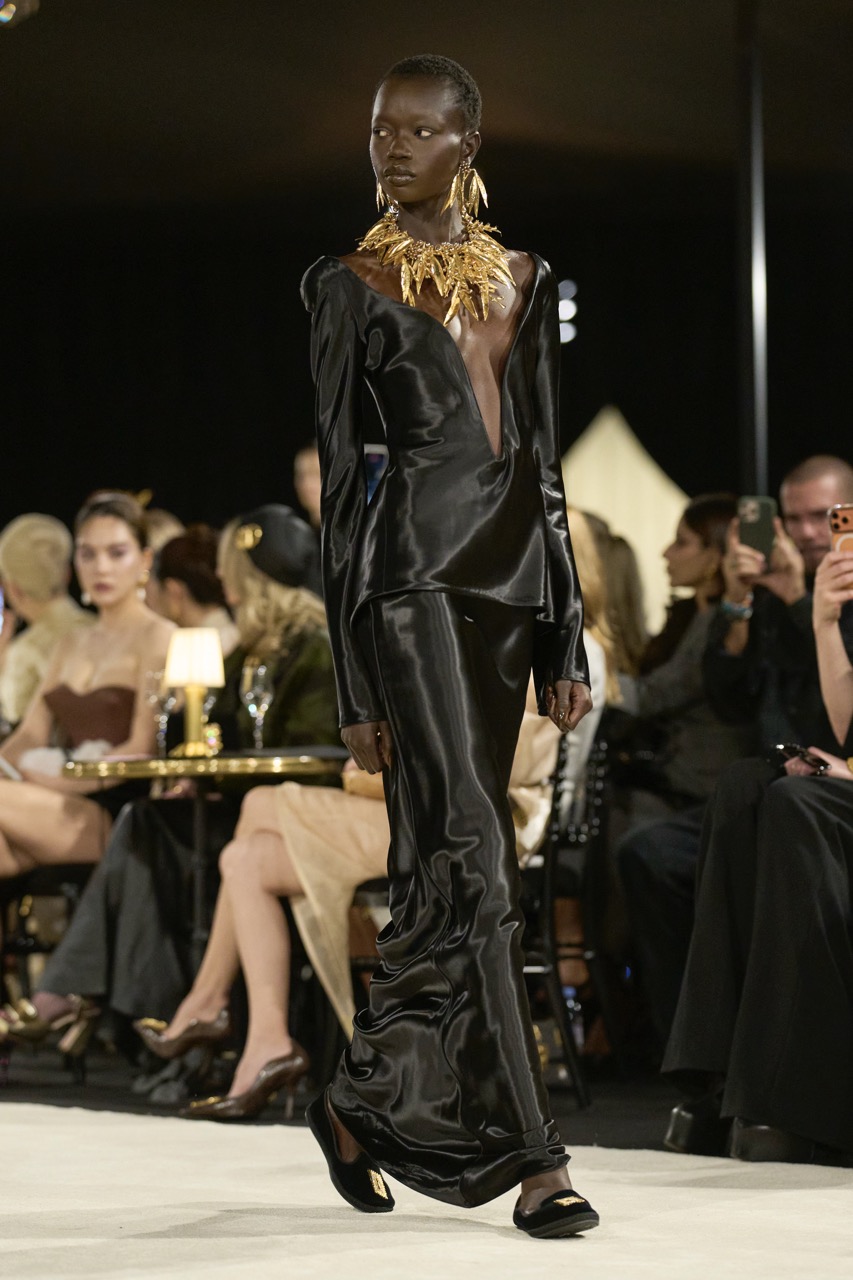
Jewellery takes a similarly playful approach, with horses, dolphins, pigs, dogs, cats and spiders appearing as earrings, cuffs and brooches. The house’s keyhole and lips motifs also return throughout the collection, appearing on shoes, bags and collars.
For Roseberry, “Going Clear” is ultimately about stepping away from fashion’s pursuit of status and approval. The collection instead seeks a more singular voice, bringing the immediacy of the present together with the enduring codes of the Schiaparelli house.