
In the heart of Beirut, boutique hotel Maison Dada brings together many of the influences that have shaped Lebanese brothers Mario and Marc El Dada’s world: architecture, design, art, food, hospitality and, above all, a deep connection to their city.
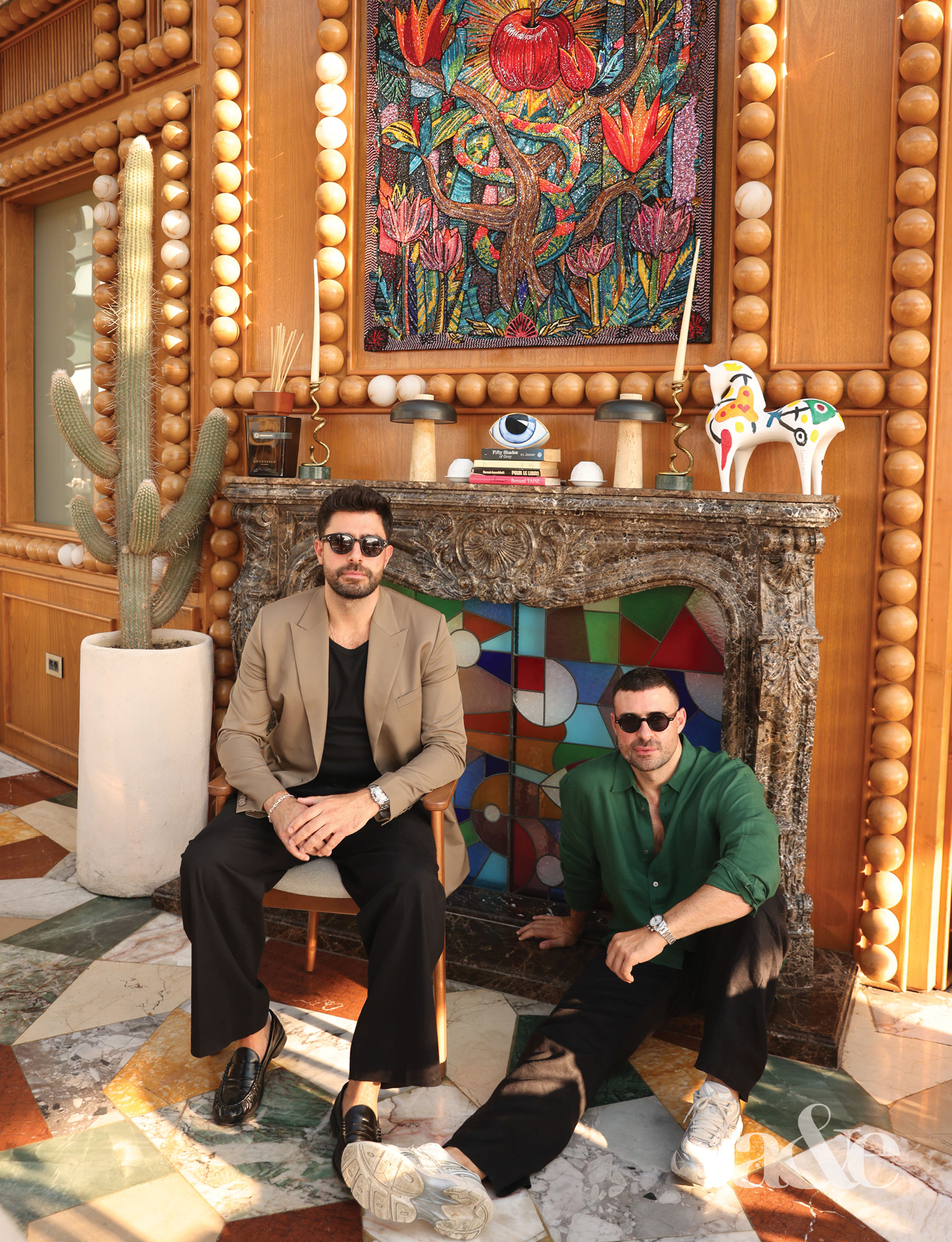
Opened in 2025, the hotel and its culinary spaces transform a historic 1930s building into an intimate destination where heritage meets contemporary creativity. The deeply personal project incorporates pieces from the brothers’ own art collection alongside locally crafted furniture and works by Lebanese and regional creatives.
We speak with Mario and Marc about their journey, their love of art and design, the story behind Maison Dada, and their vision for creating a place that feels less like a hotel and more like a living expression of Beirut.
Before Maison Dada, what was your journey in architecture and design, and what first drew you to this world creatively?
Architecture and design have always shaped our lives. Through Dada Design & Architecture, we have spent years exploring the relationship between space, objects and art. For us, design has never been about aesthetics alone; it is also about emotion, identity and how a place makes you feel. Maison Dada is a natural extension of that journey. It brings together everything we care about under one roof: architecture, design, art, food, hospitality, and people.
Maison Dada is a project you created together. How did the idea come about, and what made you feel that this particular 1930s building in Beirut was the right place to bring your vision to life?
The moment we discovered the house, we knew it was special. It is a 1930s French Mandate-era home in the heart of Beirut, overlooking Martyrs’ Square, and it carries the city’s history within its walls.
We never wanted Maison Dada to feel as though it could exist anywhere. It had to belong to Beirut. The house already had a soul, and we saw our role as preserving it while writing its next chapter. It became our way of reviving an old Beirut home and transforming it into a contemporary space for art, design, food and hospitality.
Maison Dada brings together history, art, design and hospitality. What did you want people to feel the moment they walked through the door?
Quite simply, we wanted them to feel at home. Maison Dada was never meant to be a traditional hotel. We wanted guests to feel as though they had entered a lived-in home filled with art, objects, stories and people.
For us, true luxury is not about formality, but warmth, character and authenticity. Each room has its own personality, and we want guests to discover the house slowly, always finding something unexpected.
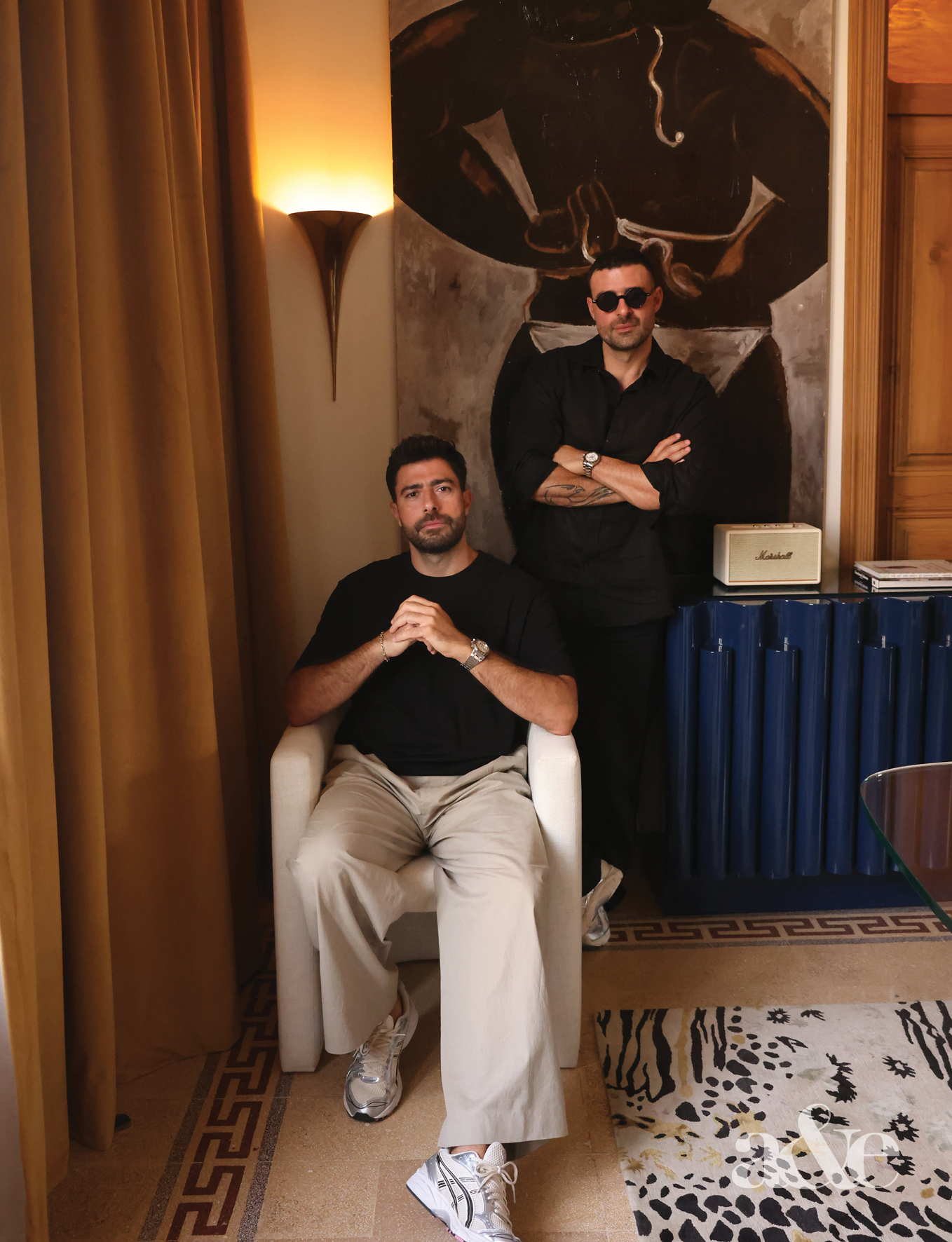
The building was significantly affected by the Beirut port explosion before being restored. What did it mean to you personally to give this historic house a new life rather than simply creating something new?
Restoring the house meant far more to us than completing an architectural project. After the Beirut port explosion, so much of the city’s heritage was lost, and that was deeply painful to witness.
We could have built something new, but preserving this house felt essential. We wanted to respect what remained while allowing it to evolve.
Maison Dada reflects Beirut itself: wounded, but constantly reinventing itself without losing its identity. Restoring the house was our way of reaffirming our belief in the city.
Art plays such an important role throughout Maison Dada. Where did your own love of art begin, and do you remember the first artwork or artist that really made you fall in love with collecting?
Our connection to art grew naturally through architecture and design. We have always been drawn to pieces that carry emotion, character or a story.
Collecting became personal over time. We never followed trends or treated art as an investment; we chose works that we wanted to live with.
That approach now defines Maison Dada. Many of the works come from our personal collection and sit alongside pieces by Lebanese and regional artists. For us, art is not decoration; it is a dialogue.
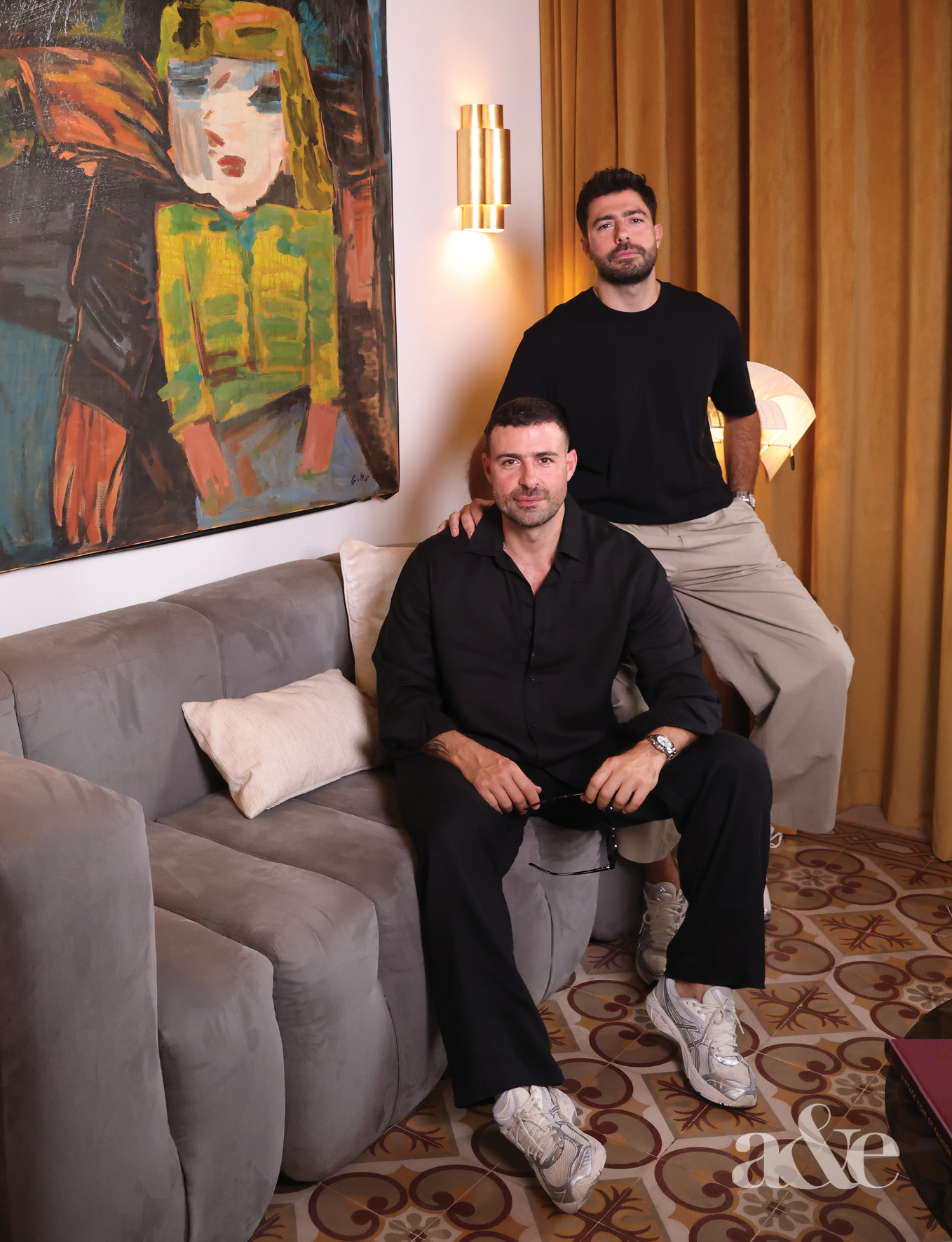
You and Marc have built your own art collection over the years. What is it about a piece that makes you want to live with it, and how did you decide which works would ultimately become part of Maison Dada?
We choose instinctively. A piece has to provoke something, whether that is curiosity, joy, discomfort or surprise. Often, not fully understanding why we like something is exactly what makes it compelling.
For Maison Dada, we did not simply “decorate” the space with art. We brought in works that were already part of our lives.
The result is intentionally eclectic, with different eras, materials and voices coexisting throughout the house. That diversity reflects who we are. Maison Dada is not a gallery with rooms; it is a home where art is lived.
The name Maison Dada is a reference both to your family name and to the Dada art movement. What does the spirit of Dadaism mean to you, and how have you translated that sense of freedom and unconventional thinking into the space?
The name felt natural from the beginning. Dada is our family name, but the art movement adds another layer of meaning.
Dadaism challenged convention and embraced freedom, experimentation and surprise, which are values we strongly relate to. At Maison Dada, we avoided rigid rules. Vintage pieces sit beside contemporary design, French influences meet Lebanese culture, and seriousness coexists with playfulness.
There is refinement, but there is also freedom. For us, Dada represents the confidence not to follow a formula.
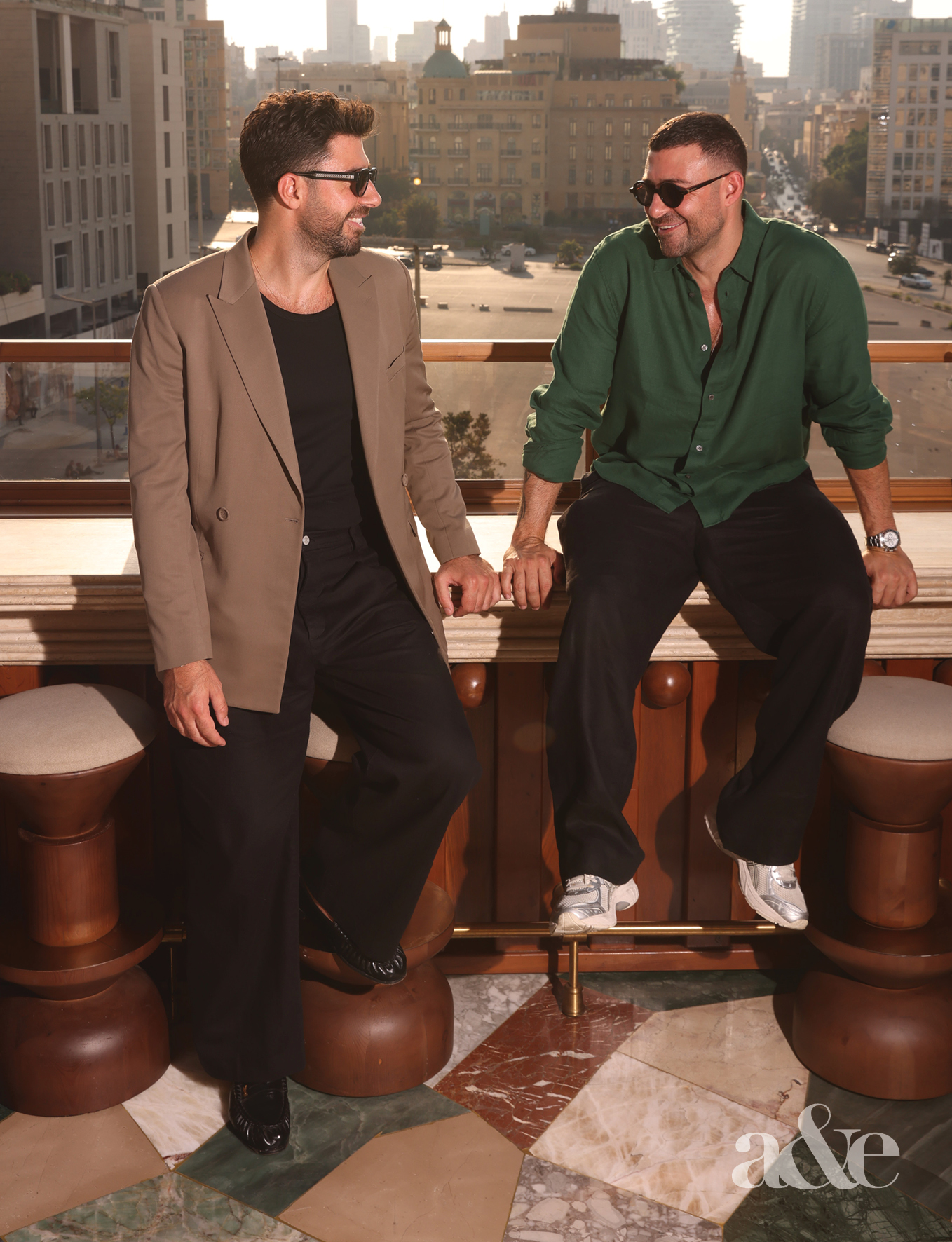
Maison Dada extends beyond the hotel itself, with Le Dada Bistro and the rooftop experience. What was important to you when creating the culinary side of the project, and what kind of dining experience did you want to bring to Beirut?
Food was central to the concept from the beginning. Maison Dada was always imagined as a house that would live throughout the day and into the night.
Le Dada Bistro offers the warmth of a neighbourhood destination, while Le D rooftop is more elevated, with French-inspired cuisine, music and views across Beirut.
The philosophy remains the same across both spaces: good food, honest hospitality and an atmosphere that encourages people to linger. We did not want to create places that people simply visited to eat, but experiences they would remember.
Beirut has experienced extraordinary challenges, yet Maison Dada represents a strong belief in the city and its creative spirit. What continues to make you believe in Beirut, and why was it important for you to invest in the city?
We continue to believe in Beirut because it is home. It would have been easier to invest elsewhere, but Maison Dada only makes sense here.
Beirut has a unique creative energy, shaped by its mix of cultures, contradictions and resilience. Despite everything, its artists, designers and chefs continue to create.
Maison Dada is our way of investing in that spirit and expressing our confidence in the city. We do not want only to remember the Beirut that was; we want to be part of the Beirut that is becoming.
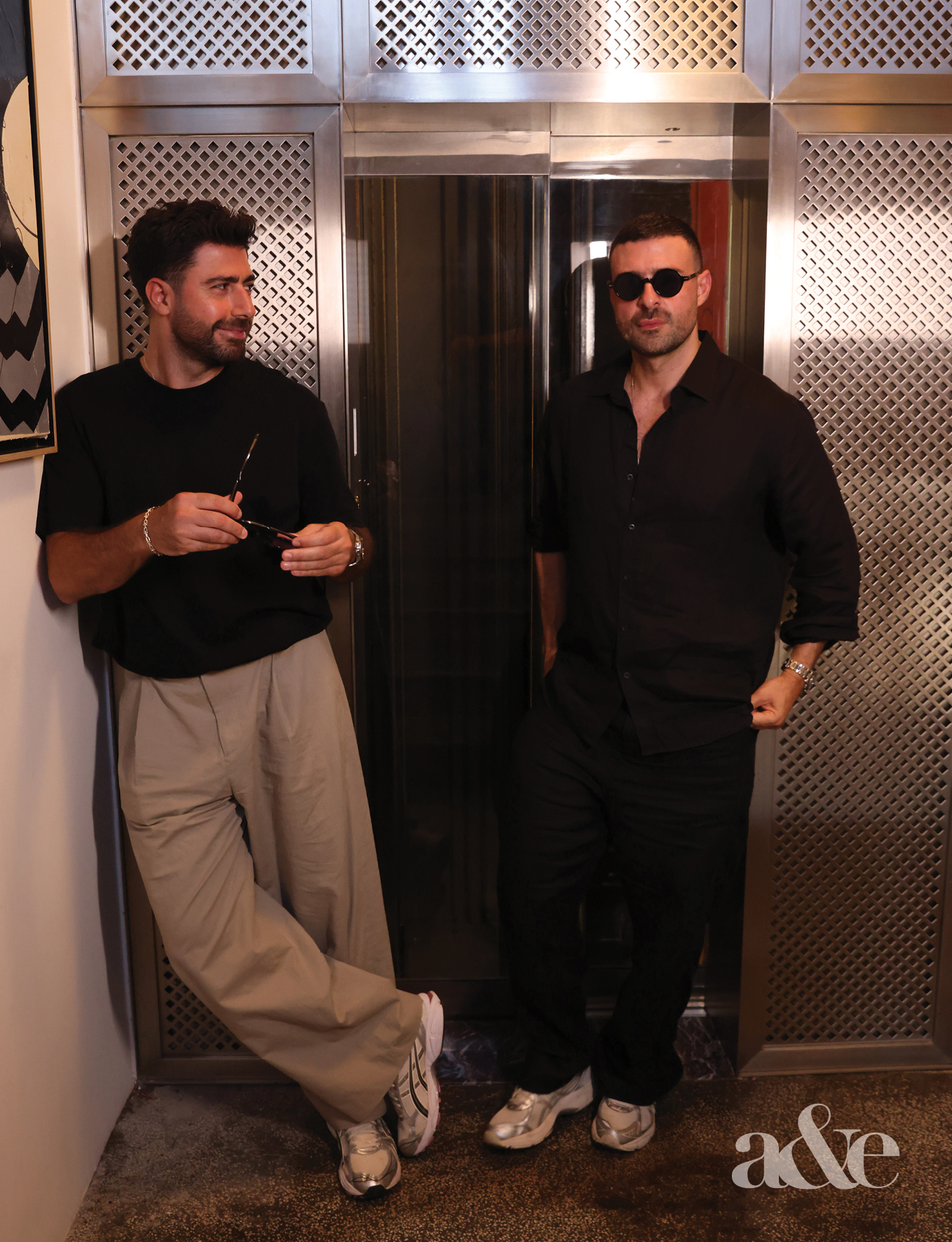
Maison Dada has become a meeting point for art, design, food and hospitality. Looking ahead, what do you hope it will become, not simply as a hotel or restaurant, but as part of Beirut’s cultural life?
We hope Maison Dada continues to evolve beyond any fixed definition. We see it as a house of art and stories, where architecture, design, gastronomy and people constantly intersect.
We want to welcome creatives, foster collaborations and offer both locals and visitors a different way of experiencing Beirut.
Most importantly, Maison Dada must remain alive. It should never feel static, but continue evolving and surprising people. If, in time, it is remembered not simply as a place to stay or dine, but as a way of experiencing Beirut, then we will have succeeded.