
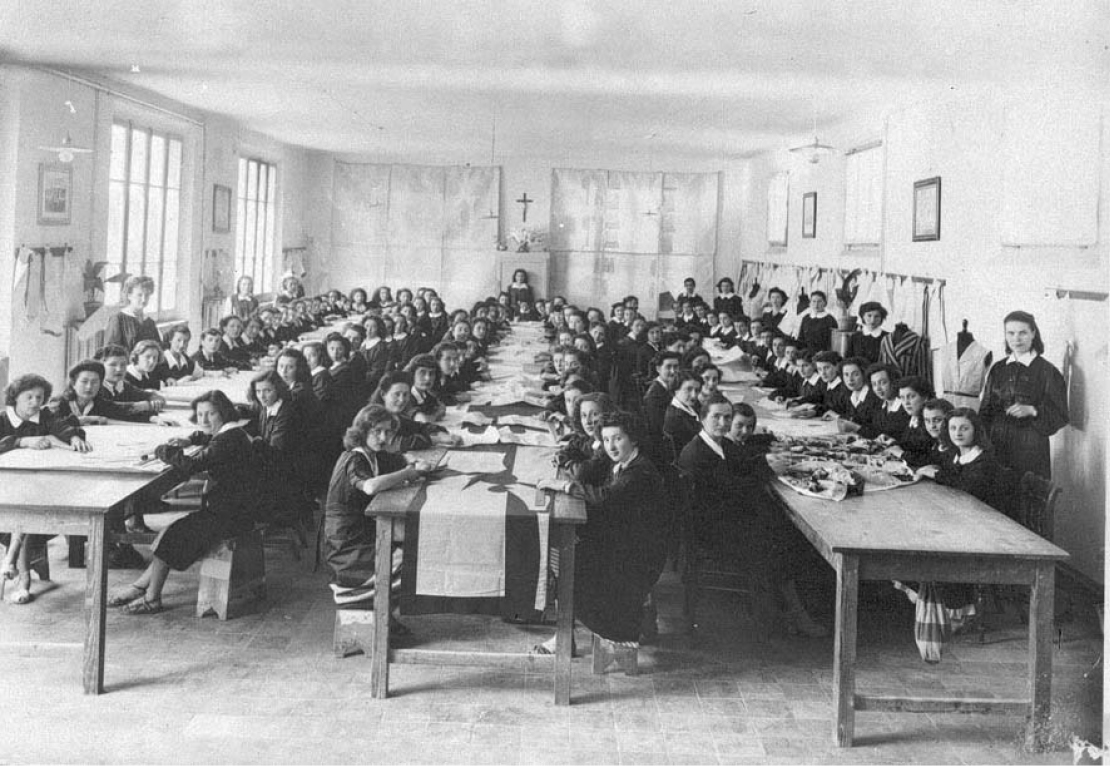
In 1951, 24-year-old Achille Maramotti made a decision that would help reshape Italian fashion. A law graduate raised around his mother Giulia Fontanesi Maramotti’s cutting-and-sewing school in Reggio Emilia; he understood both the intelligence of traditional tailoring and the possibilities of industrial production. He wanted to bring the sophistication of French couture to a wider audience without sacrificing quality.
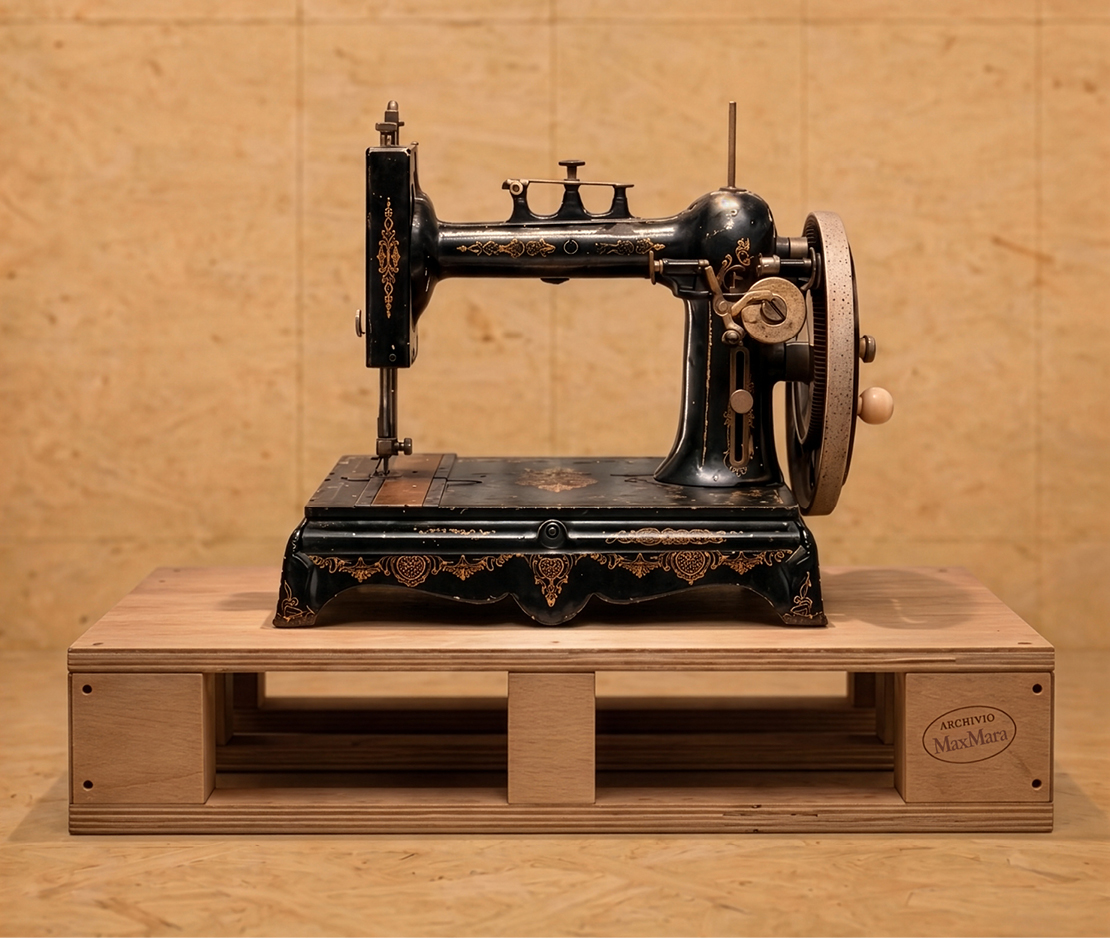
The first Max Mara overcoat was sewn in the school’s dining room by one of its most talented students. As orders began to arrive, Maramotti invested in a second-hand Pfaff sewing machine and started building a modern production model. The name was equally pragmatic: “Max” suggested the highest expression of style, while “Mara” shortened Maramotti into something memorable and international. A company had begun but so had a proposition that would define it for decades: clothes could be beautifully made, practical and relevant to women’s changing lives.
Maramotti recognised that the women buying his early collections were moving towards greater independence. His first customers may have been the wives of doctors, lawyers and notaries, but he anticipated that women would soon occupy those professions themselves. They needed clothes that conveyed authority without losing ease or femininity. Max Mara’s combination of polished design and efficient production met that moment.
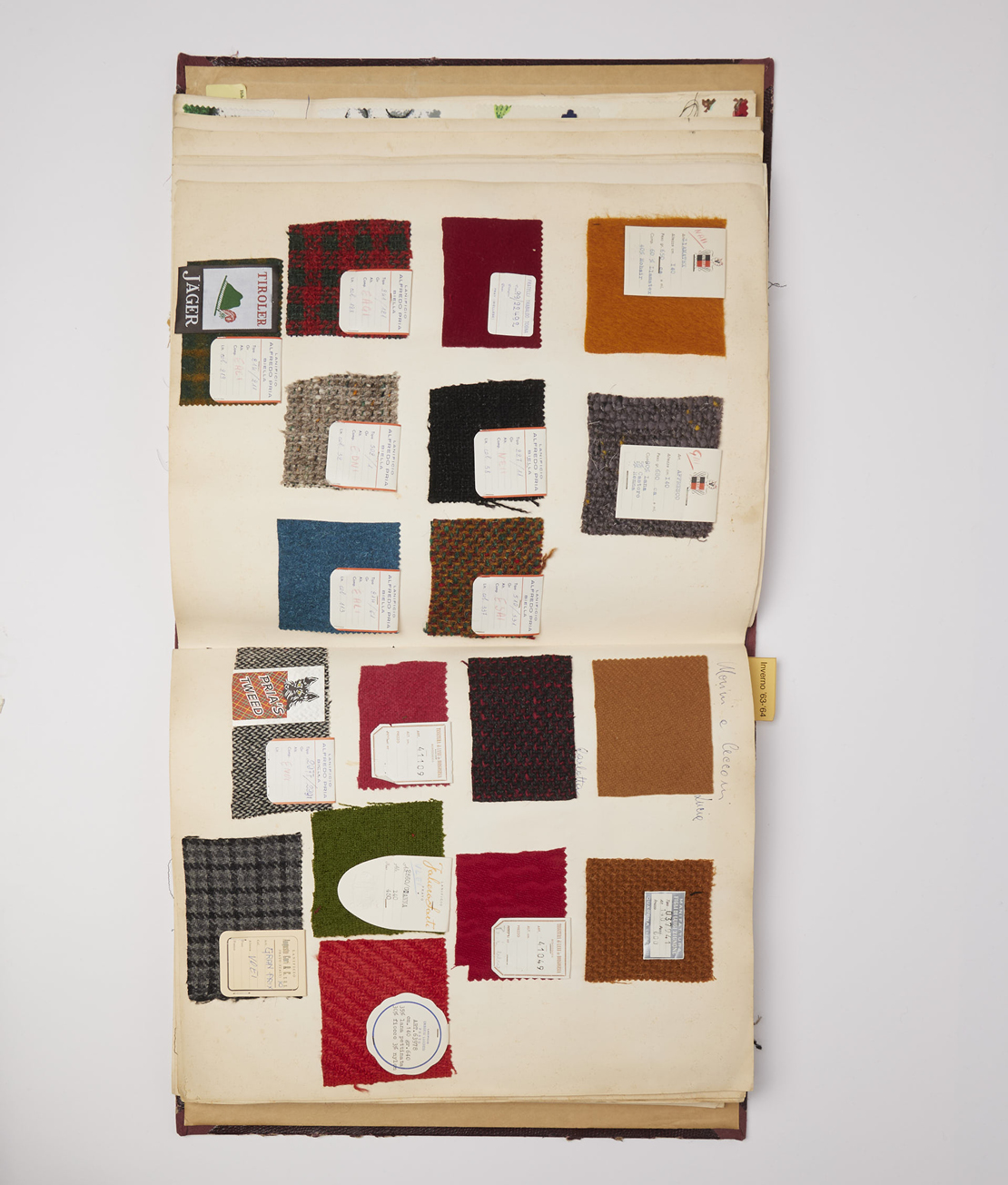
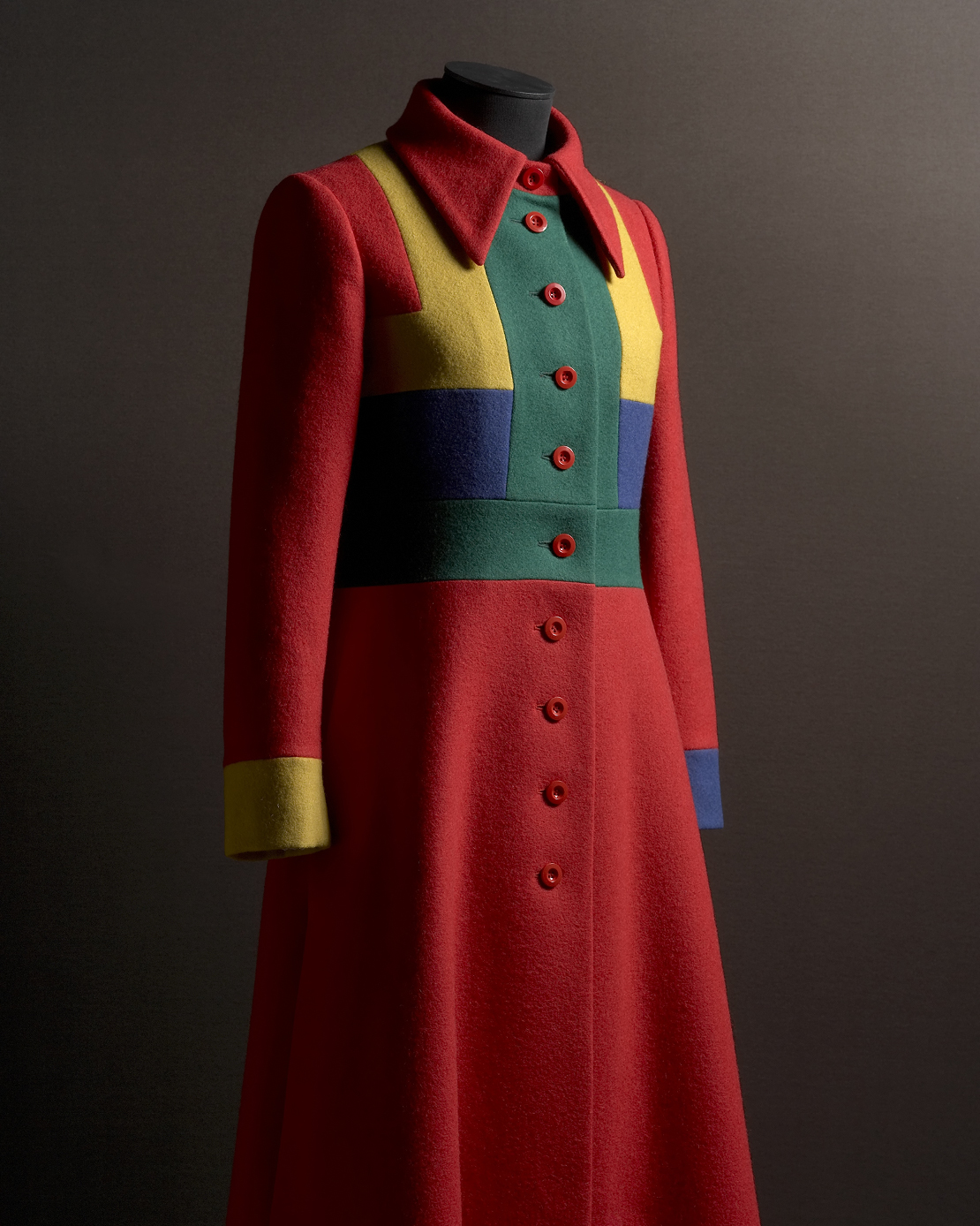
Outerwear established the house’s vocabulary almost immediately. Its first coat, created for Autumn/Winter 1952, was cut in brushed tartan, and by the middle of the decade Max Mara’s sharply tailored suits were gaining attention across Italy. The business expanded quickly. A purpose-built headquarters opened in 1958, followed by the first Max Mara boutique in Reggio Emilia in 1964 and a Milan store in 1967. Paris, Hong Kong, Tokyo and New York followed as the company grew beyond Italy.
Yet scale never displaced the product. Max Mara developed an unusually discreet creative model, inviting talents including Karl Lagerfeld, Luciano Soprani, Guy Paulin, Jean-Charles de Castelbajac and Anne-Marie Beretta to contribute without allowing the identity of a single designer to eclipse the house. The woman wearing the clothes remained the point of focus.
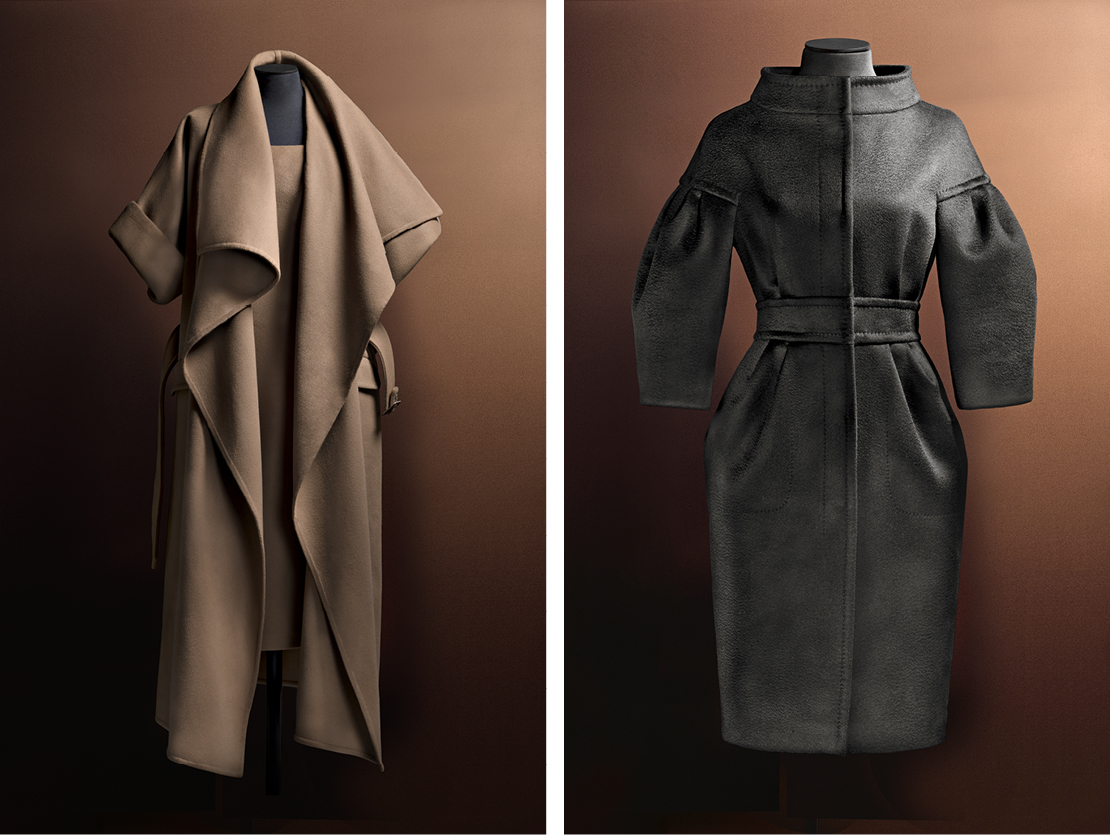
Beretta’s collaboration produced the 101801 coats in 1981, perhaps the clearest expression of this philosophy. Its generous proportions, kimono sleeves and beautifully judged lapels gave it presence, while the simplicity of its construction allowed different women to make it their own. It is still produced to the original design, resisting the fashion cycle through proportion rather than novelty.
Other signatures followed. The Ludmilla arrived in 1992, rendered in luminous double-faced cashmere and hand finished. The camel-coloured Manuela wrap coat appeared in 1998 and became a permanent part of the collection. The Cube transformed the down jacket into a modular luxury object in 2008, while Ian Griffiths looked to an archival 1980s fabric when creating the voluminous Teddy Bear Coat in 2013. Each design approached outerwear differently, yet all offered the reassurance, confidence and usefulness associated with Max Mara.
That consistency rests on considerable technical knowledge. At the Manifattura di S. Maurizio, opened near Reggio Emilia in 1988, advanced machinery works alongside specialist handcraft. A single coat takes four to five hours to complete, beginning with the inspection and precision cutting of wool, cashmere, alpaca, or camel hair. Details such as saddle stitching and the house’s Puntino finish are carefully executed, with around a fifth of the manufacturing process completed by hand.
This meeting of technology and touch has allowed the coat to evolve without losing its identity. In 2019, the house introduced Cameluxe, an insulating material created by recovering surplus camel fabric from coat production and combining its fibres with recycled polyester. For 2026, the new Ready Coat applies the same spirit to a double-faced camel hair wrap design with a relaxed raglan construction.
Today, Max Mara remains family-led, while Max Mara Fashion Group operates more than 2,300 stores across over 100 countries. Its influence also extends into culture through the Max Mara Art Prize for Women and the Women in Film Max Mara Face of the Future Award, initiatives that reflect the belief in female ambition present since the company’s earliest years.
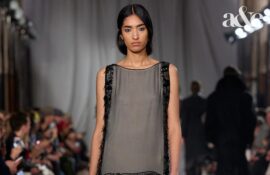
The anniversary was celebrated in Shanghai with the Resort 2027 show and The Max!, an exhibition curated by Olivier Saillard at the Long Museum. Drawing on the 300,000 objects preserved in the company’s archive, it placed garments beside sketches, fabrics, photographs and documents, presenting the brand’s history as a continuing source of ideas.
Seventy-five years after that first coat was sewn, Max Mara’s relevance lies in its refusal to confuse timelessness withstanding still. Its silhouettes evolve, its technology advances, and the women it dresses keep changing. The promise, however, remains recognisable: elegant clothes designed not simply to be admired, but to be lived in.
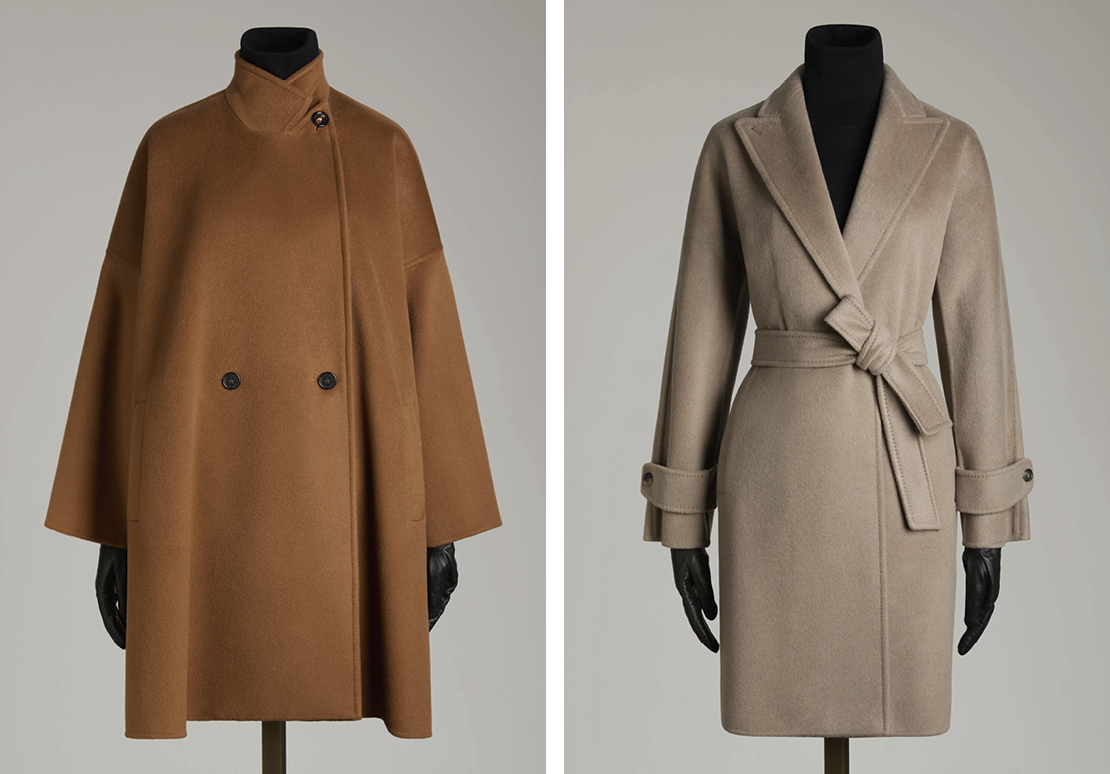
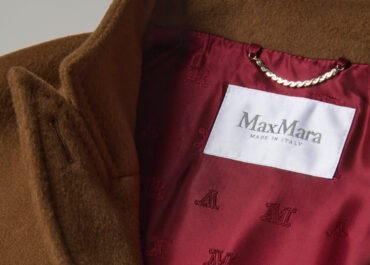
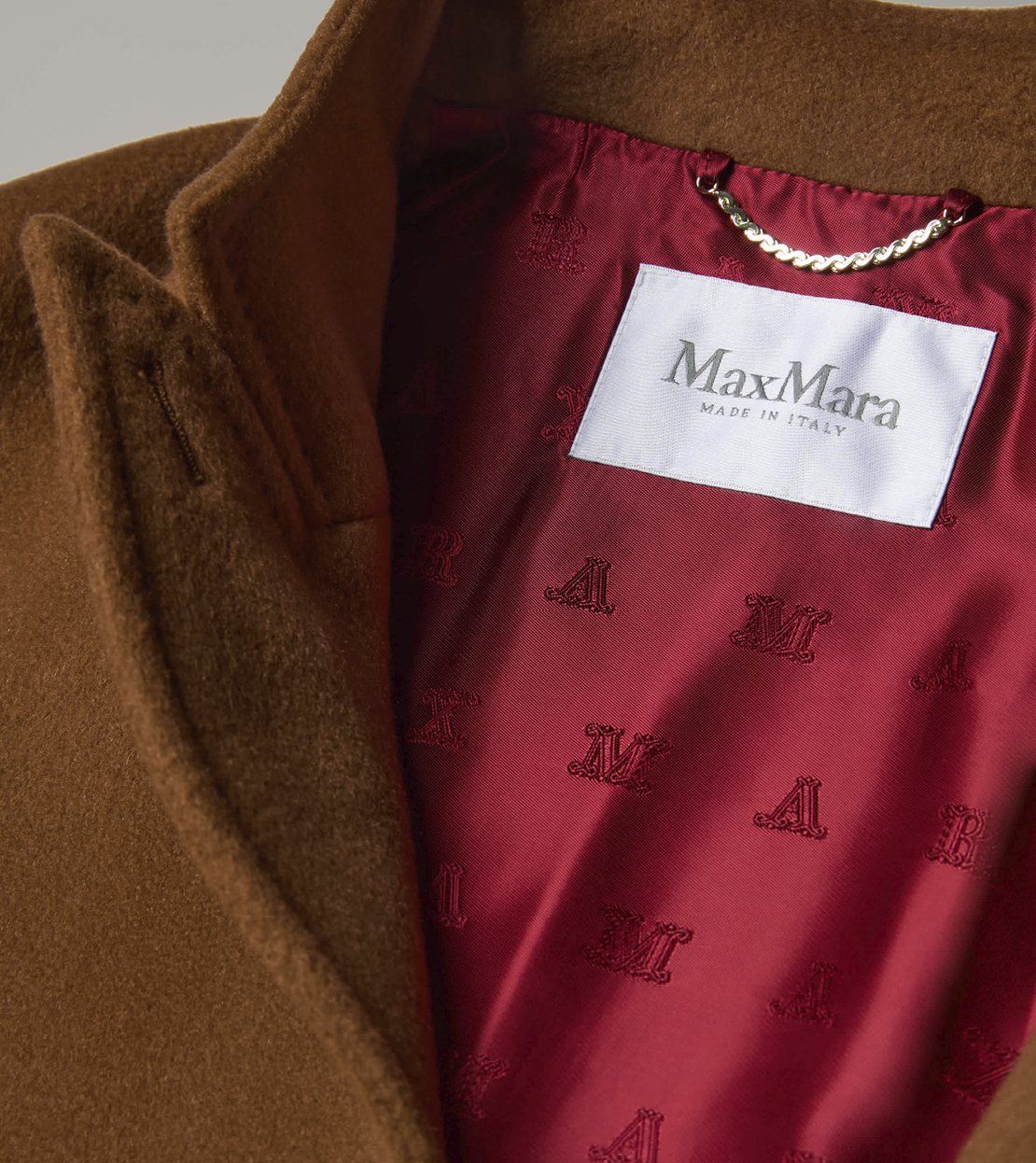
The anniversary has also prompted Max Mara to bring three archival designs back into the present. Limited to 200 numbered pieces per style, the capsule revisits the Meridian cape coat from 1994, the Millenia from 1998 and the more compact Metric wrap coat from 2015. Their original proportions and silhouettes remain intact, but production advances have allowed each design to be recreated in lighter, featherweight cashmere. Contrasting linings introduce flashes of red, yellow and blue, while a bespoke tag recounts the history of each coat and reproduces its original sketch. Together, the reissues demonstrate how the Max Mara archive continues to inform the way the house designs today.
By Lara Mansour