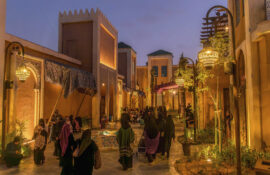

For 17 years, FN Designs has grown alongside Dubai’s creative community, witnessing Alserkal Avenue develop into one of the region’s most significant cultural districts. Yet for its founder, H.H. Sheikha Wafa Hasher Al Maktoum, that history is best understood through the people who helped create it.
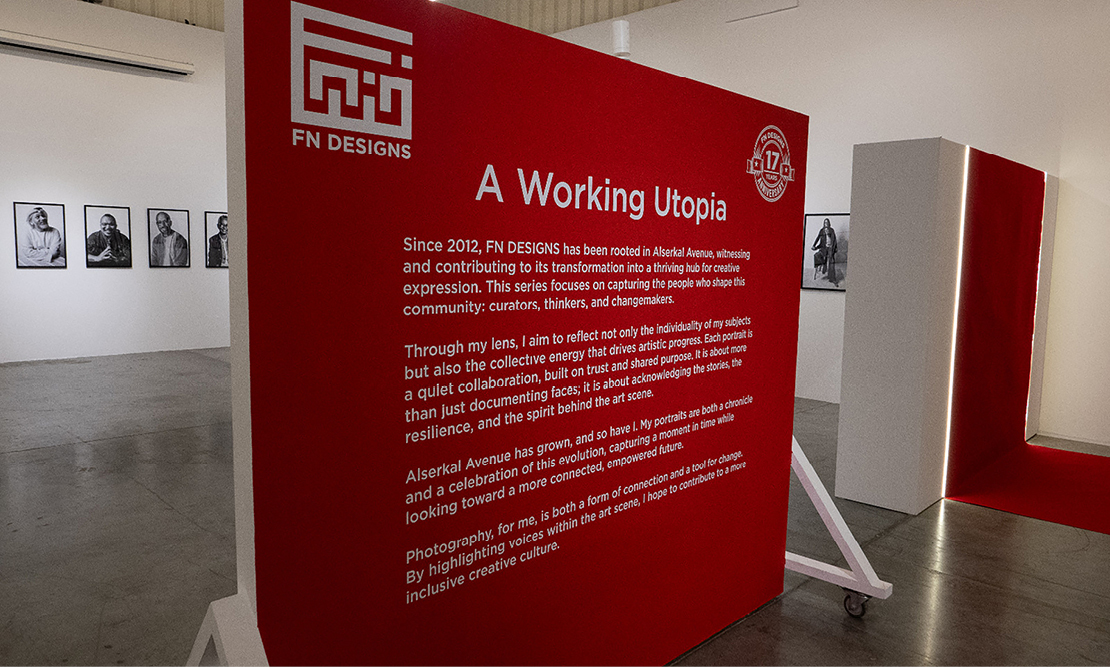
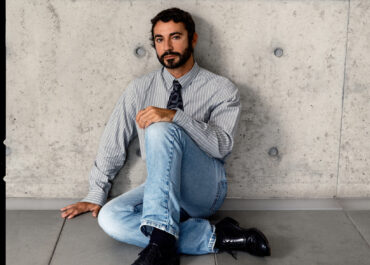
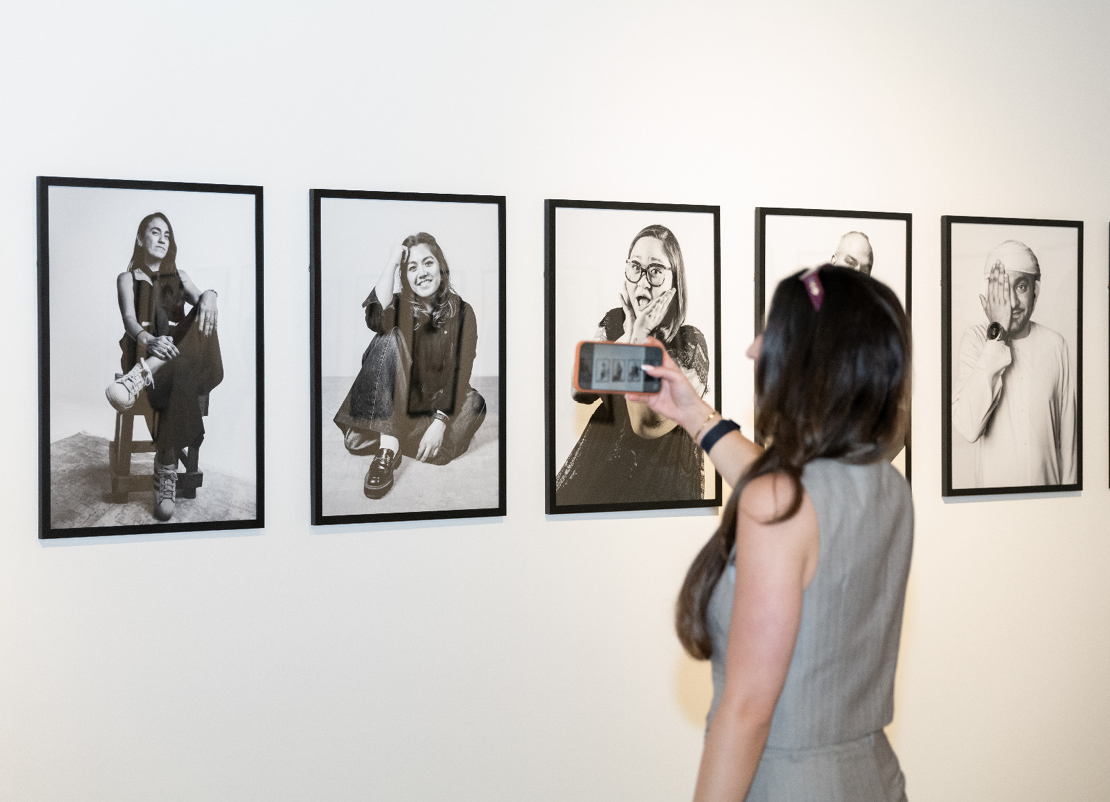
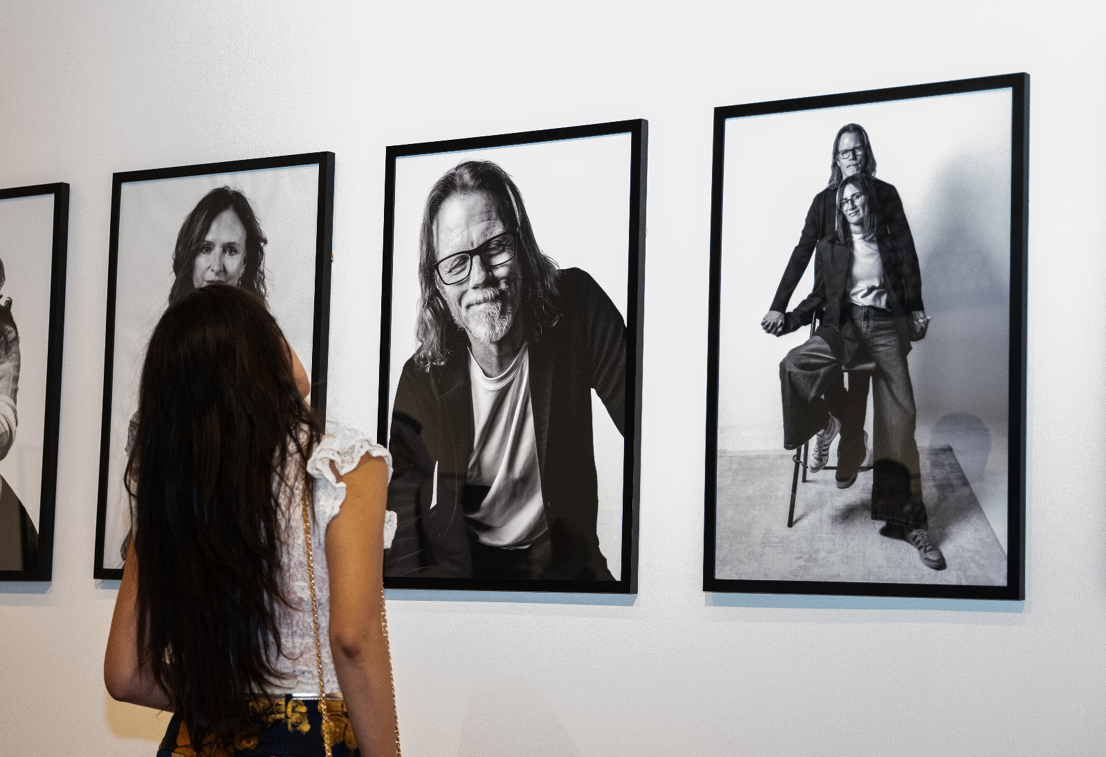
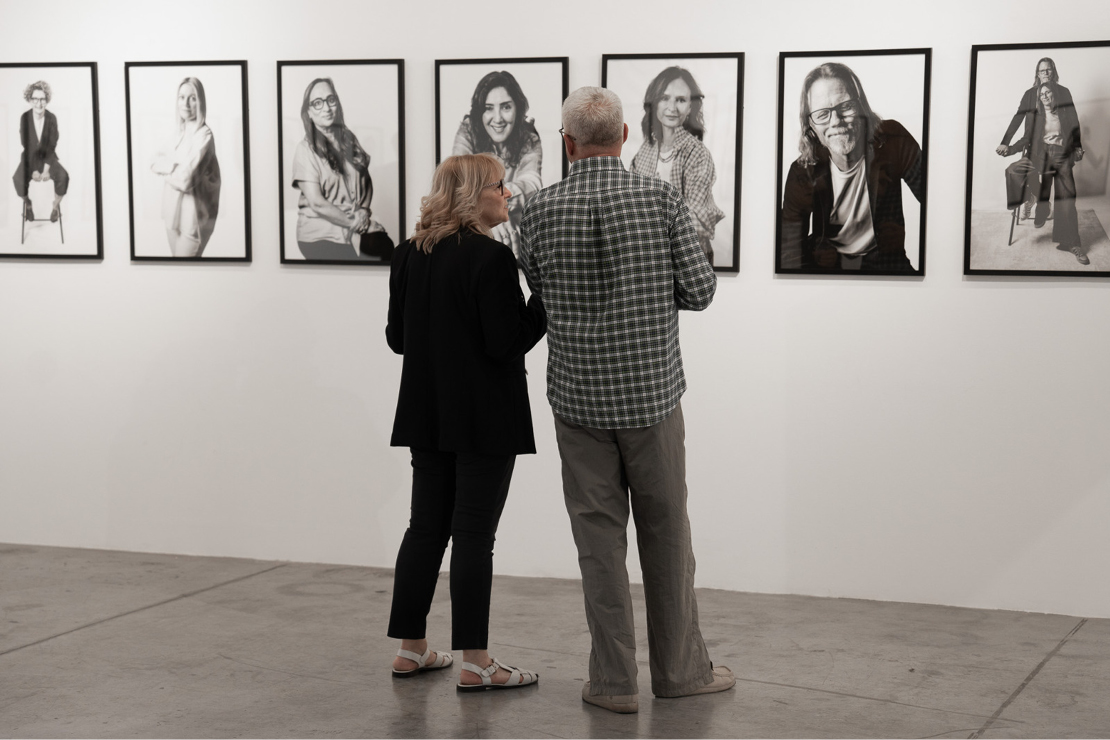
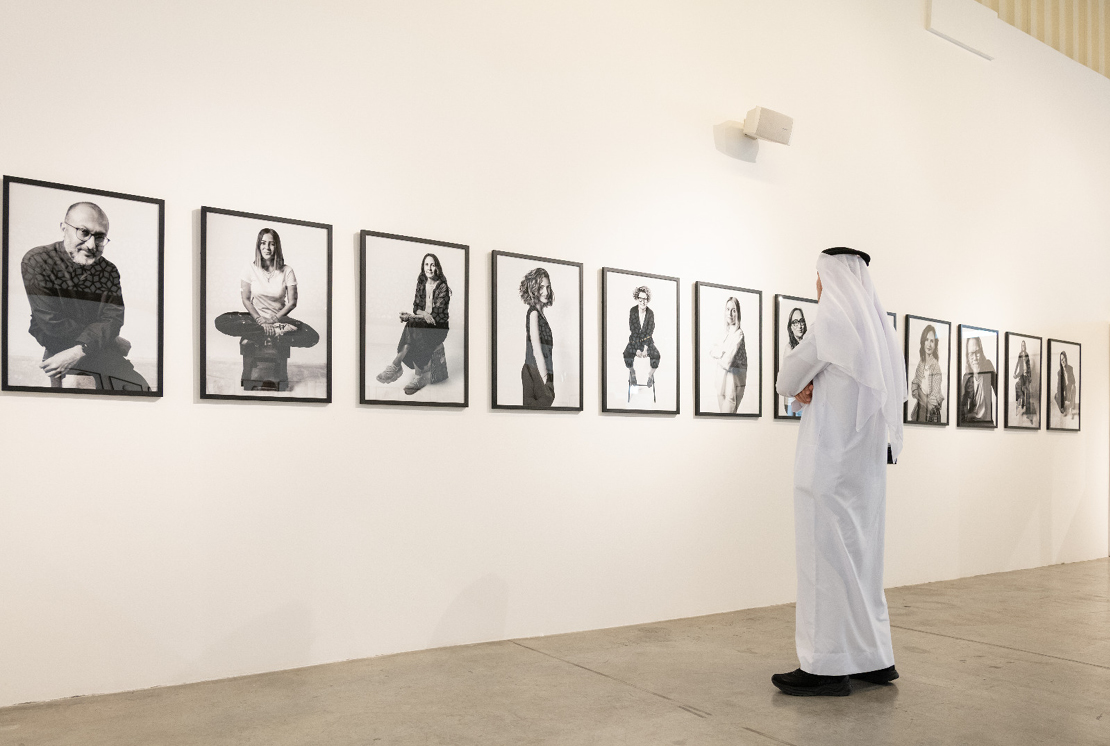
Marking the studio’s anniversary, Working Utopia: A Chronicle in Portraits brings together a series of photographs celebrating the artists, designers and cultural figures whose ideas, relationships and contributions have shaped the community. Each portrait began with a conversation, allowing the character and experiences of its subject to guide the final image. Viewed together, the works form a personal record of a cultural landscape built through exchange and collaboration.
The exhibition’s title reflects Sheikha Wafa’s belief that a creative community is never complete or perfect, but something continually shaped by those working within it. Opened at FN Designs in Alserkal Avenue on June 2, 2026, Working Utopia looks back at how far the district has come while recognising those contributing to its future.
In conversation with A&E, Sheikha Wafa discusses the stories behind the portraits, the evolution of FN Designs and what Dubai’s art scene needs as it enters its next stage of growth.
Working Utopia: A Chronicle in Portraits marks FN Designs’ 17th anniversary. Why did this feel like the right moment to reflect on the people who have shaped its journey?
Seventeen years felt like a natural moment to pause and reflect on the people who have shaped FN Designs and the journey we have taken together. Over the years, the gallery has grown alongside a creative community, and many of the people who have been part of that journey have contributed to its identity in different ways. Working Utopia acknowledges those relationships and celebrates the individuals who continue to shape the cultural landscape around us.
What does the title Working Utopia mean to you, and how does it describe the creative community within Alserkal Avenue?
I think Working Utopia reflects the idea that a creative community is never simply a finished or perfect place. It is something constantly being built by the people who work, create, collaborate, and support one another. For me, Alserkal Avenue represents this kind of working utopia. It is a community shaped by different individuals, disciplines, and perspectives, all contributing to the cultural landscape in their own way. The title speaks to the idea that utopia can exist through working together and creating something meaningful.
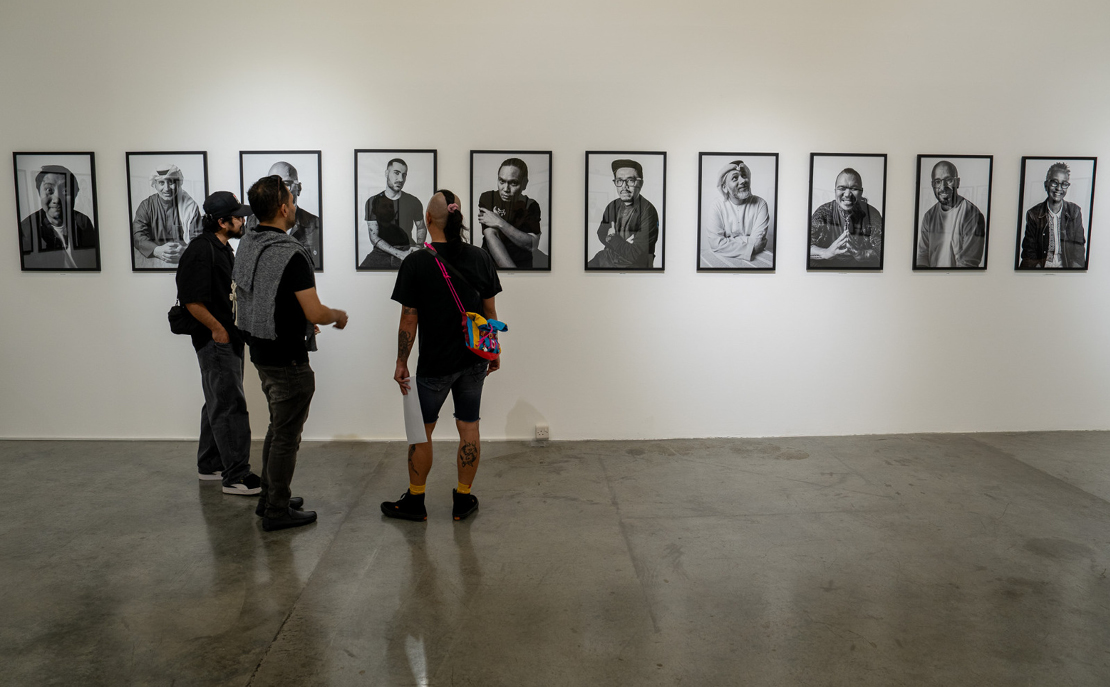
You have said that every portrait session began with a conversation. How did those exchanges influence the final images?
I wanted the portraits to feel personal rather than simply documenting what someone looks like. The conversations helped me understand their character, experiences, and relationship to Alserkal Avenue, and that naturally influenced how I approached each portrait.
Was there anything you discovered about your subjects, or the community itself, that surprised you during the process?
One thing that stood out to me was how many different stories and perspectives exist within the same community. I was reminded that Alserkal Avenue is shaped not only by the institutions and spaces, but by the people behind them. Their relationships, experiences, and the ways they support one another. Many of these stories were deeply connected, even when the individuals came from very different backgrounds.
Alserkal Avenue has changed significantly since FN Designs arrived in 2009. What are the most meaningful changes you have witnessed?
The biggest change has been the growth of the creative community itself. When FN Designs arrived in 2009, Alserkal Avenue was very different, and over the years I have seen more artists, designers, galleries, and creative practices join the area. The community has grown while still maintaining a sense of connection and collaboration among its members.
How has this community influenced Dubai’s wider cultural identity and helped change perceptions of the city internationally?
The creative community has played an important role in showing a different side of Dubai, one that is built around creativity, culture, and collaboration. Alserkal Avenue has become a place where local and international artists, designers, and creatives can meet and exchange ideas. This has helped position Dubai not only as a commercial city, but also as a growing cultural and creative centre.
Dubai’s art scene has grown rapidly, but what do you believe it still needs to support its next stage of development?
I think the art scene needs continued support for artists and creative practitioners, particularly through more opportunities to develop, experiment, and build sustainable careers. As the scene continues to grow, it is important to create spaces for different voices and practices, while continuing to support the community that has helped build it.
How important are independent studios and grassroots creative spaces to the health of the UAE’s wider cultural landscape?
They are an important part of keeping the cultural landscape active, diverse, and connected to the community.
Which achievements from the past 17 years are you most proud of?
I am most proud of the relationships and community we have built over the past 17 years.
How has FN Designs’ purpose evolved since it was founded?
The purpose has always been for artists and creatives to connect, share their work, and contribute to the wider creative community.
What do you hope visitors will understand about the people behind Alserkal Avenue after seeing the exhibition?
I hope visitors understand that Alserkal Avenue is shaped by the people behind it—their stories, relationships, and contributions to the creative community. The exhibition is a way of recognising these individuals and the role they play in shaping the cultural landscape of the UAE.
As FN Designs enters its next chapter, what ambitions do you have for the studio and its role within Dubai’s creative community?
I want to continue building on what we have created over the past 17 years while creating new forms of creative exchange.
By Lindsay Judge