
Behind every couture creation is a network of artisans whose exceptional skills bring fashion’s most ambitious ideas to life
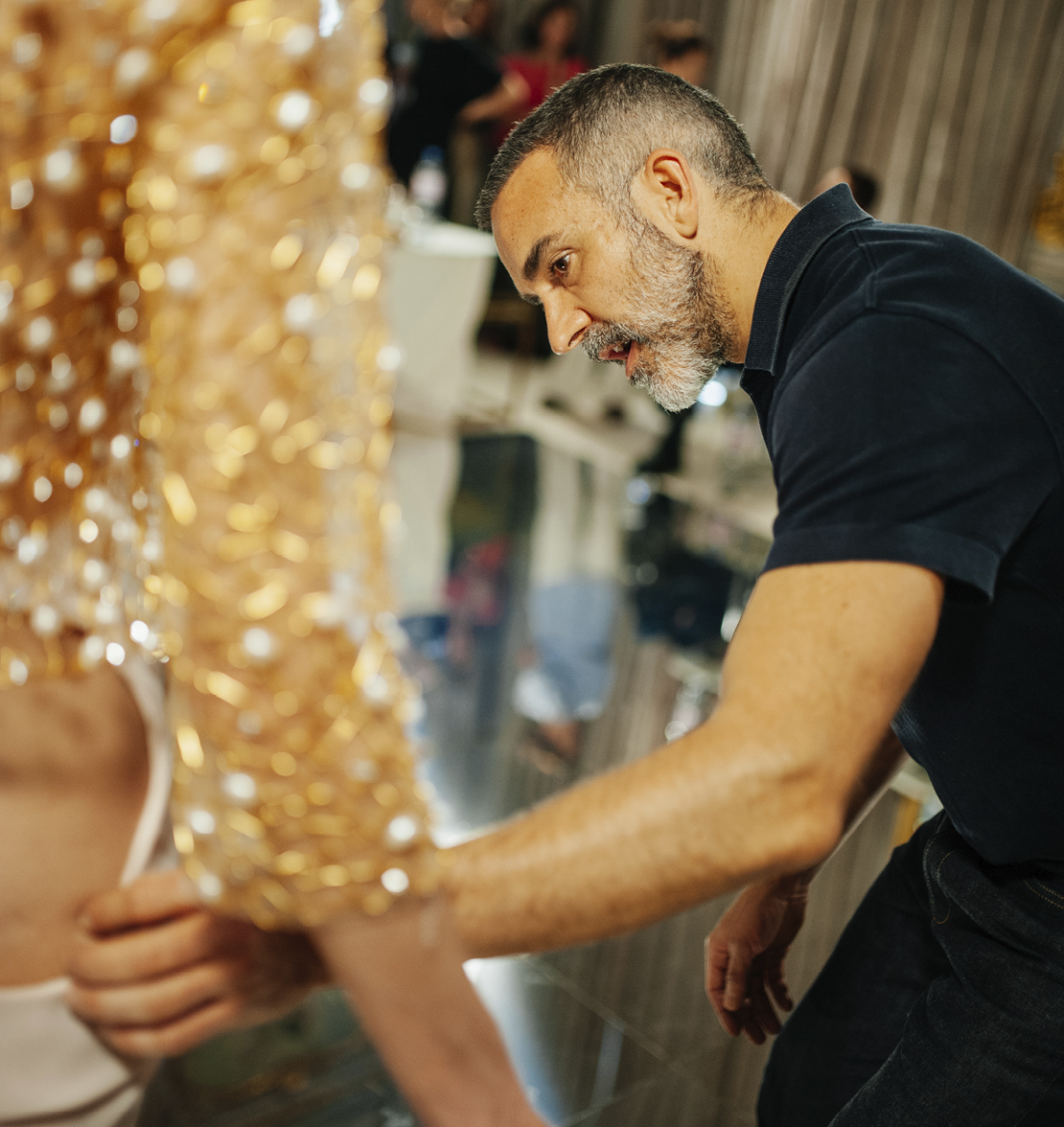
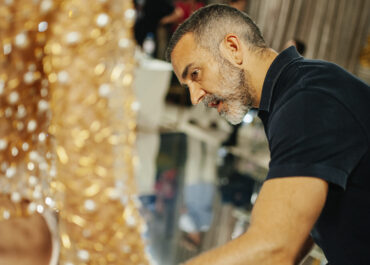
Haute couture may begin with a designer’s vision, but it is inside the atelier that the idea becomes real. A gown that appears effortless on the runway can demand hundreds, sometimes thousands, of hours of labour, drawing on the precise expertise of embroiderers, pleaters, feather workers, tailors, milliners, jewellers and other highly specialised craftspeople. The Autumn/Winter 2026 Haute Couture collections offered another reminder that it is the technique and handiwork that makes these designs as special as they are.
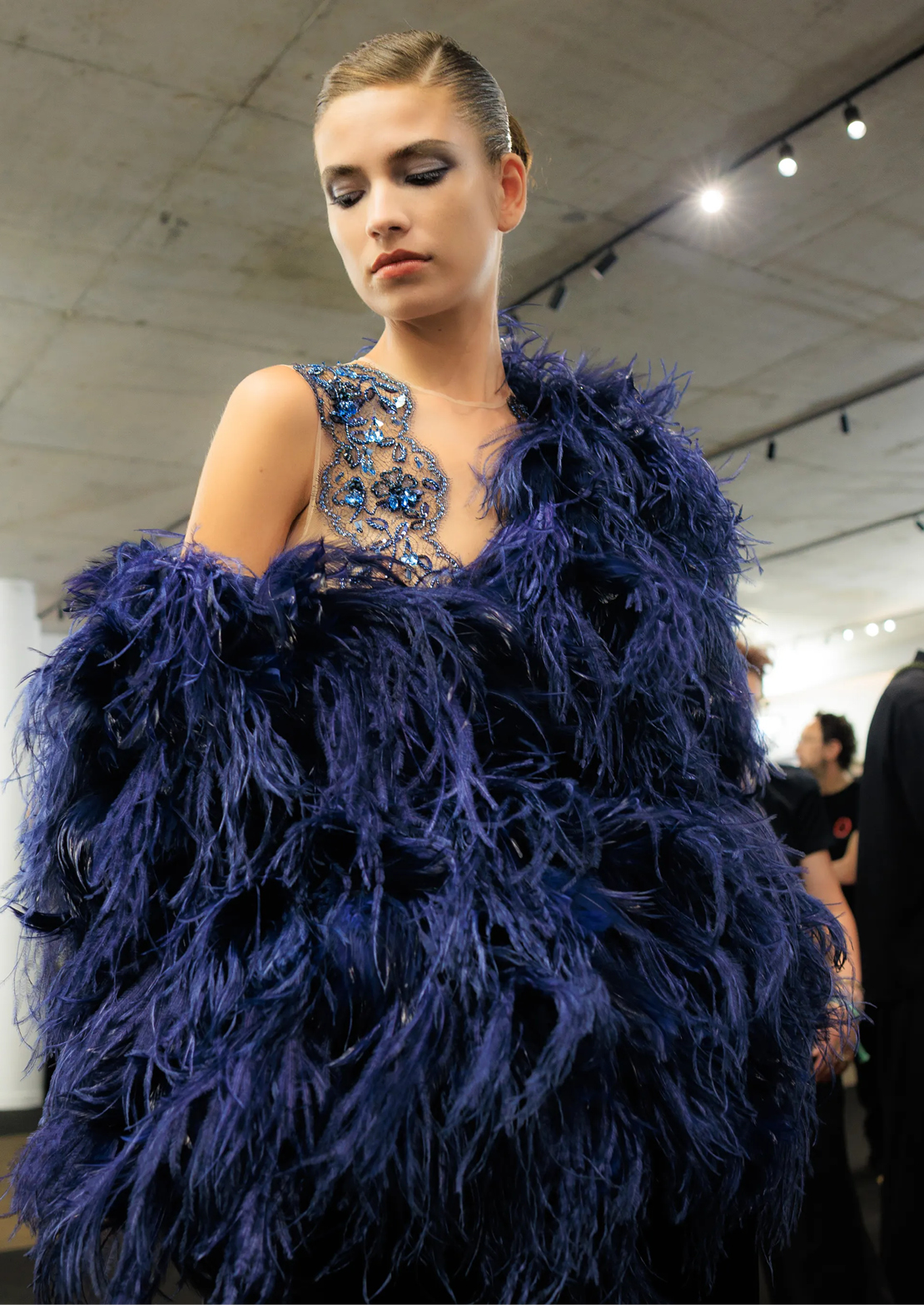
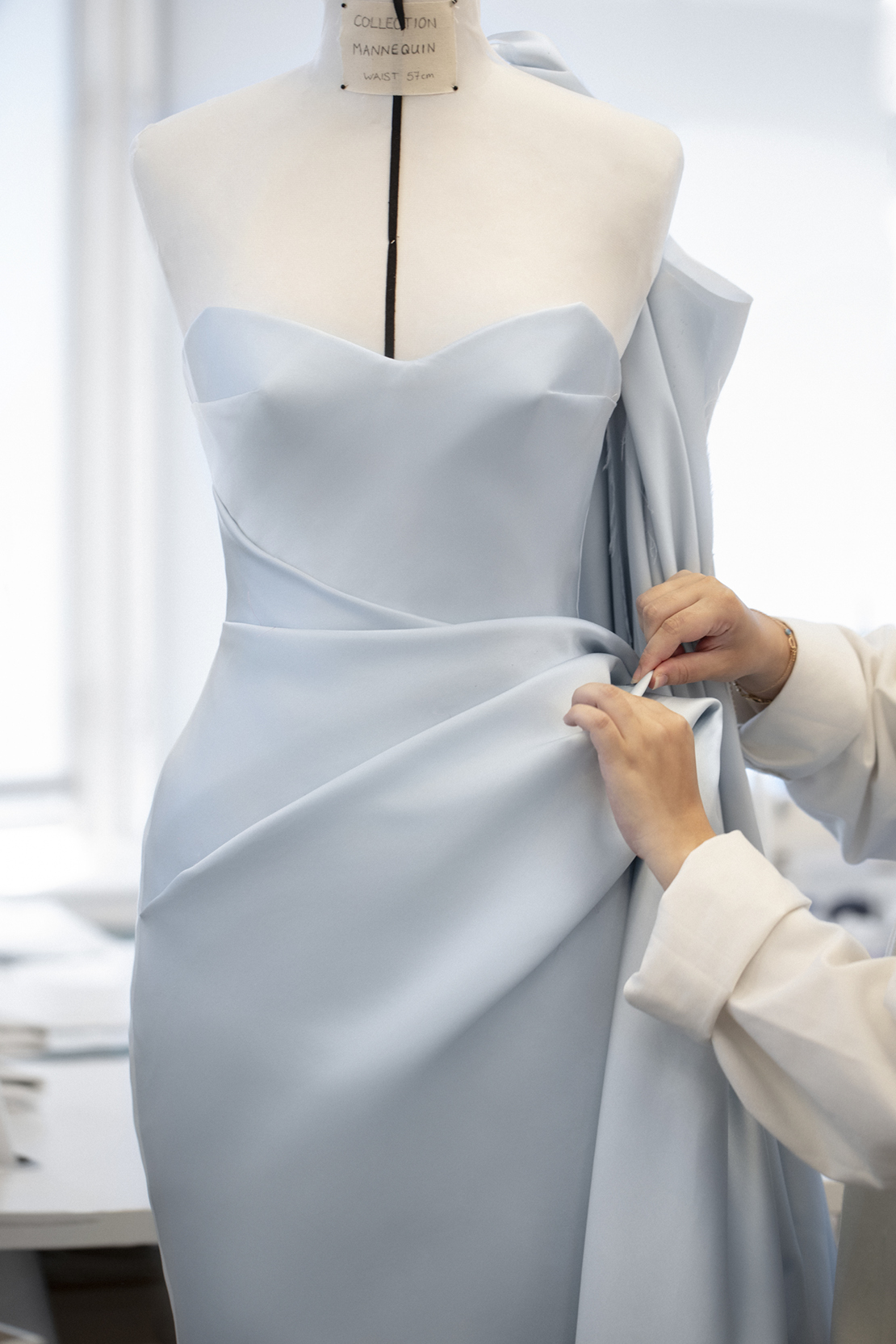
At its most traditional, the couture atelier is divided according to the way a garment is constructed. Tailleur ateliers focus on tailoring and structured pieces such as jackets, coats and suits, while flou ateliers specialise in softer silhouettes, draping and dresses. From there, the work often passes through the hands of artisans whose métiers can be traced back generations.
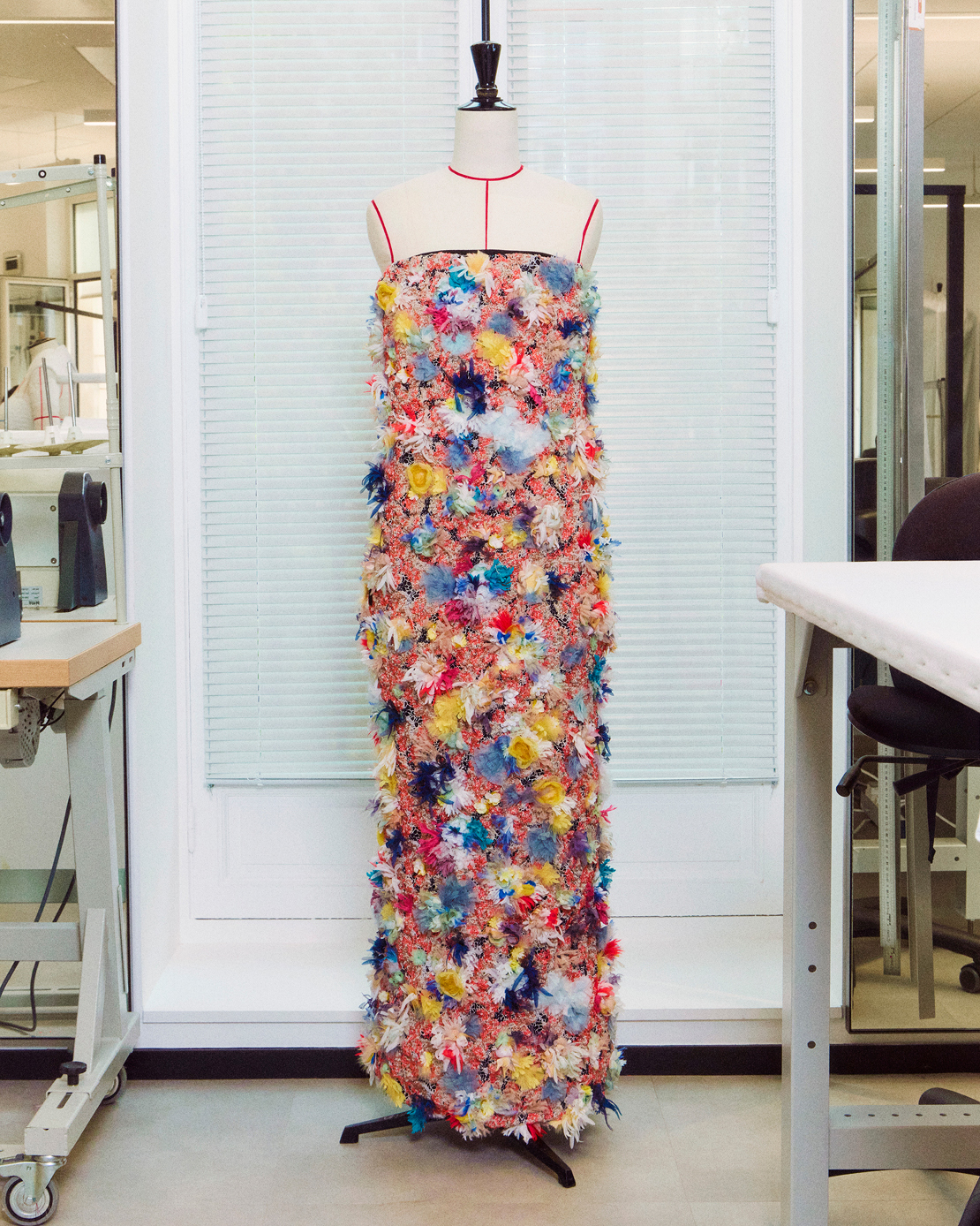
Few houses have invested in preserving this ecosystem as visibly as Chanel. Its network of specialist Maisons d’art includes Lesage for embroidery and tweed, Lemarié for feathers and floral work, Massaro for shoes, Goossens for jewellery and Maison Michel for hats. For Autumn/Winter 2026 Haute Couture, these crafts became integral to the collection’s language. Fabrics were manipulated to create unexpected textures, feathers were used with precision, and hand-worked surfaces gave familiar Chanel codes a new dimension. The effect demonstrated how traditional expertise can be continually reinterpreted in contemporary ways.
At Schiaparelli, Daniel Roseberry continues to push couture towards the surreal. The house’s Autumn/Winter 2026 collection balanced classical craftsmanship with more experimental techniques and unconventional materials. Sculptural silhouettes, intricate embellishment and technically complex surfaces blurred the line between clothing and object. The extraordinary hours required to complete certain pieces reveal just how much engineering sits behind the apparent fantasy. What reads as theatrical on the runway is often the result of painstaking construction and problem-solving behind the scenes.
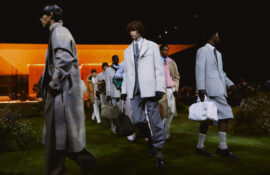
At Dior, under Jonathan Anderson, couture became a space for experimentation with proportion, texture and illusion. Fabrics were manipulated, shaped, and layered to challenge familiar expectations of dressmaking, while the atelier’s technical skill kept unconventional ideas refined. It is this relationship between concept and craft that gives couture its particular freedom: even the most abstract idea must ultimately be resolved by hand.
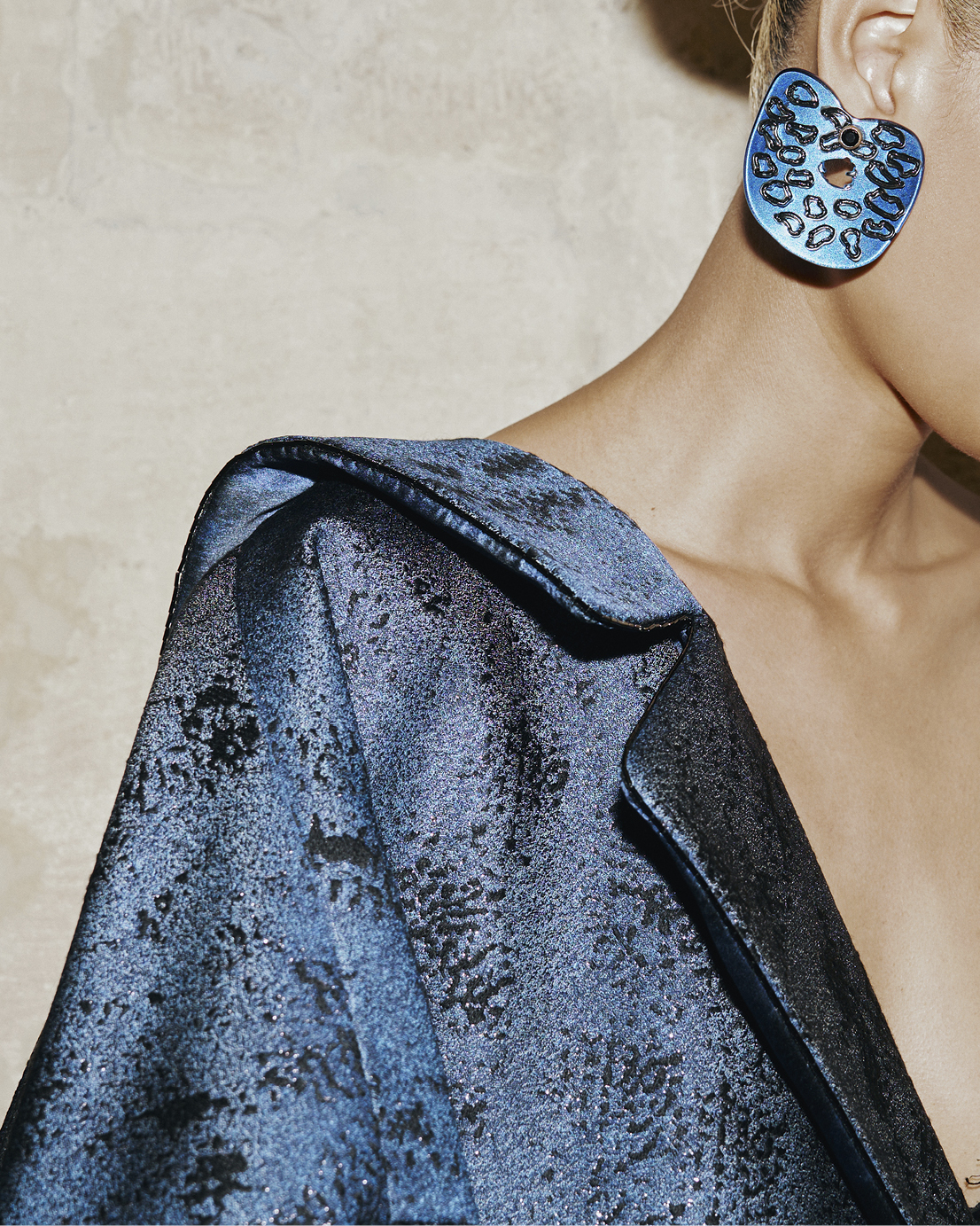
At Giorgio Armani Privé, craftsmanship often reveals itself more quietly. Precision is found in the line of a shoulder, the fluidity of a trouser or the balance of embellishment across an evening gown. Autumn/Winter 2026 combined disciplined tailoring with increasingly ornate eveningwear, proving that couture technique is not always defined by maximal decoration. Sometimes the greatest skill is making complexity appear effortless.
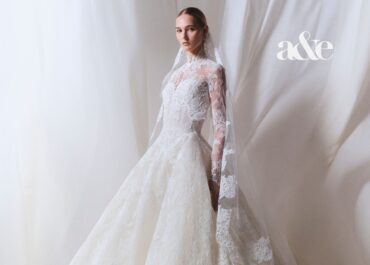
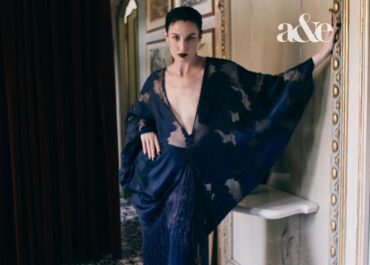
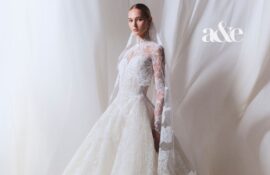
Elie Saab, by contrast, has long embraced couture’s decorative possibilities. For Autumn/Winter 2026, embroidery, draping, beading and pleating were layered across gowns designed to move between romance and theatricality. Multiple techniques can exist within a single piece, creating depth and dimension that industrial production cannot reproduce.
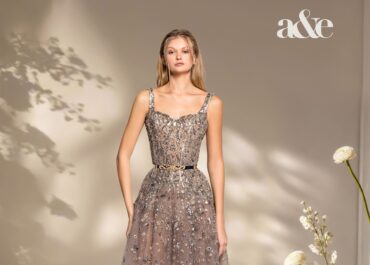
At Tamara Ralph, couture craftsmanship takes on near-jewel-like precision. The designer has spoken many times of her love for handmade, something that has been part of her life since she was a child. For her latest collection, shades of bronze, champagne gold, ivory and black were worked through crystal mesh, liquid silks and sculpted lace, while metallic embroidery and diamond baguette embellishments traced the body with the delicacy of fine jewellery. Yet beneath the apparent weightlessness of the gowns lay rigorous construction: corseted waists, sheer draping, hand-embroidered lace, and sharply controlled proportions that demonstrated the technical discipline required to balance softness, structure, and extraordinary surface detail.
This is ultimately where the value of haute couture lies. Its rarity matters, but so does the knowledge embedded in every garment. These métiers are built on gestures learned over decades, refined through repetition and passed from one generation to the next. Yet couture is not simply about safeguarding the past. Each season asks artisans to work with new materials, solve unfamiliar technical challenges and reinterpret historic skills for a contemporary audience.
The runway lasts only minutes, but the craft behind it can take months. That is precisely what makes haute couture extraordinary.