
For almost five decades, the BMW 7 Series has occupied a distinctive position within the marque’s line-up.
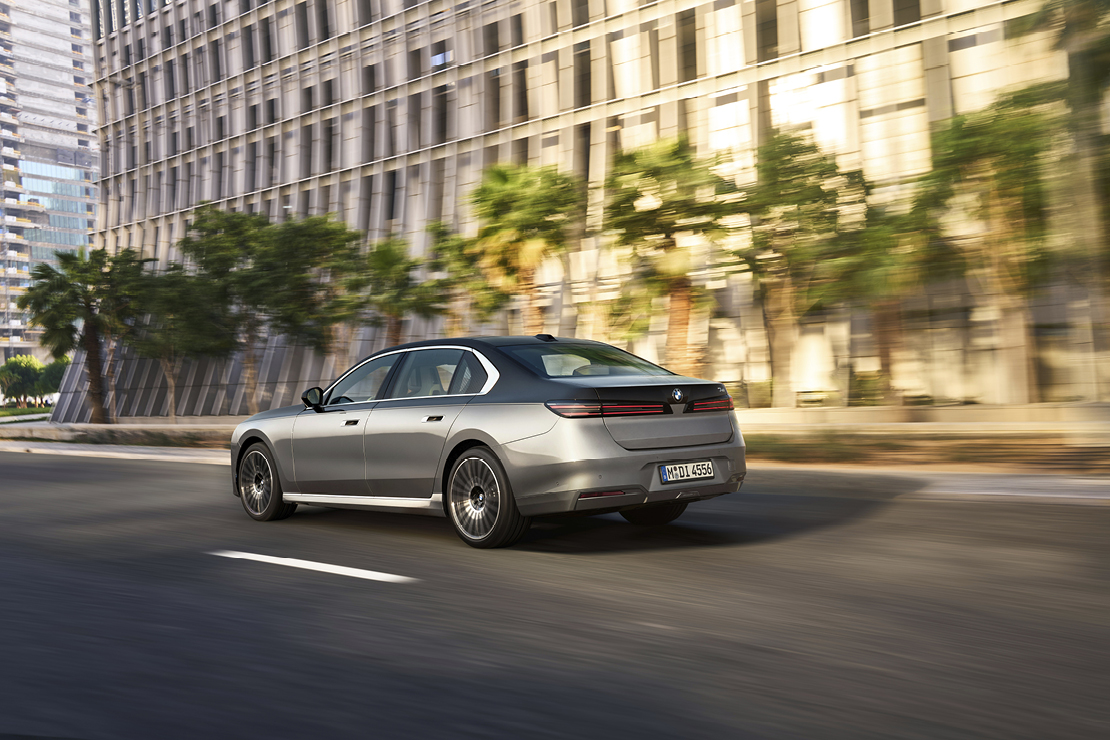
Since its debut in 1977, the flagship sedan has often been the model through which BMW introduces its most ambitious ideas, combining the comfort expected of a luxury chauffeur-driven car with the more engaging driving experience the brand is known for.
Now, the new BMW 7 Series arrives in the Middle East following its regional debut in Dubai, introducing a significant evolution in design, technology and personalisation. It also incorporates innovations developed for BMW’s Neue Klasse generation, hinting at the direction the wider brand is heading.
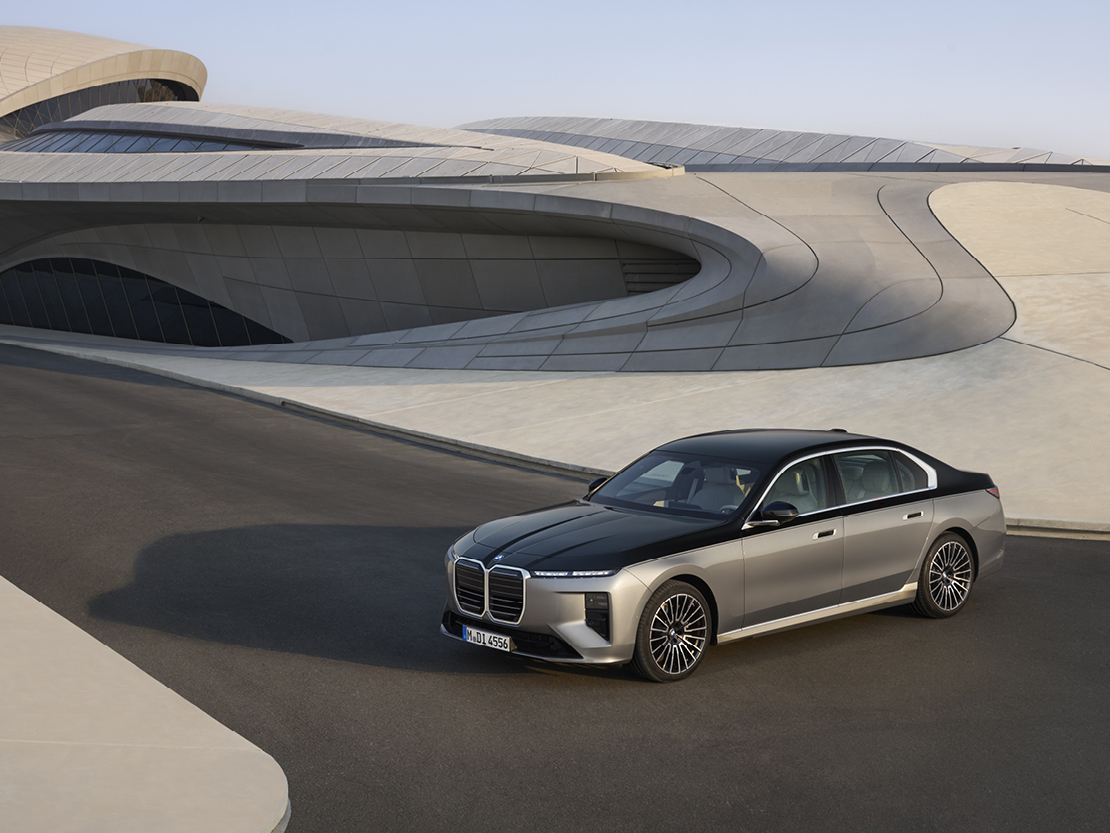
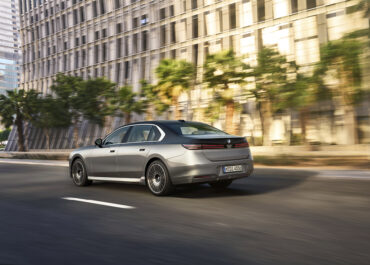
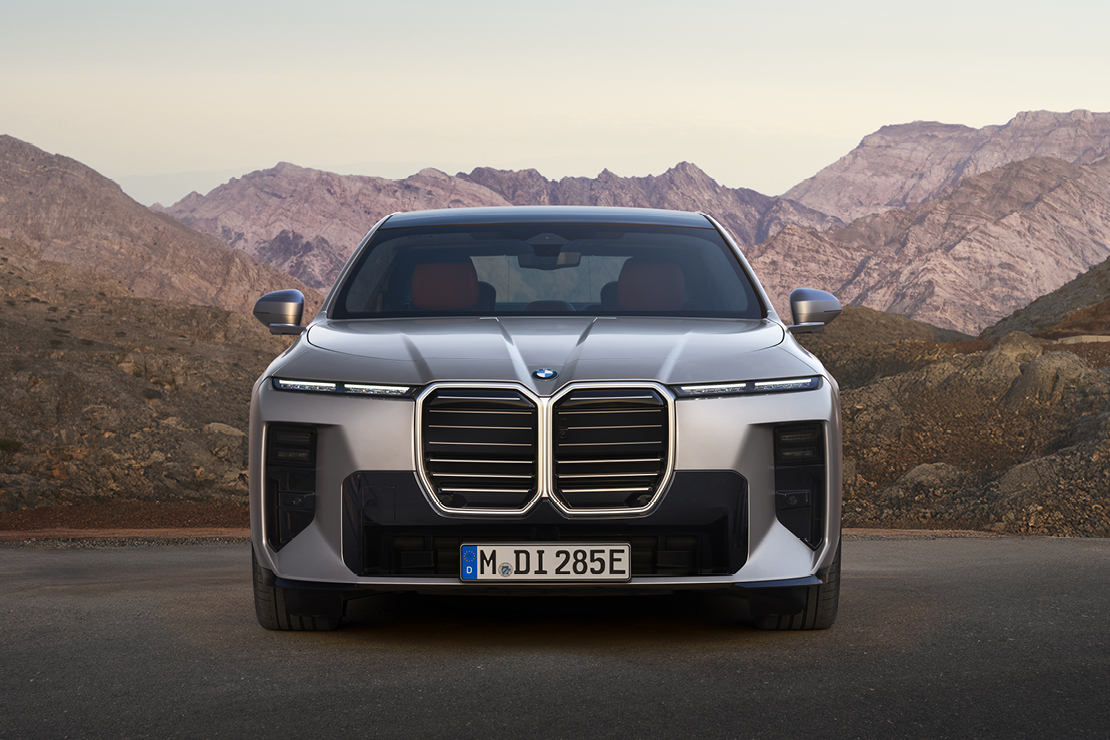
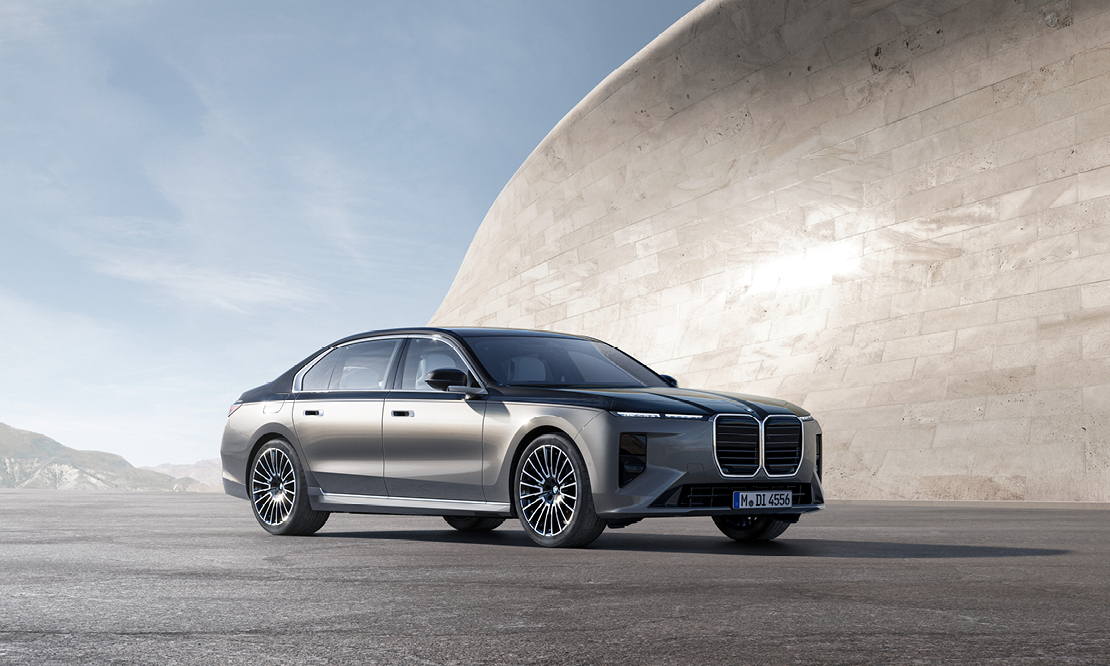
Visually, the latest 7 Series has an even more commanding presence. Its exterior features clean, architectural surfaces, letting the sedan’s generous proportions take centre stage. The familiar BMW kidney grille remains a defining feature, now illuminated through the Iconic Glow treatment, while slim crystal headlights add a more precise expression to the front.
The side profile has been deliberately simplified, while redesigned rear lights create a sharper finish. Buyers looking for a more sporting interpretation can choose from M Sport and M Sport Pro packages, alongside three M Performance models.
But some of the most interesting changes are found in the finer details.
Personalisation has become increasingly important at the highest end of the automotive market, and BMW Individual gives 7 Series clients considerable freedom to create something that feels genuinely their own. There are 130 exterior colours and 12 upholstery options, with further possibilities through BMW Individual Manufaktur.
Perhaps the most impressive development is BMW Individual Dual-Finish, a new paint technique created exclusively for the 7 Series. A matt finish on the lower section of the car is paired with metallic paint above, with a hand-applied coachline completing the effect.
The process took two and a half years to develop and involves more than 20 specially trained employees. Each vehicle passes through 12 stages and spends more than 75 hours in the paint shop, with much of the preparation, including masking and sanding, carried out manually.
It is a compelling reminder that even as cars become increasingly digital, traditional craftsmanship remains integral to the idea of luxury.
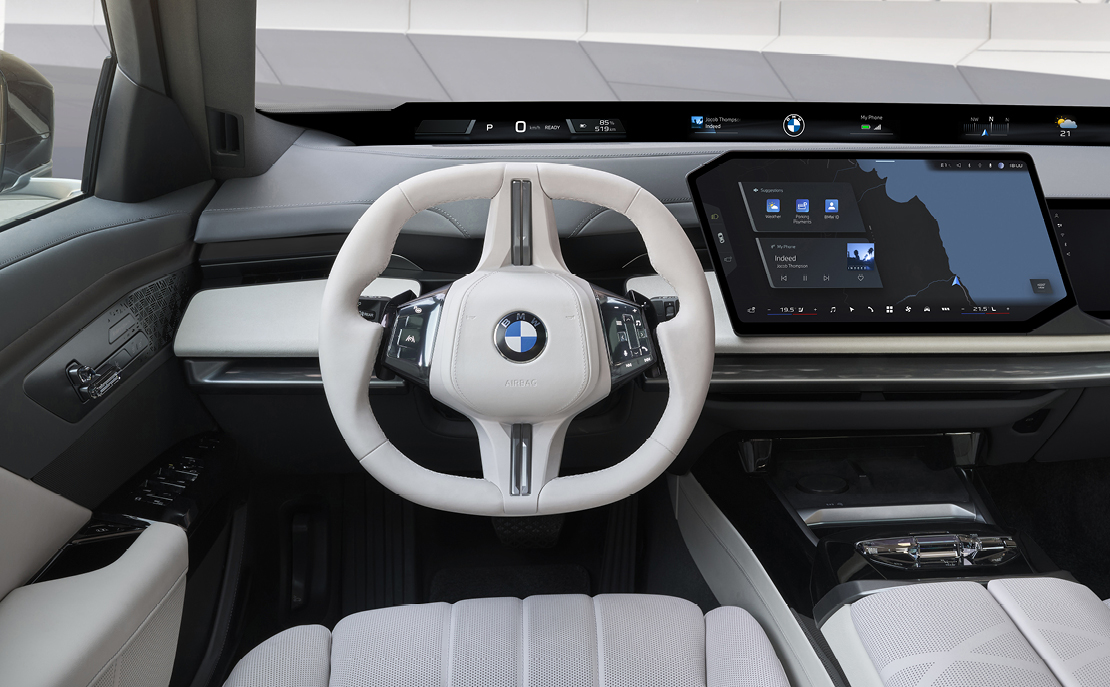
Inside, the relationship between technology and tactile materials continues. Leather, textiles, wood, crystal glass and metal bring warmth and depth to the cabin, while a new digital ecosystem is designed to make interacting with the car more intuitive.
BMW Panoramic iDrive, operating through BMW Operating System X, forms the centre of the experience. A dedicated Passenger Screen makes its debut, while rear passengers can access an upgraded BMW Theatre Screen supporting 8K streaming, gaming and video calls.
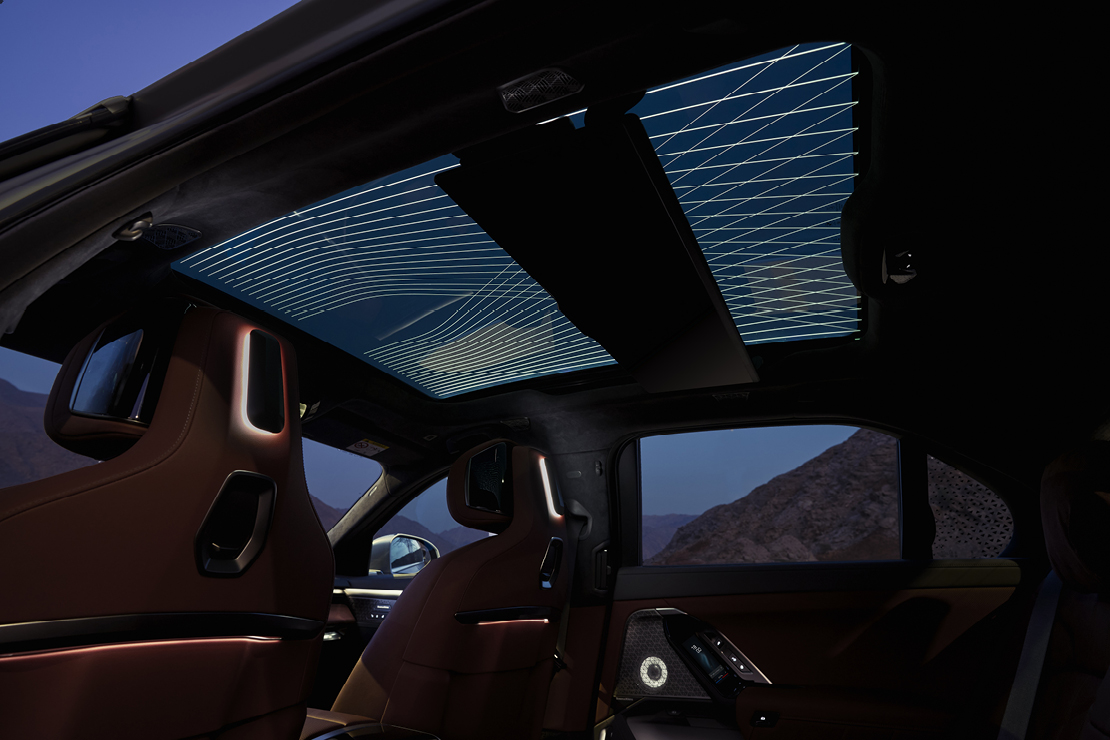
For a sedan that may be used as often from the rear seats as from behind the wheel, passenger comfort is a major focus. The optional Executive Lounge creates a private space for working or relaxing, complemented by a panoramic glass roof, four-zone climate control, automatic doors and an immersive lighting system. A Bowers & Wilkins audio system with Dolby Atmos further enhances the cabin experience.
Artificial intelligence is also becoming more deeply integrated. The BMW Intelligent Personal Assistant offers more sophisticated voice functionality, while AI-supported technology assists with parking-space detection and manoeuvring.
BMW Symbiotic Drive is designed to create a smoother interaction between the driver and the car’s assistance systems. In supported markets, Motorway Assistant can also allow hands-off driving at speeds of up to 130km/h.
Powertrain choice remains broad. The 7 Series is available with combustion engines using 48V mild-hybrid technology, plug-in hybrid options and fully electric variants. The electric models benefit from BMW’s sixth-generation eDrive technology and new cylindrical battery cells, helping deliver a claimed WLTP range of more than 720 kilometres.
Whatever the power source, BMW has maintained the model’s balance between comfort and performance. Adaptive two-axle air suspension comes as standard, while optional Integral Active Steering and more advanced chassis technology can further improve agility and refinement. Factory-fitted 22-inch wheels are also available for the first time.
There is a specialised version for clients requiring additional security, too. The latest BMW 7 Series Protection incorporates reinforced materials, specialist glazing and adapted suspension and braking systems while retaining the comfort and sophistication expected from the flagship model.
Sustainability also plays a greater role in its development. The electric i7 makes increased use of secondary materials and newer battery technology, while renewable energy is incorporated into the manufacturing process. All versions of the 7 Series are produced at BMW Group Plant Dingolfing in Lower Bavaria.
Ultimately, the new 7 Series reflects how the definition of automotive luxury is changing. Size, power and premium materials remain important, but they now sit alongside intelligent technology, personalisation and a sense of effortless convenience.
And for all the artificial intelligence and digital innovation on board, one of its most memorable details remains distinctly human: a coachline painstakingly applied by hand. In a car designed to look towards the future, BMW has ensured there is still room for craftsmanship, patience and individuality.