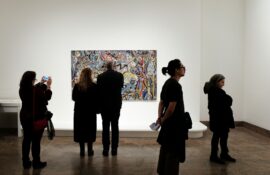

The Fondation Louis Vuitton is turning its attention to one of the lesser-known figures of early modern art with a major exhibition dedicated to Gustave Fayet (1865–1925), the French collector, artist and designer whose influence extended across painting, decorative arts and the avant-garde.
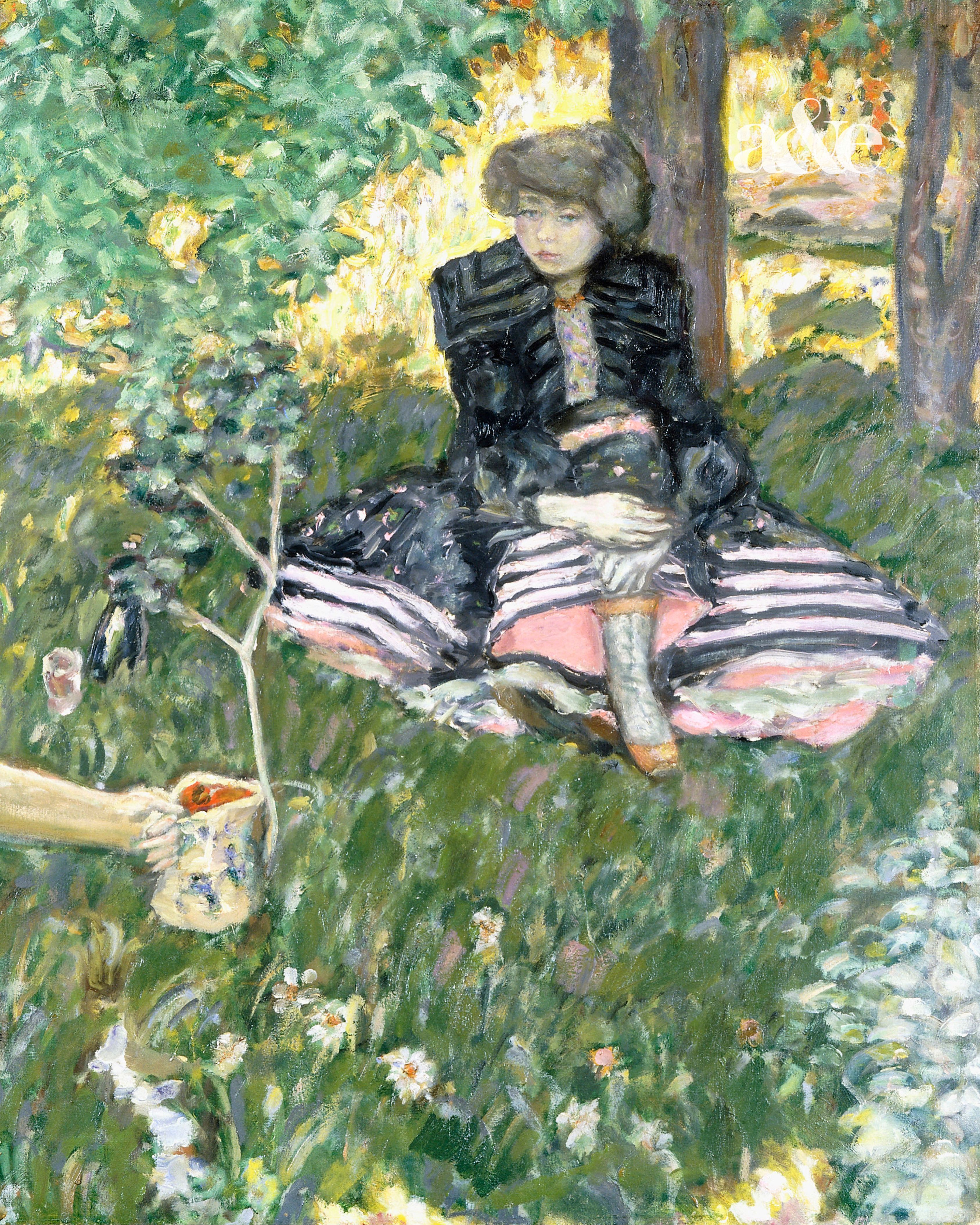
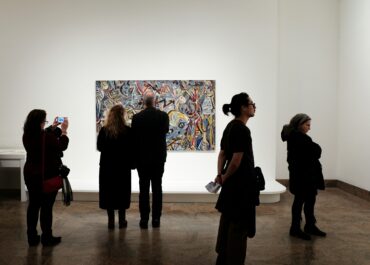
Running until the 8th of March 2027, Gustave Fayet: Collector – Artist Designer brings together an extraordinary 728 works and documents, occupying all the exhibition spaces of the Paris institution. Presented in collaboration with the Association du Musée d’Art Gustave Fayet à Fontfroide, the exhibition offers a comprehensive examination of a man whose contribution to modern art has largely been overlooked.
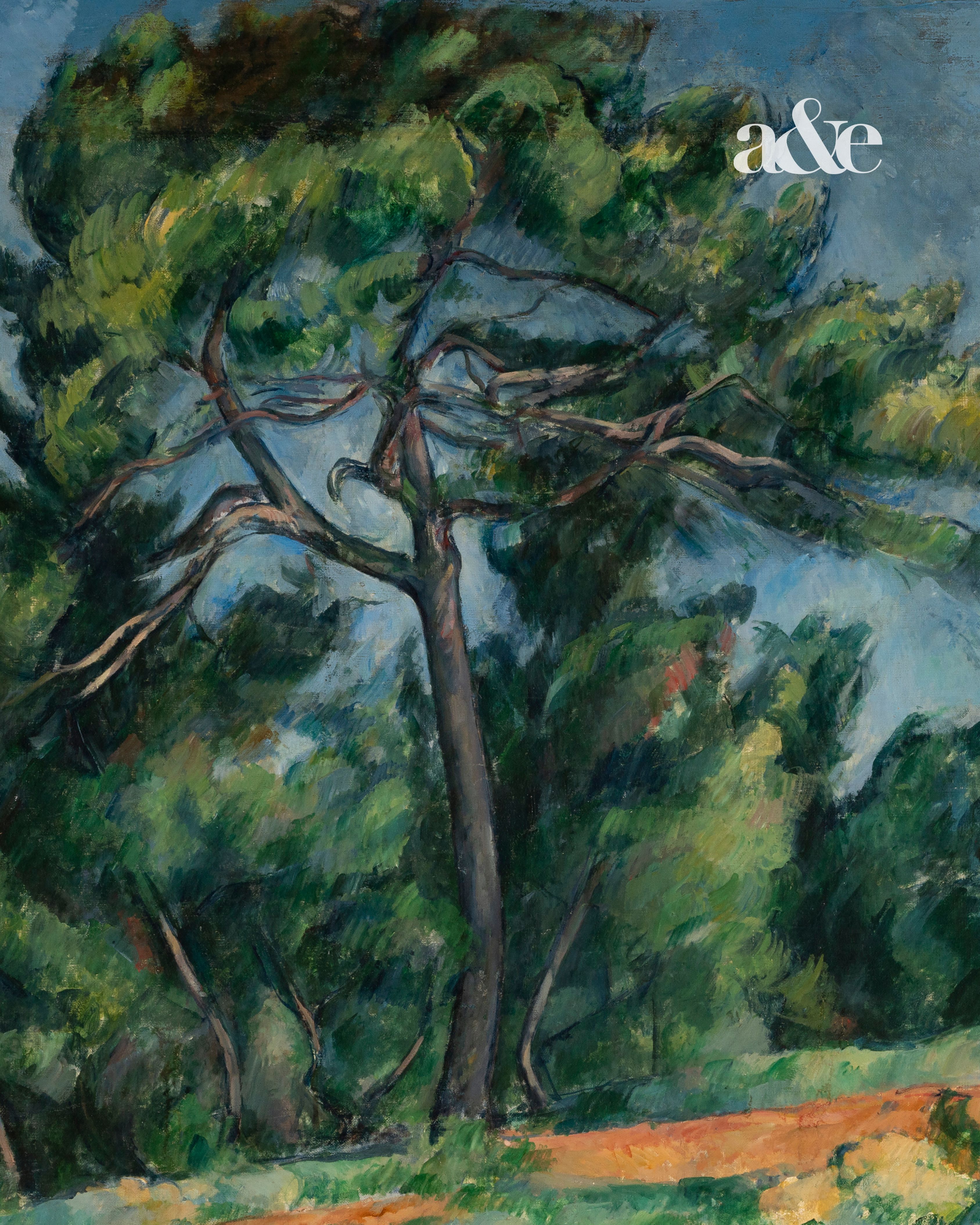
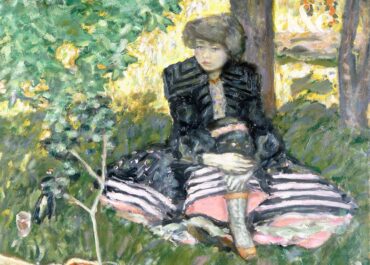
Born into a prosperous family of winemakers in Béziers, southern France, Fayet developed an early passion for painting before establishing himself as one of the most adventurous collectors of his generation. Among the first to acquire works by Vincent van Gogh and Paul Gauguin, he also exhibited Pablo Picasso in 1901 and championed the work of Symbolist painter Odilon Redon. His collection eventually encompassed more than 750 major works, including pieces by Edgar Degas, Paul Cézanne, Pierre-Auguste Renoir, Berthe Morisot and Henri Matisse.
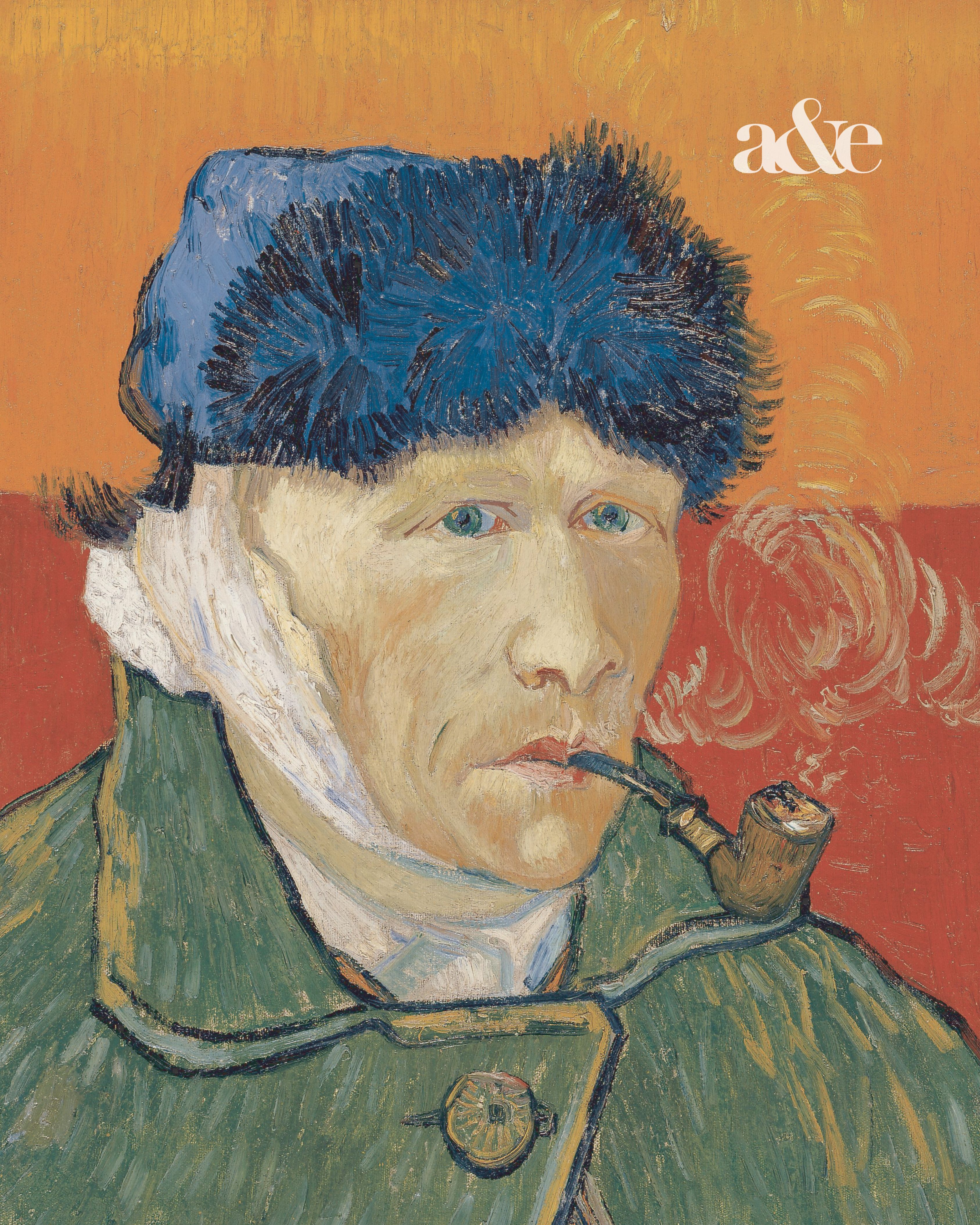
The exhibition reunites more than 250 works from his once-celebrated collection, now dispersed across international museums and private collections, alongside 374 of Fayet’s own creations. Among its highlights is Van Gogh’s Self-Portrait with Bandaged Ear and Pipe, returning to France for the first time since 1937, as well as three important Gauguin paintings, including The Yellow Christ. Also on display are the monumental decorative panels Day, Night and Silence, created by Redon for the library of the Abbaye de Fontfroide.
Acquired by Fayet in 1908, the twelfth-century abbey became an ambitious creative undertaking, as he sought to transform the historic building into a total work of art.
The exhibition also explores Fayet’s achievements as a designer, revealing a prolific practice spanning ceramics, watercolours, textiles, wallpaper, carpets and book illustration. His distinctive watercolour compositions on blotting paper, inspired by botanical and aquatic forms, became the foundation for carpets produced at his Atelier de la Dauphine, established in Paris in 1920. These designs attracted an influential clientele, including Jeanne Lanvin, Jacques Doucet and Robert de Rothschild.
Bringing together loans from 64 international institutions and 71 private collections, the exhibition is curated by Sylvie Patry, with Angeline Scherf overseeing the designer section. Exhibition staging is by Robert Carsen, offering an opportunity to rediscover a multifaceted creative whose collecting and artistic pursuits were inseparable.