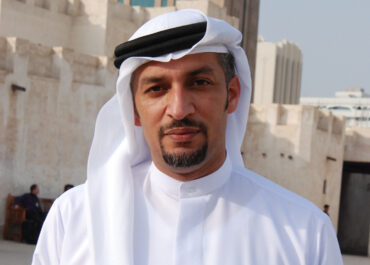

For Mohammed Kazem, art has always been a means of questioning how we experience the world around us. A pioneering figure in the UAE’s conceptual art movement, he began developing his practice in the late 1980s, exploring the relationship between individuals and their environment through sound, movement, photography, drawing and the passage of time. His work has since reached international audiences, including the 2013 Venice Biennale, where he represented the UAE.
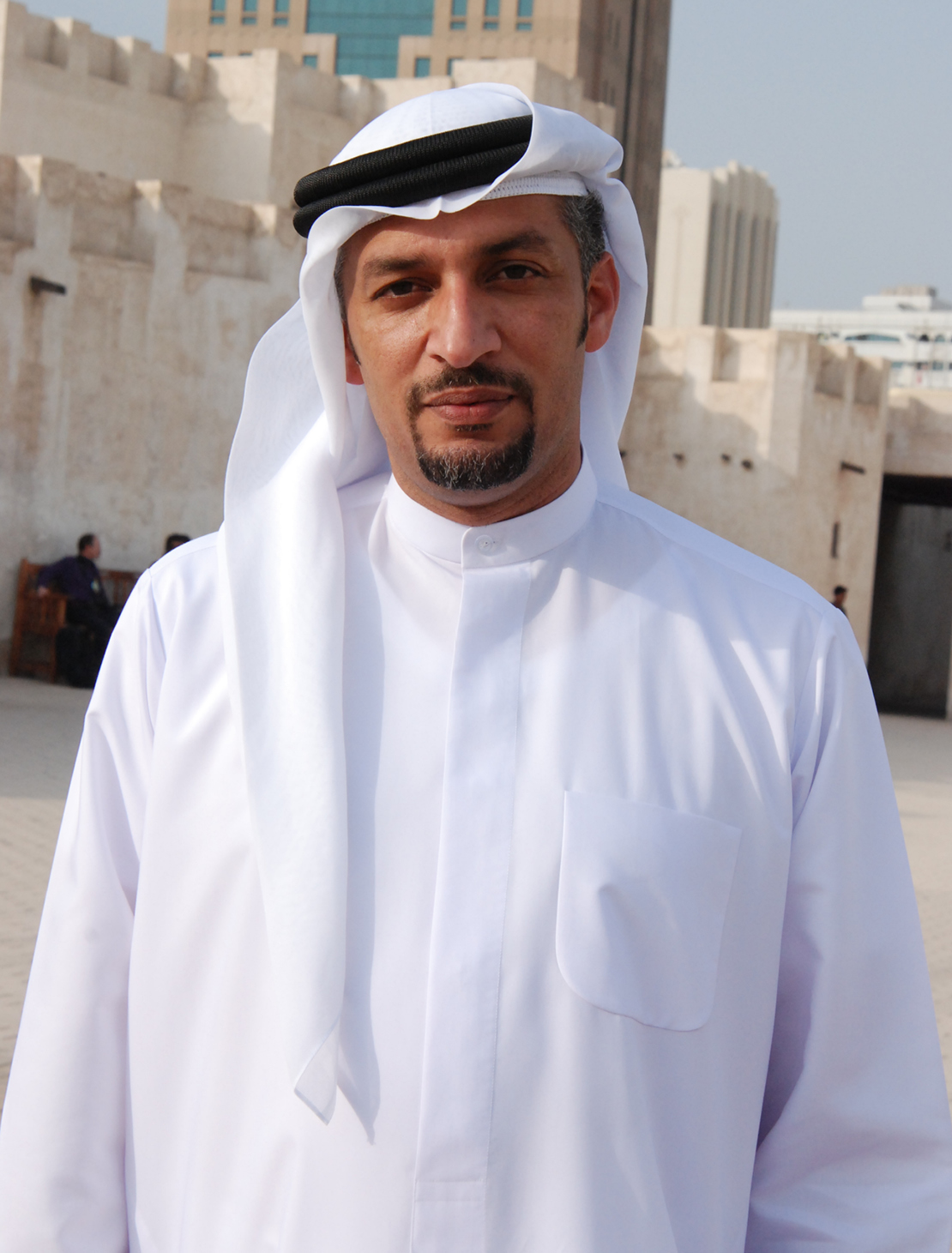
Now, Kazem’s practice is being presented alongside that of Emirati artist Alia Zaal in At Another Meeting Point, the inaugural edition of In Dialogue at Frieze Abu Dhabi. Curated by Dirwaza Curatorial Lab, the exhibition brings together artists from different generations, encouraging an exchange of perspectives on landscape, memory and perception. Here, Kazem discusses the ideas that continue to shape his work and his hopes for the next generation of Emirati artists.
What interested you about presenting your work alongside Alia Zaal, and where do you see connections between your practices?
What interests me about this dialogue is the opportunity to bring two different artistic perspectives into conversation. My practice has developed through a sustained investigation of the relationship between the individual and the surrounding environment, particularly through movement, sound, time and systems of measurement. Alia Zaal approaches her subjects through her own experiences and interpretations of memory, landscape and the environment.
I do not necessarily look for direct similarities between artists. Sometimes, the differences are more revealing. For me, a dialogue becomes meaningful when it opens up questions that neither artist might have considered in the same way before.
Having been part of the UAE’s contemporary art scene since the late 1980s, how have you seen it evolve?
When I began my artistic practice, the contemporary art scene in the UAE was still developing. My generation had to explore possibilities, experiment with materials and ideas, and develop individual approaches within a relatively limited infrastructure.
Over the following decades, the growth of museums, art institutions, galleries and international exhibitions transformed the cultural landscape. Artists in the UAE now have access to a much wider network of exchanges, resources and opportunities to present their work internationally.
However, I believe the most important development is not simply the growth of institutions or the increasing visibility of Emirati artists. It is the possibility of developing an independent artistic language. The challenge for every generation remains how to engage with the world while maintaining a critical relationship with its own experience and surroundings.
Your work frequently explores sound, light, movement and time. What continues to interest you about these subjects?
I have always been interested in elements that are constantly changing and cannot be entirely captured or controlled. Sound exists for a duration and then disappears. Light changes according to its surroundings. Movement takes place in time, while photography and video allow us to record certain aspects of it.
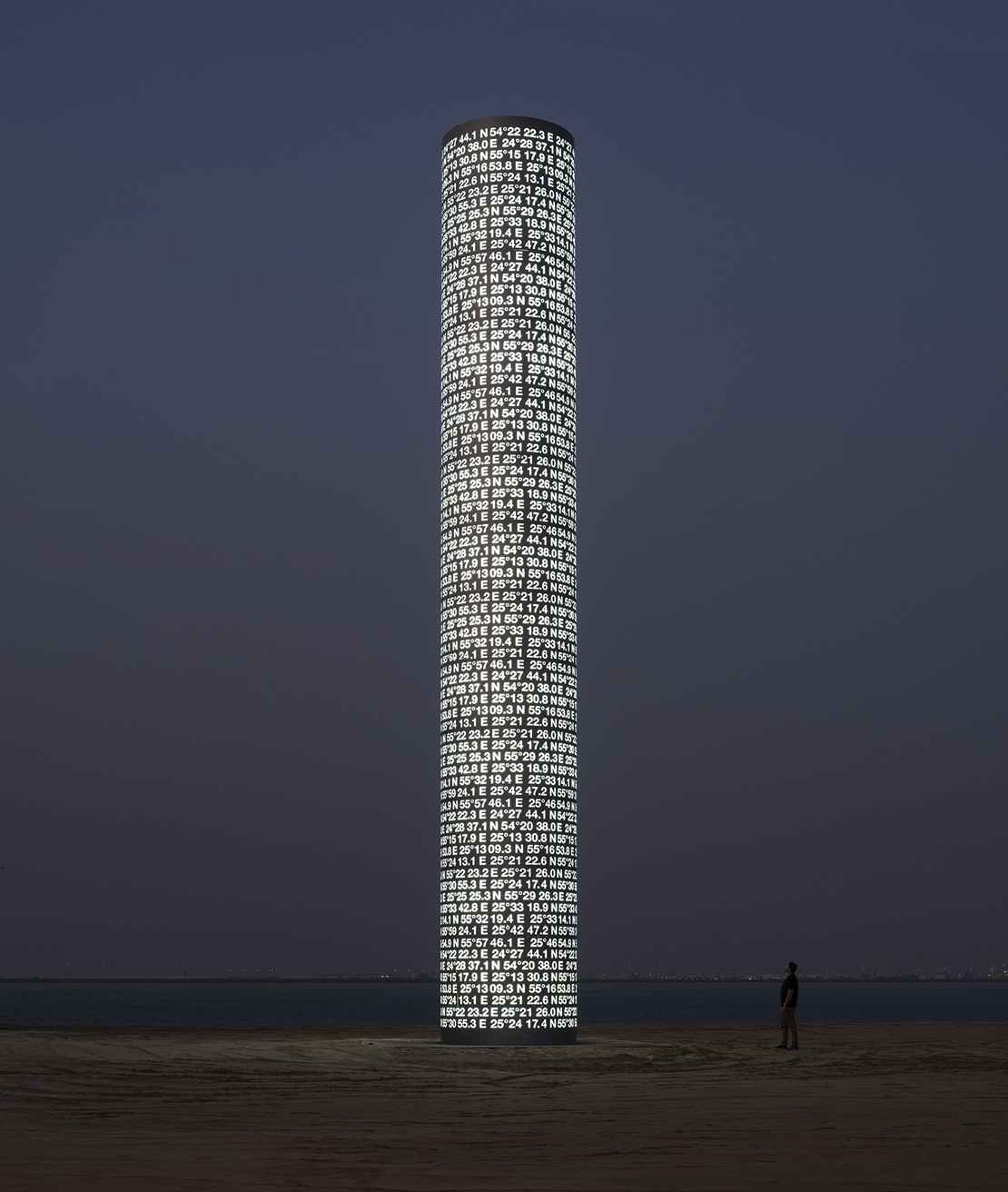
My approach often begins with observation and a process of documentation. However, the act of recording something also reveals the limitations of the method itself. A photograph records an instant, a video records a sequence, and coordinates identify a geographical position, but none of these can fully reproduce the experience of being present in a particular place.
Over the years, I have become increasingly interested in this gap between experience and representation.
You originally trained as a musician. How has this influenced your visual art?
My early experience with music introduced me to rhythm, repetition, duration and the relationship between sound and silence. These ideas have remained important to my visual practice, even when a work does not directly involve sound.
I am particularly interested in repetition and the subtle differences that emerge when an action is repeated. A gesture may appear identical each time, but its relationship to time, space and the surrounding conditions can change.
Music also encouraged me to think about structure and relationships rather than relying exclusively on narrative. In my visual work, I often leave room for the viewer to experience the relationships between elements without prescribing a particular interpretation.
How has the transformation of the UAE’s landscape influenced your work?
The transformation of the UAE has changed the physical environment in which I live and work, and inevitably influenced my relationship with the landscape. Places that were once remote or difficult to access have been altered by urban development, infrastructure and changing patterns of movement.
However, my interest in the environment has never been limited to documenting physical change. I am interested in how we establish our position within a place, how we navigate it, and how we attempt to understand it through observation and measurement.
In my work Directions (2002), I explored the relationship between geographical coordinates and physical presence. The work emerged from an experience of being at sea without visible reference points. Coordinates offered a means of identifying a position, but they also raised questions about the relationship between a location and our experience of occupying it.
What did representing the UAE at the 2013 Venice Biennale mean to you?
Representing the UAE at the Venice Biennale in 2013 was an important moment in my artistic journey. It provided an opportunity to present a body of work developed through many years of experimentation within a major international context.
The significance of this experience was not simply the visibility associated with participating in one of the world’s most important international art exhibitions. It was also an opportunity to bring questions that had shaped my practice into a wider conversation about contemporary art.
I also see the experience within the broader history of contemporary art in the UAE. The achievements of individual artists are connected to the efforts of earlier generations, to the development of cultural institutions, and to the opportunities created for artists who follow.
What can established artists offer younger generations, and what have you learned from working with emerging talent?
I believe established artists can offer younger generations experience, encouragement and opportunities to develop and present their work. However, I do not believe that the role of an established artist is to prescribe a particular direction or to encourage younger artists to follow an existing model.
Every artist needs to discover an individual language through experimentation, observation and sustained engagement with ideas. This process takes time, and it often requires the freedom to make mistakes and question one’s own assumptions.
Working with younger artists has also reminded me of the importance of remaining open to different perspectives. Each generation encounters a different set of circumstances, technologies and cultural questions. Their approaches can challenge established ways of thinking and reveal possibilities that were not previously apparent.
What would you like to see the UAE’s artistic community achieve in the coming years?
For the UAE’s artistic community, I hope to see continued support for experimentation, research and independent artistic practice. The development of museums and institutions is important, but so are critical discussion, education, opportunities for sustained artistic research, and the freedom to take risks.
I would also like to see stronger connections between generations, allowing younger artists to engage with the experiences of those who came before them while developing their own directions.
Ultimately, I believe the strength of an artistic community lies not only in its international visibility, but also in its ability to sustain meaningful questions, encourage different ways of thinking, and allow artists the freedom to develop their practices over time.