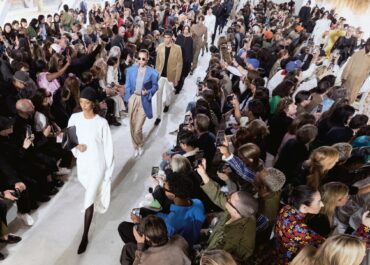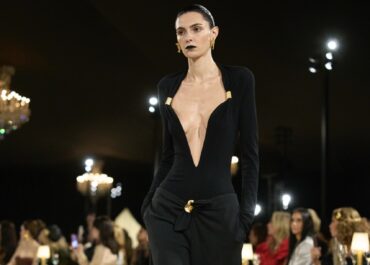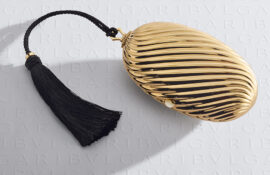

Maria Grazia Chiuri has placed the body at the centre of her first Spring/Summer 2027 collection for Fendi, exploring the relationship between masculine and feminine dress through a wardrobe designed around freedom, sensuality and self-expression.
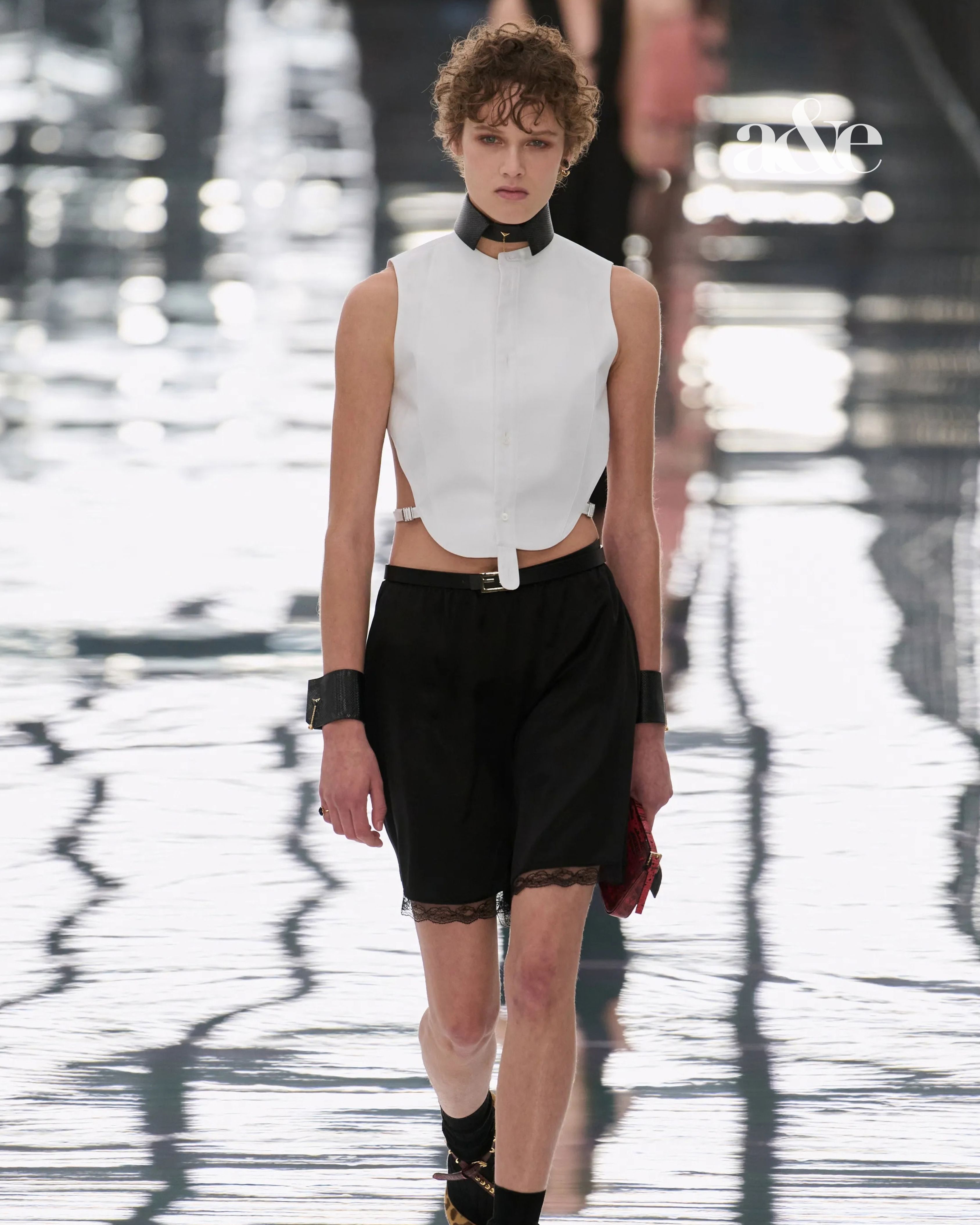
The designer draws on the words of E. E. Cummings’ poem “I like my body when it is with your body”, using the text as a reference point for the collection’s focus on mutual recognition and physical connection. The concept extends to the way garments are combined, with pieces layered across contrasting shapes, lengths, materials and textures.
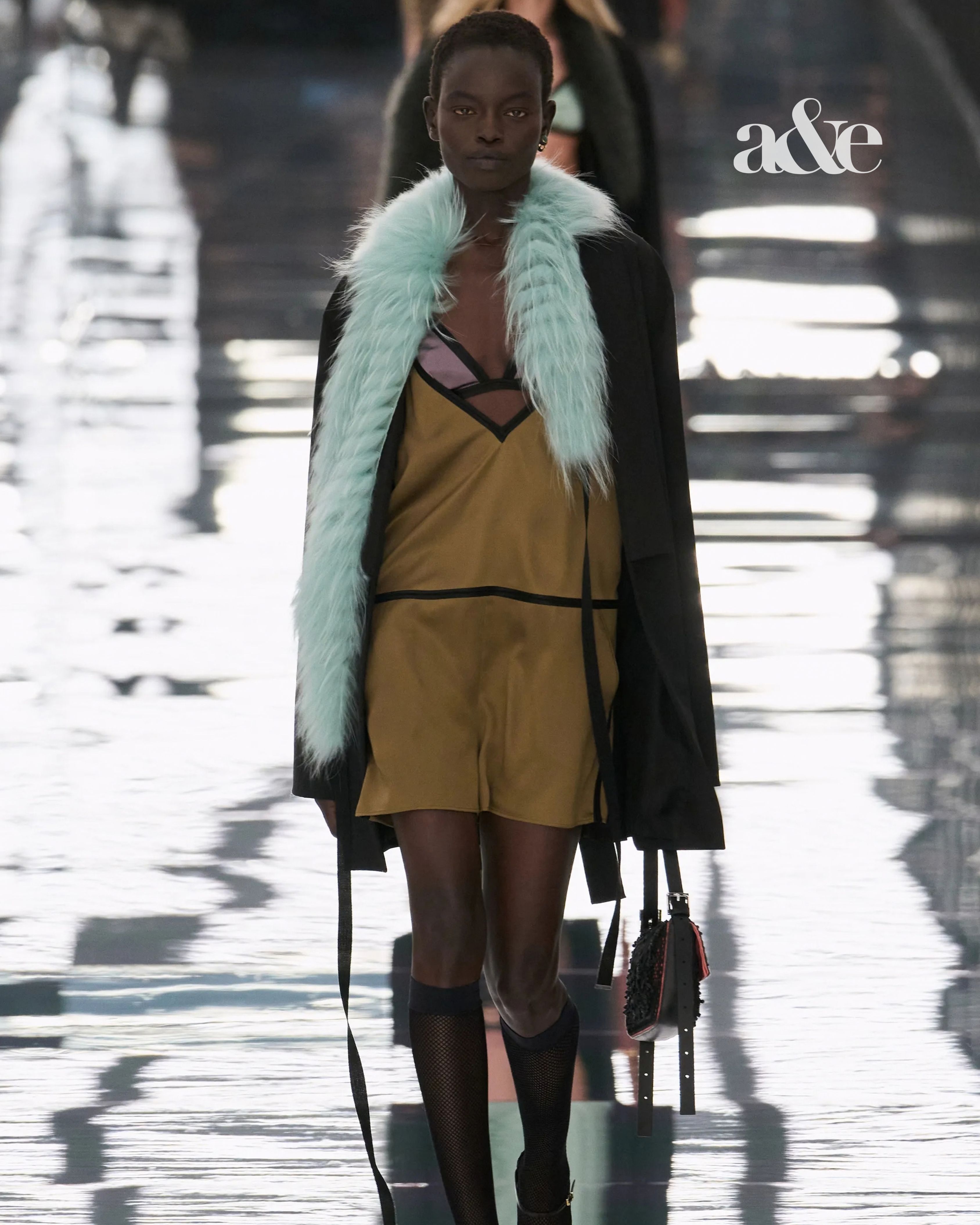
The collection takes undergarments as its starting point, using them as a lightweight layer that can either conceal or reveal the body. Chiuri develops these pieces through lace, embroidery and varied colours, presenting clothing as a second skin that responds to the relationship between bodies and emotions.
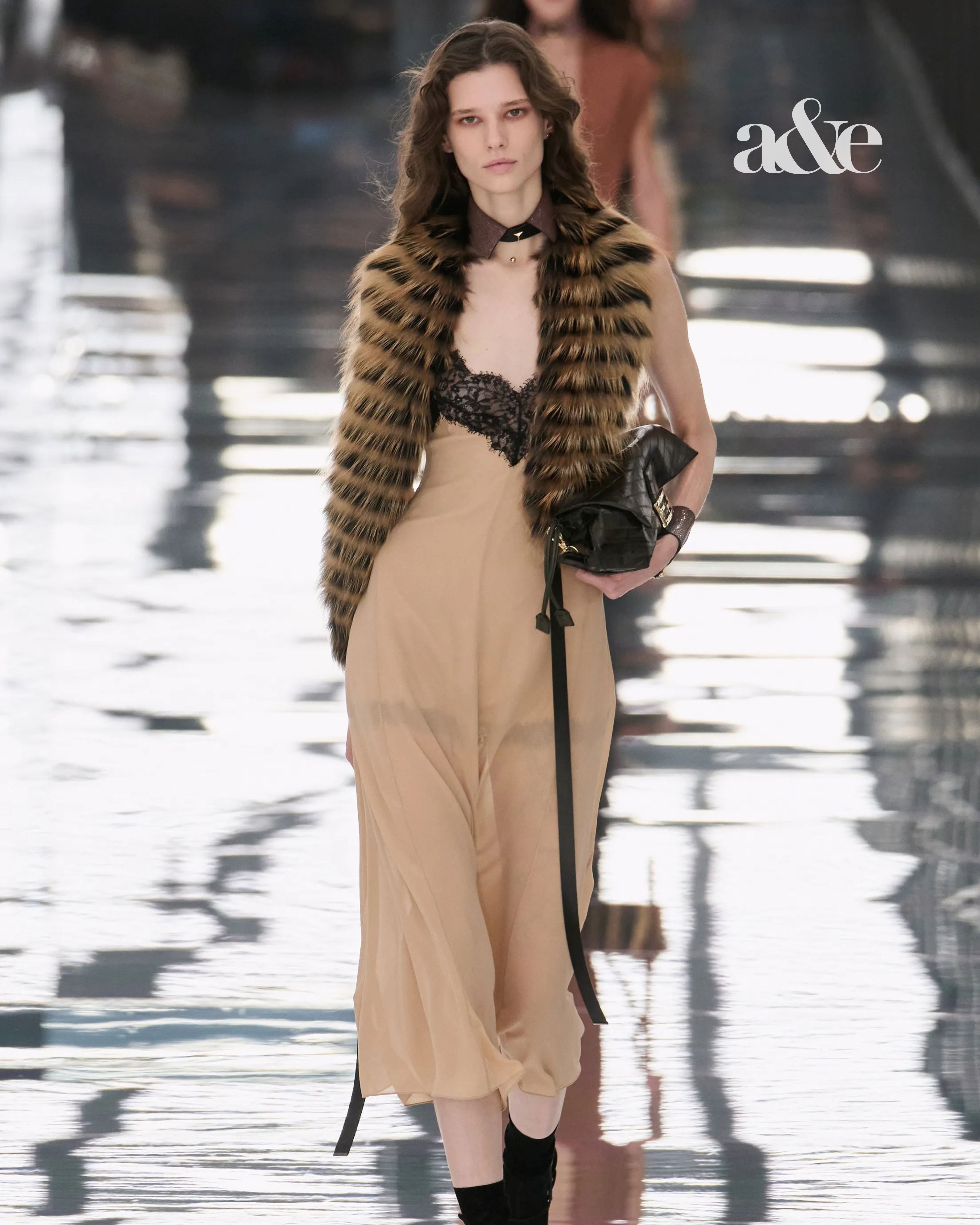
Italian pop culture also provides a key reference, with Raffaella Carrà serving as an example of independence and subversion. Known internationally for her stage costumes and distinctive approach to performance, Carrà’s influence appears alongside that of Adriano Celentano and the dancers from the performance of his popular 1970s song “Prisencolinensinainciusol”. (A song title made up of gibberish, meant to resemble American English).
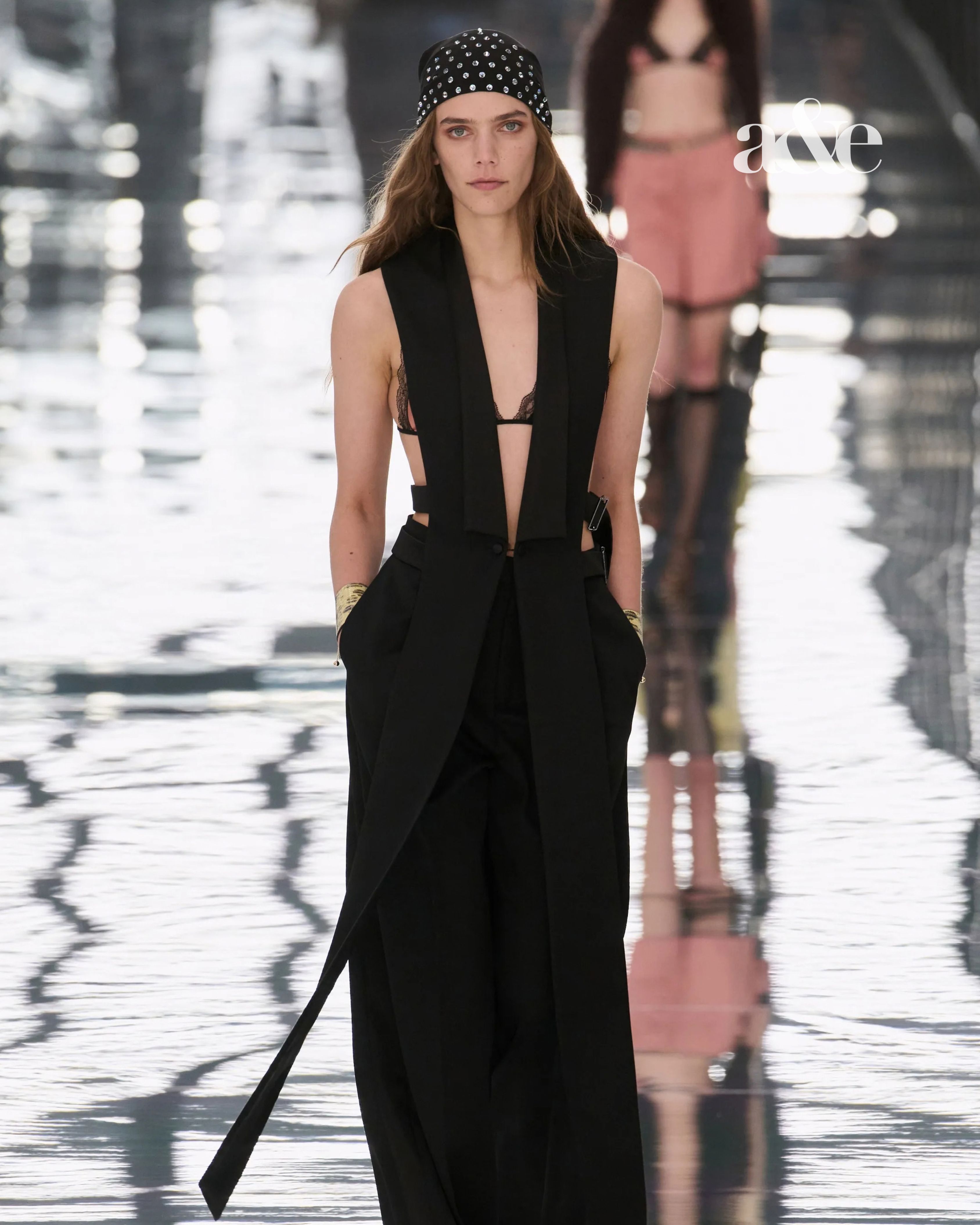
Mirrors become another recurring element. The collection references Luciano Fabro’s “Cubo di specchi” (Mirror Cube), translating the artwork’s reflective surfaces into a physical presence on the runway. The mirrors multiply the bodies of Carrà, Celentano and the dancers, while also placing the audience in relation to the reflected images of others.
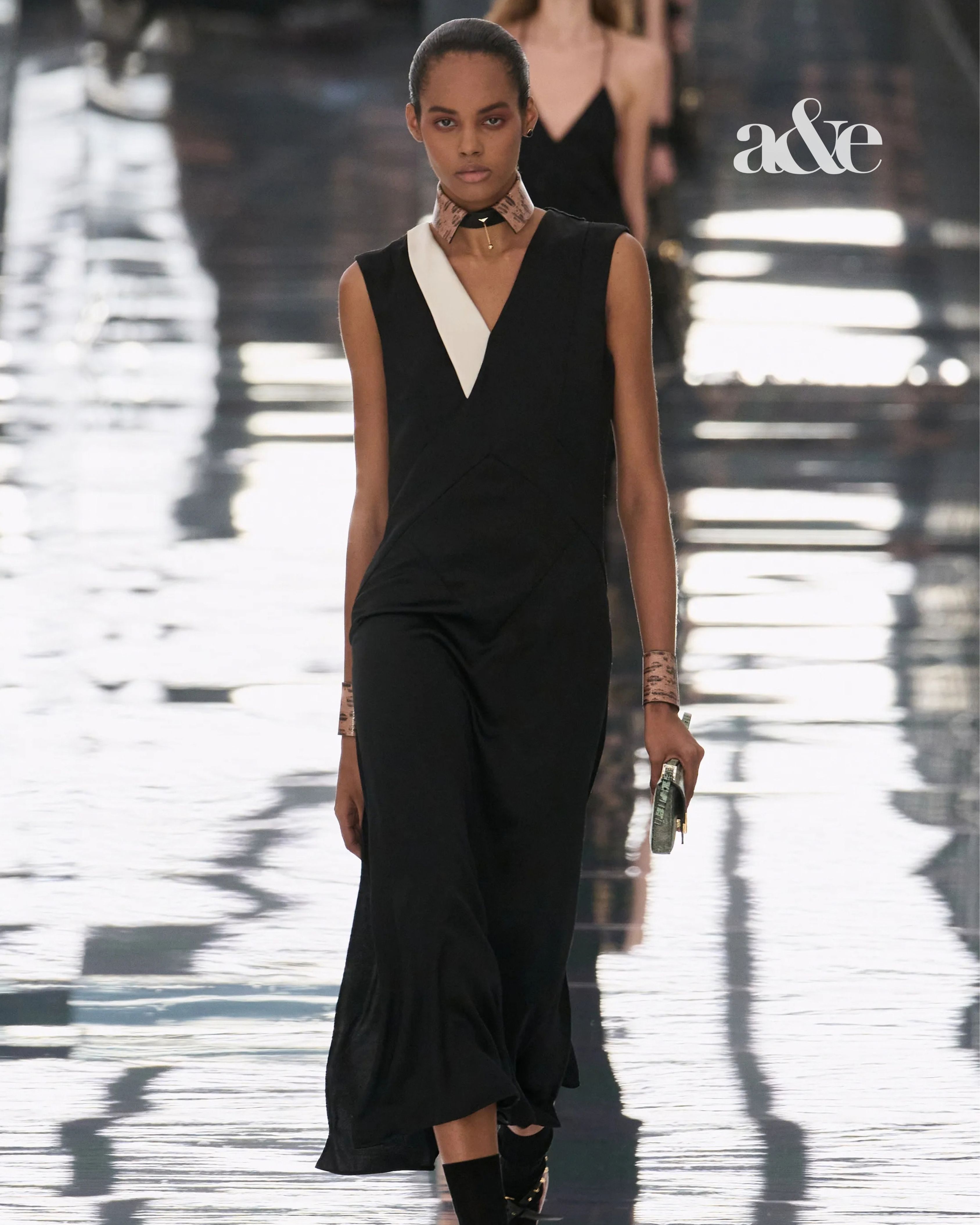
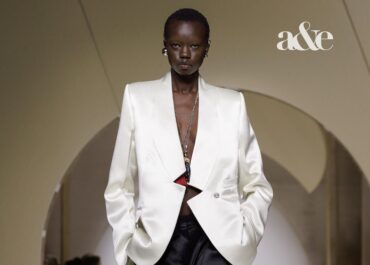
The clothes themselves are built around contrasts. Glossy and matte surfaces are combined with light and heavy materials, while silk appears alongside animal print, lace, embroidery and intarsia. Velvet and parchment sit alongside one another, while punk references meet more bourgeois elements. Among the collection’s more transformative pieces is a dressing gown reinterpreted for the street, while jewel shoes add another decorative element to the wardrobe.
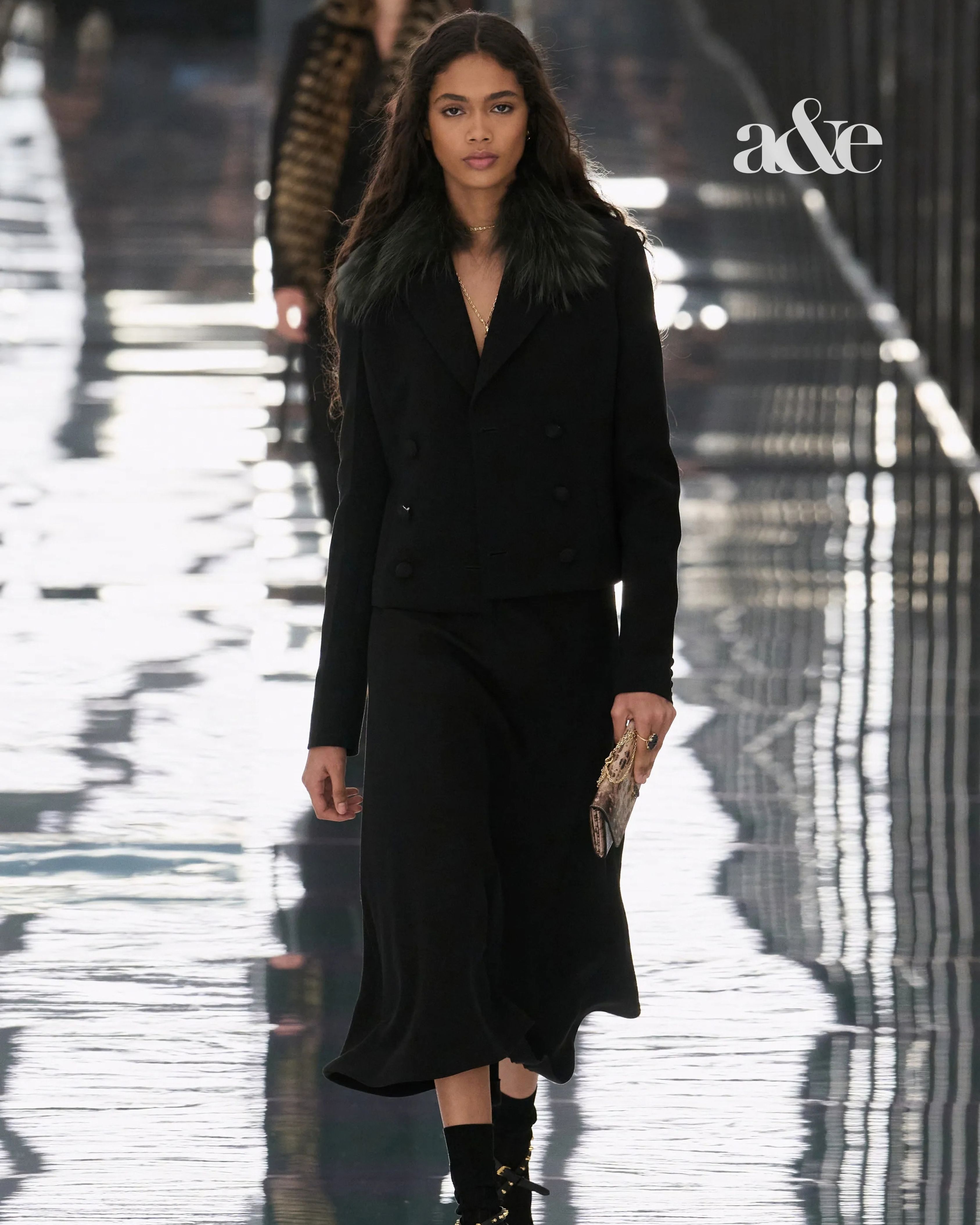
Chiuri rejects distinctions based on gendered dressing, with garments moving between different forms, proportions and materials rather than adhering to separate codes. Overall, the result is a collection focused on the body without attempting to constrain it, using layering, exposure and contrasts to explore how clothing can respond to contemporary ideas of identity, desire and connection.