
Chanel
Chanel
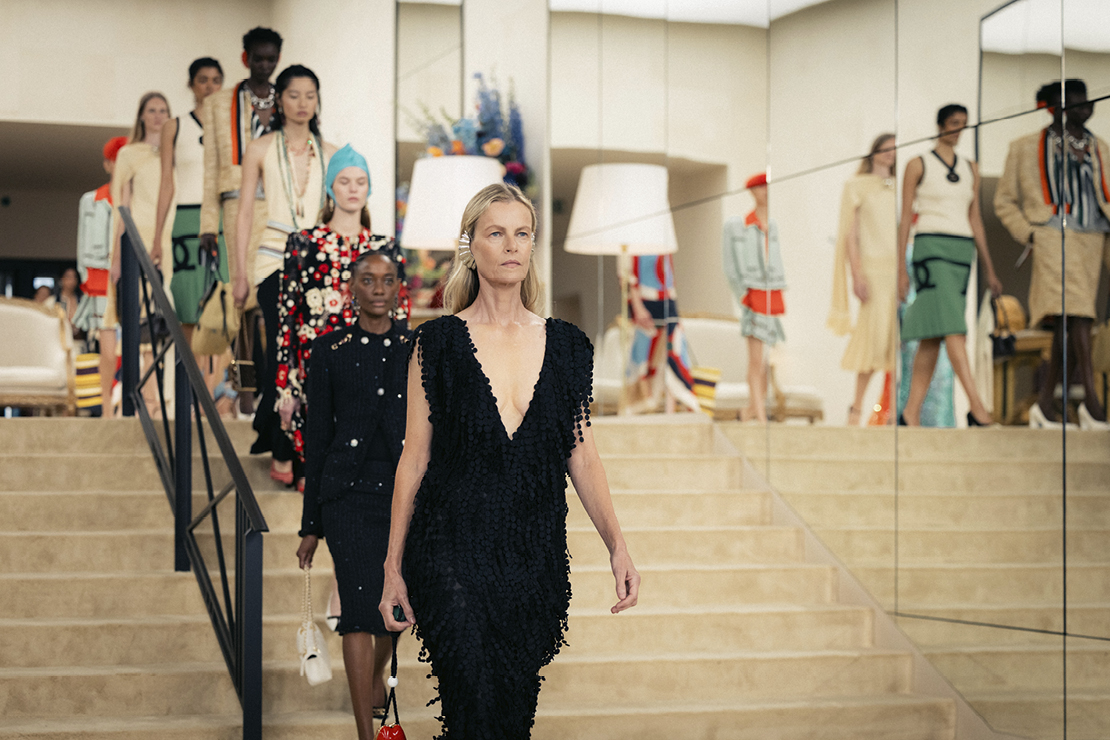
For his first Cruise collection for Chanel, Matthieu Blazy returned to one of the most important locations in the Maison’s history: the seaside town of Biarritz, where Gabrielle Chanel opened her haute couture house in 1915. The Cruise 2027 show explored ideas of freedom, movement and escape, themes that have long shaped both Chanel’s history and Blazy’s evolving vision for the house.
Biarritz has always held a special place in the Chanel story. Removed from the formality of Parisian society, it represented freedom, movement and modernity for Gabrielle Chanel, who transformed jersey, sportswear and seaside dressing into a new vision of elegance. Blazy tapped directly into this spirit, building a collection that moved fluidly between practicality and glamour, restraint and fantasy.
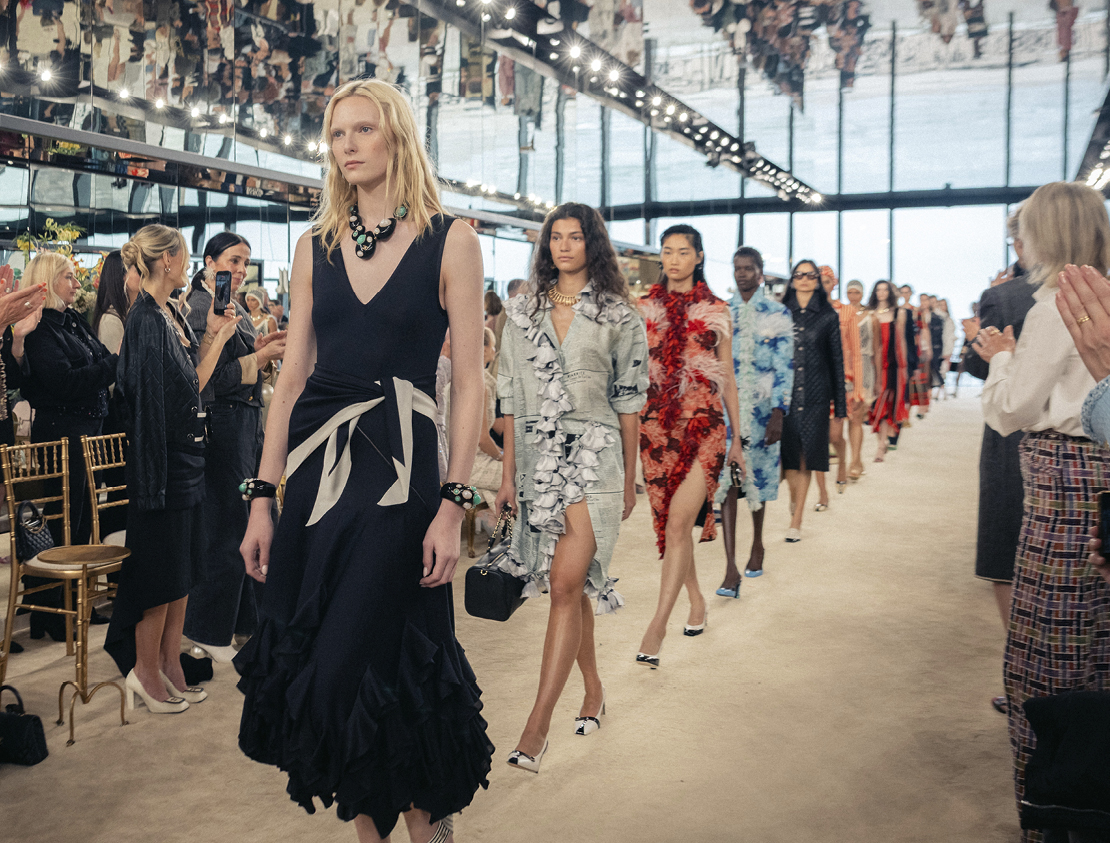
The setting itself reinforced the mood. Held in a mirrored salon overlooking the coastline, the show unfolded against grey skies and crashing waves, grounding the collection in a sense of escape rather than polished Riviera perfection. Blazy described Biarritz as a place where “function and fiction” coexist, and this tension shaped much of the collection.
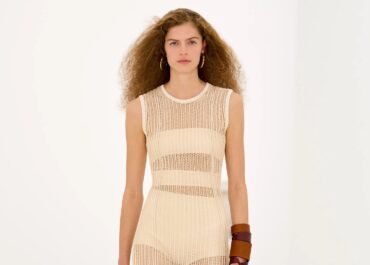
There was an ease to the silhouettes that immediately felt convincing. Blazy revisited archetypes associated with Chanel, marinière stripes, black dresses, tweed and swimwear, but approached them with a more instinctive and playful hand. A series of looks inspired by 1920s bathing suits and swimming caps referenced the liberation of the female body that Chanel herself championed, while oversized black dresses with dropped waists and sculptural proportions softened the collection’s more graphic moments.
What made the show particularly successful was Blazy’s ability to shift between worlds without losing coherence. Breton-striped sweaters were paired with fluid printed skirts trimmed with tassels, while bold tweeds appeared in vibrant colours that felt lighter and more youthful than the house’s traditional interpretations. Towards the finale, shimmering fish-scale paillettes introduced a dreamlike quality, a subtle nod to the mythology of the sea and the “fictional mermaid” Blazy referenced backstage.
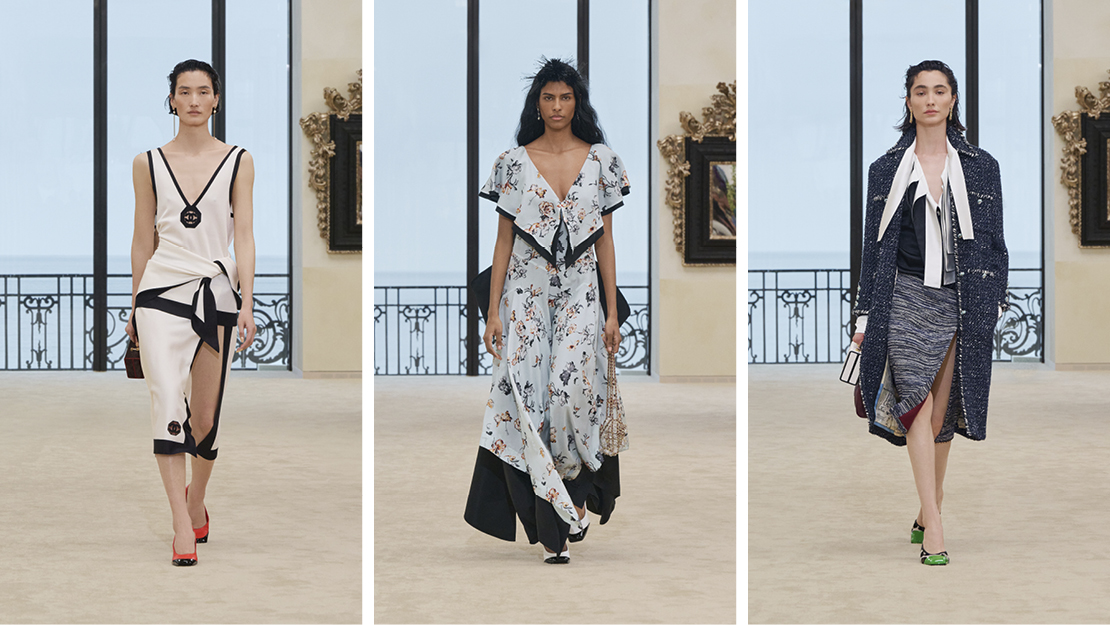
Accessories carried much of the collection’s wit. Oversized beach bags, miniature luggage-inspired purses, and waterproof flap bags reinforced the idea of movement and travel, while the now much-discussed “heel caps” left the foot almost entirely bare except for a sculptural heel tied delicately at the ankle. These touches prevented the collection from becoming too reverential. Instead, they injected humour and experimentation into the house’s heritage.
Most importantly, the show captured something that has long sat at the heart of Chanel: freedom. Not simply freedom of movement, but freedom of identity, of dressing instinctively and without rigid rules.
Dior
For his first Cruise collection for Dior, Jonathan Anderson approached the house with greater confidence and clarity, building on the direction established in his earlier collections while pushing it into more relaxed, expressive territory. Presented against the backdrop of the newly opened David Geffen Galleries at the Los Angeles County Museum of Art in Los Angeles, the Cruise 2027 show reinforced Anderson’s evolving vision for Dior, one that feels intellectually sharp, contemporary and deeply connected to craft.
Anderson’s approach to Dior has been one of the most anticipated creative shifts in fashion, not least because of his ability to merge craft, cultural references and commercial instinct with remarkable precision. Here, he leaned into the idea of American glamour through a distinctly European lens, filtering Hollywood grandeur through his own offbeat sensibility. The result was a collection that balanced elegance with eccentricity, moving between refinement and disruption without ever feeling forced.
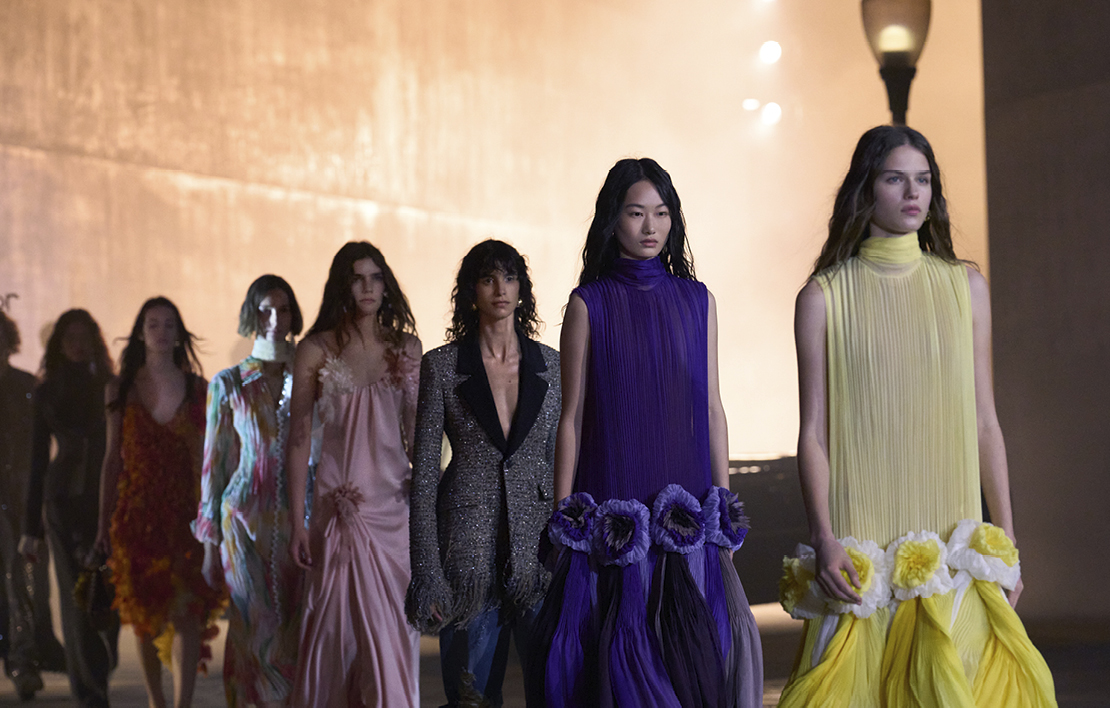
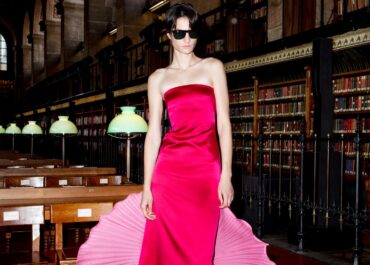
The silhouettes immediately established the tone. Tailoring remained central, but Anderson softened its rigidity through proportion and fabrication. Sharp Bar jackets appeared with subtle twists, while sweeping coats and structured outerwear carried an ease that prevented the collection from becoming overly formal. Elsewhere, voluminous dresses embroidered with rosettes and embellished with florals brought texture and movement to the runway, echoing Dior’s historic fascination with decoration while avoiding nostalgia.
What felt particularly compelling was Anderson’s treatment of fabric. Tweeds, silks and embellished textiles were manipulated in ways that gave familiar Dior codes a more lived-in sensibility. Even the collection’s more theatrical pieces retained a sense of wearability. A velvet evening jacket styled with denim perfectly encapsulated the show’s spirit, dissolving the boundary between couture references and contemporary dressing. It is this balance that Anderson has always mastered so effectively: clothes that feel culturally aware yet instinctive, rather than conceptual for its own sake.
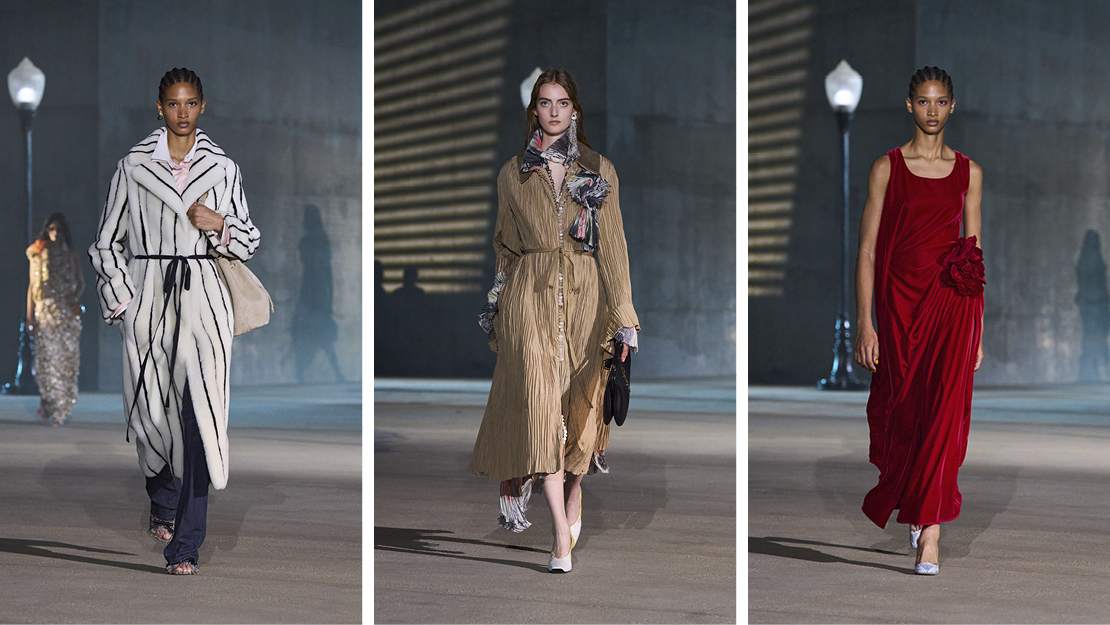
The collection also revealed a more youthful energy at Dior. There was looseness in the styling, ease in the layering, and confidence in letting pieces feel slightly undone. The peplum waists and softly sculpted lines nodded to Dior’s historic silhouettes, yet Anderson approached them with enough restraint to make them feel relevant rather than archival.
With this collection, Anderson offered a dialogue between craftsmanship, modern glamour and personal expression.
Gucci
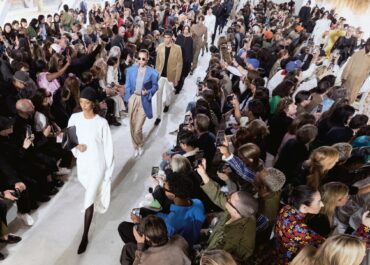
For Cruise 2027, Gucci presented “Guccicore” in New York, a collection centred around eclectic dressing, layered identities and the expressive energy of personal style. Set against the backdrop of Times Square, and highlighting the city’s fast-moving atmosphere, the show carried a sense of spontaneity and individuality that felt closely connected to the way fashion exists in real life, fluid, emotional and constantly evolving.
The collection moved between glamour and utility. Tailoring remained central, though it was handled with a softer, more relaxed attitude. Oversized coats, elongated jackets and structured outerwear appeared alongside lace slips, sheer fabrics and crystal embellishment, creating silhouettes that felt dramatic while still maintaining ease. Leather outerwear and faux fur added further intensity, lending the collection a darker, more cinematic mood.
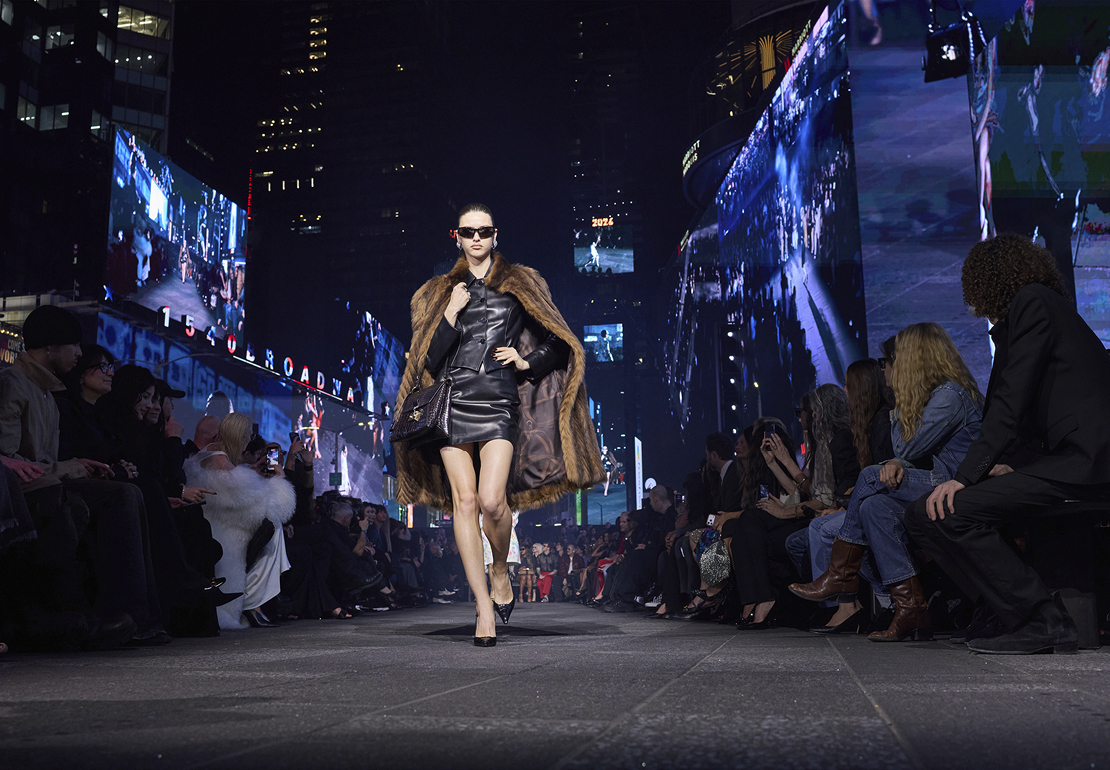
What made the show particularly compelling was its sense of character. “Guccicore” felt populated by multiple personalities and references, echoing the diversity and unpredictability of New York itself. There were nods to nightlife, vintage dressing, corporate uniforms and street style, all layered together through Gucci’s distinctive visual language. The styling embraced contrast and exaggeration, though always with a strong sense of intention.
Accessories amplified this atmosphere throughout the collection. Oversized bags, tinted sunglasses, sculptural jewellery and towering footwear reinforced the exaggerated proportions of the silhouettes, while familiar Gucci signatures appeared subtly throughout. Rather than feeling archival, these references were reworked through a more contemporary lens, giving the collection freshness and immediacy.
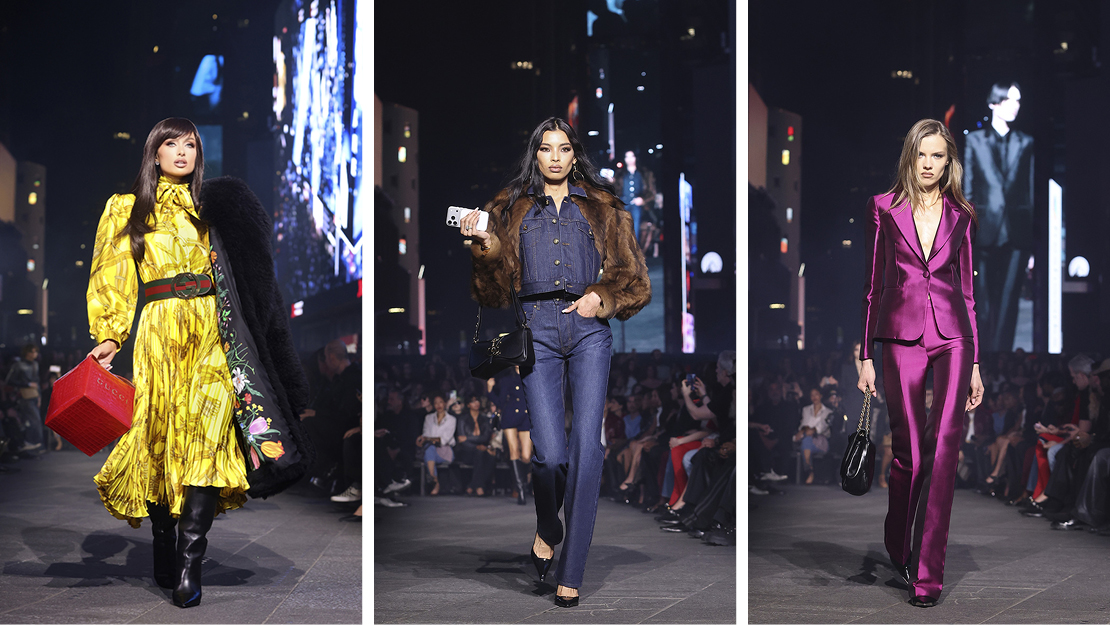
The show also carried a strong emotional energy. At a time when much of fashion continues to favour restraint and minimalism, Gucci remains deeply committed to bold dressing, texture and visual impact. “Guccicore” celebrated fashion as an extension of personality, embracing the idea that clothing can reflect contradiction, experimentation and individuality all at once. The collection leaned fully into excess, glamour and layered styling without losing clarity.
New York itself became an important part of the collection’s identity. The pace, unpredictability, and diversity of the city could be felt throughout the show, shaping clothes that appeared instinctive and lived-in rather than overly polished. The collection captured the feeling of different worlds intersecting, where tailoring, glamour, and street references coexist.
Louis Vuitton
For Cruise 2027, Louis Vuitton also turned its attention to New York, with Nicolas Ghesquière exploring the cultural dialogue between Paris and the city through a collection titled Metropolitan Life. Presented at the historic Frick Collection in Manhattan, the show unfolded as a study of duality, examining the intersections between old-world refinement and contemporary urban energy, French savoir faire and the layered realities of American style.
Ghesquière has long been fascinated by movement, travel and the emotional possibilities of clothing, and here those ideas were channelled through the identity of New York itself. The collection approached the city as a place of contradiction and coexistence, where uptown and downtown, glamour and utility, heritage and subculture continuously collide.
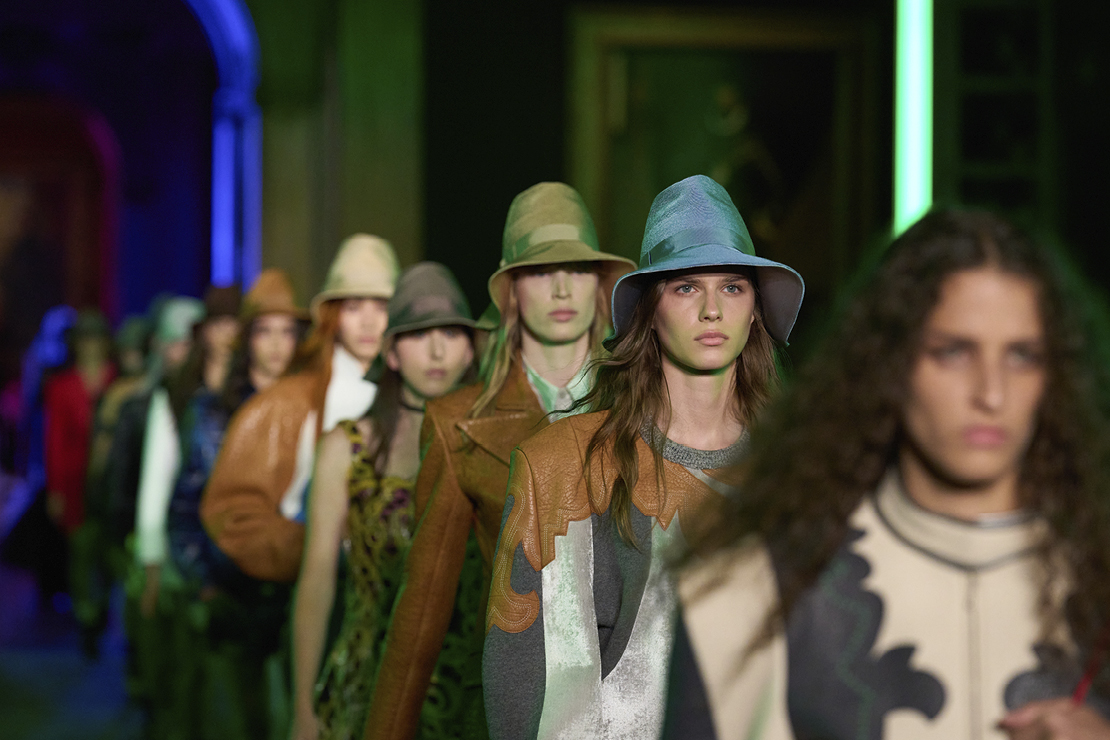
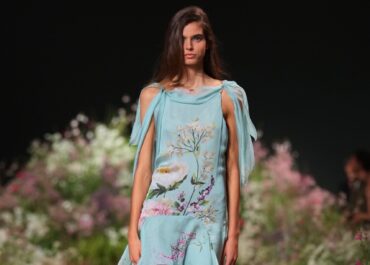
One of the collection’s strongest elements was its integration of pop culture and art. Inspired by the discovery of a 1930s Louis Vuitton suitcase reworked by Keith Haring, the collection incorporated Haring’s instantly recognisable visual language across garments and accessories. Rather than feeling decorative, these references reinforced the show’s wider exploration of New York as both cultural symbol and lived experience. Graffiti-inspired embroidery, vivid colour and graphic detailing brought energy to the collection, balancing the more polished and historical elements of the setting.
The silhouettes reflected this layered perspective. Tailoring remained sharp yet fluid, moving between elongated coats, structured jackets and softened eveningwear. Elsewhere, jersey, leather and denim referenced the foundations of American dressing, though elevated through intricate construction and embellishment.
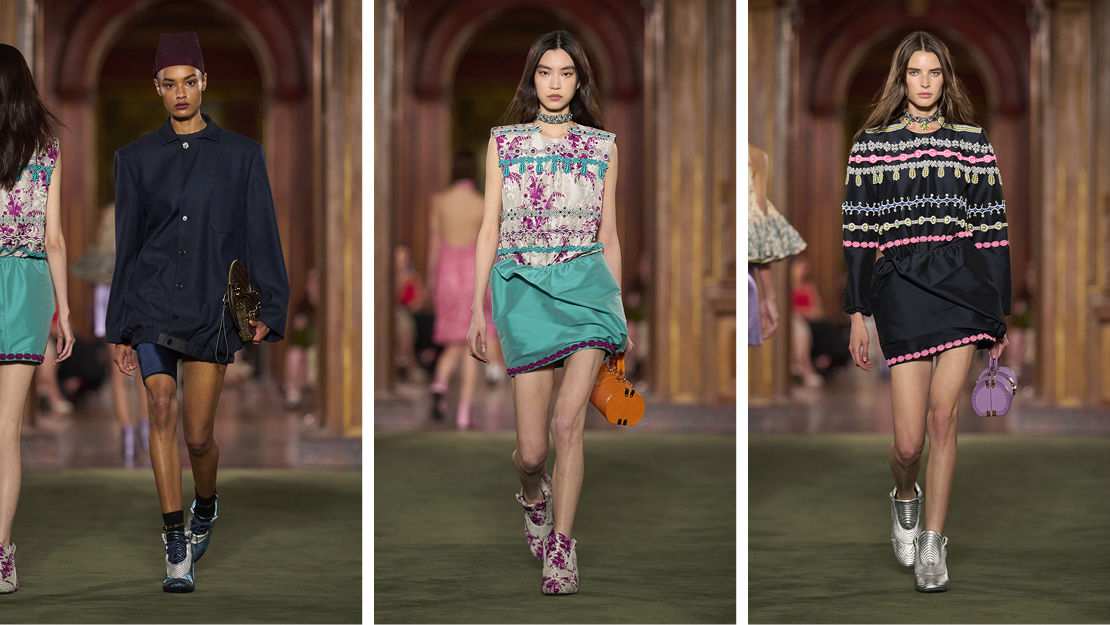
The Frick Collection itself became an important part of the narrative. Surrounded by European decorative arts viewed from an American perspective, Ghesquière positioned the collection within a broader conversation about cultural exchange and reinterpretation. This dialogue could be seen throughout the clothes, where references to the grandeur of the Gilded Age appeared alongside automotive details, slot machine motifs and fragments of street culture. Different eras and identities seemed to coexist simultaneously within the collection, much like the city that inspired it.
Accessories continued this sense of storytelling. Structured trunks, embellished leather goods and sharply detailed footwear grounded the collection within Louis Vuitton’s travel heritage while extending its metropolitan mood. The styling retained movement and energy throughout, giving the impression of characters navigating the city across different moments in time.