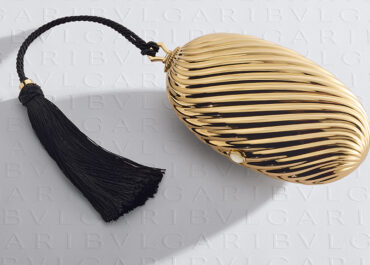

Traditional craft survives through practice. It can be documented, collected and displayed, but its future ultimately depends on people continuing to learn it, use it and understand the knowledge carried within it.
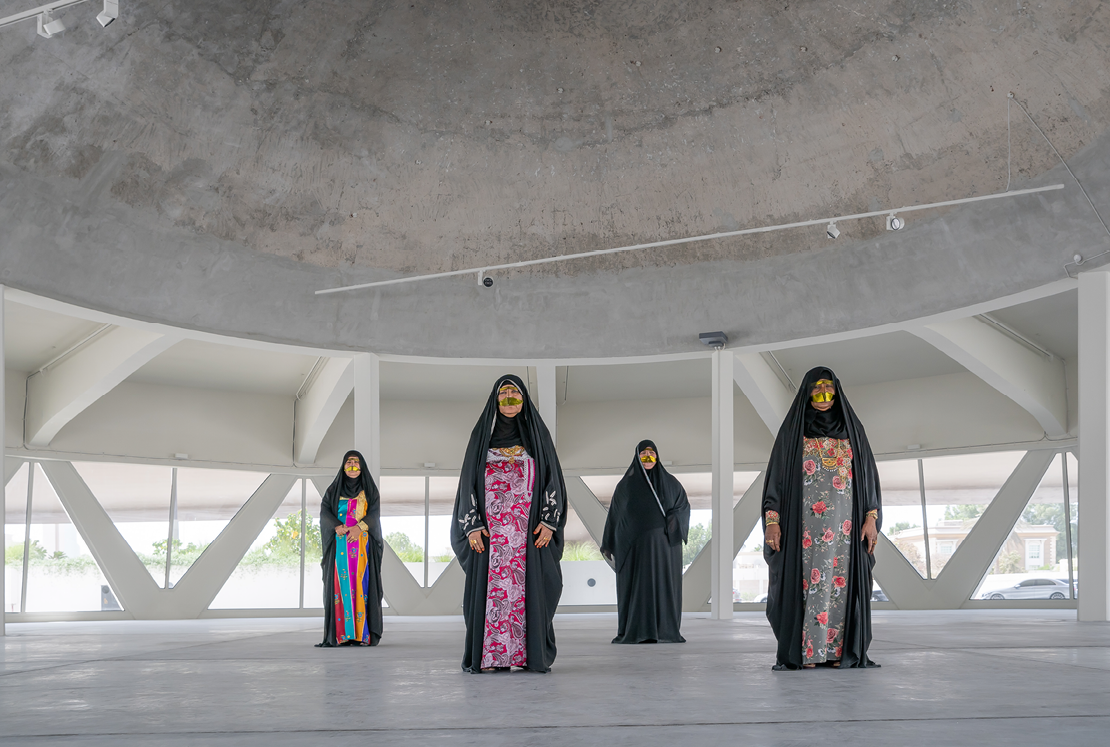
That idea shapes the work of Sharjah-based Irthi Contemporary Crafts Council, which is helping to ensure that Emirati craftsmanship remains part of the country’s evolving cultural and creative landscape.
Established under the patronage and guidance of Her Highness Sheikha Jawaher bint Mohammed Al Qasimi, Wife of the Ruler of Sharjah and Chairperson of Sharjah Family and Community Council, Irthi was created to safeguard traditional crafts while finding contemporary ways for them to continue. Its work spans training, education, design collaborations, research and access to wider markets, with a particular focus on supporting women artisans and strengthening the long-term sustainability of the craft sector.
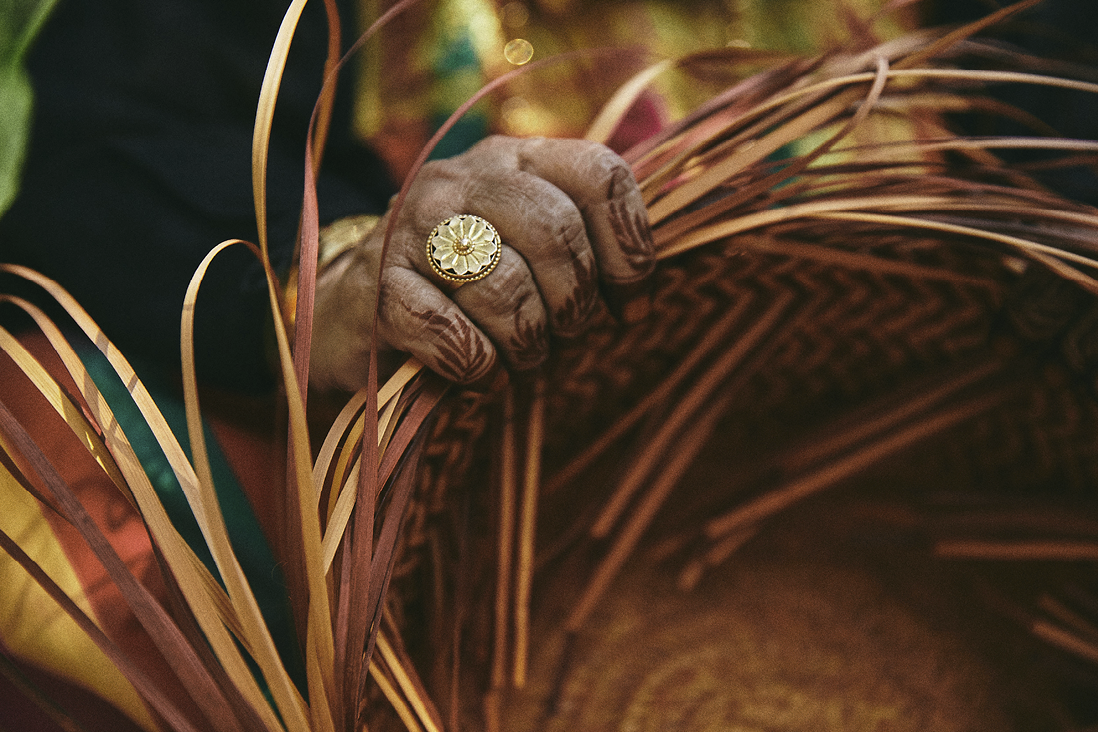
An important part of this work takes place through the Irthi Skills Development Centre. The Centre creates an environment where craftswomen can refine existing skills, learn new approaches, and exchange expertise with artists, designers, and makers. This exchange allows traditional techniques to remain rooted in their origins while continuing to respond to the ways design and creative industries are changing.
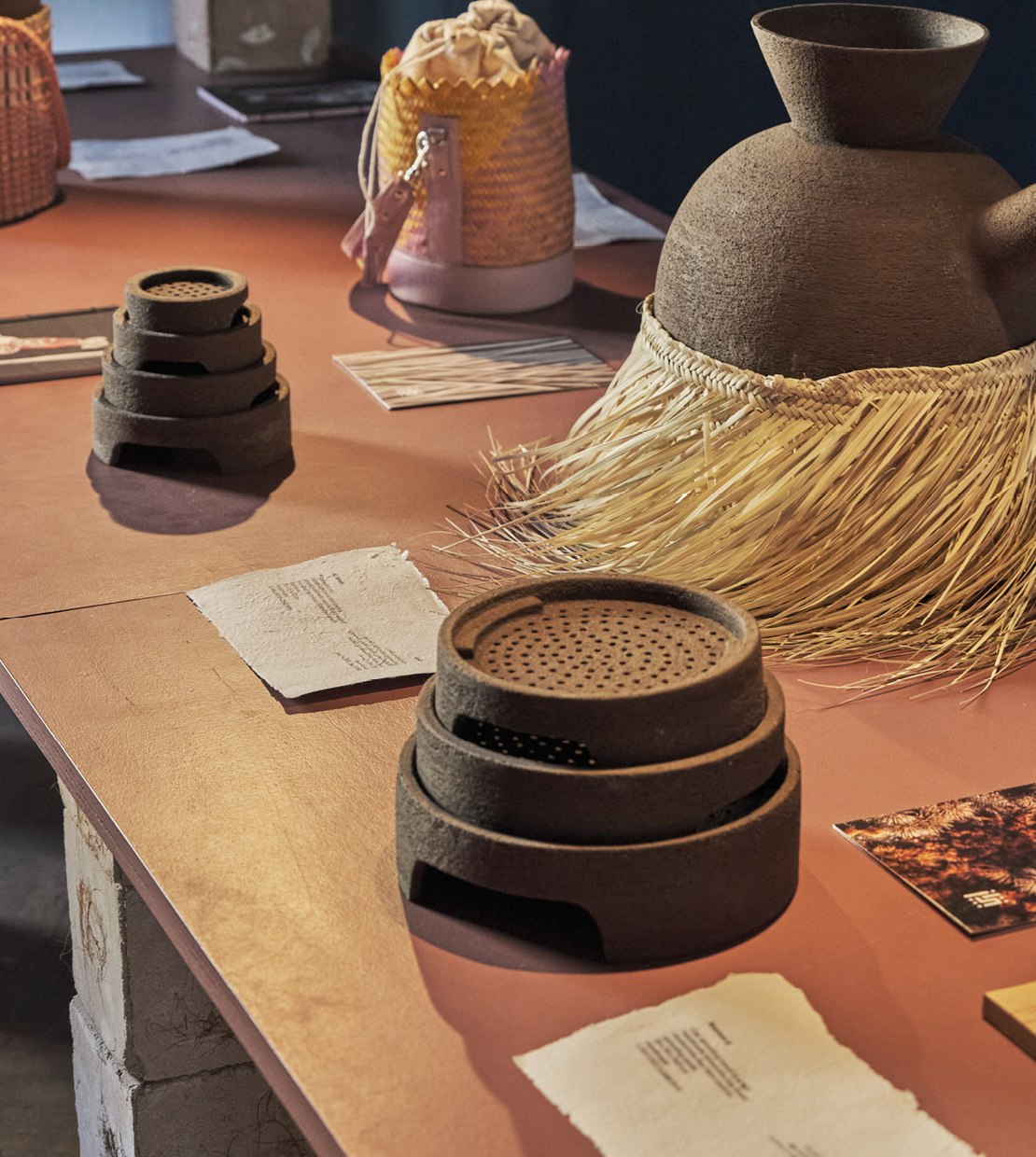
The emphasis on education is equally significant for younger generations. Irthi’s programmes are designed to introduce children and young people to traditional craft in ways that feel active and relevant, while giving them a deeper understanding of the cultural role these practices have played in Emirati life. Workshops and capacity-building initiatives also extend beyond technical instruction, developing personal and entrepreneurial skills that can help craftspeople build sustainable futures around their knowledge.
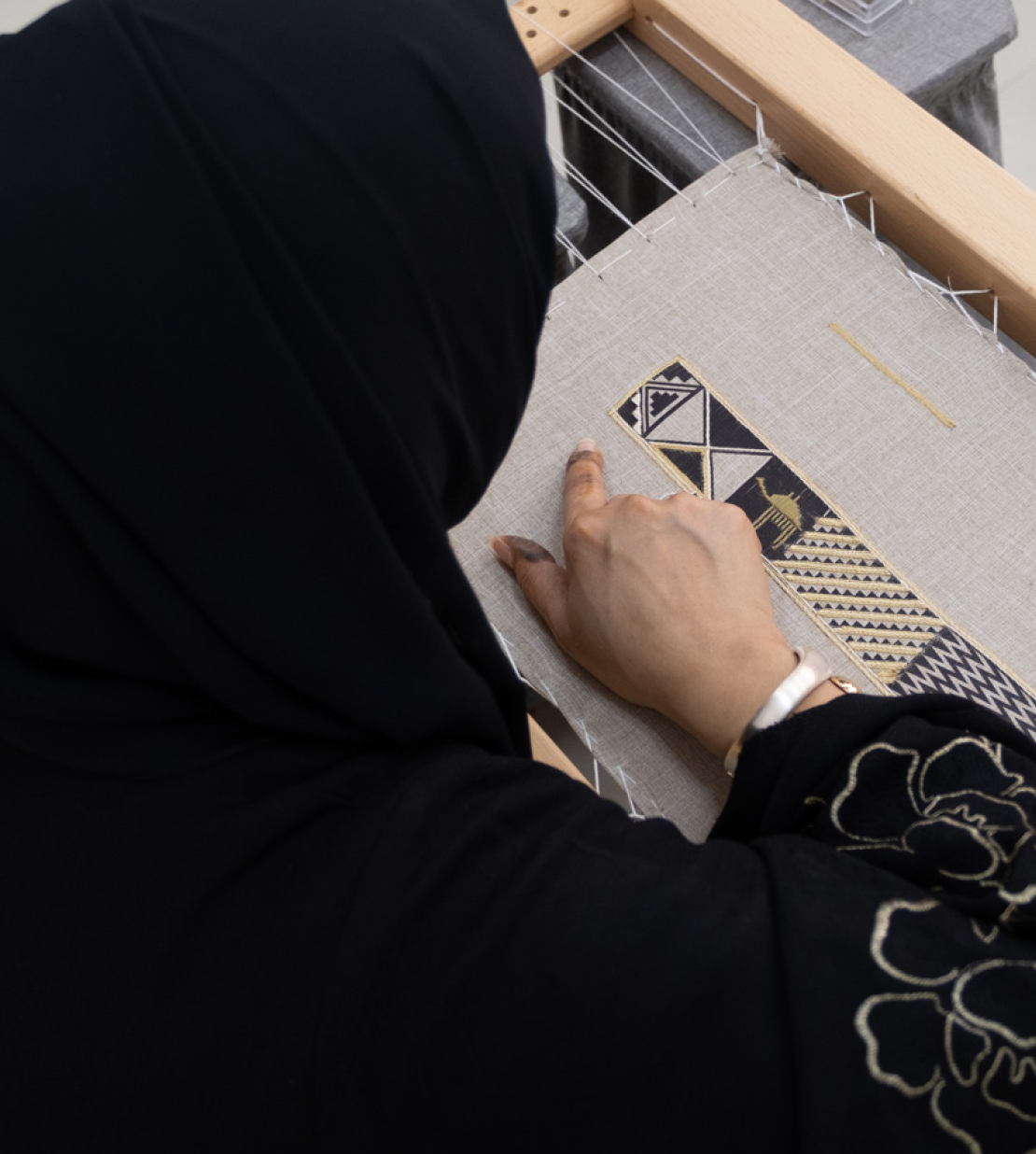
That approach matters because preserving heritage does not necessarily mean keeping it unchanged. Irthi’s wider work brings traditional techniques into conversation with contemporary fashion, interiors, product design, architecture and art, creating new possibilities for crafts that might otherwise be associated only with their historical uses. In doing so, the Council allows craft to evolve without losing sight of the techniques and cultural references that give it meaning.
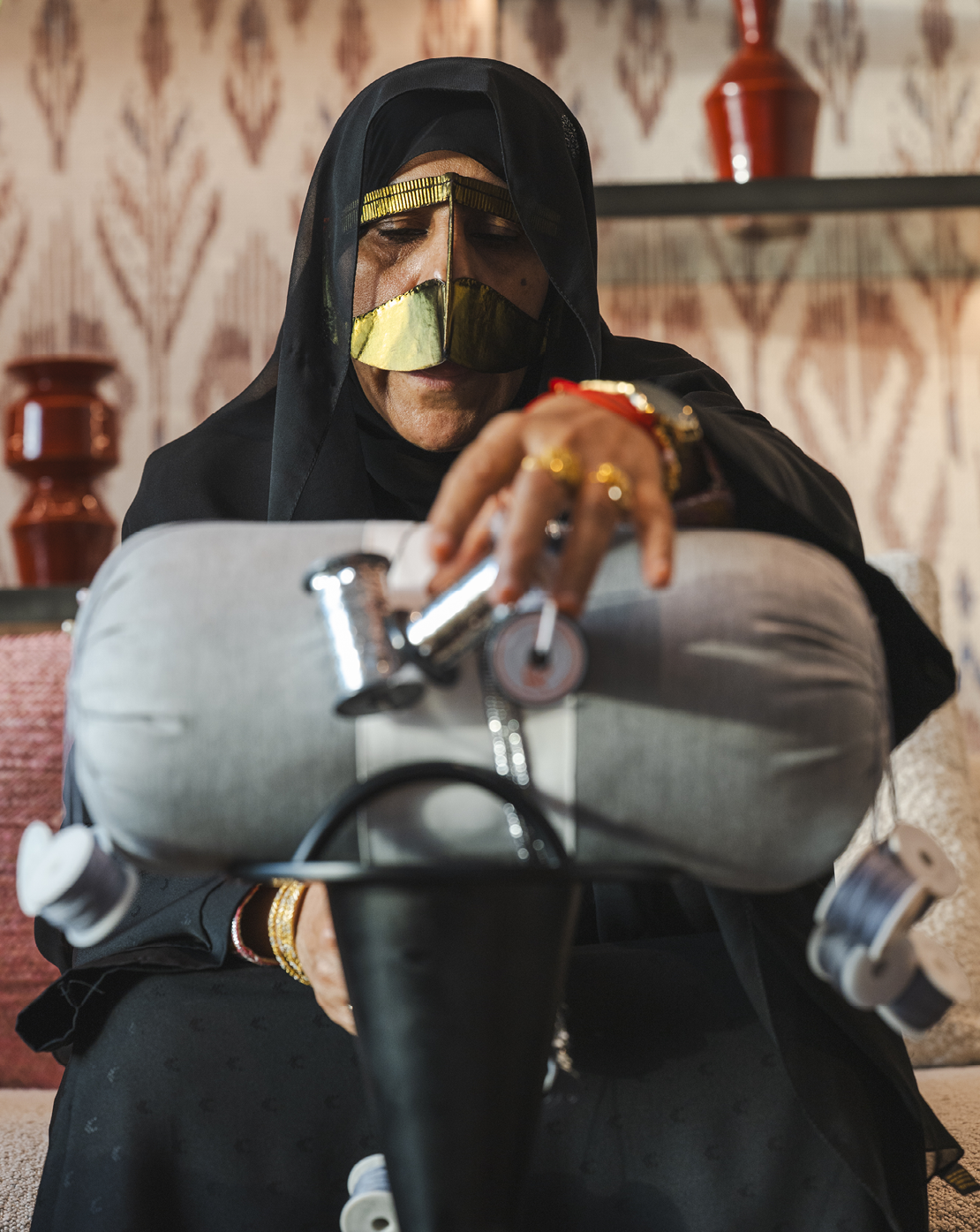
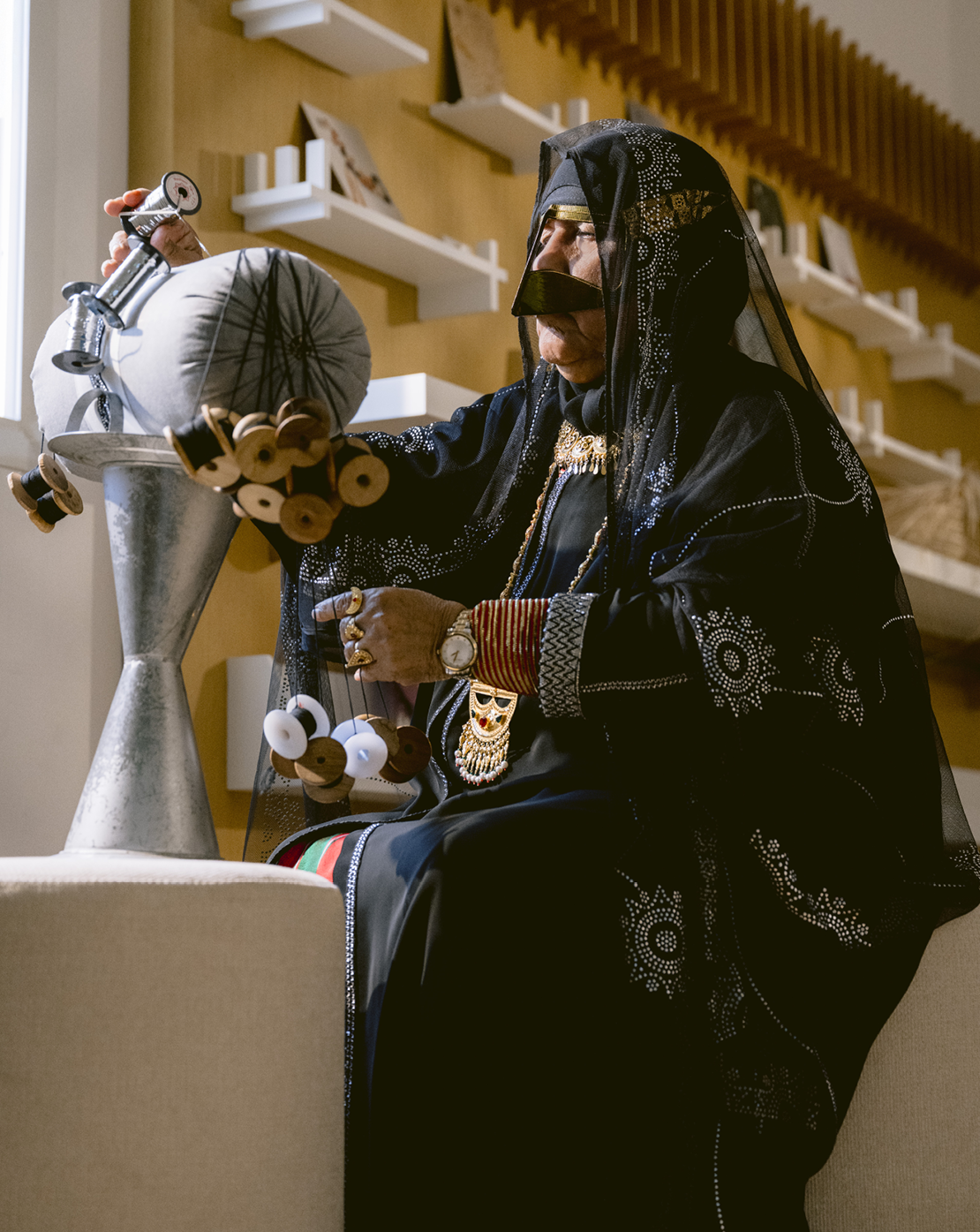
Talli offers a particularly clear example of how this knowledge has traditionally travelled between generations. The intricate Emirati craft has long been closely connected to women, family and dress, with skills often learned informally through observation and repetition. Talli represents more than decoration. Traditionally used on garments including the thobe, kandura and sirwal, the craft is closely tied to celebration, family life and the visual identity of Emirati women. Behind each finished piece are hours of concentration, repetition, and patience, along with the stories of those who learned and preserved the technique before passing it on.
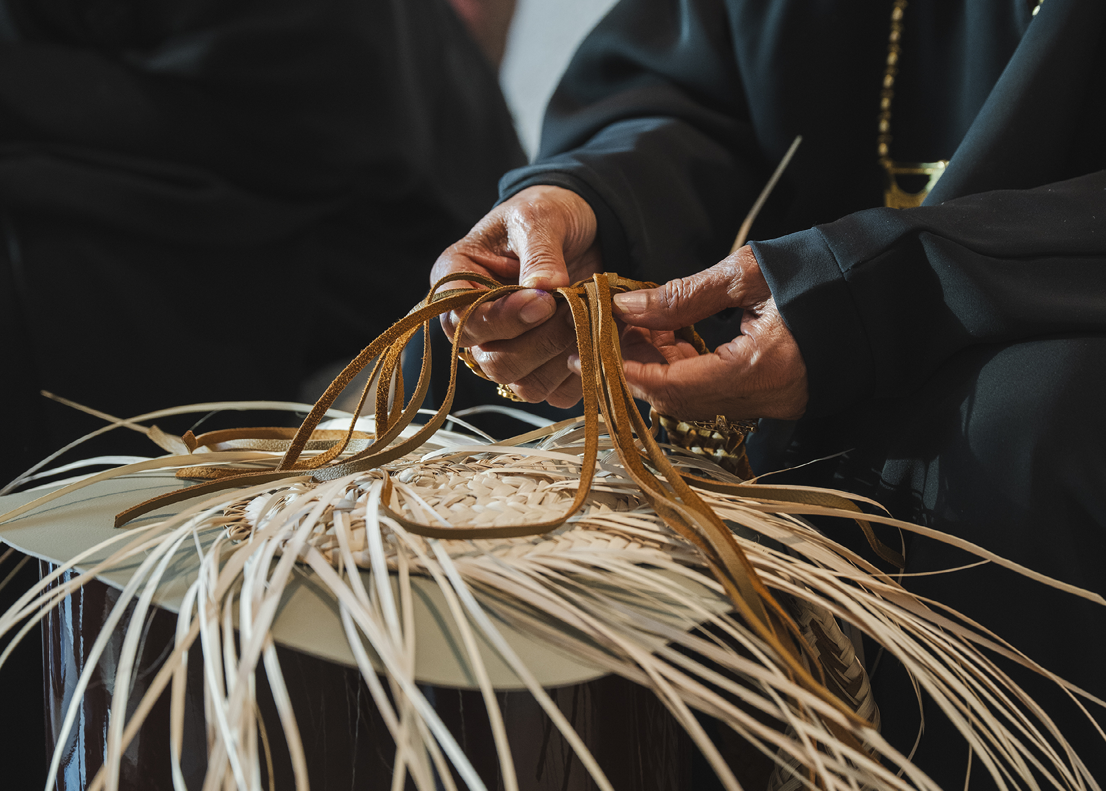
Within Irthi, that familiar model of knowledge sharing expands into a wider network. Many of the women now teach others, ensuring the future of Talli does not mean asking younger makers to simply reproduce what came before. There is a shared hope that future generations will master its foundations, understand its history and then bring their own ideas to it. Contemporary fashion, accessories and new forms of design all offer ways for the craft to remain visible in everyday life, provided its identity and original techniques remain recognisable.
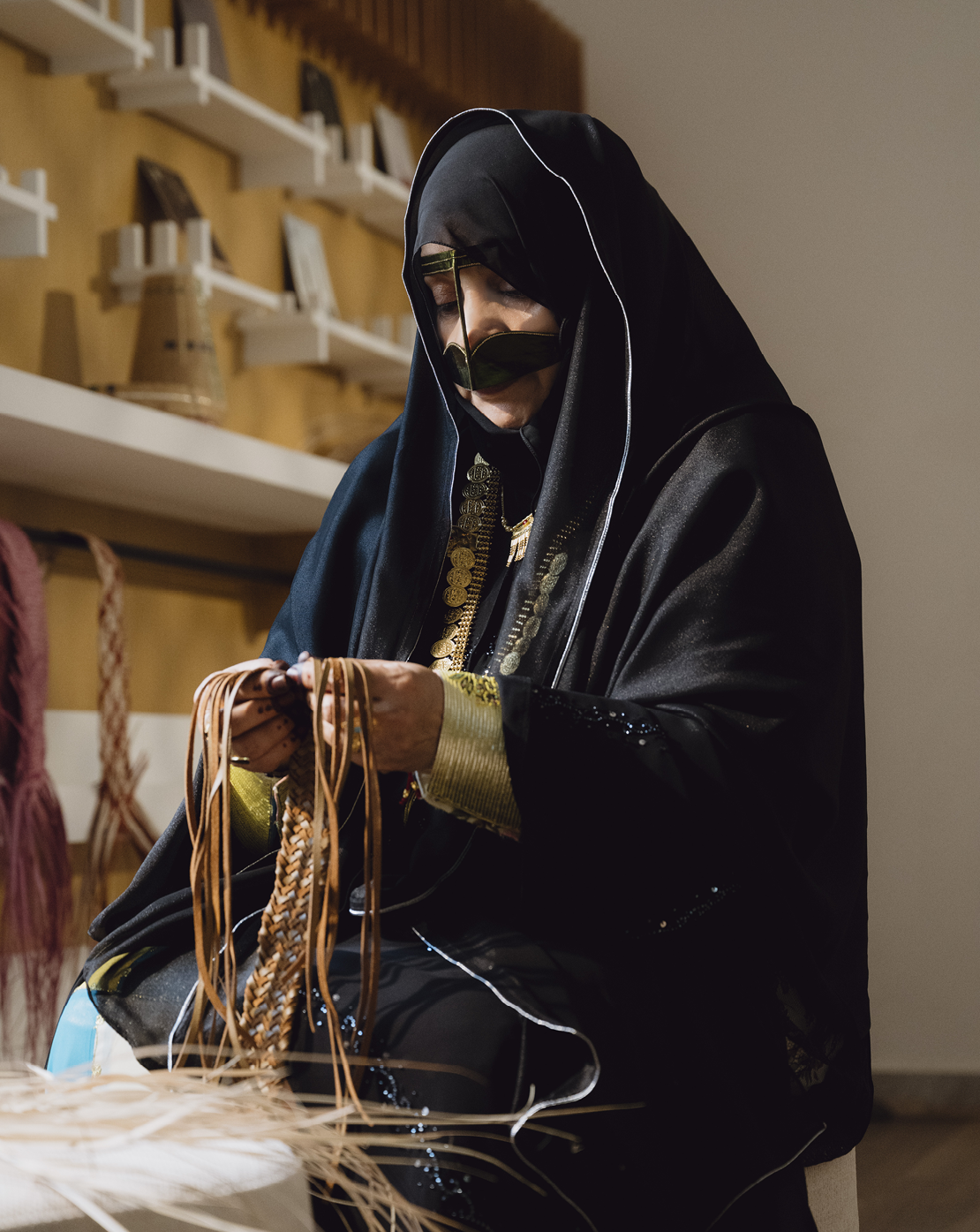
This balance between knowledge and experimentation is what gives Irthi’s work its relevance. Through the Skills Development Centre and its broader programmes, the Council is creating the conditions for craft to be taught properly, practised confidently and reconsidered creatively. The goal is not simply to preserve an object or technique, but to sustain the chain of knowledge behind it.
In that sense, the future of Emirati craft rests as much with the next person learning the skill as it does with the generations who preserved it before them.
Meet the Craftswomen
Behind Irthi’s wider work are the women whose skill and experience keep these traditions moving forward. Three Emirati craftswomen share how they first learned Talli, what the craft represents to them and why passing that knowledge to younger generations matters.
Sandiya Abdullah Tahnoun Al Yamahi
What is your earliest memory of learning Talli, and who first taught you?
My earliest memories of Talli go back to childhood. I would watch my mother, sisters, grandmothers, and other women in the family work with such precision, paying close attention to how their fingers moved and how they handled the threads. My mother and sister were among the first to teach me. I stepped away from the craft during my school years, but when I returned to it later, those memories came back, and I wanted to understand Talli more deeply.
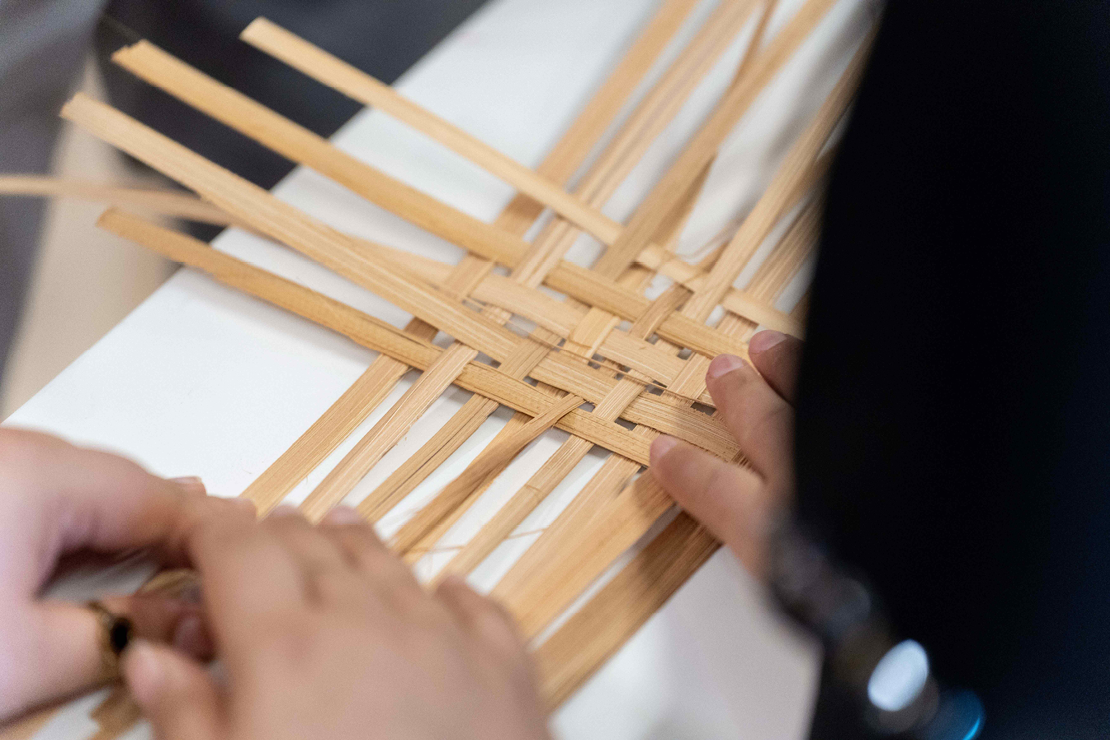
What does Talli represent to you?
It is difficult for me to separate Talli from the identity of Emirati women and traditional dress. I remember how important it was during Eid and other special occasions, when our mothers decorated our kanduras and thobes with it. I see it as much more than a craft. It carries memories of those moments and of the women who kept the knowledge alive.
What requires the most patience when creating it?
Precision. The threads have to remain consistent throughout the work because even one strand moving in the wrong direction can mean undoing part of the piece and starting again. Some pieces require many metres of Talli, so patience and perseverance are essential.
How has Irthi helped you continue and share your knowledge?
Irthi has given me the opportunity to keep practising while also teaching others. When someone is new, we start slowly with one strand, then two, before progressing to more complicated work. It requires patience from both sides, but it means the knowledge does not stop with us.
What do you hope younger generations take from the craft?
I hope they learn patience, precision and a love of working with their hands, but I also want them to see its possibilities. Talli can be used in many different ways, from traditional pieces to bracelets, medallions and other contemporary forms. Most importantly, I hope they feel proud of learning something practised by their ancestors.
Fatima Saleh Al Tunaiji
How did you first learn Talli?
My mother was the first person to teach me. I would sit and watch her, trying to understand how the threads and bobbins moved between her hands, and gradually she began teaching me step by step. Because of that, Talli is connected not only to heritage for me, but also to the time I spent with my mother.
Why is the craft important to Emirati culture?
Talli is deeply connected to our culture because it was part of the lives of our mothers and grandmothers, particularly through traditional clothing. But behind every finished piece there is also a woman, her time, patience and creativity. It carries the stories of the women who preserved it.
Which part of the process is most challenging?
Moving and coordinating the threads while keeping the pattern accurate requires a great deal of concentration. One small movement can change the design. With practice, though, your hands become faster and more precise and your confidence grows.
Why is preservation not enough on its own?
Because Talli does not belong only to the past. We inherited it, but it should remain part of the present and the future too. Younger generations need to learn the foundations properly and understand the technique so that they can continue it themselves.
How would you like to see Talli evolve?
I would like to see it appear more in fashion and contemporary products because that can help younger people connect with it. At the same time, the original technique and the story behind the craft should remain intact. New ideas are important, but they should still respect where Talli comes from.
Aisha Sulaiman Mohammed Al Salami
Your journey into Talli began later. How did you learn?
I learned when I was 20, after I had married and had children. We were living in the family home, and an older woman in the family who knew many traditional crafts taught me both Talli and palm-frond weaving. That was the beginning of my own journey with the craft.
What does Talli say about earlier generations of Emirati women?
It is an authentic Emirati craft that women traditionally used to embellish what they wore. It became closely connected to the thobe, kandura and sirwal, but also to women’s everyday lives. When children and grandchildren see these pieces now, they are discovering something about the people who came before them.
What has the craft taught you personally?
It has taught me not to give up when something feels difficult. When you first begin, the technique can seem complicated, but trying once is never enough. You have to continue practising until your hands understand it.
What has your experience with Irthi added to your practice?
One of the most rewarding things has been meeting craftswomen of different ages and from different places. We have learned from one another and discovered aspects of Talli that were new to us. Every stage has added something to my own understanding of the craft.
What do you hope happens next?
I hope our children and grandchildren continue learning Talli and find new ways to use it without losing its Emirati identity. What matters most is that the craft remains alive and that what we inherited continues into another generation.