
Dubai’s luxury property market has spent the past few years rewriting the rules of prime real estate, but as the landscape enters a more complex phase, the conversation is shifting from rapid growth to quality, scarcity and long-term value.
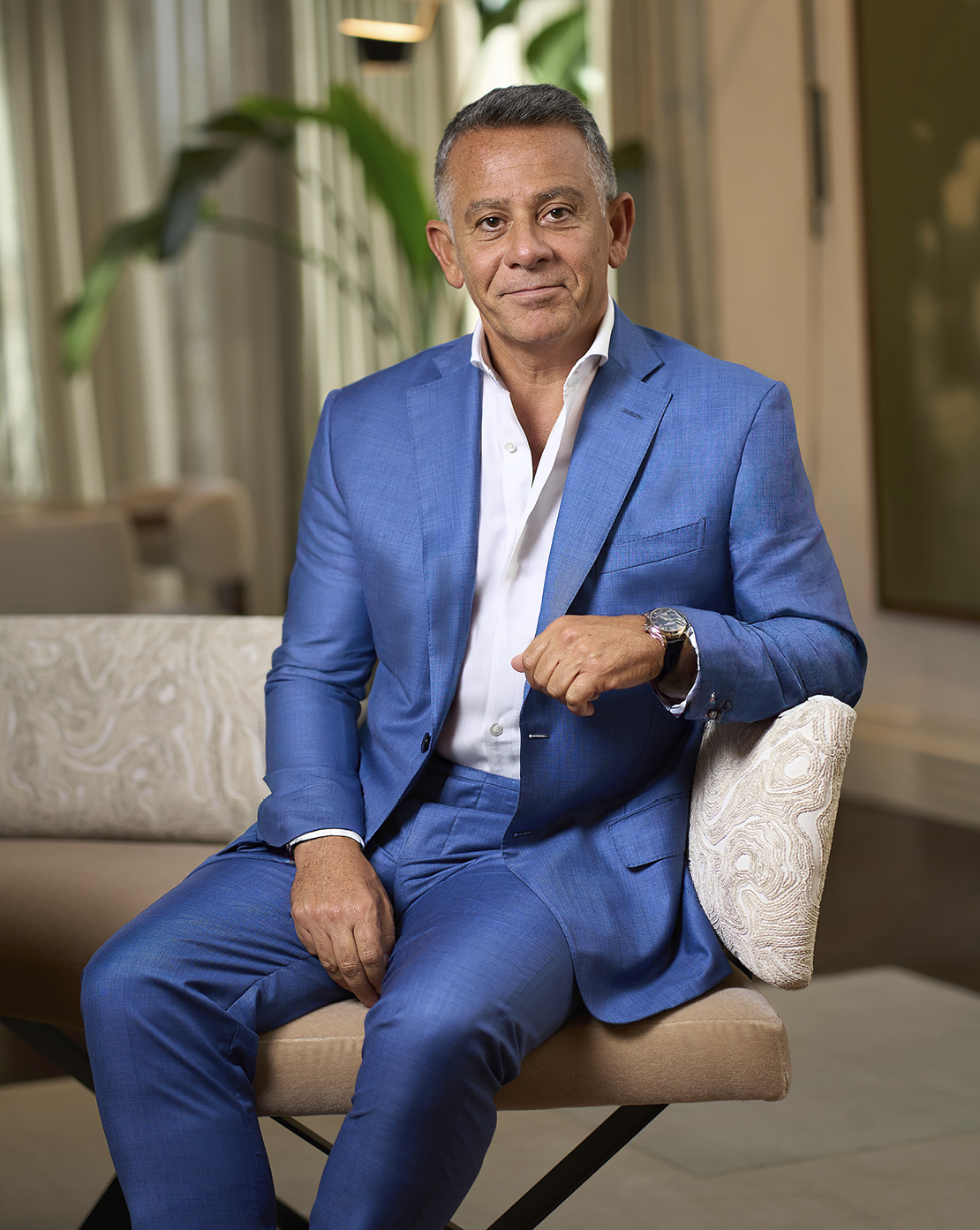
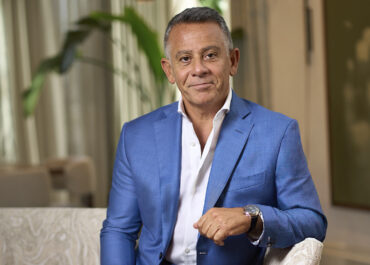
Few are better placed to assess that evolution than George Azar, Chairman and CEO of Sotheby’s International Realty in the UAE, UK and Saudi Arabia.
With a perspective spanning several of the world’s most important luxury property markets, Azar has a clear view of how global wealth is moving, how the expectations of high-net-worth buyers are changing, and what increasingly separates a prestigious address from a genuinely super-prime asset. In this conversation, he discusses the resilience of Dubai’s top end, the growing potential of Abu Dhabi, the rise of branded residences, changing buyer priorities and the opportunities that could emerge as the UAE property market moves into its next chapter.
How would you characterise the UAE’s luxury property landscape in 2026, and what has defined the market most strongly this year?
The current market has inevitably been influenced by the ongoing situation in the Middle East, and it would be naive to pretend otherwise – which has affected both sentiment and buyer behaviour in a number of ways. One of the clearest shifts we are currently seeing is a move away from predominantly international investment-led activity towards a more domestically driven, end-user market. Buyers based in the UAE who are purchasing for their own occupation are becoming increasingly important in supporting current transaction activity.
Dubai’s super-prime market has reached extraordinary levels in recent years. What is continuing to drive demand at the very top end, and how sustainable is that momentum?
At the very top end of the market, demand remains relatively resilient, primarily because genuine super-prime supply is still limited. Dubai may have a significant overall volume of property, but once you filter for truly exceptional assets – prime communities, outstanding quality and finishing, privacy, scarcity and a genuine point of distinction – the available inventory becomes considerably smaller. That scarcity is what continues to support the top end of the market.
Of course there have been some challenges this year. How has the luxury property sector been affected, and how have you adapted your strategy to navigate them?
We have not yet seen the full impact of the current regional situation on the luxury property sector. Dubai’s super-prime market is inherently seasonal, with a significant proportion of high-net-worth and international buyers traditionally returning to the UAE during Q4, which will provide a much clearer indication of how the luxury segment is responding and what challenges may lie ahead. We are already seeing some softening in demand as a result of the current environment, but the depth of that impact – particularly within the super-prime segment – should become considerably clearer in the months ahead.
Where do you see the greatest opportunities within the UAE property market today?
I currently see some of the greatest opportunities within the UAE property market emerging in the secondary off-plan sector. As instalments on off-plan purchases begin to mature, combined with potential liquidity pressures arising from the wider economic impact of the regional conflict, we expect some investors – particularly those who originally purchased with a more speculative strategy – to look to exit their positions ahead of completion. This could increase secondary off-plan inventory at a time when overall demand has softened, giving well-capitalised buyers an attractive window to acquire quality assets at more competitive entry points, particularly where sellers are motivated by upcoming payment obligations. The opportunity is not simply about purchasing at a discount; selecting the right projects at the right stage of construction could provide buyers with a strong entry point ahead of handover, while potentially improving future rental yields and overall investment returns.
How are the expectations of ultra-high-net-worth buyers changing? Beyond location and square footage, what now defines a truly exceptional luxury property?
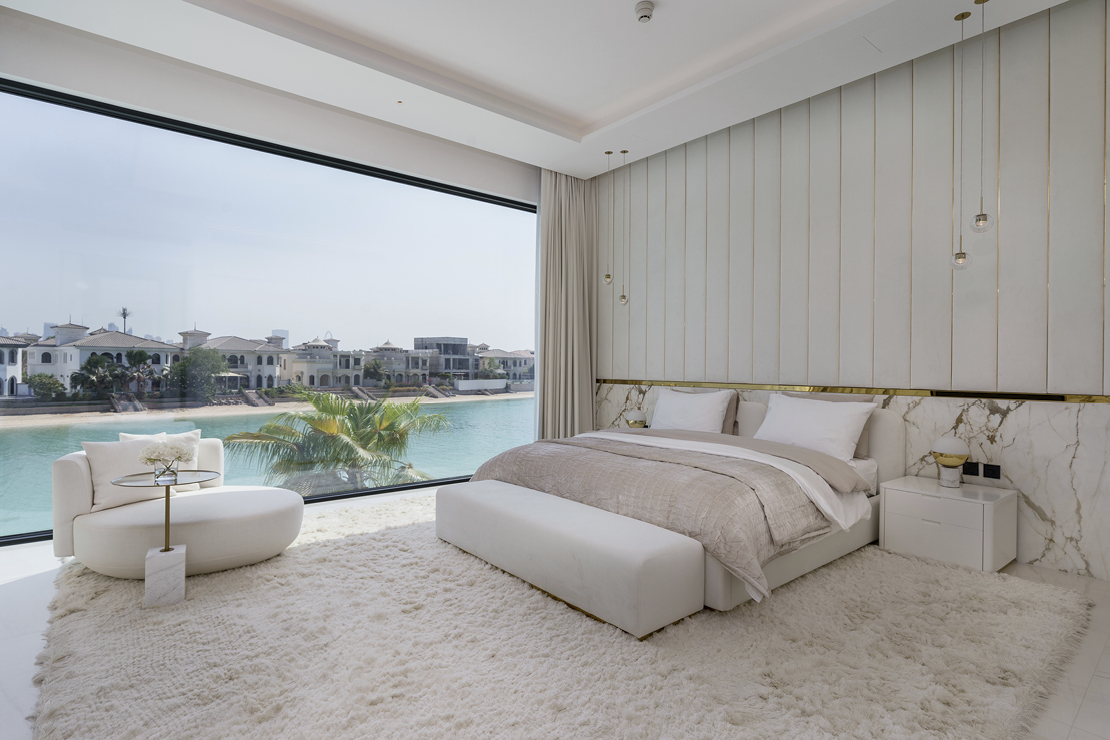
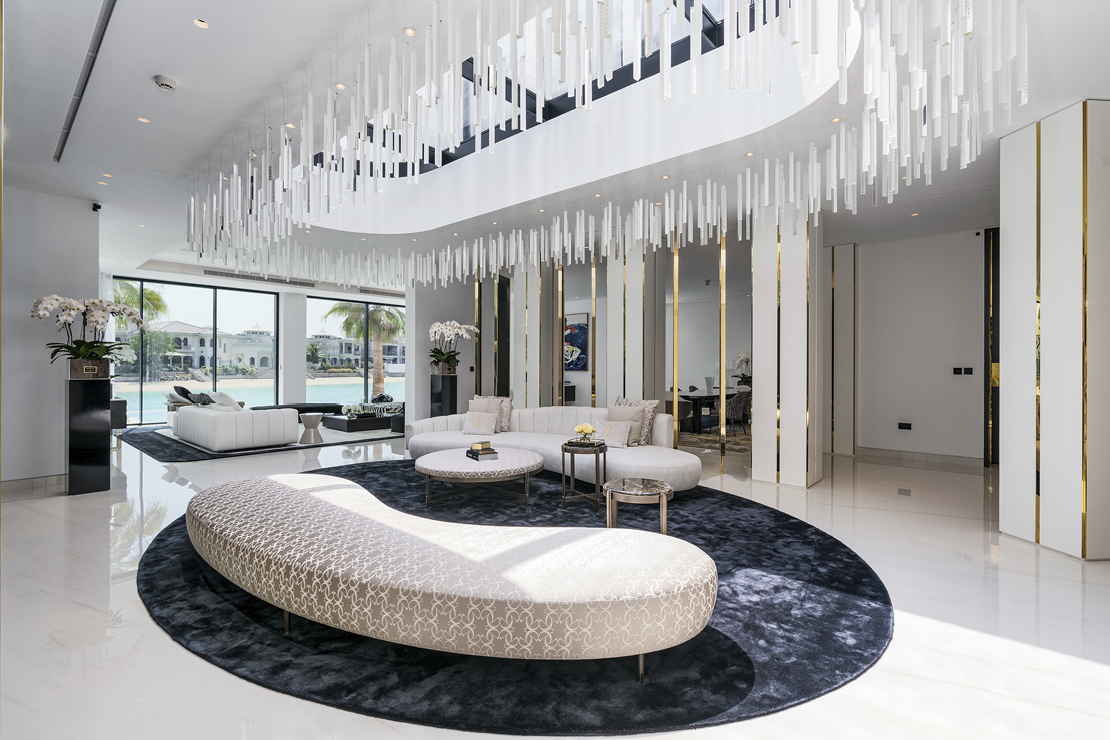
Within the high-net-worth segment, buyer expectations continue to evolve. As leading architects, interior designers and hospitality brands introduce new concepts internationally, those trends increasingly shape what buyers expect from luxury residences in the Middle East. We are seeing greater emphasis on exceptional finishing, craftsmanship, and individuality, alongside a noticeable shift away from purely contemporary, minimalist interiors toward warmer, more sophisticated, and ultimately more liveable homes.
Which trends are having the greatest impact on the luxury residential market right now?
Wellness is becoming increasingly important in this evolution. Buyers are looking beyond the traditional private gym and increasingly expect comprehensive wellness environments within their residences. This includes private spa facilities, treatment rooms, saunas, steam rooms, recovery spaces and other amenities designed around health and wellbeing. It’s not just about the amenities themselves — it’s what they provide: time and privacy. At the very top of the market, luxury is increasingly being defined not simply by size or location, but by the quality of the living experience and the level of detail incorporated into the home.
Abu Dhabi’s luxury property market has evolved significantly in recent years. How do you see its proposition developing, and how does it differ from Dubai at the super-prime level?
Abu Dhabi has evolved considerably as a residential investment market and, at the upper end in particular, remains relatively undersupplied. With major developments such as Hudayriyat Island by Modon and a growing pipeline of premium waterfront communities from Aldar, we’re beginning to see a meaningful shift in investor attention towards the capital. We believe Abu Dhabi presents an interesting proposition because it remains an emerging luxury residential market, where entry points sit lower than equivalent prime assets in Dubai, with potential for further upside as the market matures. As the quality and diversity of residential product continues to improve, we expect Abu Dhabi to attract an increasingly international buyer base alongside existing domestic demand.
You operate across the UAE, Saudi Arabia and the UK. What are you seeing in terms of the movement of global wealth between these markets, and what role is the Gulf increasingly playing in international property portfolios?
Operating across the UAE, Saudi Arabia and the UK gives us an interesting perspective on how capital and buyer behaviour move between international luxury markets. Before the current regional conflict, we saw significant movement of both wealth and clients from the UK to the UAE. More recently, we have experienced what we believe to be a short-term slowdown in that trend, though at the same time we’ve seen increased activity among certain clients either acquiring homes in the UK or reconsidering their existing UK property positions. Our businesses across these markets are highly complementary because we generally deal with the same calibre of client and similar wealth profiles — a client purchasing or selling a significant property in London may also have requirements in Dubai, Abu Dhabi, or Saudi Arabia, and vice versa. Increasingly, these clients view their property holdings from a global rather than purely local perspective.
Has the profile of the luxury buyer in the UAE changed? Are you seeing more clients choosing the Emirates as a primary home and long-term base rather than simply an investment destination?
In terms of the underlying profile of luxury property buyers, we have not seen a fundamental change over the past five years. These are typically internationally mobile, high-net-worth individuals purchasing second or third homes, although in many cases those properties subsequently become primary residences for significant periods of the year. What has changed is the geographic composition of that demand — over the past four to five years, we’ve seen a notable rise in European buyers establishing themselves in the UAE and purchasing residential property here, and that has developed into a sustained trend rather than a short-term movement of capital. As the UAE has matured as a place to live, work, and establish a long-term base, the motivations behind luxury property purchases have increasingly extended beyond investment alone to lifestyle, residency, and long-term wealth allocation.
As more international developers, architects and luxury brands enter the region, is the definition of ‘prime’ becoming more sophisticated? What will separate the strongest developments from the rest over the next few years?
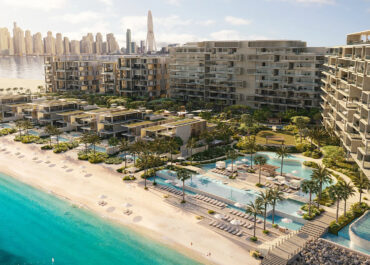
The definition of prime has become considerably more sophisticated over the past four years, and we expect that evolution to continue. As globally recognised hospitality brands such as Four Seasons, Baccarat and Aman expand further into branded residences, they naturally attract a particular calibre of high-net-worth buyer. At these price points, purchasers expect far more than a prestigious address or a brand name — they want exceptional quality, exclusivity, status and, increasingly, an extraordinary level of service. This creates a continuous cycle of rising expectations, where every new benchmark set in the market raises the standard for the next developer and brand entering the sector. Architecture, interior design, amenities, privacy, service and the overall residential experience must therefore continue to evolve.
Dubai has seen a significant expansion in branded residences over the past five years, across a broad spectrum of brands and positioning. However, I believe we will increasingly see a distinction between properties that are simply branded and those that can genuinely be considered super-prime. Ultimately, a brand alone does not create a super-prime residence. At the very top of the market, I believe it will be the world’s most established luxury hospitality brands – combined with exceptional real estate, design, service and scarcity – that are capable of delivering the level of sophistication today’s most discerning buyers expect.
Your background in private banking has given you a different perspective on property as an asset. How are today’s wealthy clients balancing lifestyle, capital preservation and potential appreciation when making major real estate decisions?
Wealthy clients rarely look at property through just one lens. For a primary residence or a second home, lifestyle can be a key part of the decision — things like location, privacy, convenience, quality, and what the property means for the family. They may accept a lower financial return because the asset also provides significant personal value. At the same time, they focus strongly on capital preservation — clients want to understand the asset’s quality and scarcity, location, liquidity, financing, and how the property fits within their wider wealth portfolio. Investors, on the other hand, tend to look past short-term price movements and focus on long-term demand, supply constraints, infrastructure, demographics and the future attractiveness of the location.
Ultimately, I think the best real estate decisions come from finding the right balance between enjoying the asset today, protecting wealth over the long term, and positioning for potential future growth. Priorities will differ for every client, which is why understanding their broader objectives matters.
Looking ahead to 2027 and beyond, what do you believe will shape the next phase of the UAE’s luxury property market, and where do you see the most compelling opportunities emerging?
Looking ahead to 2027, we believe some level of market correction is possible. We cannot be naive in suggesting that the regional conflict has not directly impacted Dubai, its economy, and, inevitably, its real estate market. We have already seen some softening in hospitality and international visitor activity, and this, combined with a significant pipeline of residential supply expected through 2028 and potentially extending further into 2029, could create pressure in certain market segments. As a result, we expect the market to become increasingly selective, with a greater distinction between the performance of individual locations, developments and asset classes. What is sometimes overlooked in discussions around the impact of the conflict, however, is that many of the fundamental factors that have made Dubai attractive to international investors, families and end users remain firmly in place — world-class infrastructure, strong leadership, an increasingly regulated real estate sector and an established position as an international business and lifestyle destination. These fundamentals do not disappear during periods of geopolitical or economic uncertainty.
Importantly, the UAE entered this period from a position of considerable economic strength, with significantly more mature institutions, regulation, and infrastructure than during previous market cycles. Every major market learns from periods of disruption, and I believe Dubai will do the same — adapting where necessary, strengthening regulation and continuing to develop a more mature and sustainable real estate market. Challenges and corrections may arise, but the fundamental reasons international investors, businesses, and families have chosen Dubai remain compelling. The next phase of the UAE property cycle will, in my view, be less about the market rising collectively and more about quality, scarcity and the fundamentals of individual assets.