

The Floating Hotel
A big development in luxury travel right now is happening at sea, but not necessarily aboard the traditional superyacht. Instead, a new generation of floating hotels is combining the freedom of ocean travel with the space, service and sophistication of the world’s best hotels.
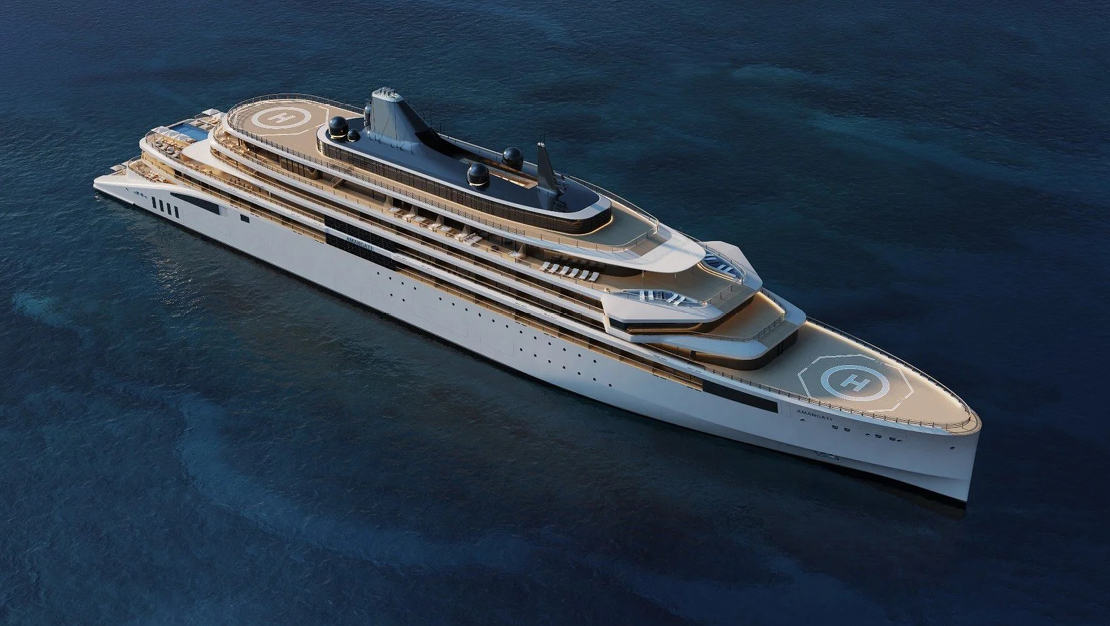
Few hotel names are as synonymous with understated luxury as Aman, and from spring 2027 the group will take its famously serene approach to hospitality onto the water for the first time.
Its inaugural motor yacht, Amangati, is intended to feel less like a conventional ship and more like one of Aman’s secluded resorts transported to sea. Designed by Sinot Yacht Architecture & Design, the vessel stretches across nine decks but accommodates just 47 suites, allowing the emphasis to remain firmly on privacy, space and tranquillity.
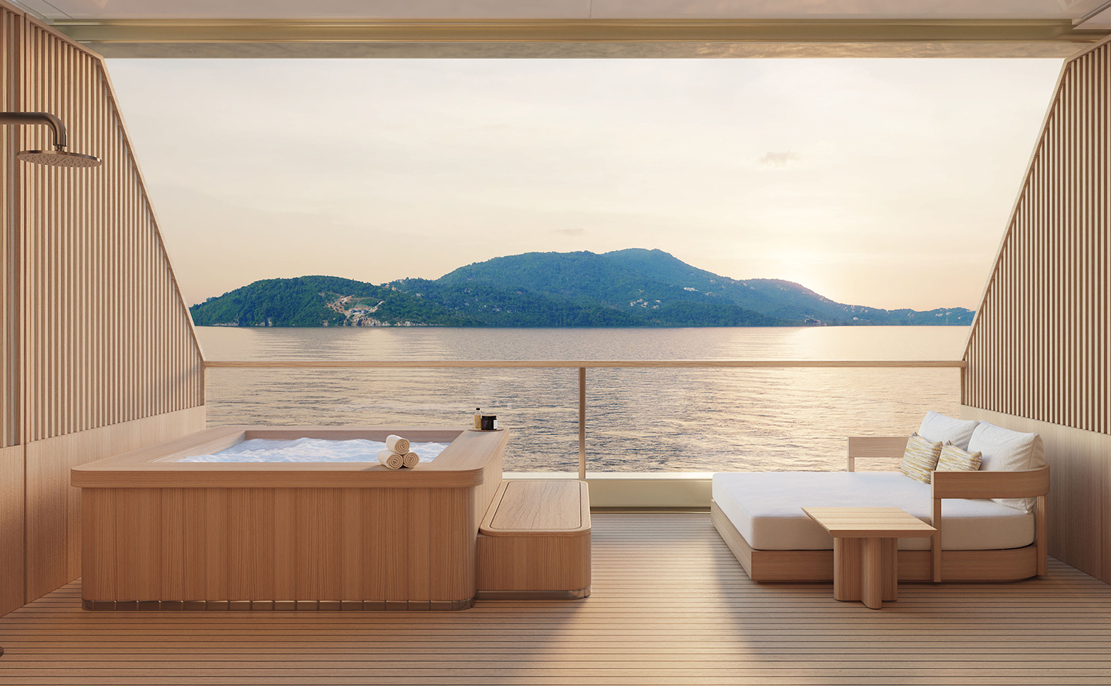
Every suite will have its own private terrace, while eight restaurants and bars will offer dining inspired by Aman’s characteristically pared-back approach to food and design. The centrepiece, however, is likely to be the Aman Spa, an unusually substantial wellness space incorporating private treatment rooms and an open-air serenity garden.
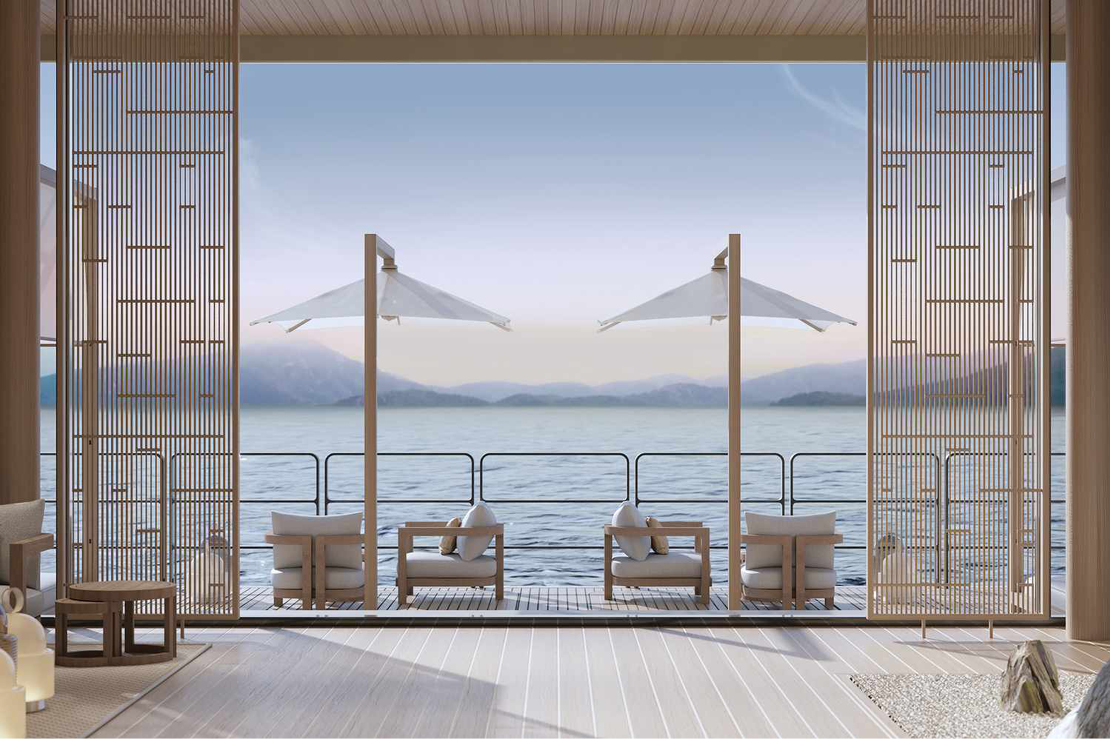
It represents an important shift in luxury cruising, too. Rather than building bigger ships with more entertainment, Aman is moving in precisely the opposite direction, fewer guests, more space, and an experience deliberately designed around quietness, privacy and exceptionally personal service.
The On-Demand Private Jet
Private aviation was once built around a straightforward assumption, the ultimate status symbol was owning the aircraft. Today, however, some of the wealthiest travellers are deciding that ownership comes with rather more inconvenience than glamour.
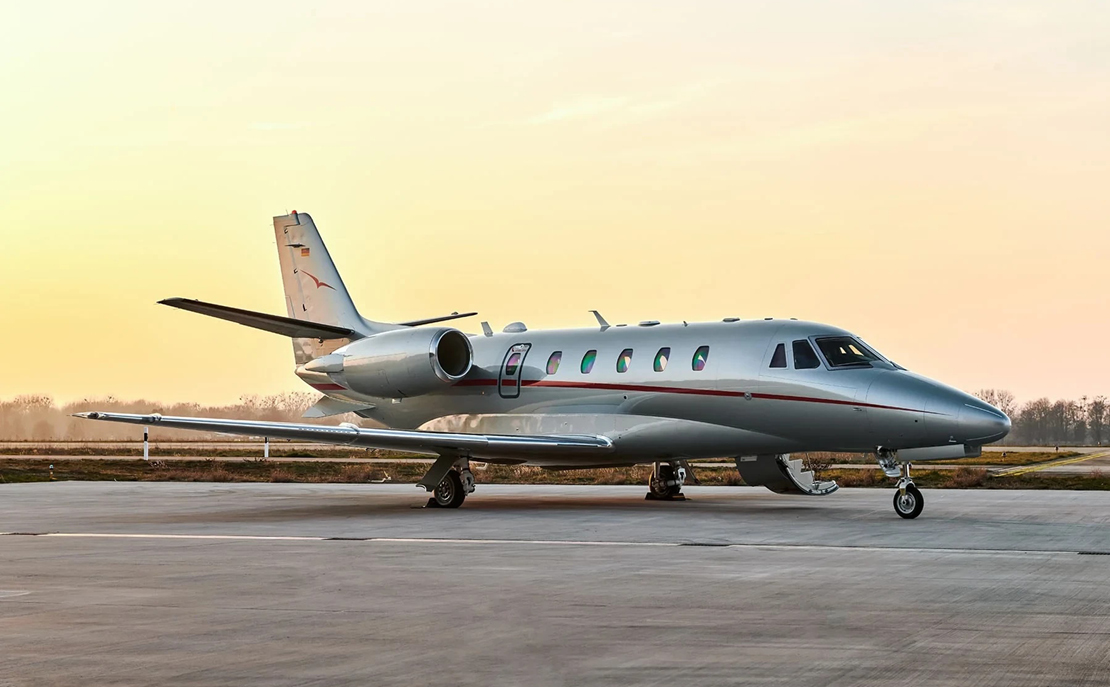
Instead, membership and subscription models are transforming private flying into an on-demand service. Companies such as VistaJet and Flexjet provide access to global fleets without clients having to deal with aircraft maintenance, crew, positioning or the considerable administrative burden that accompanies owning a jet.
VistaJet founder Thomas Flohr built the business around a simple proposition, customers should pay for the hours they actually fly. Members can summon an aircraft from a consistent fleet and travel between more than 2,400 airports worldwide while the company handles virtually everything behind the scenes.
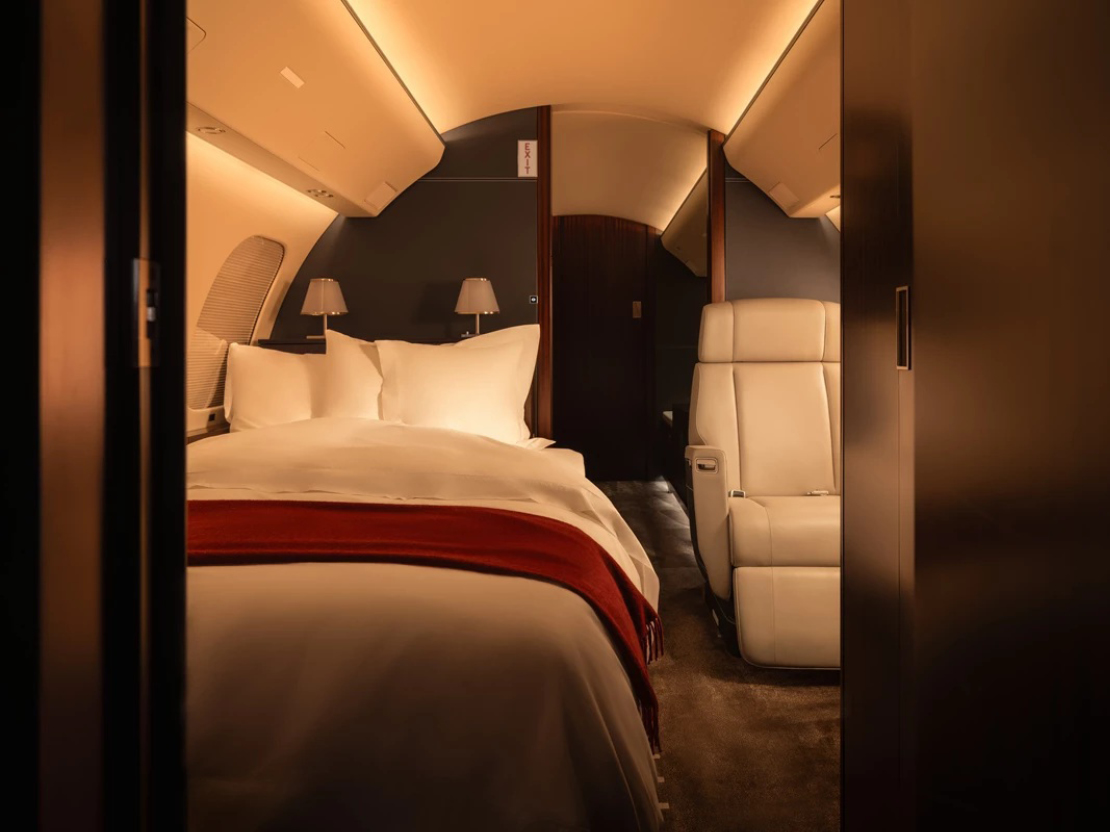
Increasingly, the aircraft is only one part of the proposition. VistaJet’s Private World programme, for example, combines private aviation with highly curated experiences in remote destinations. Guests might fly to Norway’s Lofoten Islands for an Arctic expedition, travel by helicopter through Alaska or embark on bespoke adventures across Namibia and Madagascar.
It is effectively the Uber-isation of private aviation, all the convenience and exclusivity of travelling by private jet, but without having a high-end aircraft sitting idle on the ground.
The Hop-On, Hop-Off Helicopter
If private jets are becoming more flexible, helicopters are undergoing much the same transformation. Once largely reserved for executives, celebrities and those travelling between private estates, helicopter travel is increasingly being offered through platforms that make short journeys considerably easier to arrange.
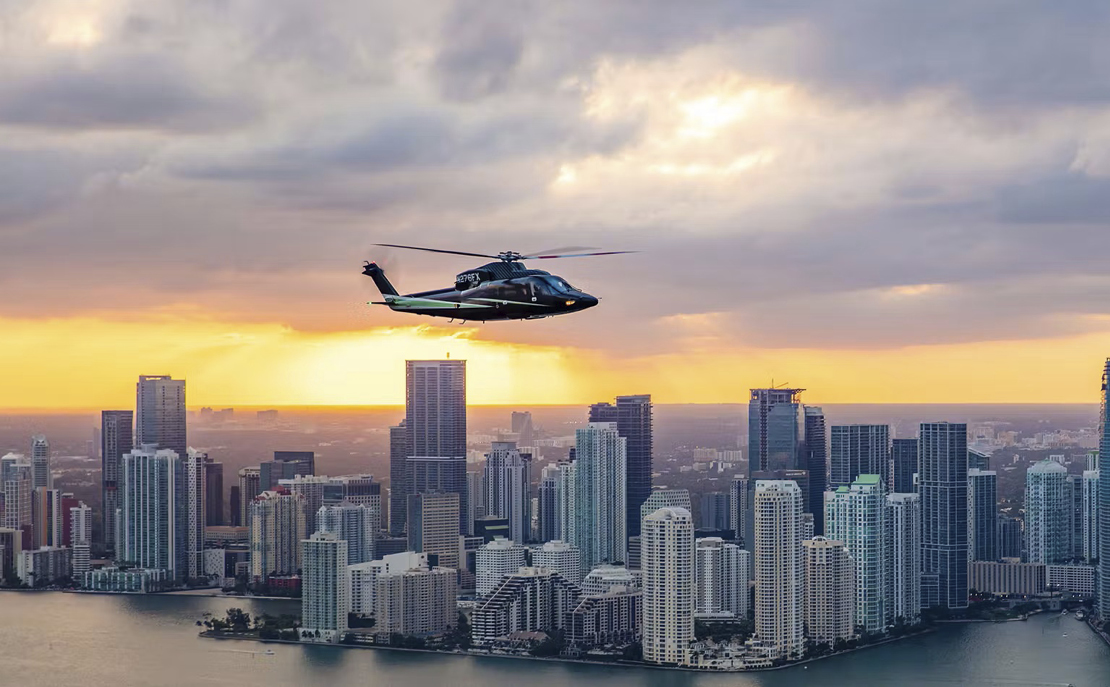
Blade has become one of the best-known examples, operating on-demand helicopter services in and around cities including New York. In Europe, Athens-based Hoper has adopted a similar model, focusing on one of the places where helicopters arguably make the most sense, the Greek islands. Rather than losing hours navigating ferry schedules, travellers can hop between islands in a fraction of the time, with spectacular views thrown in.
Luxury hotels are embracing the idea too. Maybourne, the group behind Claridge’s, The Connaught, The Berkeley and The Emory, has partnered with Flexjet to offer helicopter transfers for guests arriving at private aviation terminals including Farnborough, Biggin Hill, Luton and Stansted. The final leg into central London becomes an experience in itself, with passengers sweeping above the capital rather than sitting in traffic.
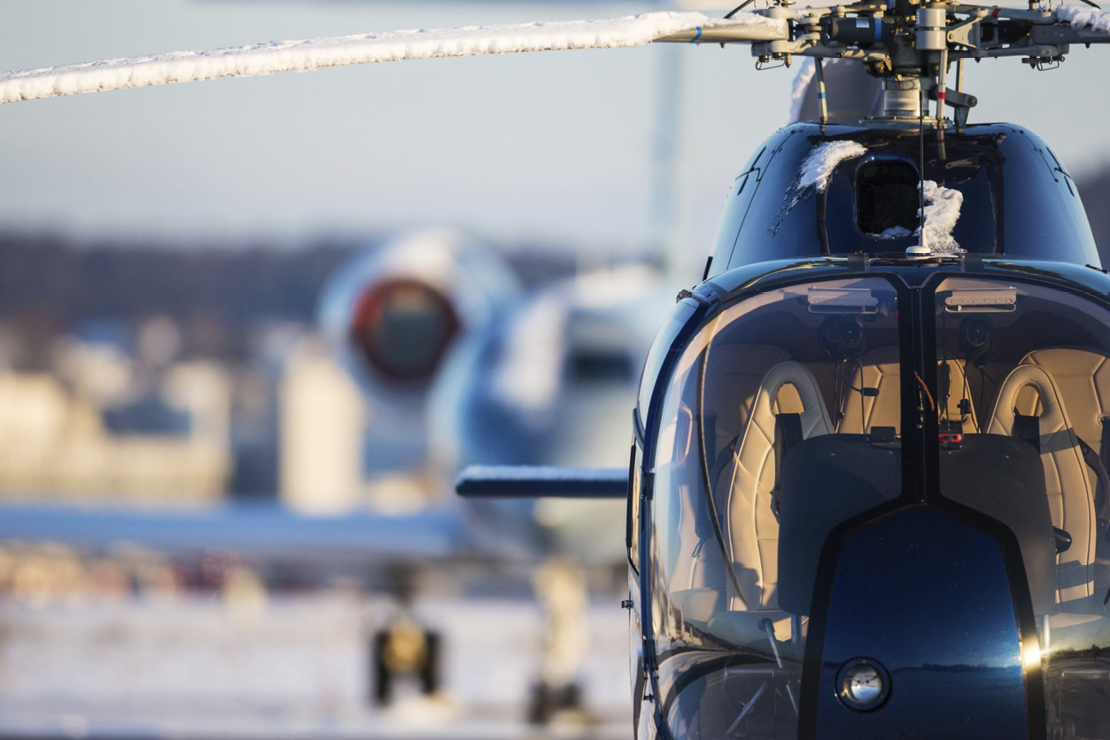
Four Seasons has also experimented with helicopter-led itineraries in several destinations. In the new era of ultra-luxury travel, the helicopter is becoming less a spectacle and more a remarkably convenient form of transport.
The Luxury Sleeper Train
At precisely the moment the rest of the travel industry became obsessed with getting somewhere faster, luxury rail moved in the opposite direction. The journey itself has once again become the point.
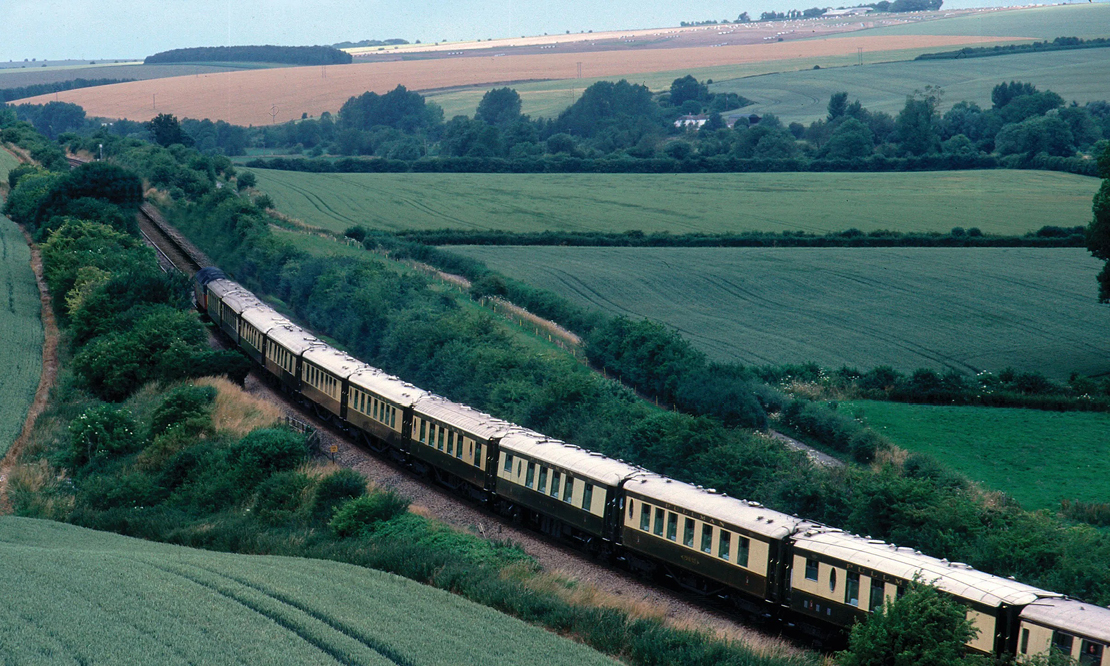
The revival is perhaps best represented by Belmond, whose British Pullman transforms even a day trip into something gloriously theatrical. Its restored Art Deco carriages are filled with polished wood, intricate marquetry and velvet armchairs, allowing passengers to dine, drink and watch the countryside unfold outside. Entire carriages can be privately reserved, while hiring the complete train offers something approaching the ultimate Agatha Christie fantasy.
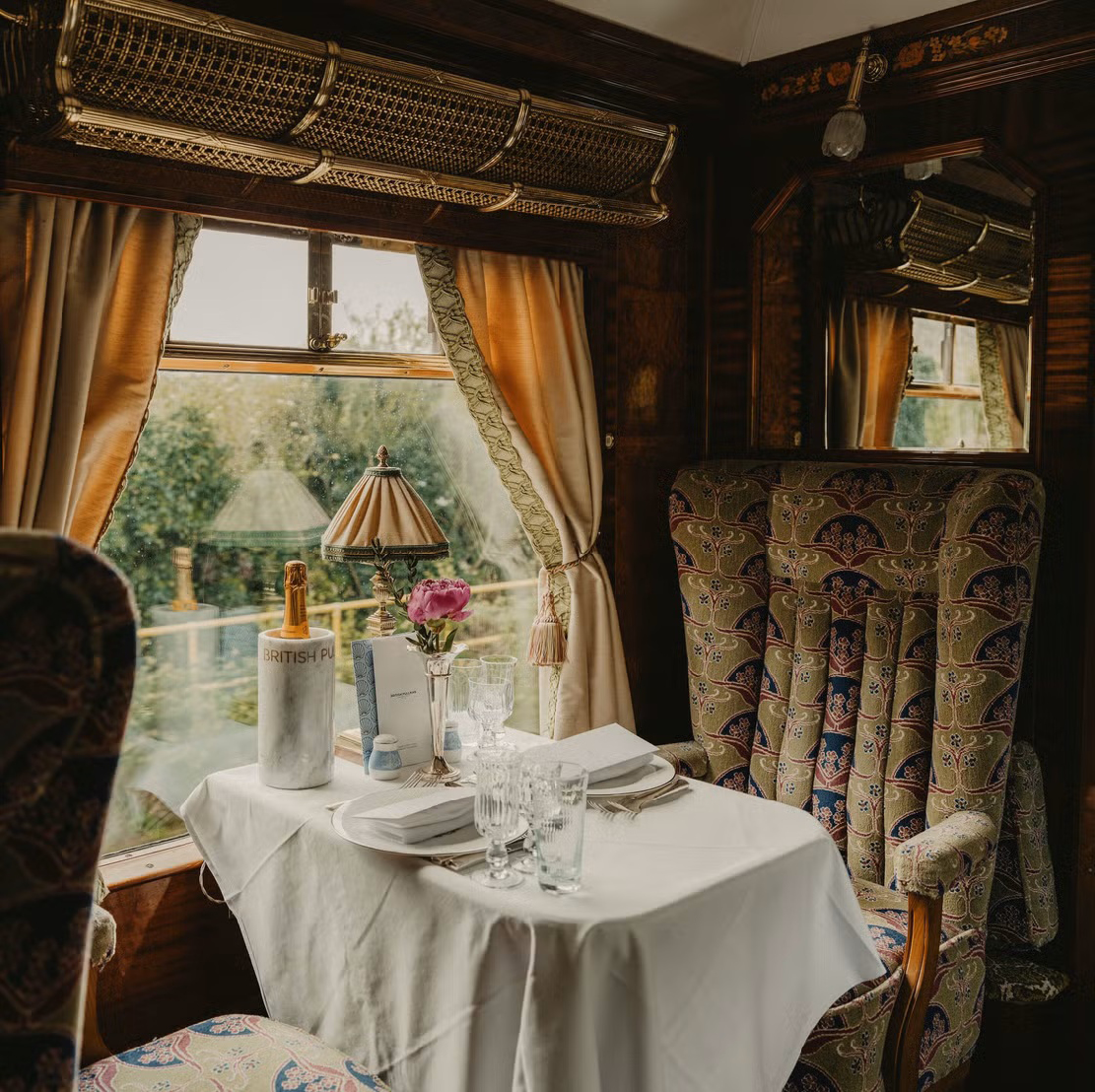
For longer adventures there is Belmond’s Royal Scotsman and the legendary Venice Simplon-Orient-Express, but the luxury rail renaissance extends far beyond Europe.
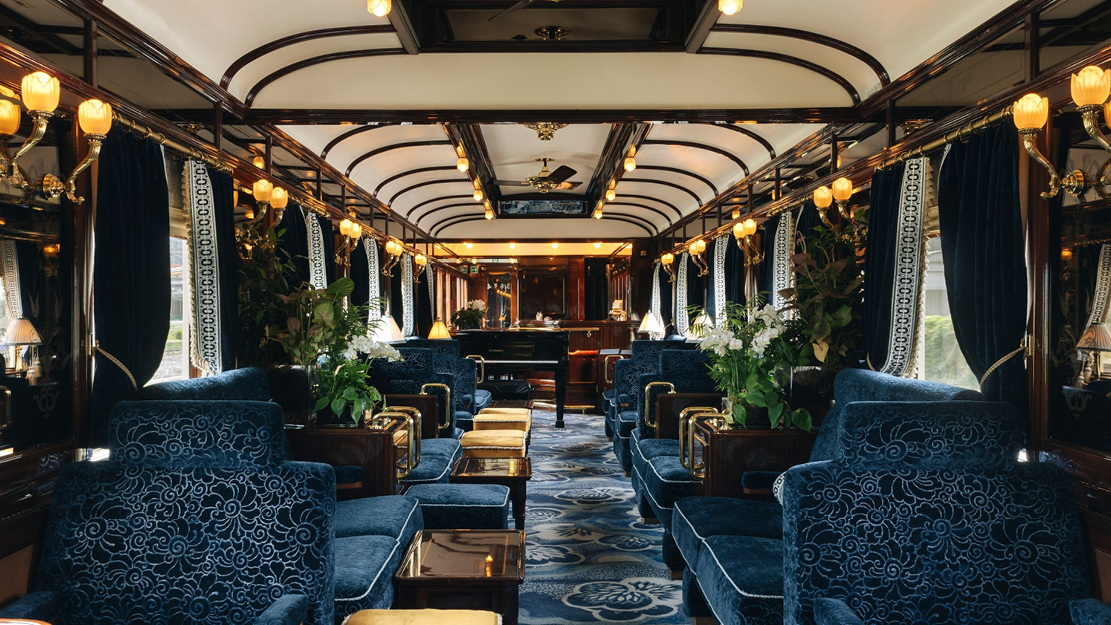
Japan’s Seven Stars in Kyushu combines beautifully restrained Japanese design with residential-style suites and carefully curated excursions ranging from traditional crafts to walks through forests and villages. In India, the Maharajas’ Express offers an altogether more opulent way to cross the country, combining lavish interiors with some of India’s most extraordinary historic destinations.
The appeal is easy to understand. Aircraft may be faster, but trains offer something increasingly rare, room to move, proper dining, spectacular scenery and permission to slow down. In luxury travel, time itself is becoming the indulgence.
Seven Continents in 28 Days
For travellers who regard an ordinary round-the-world trip as insufficiently ambitious, Abercrombie & Kent has devised something rather more extraordinary, seven continents in just 28 days.
Departing on January 3, 2028, Seven Continents by Private Jet: One Extraordinary World will take only 50 guests on a journey spanning virtually the entire globe. A privately chartered Boeing 757 will carry passengers between destinations, with lie-flat seating, an onboard executive chef, a full bar, iPads and noise-cancelling headphones. Travelling through smaller airports and private terminals should also allow the group to avoid much of the friction associated with commercial air travel.
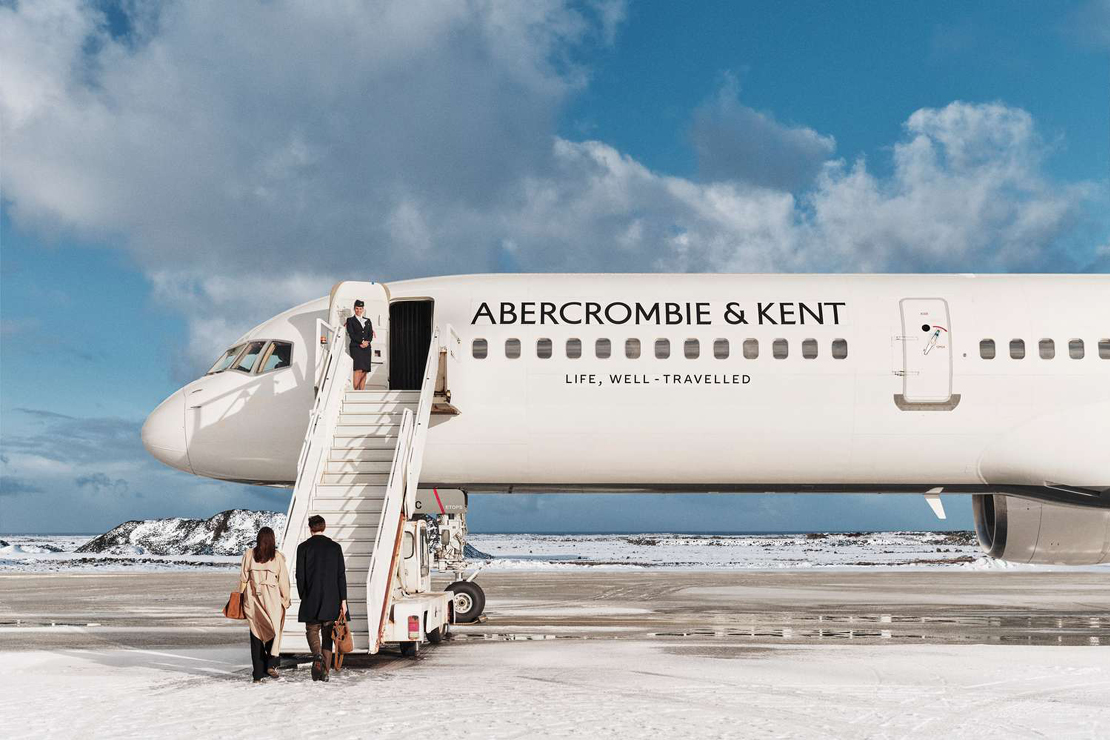
The itinerary runs from Miami to Madrid via Iguazú Falls, Antarctica, Easter Island, Auckland, Uluru, Hanoi and Ha Long Bay, Luang Prabang, the Maldives and Egypt. Experiences include watching sunrise over the moai of Ahu Tongariki, exploring Antarctica aboard a chartered expedition ship and enjoying a private after-hours visit to Tutankhamun’s tomb in the Valley of the Kings.

A&K describes the philosophy perfectly, guests are not simply buying flights, but compressing what might ordinarily represent years of extraordinary travel into a single month-long adventure.