
The secret to better skin and hair might not be found in your serum, your shampoo, or your carefully curated shelf of products. It might be in your water. Hello Klean, the Dubai-based beauty and wellness brand founded by Karlee Zhang, is on a mission to expose one of the most quietly damaging culprits in our daily routines: the unfiltered water we use to wash every single day, without a second thought.
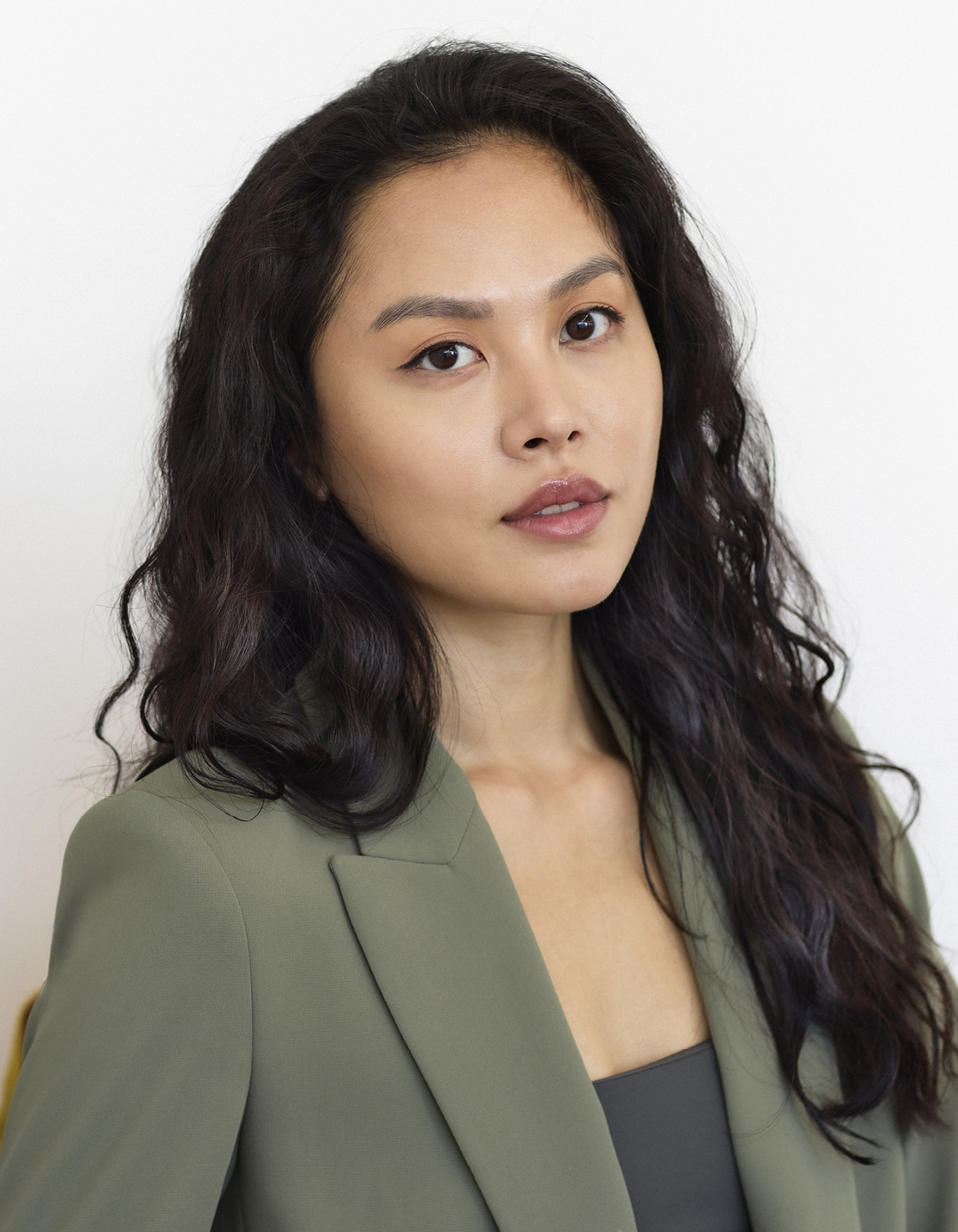
Karlee’s own story began when she moved to Dubai, where her skin and hair seemed to fall apart overnight. It took time, but eventually the dots connected. The one constant across every city she’d lived in wasn’t her products; it was the water. That realisation became the foundation of everything Hello Klean stands for. Much like sunscreen before it, Karlee believes water filtration is on the cusp of its cultural moment: the step that goes from overlooked to non-negotiable, and she’s building the brand that will define that shift.
What sets Hello Klean apart is the rare balance it holds: part performance, part emotion, rooted in science but speaking directly to how you feel. The goal was never simply shinier hair or clearer skin. It was something deeper, helping people feel like themselves again. Backed by a landmark investment from BRITA, Hello Klean is proving that making the unsexy undeniable is not just a strategy, it’s a movement. We sat down with Karlee to talk about the vision, the challenges, and why clean water isn’t a luxury. It’s the foundation.
Take us back to the beginning. What was the moment that made you say, “I need to build this”?
I’d moved cities a few times, but Dubai was where my skin and hair just… fell apart. And slowly it clicked that the one thing I hadn’t changed, the one constant in every city, was the water I was washing with. It’s a bit like sunscreen. For years, people either didn’t use it or didn’t understand why they needed it, and then science caught up with culture, and now it’s the one step nobody skips. I genuinely believe water is going to have that same moment. We just happen to be building in the years before everyone agrees.
How does your work reflect the community you’re rooted in, and how has that community shaped your creative or business direction?
Honestly, for us, community is about going back to basics, starting with asking simple questions. What worked, what didn’t, what would you actually want to see? Our customer has taught us more about how to position the brand than any strategy deck.
In a crowded space, what makes what you do genuinely different, not just in what you offer, but in how you think?
I think it’s the tension we hold. Brands in the beauty space are either fully functional, here’s the ingredient, here’s the science, or fully emotional and brand aesthetics-driven. We aim to marry a need product with a want product. That means getting to the root of how something makes you feel, not just what it does. The goal isn’t “my hair is shinier,” it’s “I discovered Hello Klean, and I feel like myself again.”That’s a different conversation entirely. That balance between the hard and the soft is intentional, and I think that tension is actually what makes the brand interesting.
Walk us through a challenge that nearly made you quit, and what kept you going?
2021 was a challenge. No money, everywhere was locked down, we’d just moved to London, supply chains were a disaster, and we only had two products at that point. But we made a decision to keep investing in the things that build brand long-term, PR and earned media especially, even when it felt insane to spend anything. And then we got a big Daily Mail feature and sold 2,000 units in a day. That moment wasn’t just about the sales, it was proof that people really wanted this product.
How do you balance staying true to your original vision while adapting to what the market or your audience needs?
The vision has always been the same: ‘beauty solutions for your water’ is the functional layer, ‘feel like you’ is the end goal. Those two statements are our anchor. When we’re deciding between a performance campaign and a brand moment, we come back to that. Performance and brand will naturally pull in different directions; one can feel transactional, the other can feel vague. Our job is to hold both, and that’s what leads to better decisions. You don’t stray into just vibes, and you don’t become a catalogue. We sit in the middle, and that’s intentional.
What does support for local and independent businesses actually look like in practice? What have you received, and what do you wish existed?
Investors who actually understand category creation and storytelling, not just those who say they do. We had potential investors suggest we sell through a hardware store, which tells a lot about their point of view. Going there might get you a quick win, but it can quietly destroy a brand image that took years to build.

The reality is that a lot of investment decisions in this industry are still being made by people from a different generation who aren’t necessarily thinking about where beauty is going, they’re thinking about where it’s been. That’s partly why our investment from BRITA felt right. They understood the vision from day one: cross-category beauty solutions, where neither side works without the other. The future needs investors who are genuinely open to experimenting, not just backing what was trending at Cosmoprof last year, and eventually rolling out in every other brand’s catalogue.
Who in your city or region is doing something you deeply respect, and why?
Salt, the salon. I think what they do is genuinely brilliant. They’ve married sound and haircuts in a way that’s completely their own. They’re rooted in an East London identity and haven’t chased every trend. That clarity is what cuts through. The brands that stand out are the ones people recognise instantly and remember, not the ones trying to appeal to everyone.
If you could change one structural thing to help entrepreneurs like you thrive, what would it be?
More investors who think about the industry in decades, not quarters. The people shaping what gets funded and what gets built are often not the people who understand what’s next. You need younger voices at the table who are consumers of the brands you’re interested in investing in, people who are genuinely open to what an emerging category could become, not what a legacy one has already proved. That shift would change the innovations and landscape within beauty.
What does success look like for you in the next three years, and how do you define it beyond revenue?
Continued international growth, where we’ve adapted without losing ourselves, that balance is everything. And keeping the innovation real. Bringing things people haven’t seen before: different creative formats, newer innovations, unexpected campaign structures, things people don’t immediately associate with beauty or filtration. The shock has to stay. That’s actually the thing I’m most excited about.
What would you say to someone sitting in a dream, too afraid to start?
Start with a problem and solution, and let the vibes come later. There is a new consumer brand launching every week right now: drinks, clothing, wellness. Don’t get into something because it looks cool and everyone else is doing it. The real opportunity is taking something that feels unsexy, that has proven real demand, and making it undeniable. Make the uncool thing cool. That’s the harder path, and it’s the one worth taking.
By Lea Nouhra