

Haider Ackermann’s latest collection explores seduction and freedom through a tension between revelation and restraint, taking the idea of provocation towards something more precarious.
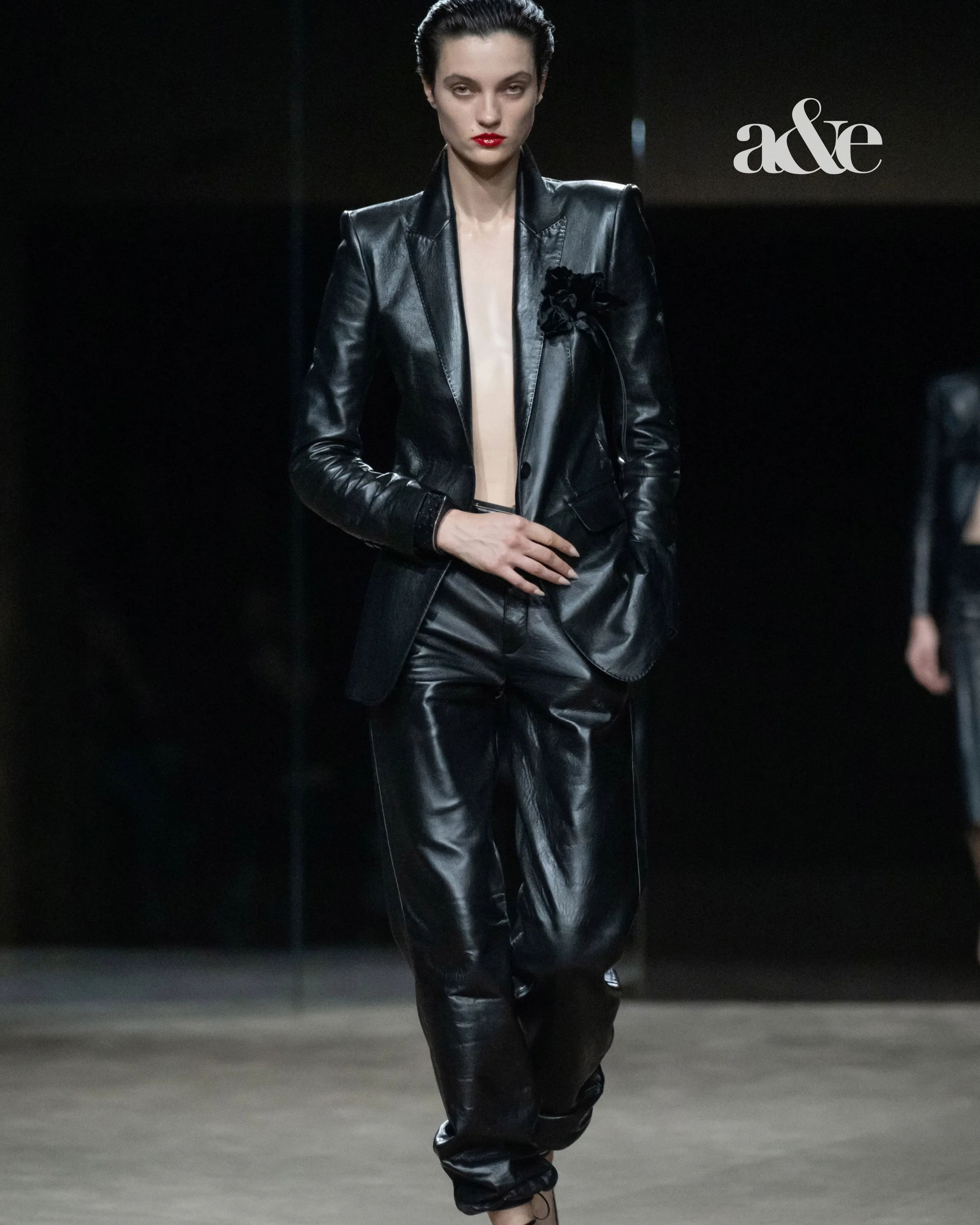
At the centre of the collection is the mirror, described as a “placeless place” where reflections appear and disappear, and where the gaze is returned to the viewer. Rather than simply inviting attention, the reflection introduces a sense of risk, capturing the feeling of being close to an edge without necessarily crossing it.
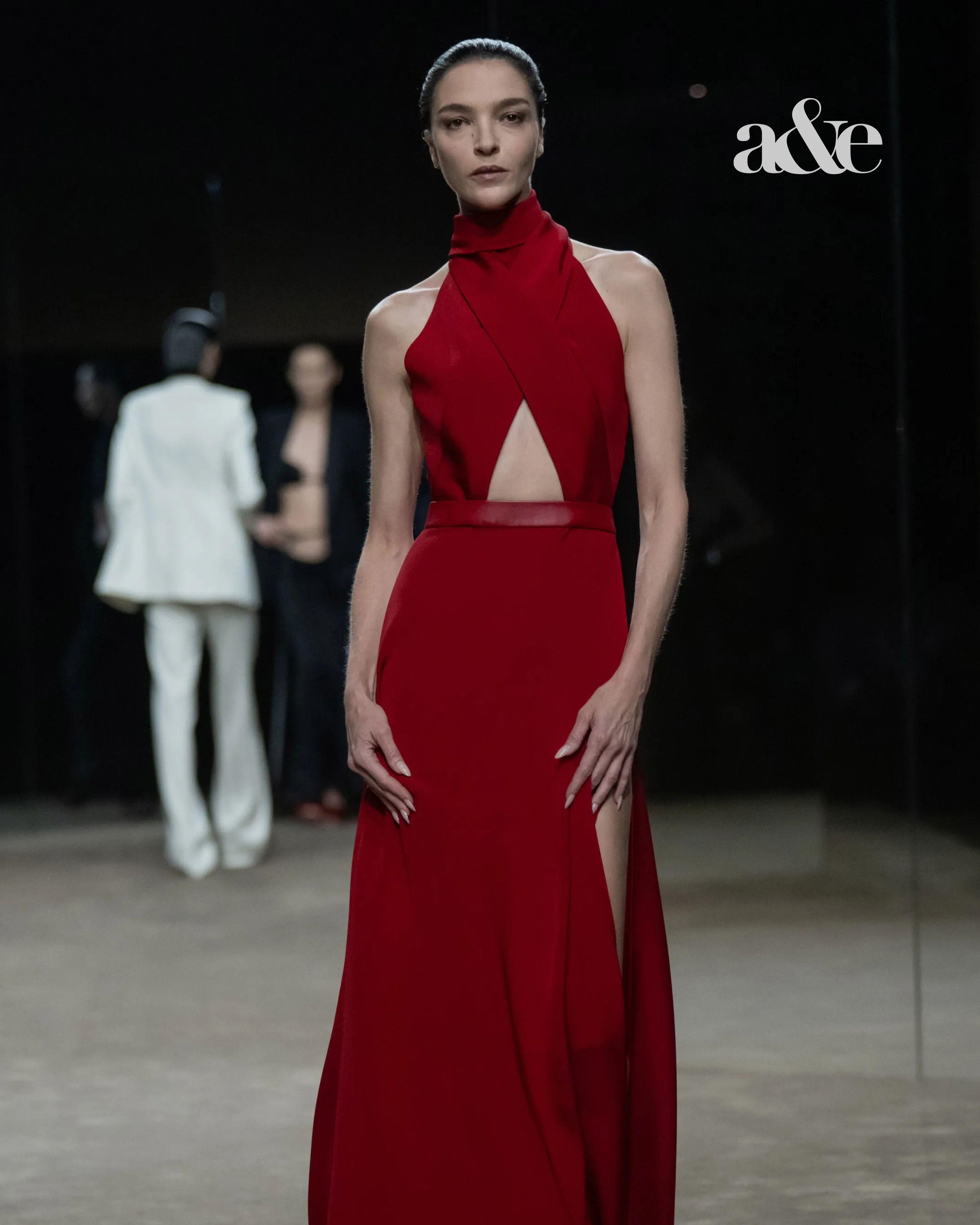
“Seduction is the pillar on which this house is built,” Ackermann says, explaining that this season he wanted to push the idea further, “closer to danger”. The collection considers the point at which attraction becomes unsettling, with the body presented as something that can reveal itself without explicitly offering itself.
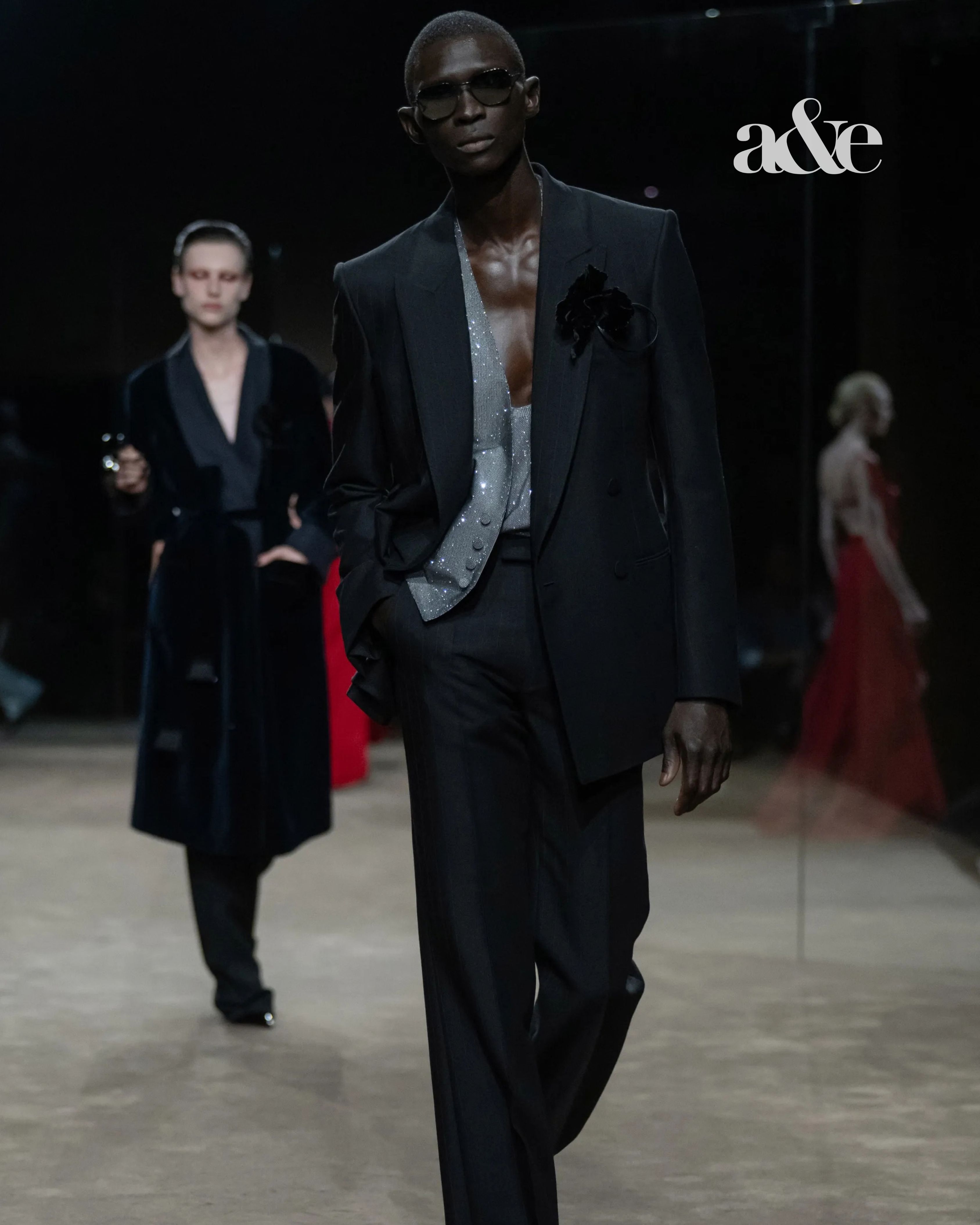
That tension extends to the relationship between sexuality and vulnerability. Ackermann describes sexuality as something that does not need to be overt, but can instead exist as “a tremor under the skin”. Fragility, meanwhile, is presented not as the opposite of strength, but as something that can sometimes resemble it.
The collection’s sense of freedom is similarly complicated. Ackermann describes freedom as “a form of decadence”, evoking the possibility of going too far, staying out too late, opening the wrong door and wanting to discover what lies beyond it. Rather than resolving these tensions, the collection leaves them deliberately open.
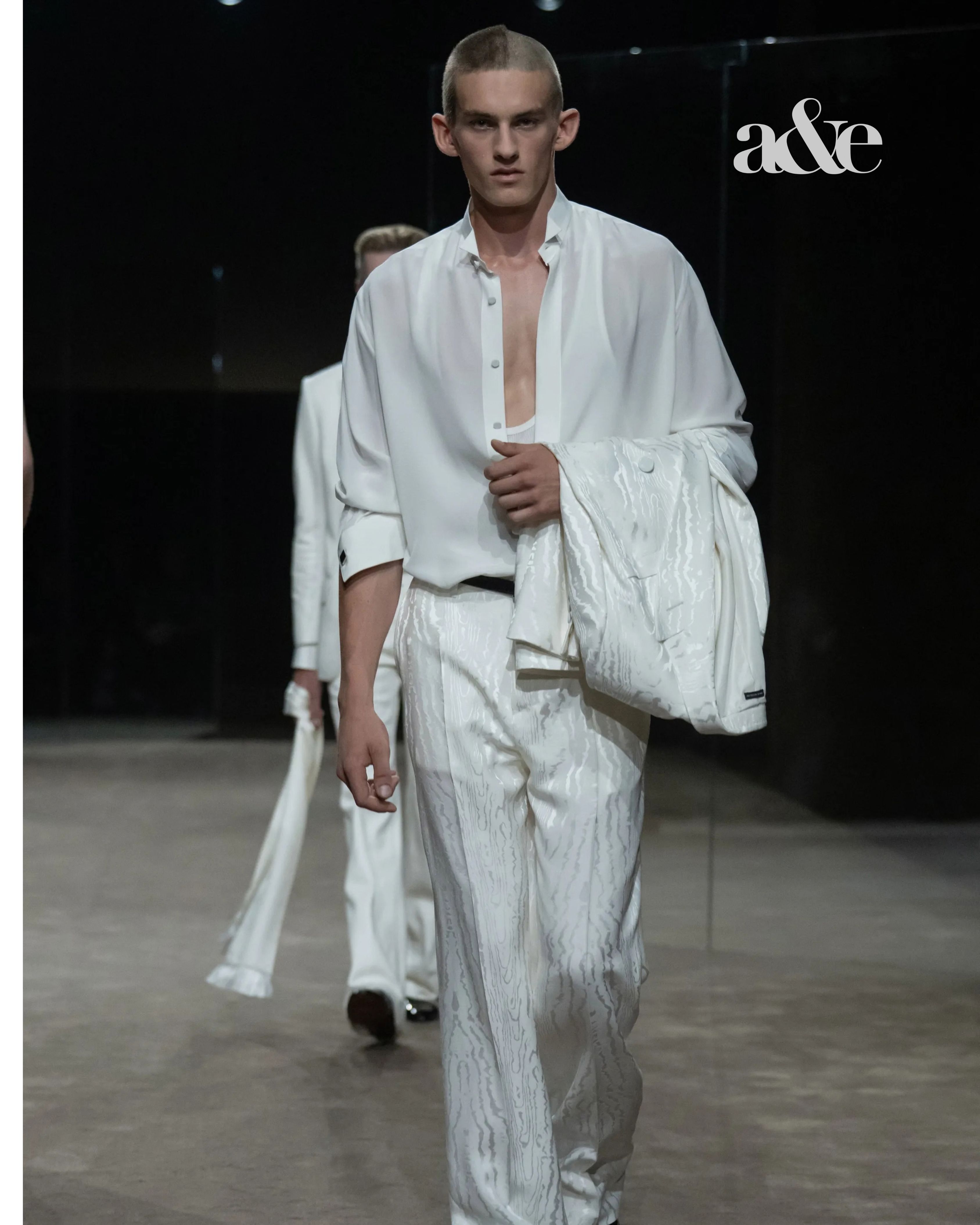
Its imagery is built around moments of anticipation: a door at night, a gaze held for a second too long, or a trace of red on another person’s lips. Each suggests that something may already have happened, or that something is about to happen.
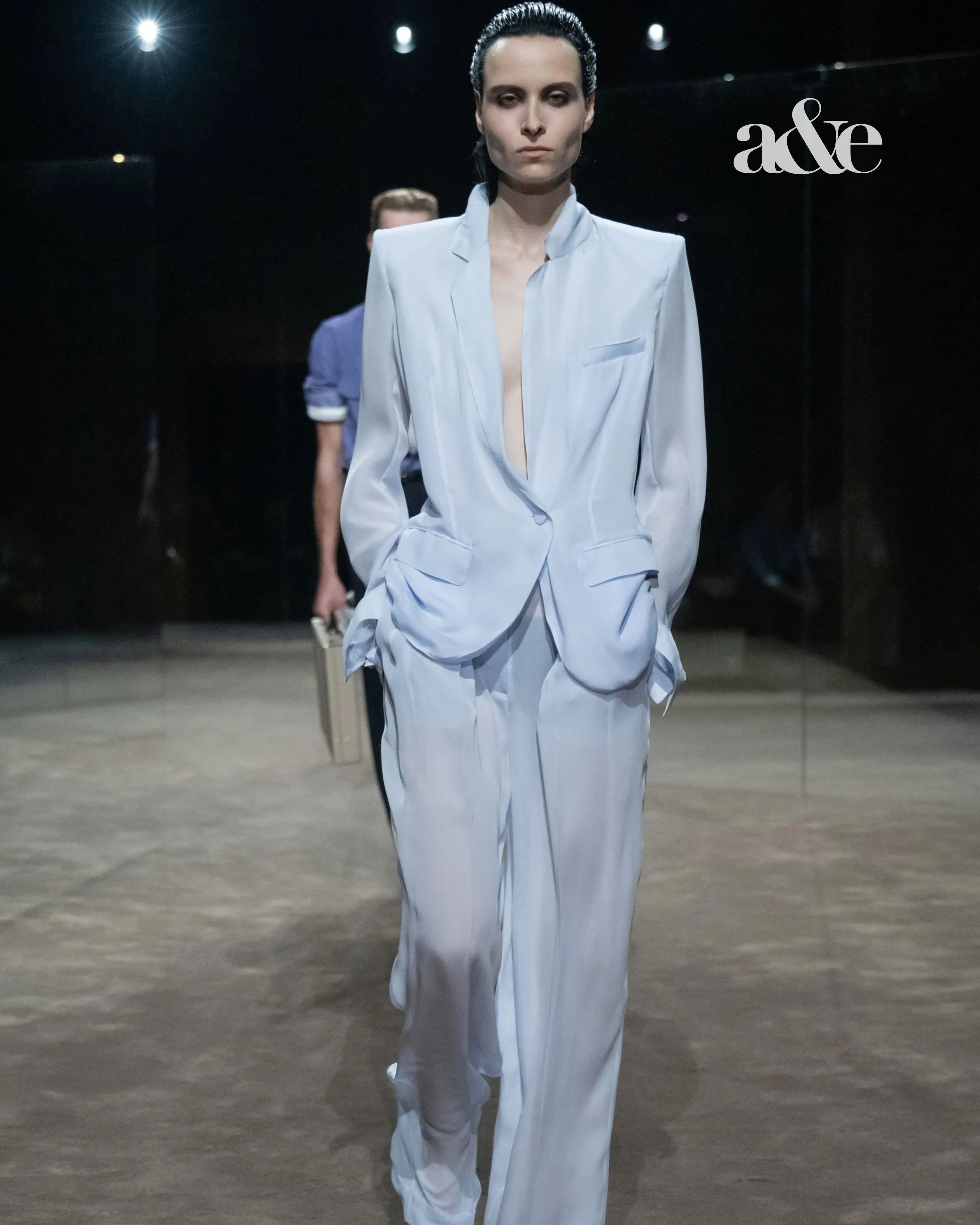
This ambiguity is central to Ackermann’s approach. “I want things to remain open,” he says, resisting a straightforward interpretation of provocation. Instead, the collection is concerned with the freedom that comes from accepting uncertainty and risk.
“I am not interested in provocation,” Ackermann states. “I am interested in the risk of being free.”
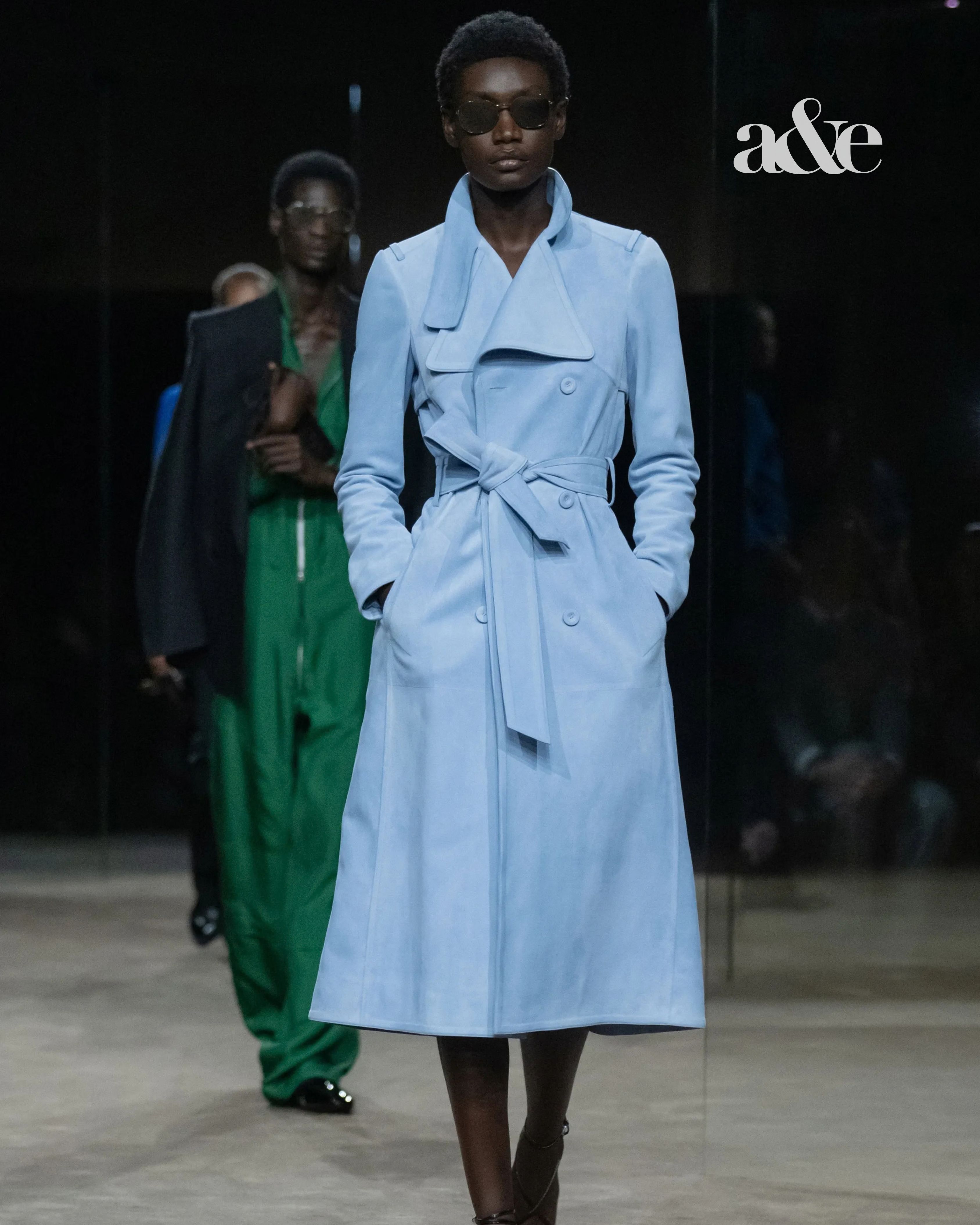
The result is a collection framed around desire without resolution. Rather than presenting sexuality as something loud or explicit, Ackermann positions it as something quieter and more physical: a gesture, a glance or a fleeting sense of danger.
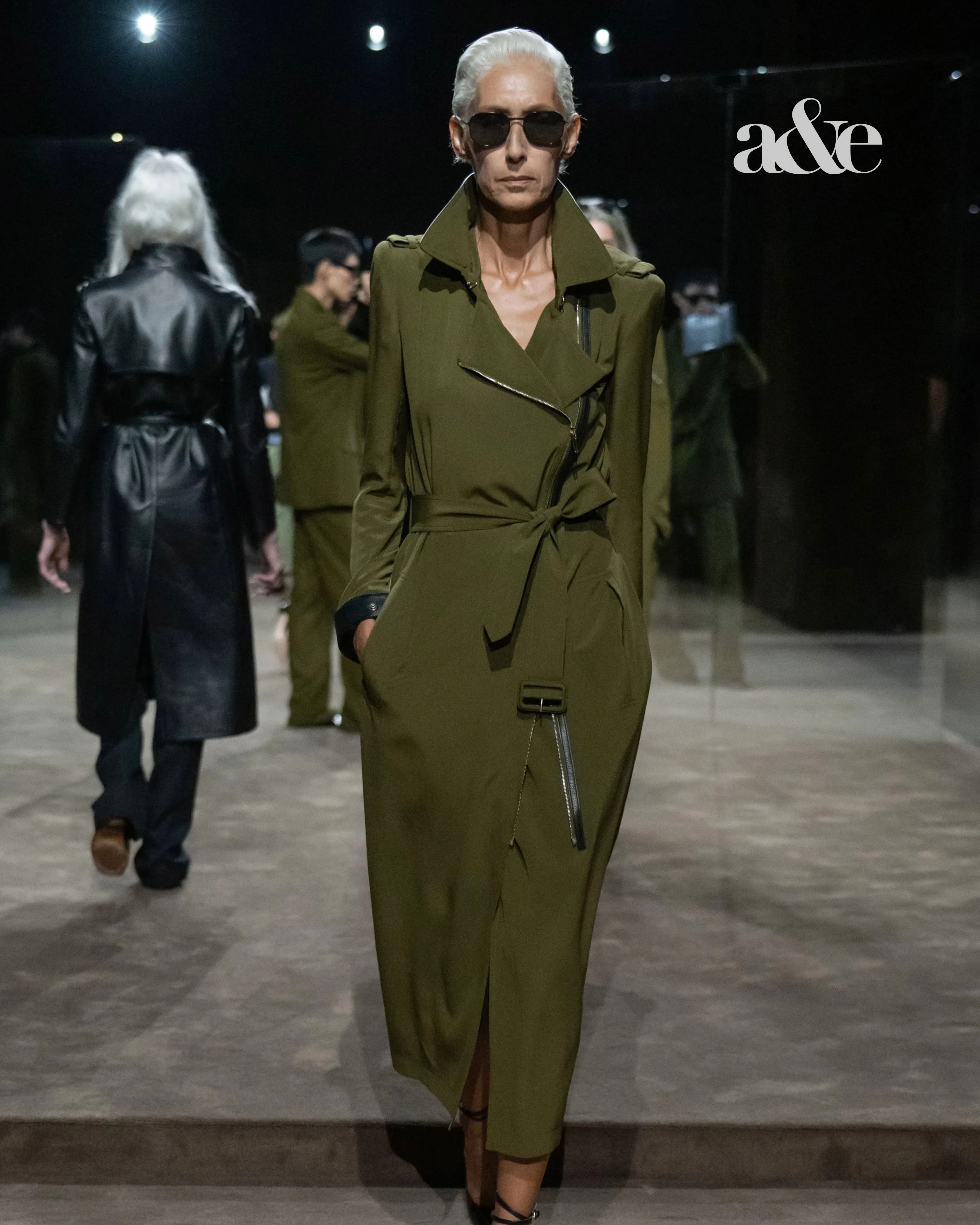
At its core is the idea that desire requires space to exist, expressed simply in his closing statement: “Desire needs air.”