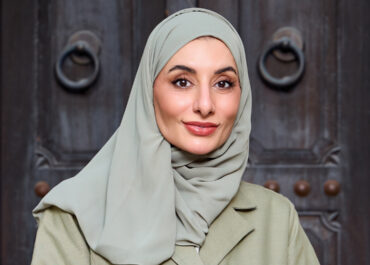

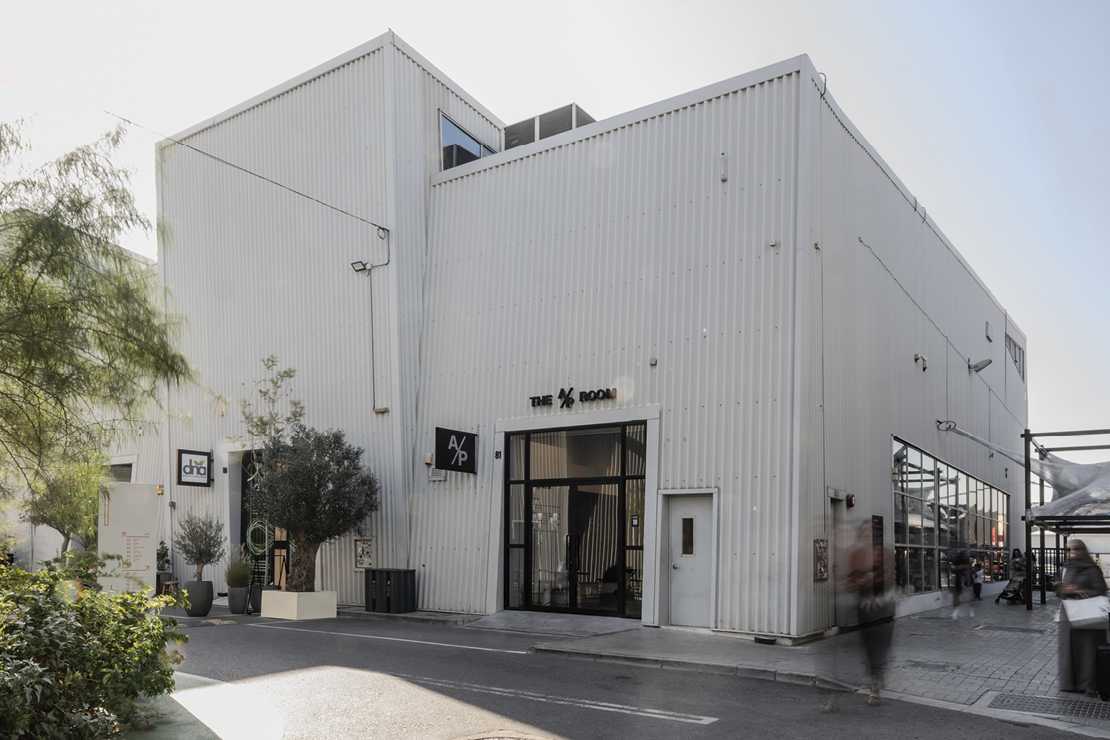
A personal fascination with furniture and design eventually led French-Lebanese collector Christelle Bassila to establish The A/P Room, a Dubai gallery dedicated to historical and contemporary collectable design.

With a background in finance, studies at Christie’s Education and more than a decade spent collecting pieces for her homes in Beirut and Paris, Bassila has developed a curatorial approach that places equal importance on artistic expression, craftsmanship and history.
Founded in partnership with art patron Elie Khouri, the gallery brings international designers and emerging regional talents together at Alserkal Avenue. Following its recent participation in Design Miami Paris, The A/P Room is now preparing for its second appearance at NOMAD Abu Dhabi in November 2026, where Emirati and regional designers will be presented alongside historical international works. A&E speaks to Bassila about the growing appetite for collectable design in the UAE, the importance of personal instinct and her ambitions for the gallery.
What first drew you to collectable design, and how did collecting for your homes in Beirut and Paris influence your career?
My first connection to design was very personal. My husband and I have always shared a passion for architecture and real estate projects. Whenever we travelled, we somehow ended up discovering galleries, wandering through flea markets and falling in love with objects along the way.
When furnishing our homes in Beirut and Paris, I was never simply looking to fill a space. I wanted pieces that spoke to me, that had a presence, a story, something that made them special. Without really realising it, I was developing my eye and building a collection.
My background in finance naturally shaped the way I think about value and long-term significance, while my training at Christie’s gave me a deeper understanding of the history behind these objects. Over time, collecting became a passion I wanted to share.
What was the original vision for The A/P Room?
The idea was to create a space where historical design and contemporary creations could meet, where objects from different periods, cultures and geographies could enter into conversation and reveal something unexpected about one another.
Dubai has an incredibly international audience, a sophisticated collecting community and a growing appreciation for art and design. Together with my business partner, Elie Khouri, we felt there was an opportunity to introduce a gallery dedicated specifically to collectable design, with a strong curatorial identity and an international perspective.
We also wanted to create a platform where established international names and emerging voices from our region could be presented on equal terms.
How has your personal taste evolved over the years, and what makes a piece particularly compelling to you?
I think my taste has become much more open, and perhaps more instinctive. When I started collecting, I was naturally drawn to certain periods and aesthetics. But the more I discovered, the more I realised that great design cannot always be defined by a particular movement, period or style.
Today, what attracts me most is the strength of an idea and the way an artist or designer expresses it through form, material and craftsmanship.
I am fascinated by objects that reveal something new each time you look at them. Some pieces make an immediate impression, while others grow on you quietly over time. I particularly love that experience of living with an object and discovering new qualities in it years later.
The gallery brings historical and contemporary works together. What interests you about placing objects created decades apart alongside one another?
What fascinates me is how objects can transform one another simply through their presence.
I am not interested in presenting design as a chronology. I prefer to explore the connections that exist across time, whether through a shared sensitivity to proportion, a particular treatment of materials or a common approach to sculpture and function.
Sometimes the most interesting encounters happen between works that appear to have very little in common. Different cultures and generations may express themselves through very different languages, yet there are often remarkable affinities between them.
How do you define collectable design, and what distinguishes an exceptional piece?
I see collectable design as a form of artistic expression, where function becomes a medium rather than the sole purpose of an object.
In many ways, a piece of furniture can be to a designer what a canvas is to a painter: a space through which to explore ideas, challenge conventions, and express a personal vision.
Of course, craftsmanship, rarity and provenance are important. But what makes a piece truly exceptional goes beyond those qualities. I look for originality, intention and a certain coherence between the idea and its execution.
It doesn’t necessarily need to be monumental or spectacular. A beautifully resolved, understated piece can have just as much presence as a highly sculptural work.
How would you describe the appetite for collectable design in the UAE today?
There is a genuine and growing curiosity for collectable design in the UAE. What makes Dubai particularly interesting is the diversity of its collecting community. People arrive with different cultural backgrounds, references and experiences, creating a very open environment for discovery.
I am seeing a growing desire to move beyond simply acquiring beautiful objects towards understanding the stories, artistic intentions and histories behind them.
For established art collectors, collectable design often feels like a natural extension of their collections. For others, the journey begins with the pleasure of living with an exceptional object and gradually develops into a deeper appreciation of the field.
I also think collectors are becoming increasingly confident in developing their own point of view, rather than following a particular aesthetic or trend.
The A/P Room recently became the first UAE-founded collectible design gallery to exhibit at Design Miami Paris. What did that experience mean to you?
It was an incredibly meaningful moment for me, both personally and professionally. I lived in Paris for several years, and the city has played an important role in shaping my eye and my relationship with design.
Participating in Design Miami Paris was an important milestone for a young gallery from Dubai. It was an opportunity to present our curatorial vision to an international audience and to see how our approach resonated beyond the region.
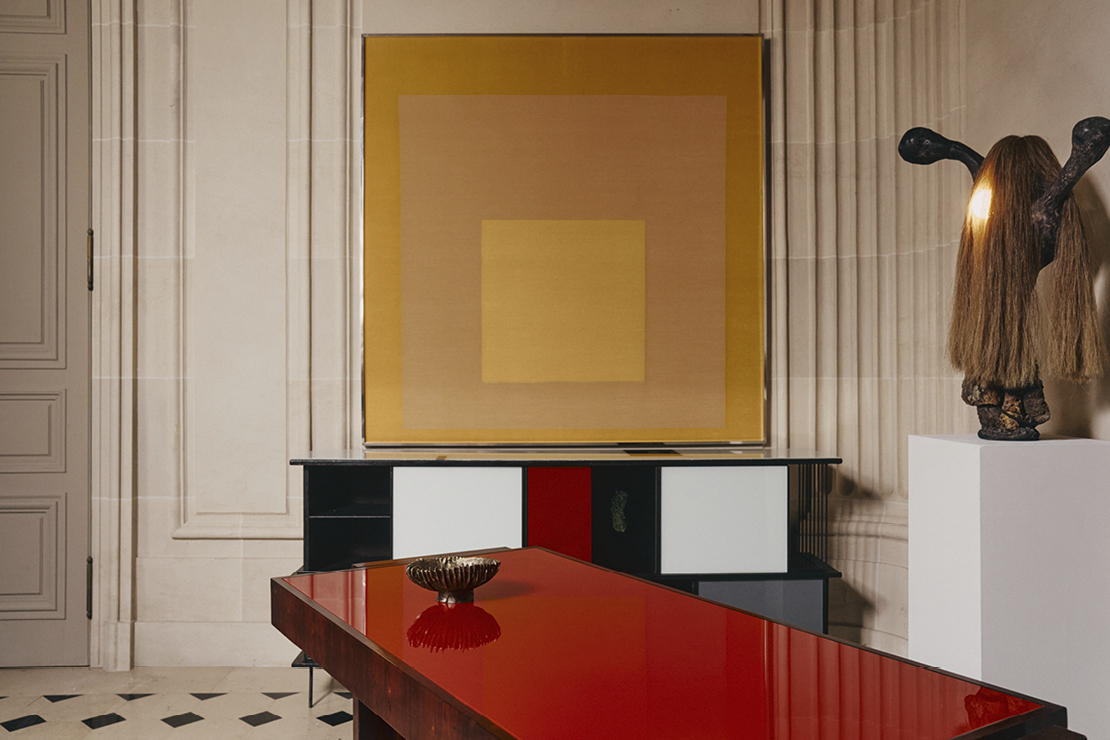
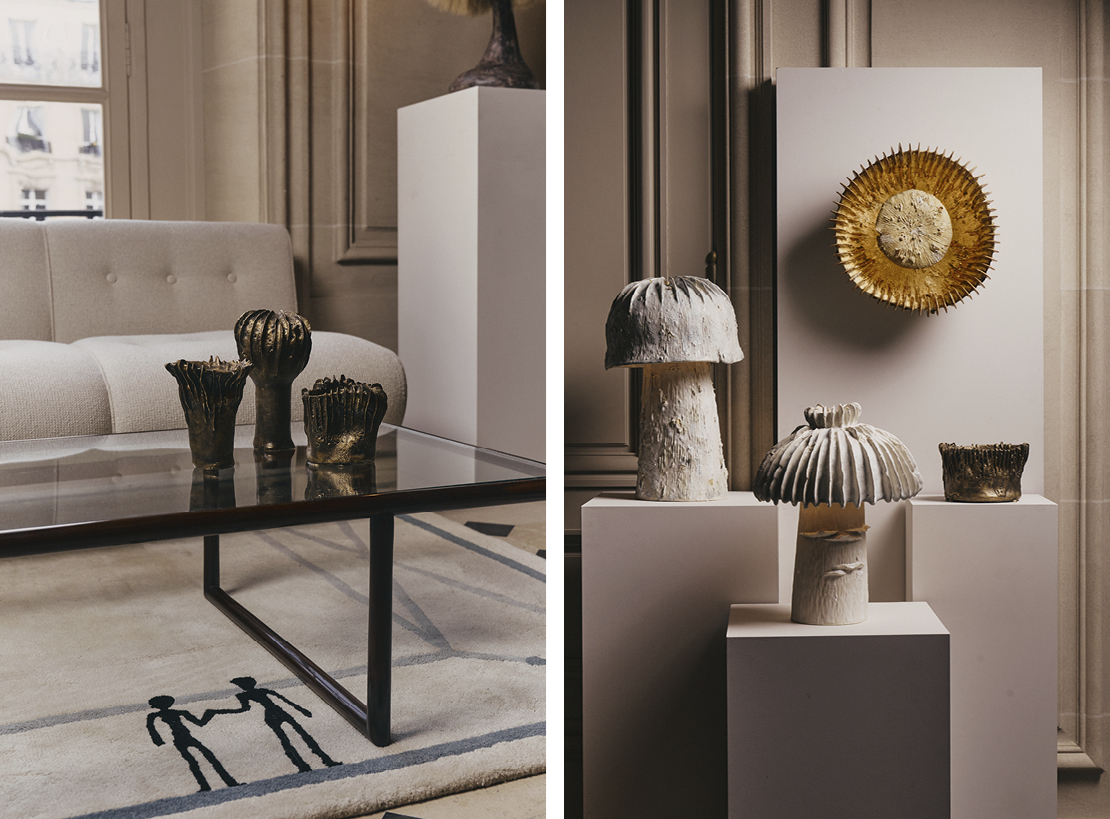
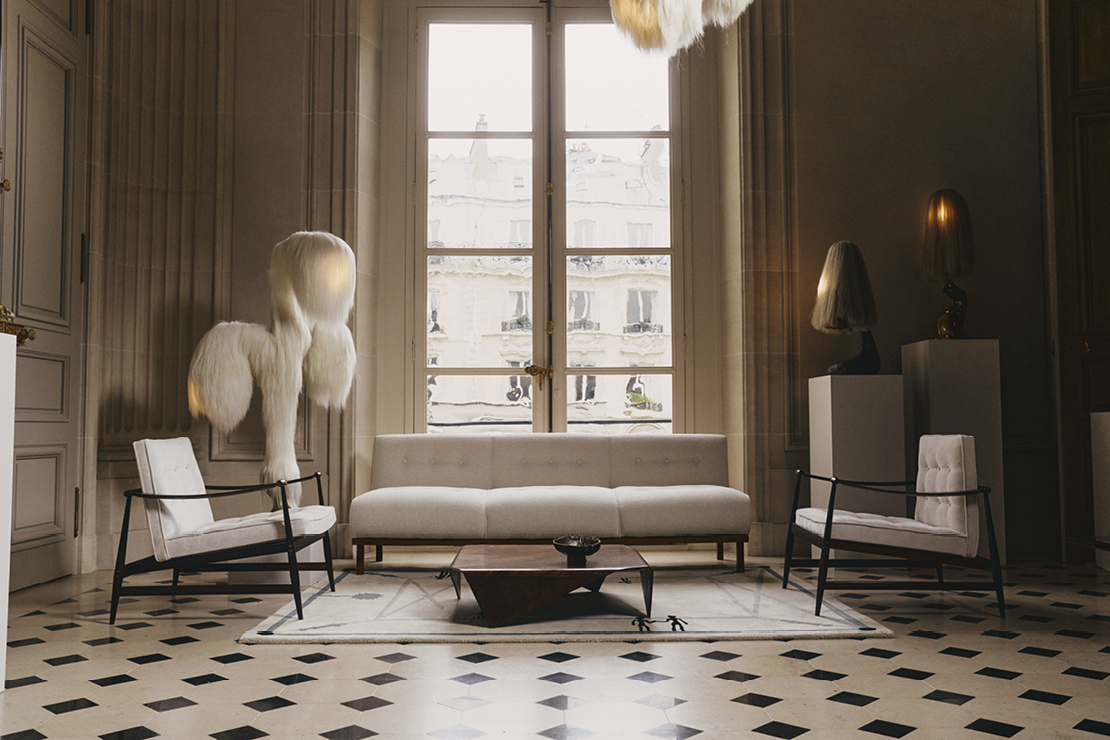
I was particularly proud to bring together historical Brazilian design with contemporary work by Rogan Gregory from Los Angeles and Zein Daouk from Lebanon.
The experience reinforced my conviction that a gallery can be deeply rooted in its home region while contributing meaningfully to the international design conversation.
What informed the selection of Brazilian design, Rogan Gregory’s sculptural lighting and Zein Daouk’s ceramics for the Paris presentation?
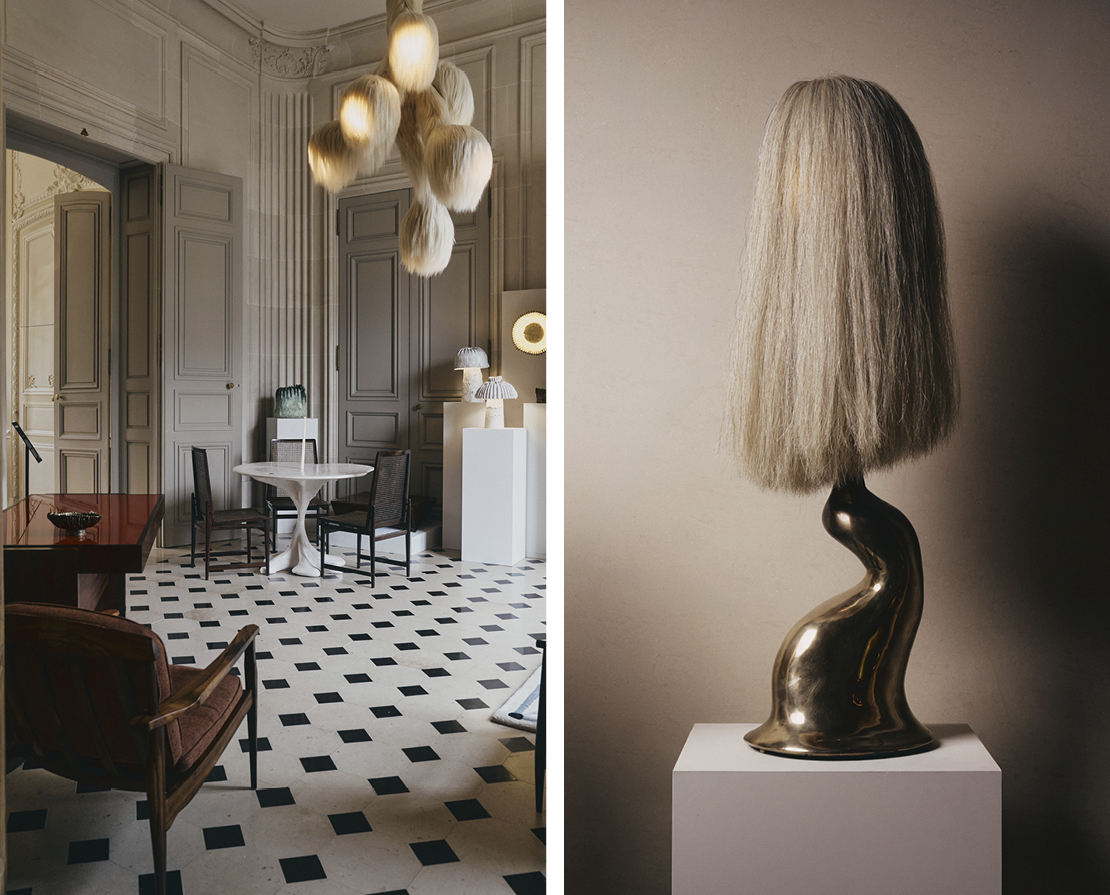
The starting point was historical Brazilian modernism, particularly works from the 1950s and 1960s. I have always been drawn to the extraordinary elegance of Brazilian design, the simplicity of its lines, the warmth of its materials and the grace of its proportions.
In contrast, Rogan Gregory introduced a much more sculptural and almost otherworldly dimension. What fascinates me about his work is the ambiguity between the object and the living world. Through unexpected combinations of materials, his lighting takes on a mysterious, almost breathing presence.
Zein Daouk brought another perspective through her sculptural ceramics, inspired by the fungal world and informed by her architectural sensibility and Lebanese cultural background.
What interested me was precisely this contrast between different expressions of design, and how naturally they could coexist.
Which developments in contemporary Middle Eastern design are you finding particularly exciting?
What excites me most is the growing confidence and individuality of designers from the region.
There is a new generation exploring materials, traditional techniques and cultural references in very personal and contemporary ways. They are drawing inspiration from their heritage without feeling the need to be defined by it.
Regional design should not be confined to a particular aesthetic or cultural narrative. It deserves to be appreciated for the strength of its ideas, the originality of its forms and the quality of its execution, just like design from anywhere else in the world.
At The A/P Room, we want to create opportunities for these designers to be seen in an international context, alongside established historical and contemporary names.
The gallery returns to NOMAD Abu Dhabi in November. What can visitors expect?
For NOMAD Abu Dhabi, we are continuing to explore the dialogue between historical and contemporary design, with a particular emphasis on artists and designers from the region.
The presentation brings together sculptural bronze works by Lebanese designer Aline Hazarian, a new work by Emirati designer Omar Al Gurg and works by American artist Rogan Gregory, alongside historical pieces by Joaquim Tenreiro, Jorge Zalszupin and Carlo Hauner, among others.
I am particularly excited to give regional designers a prominent place within this international conversation.
Rather than separating works according to their origins, I want to create an environment where they meet naturally, revealing connections through their forms, materials and artistic sensibilities.
What advice would you give someone beginning to explore collectable design?
My first advice would be to trust your eye and your intuition.
Collecting should begin with curiosity and emotion. Spend time visiting galleries, exhibitions and fairs. Ask questions, learn about the designers and understand the history behind the works, but don’t feel you need to follow a particular formula.
Of course, knowledge is essential, particularly when it comes to understanding rarity, provenance, craftsmanship and historical significance. But I don’t believe you can build a meaningful collection on those considerations alone.
A collection should tell something about the person behind it, their experiences, discoveries and evolving sensibility.
And whenever possible, live with the pieces you collect. There is something wonderful about experiencing design in everyday life.
Finally, what are your ambitions for The A/P Room?
My ambition is to establish The A/P Room as a meaningful voice within the international collectable design community, while remaining true to the curiosity and personal approach that inspired its creation.
An important part of that vision is supporting talent from the Middle East and giving regional designers the opportunity to enter a broader international conversation, not as a separate category, but as an integral part of it.
My hope is that the Middle East will increasingly be recognised not only as a destination for collecting design, but as a place where design is imagined, created and contributes to the global cultural conversation. And I would love The A/P Room to play a part in making that happen.
The A/P Room is located at Warehouse 81, Alserkal Avenue, Dubai.