
From palatial dining rooms and architectural landmarks to immersive, contemporary spaces, these five restaurants demonstrate how exceptional interior design can transform a meal into an experience.
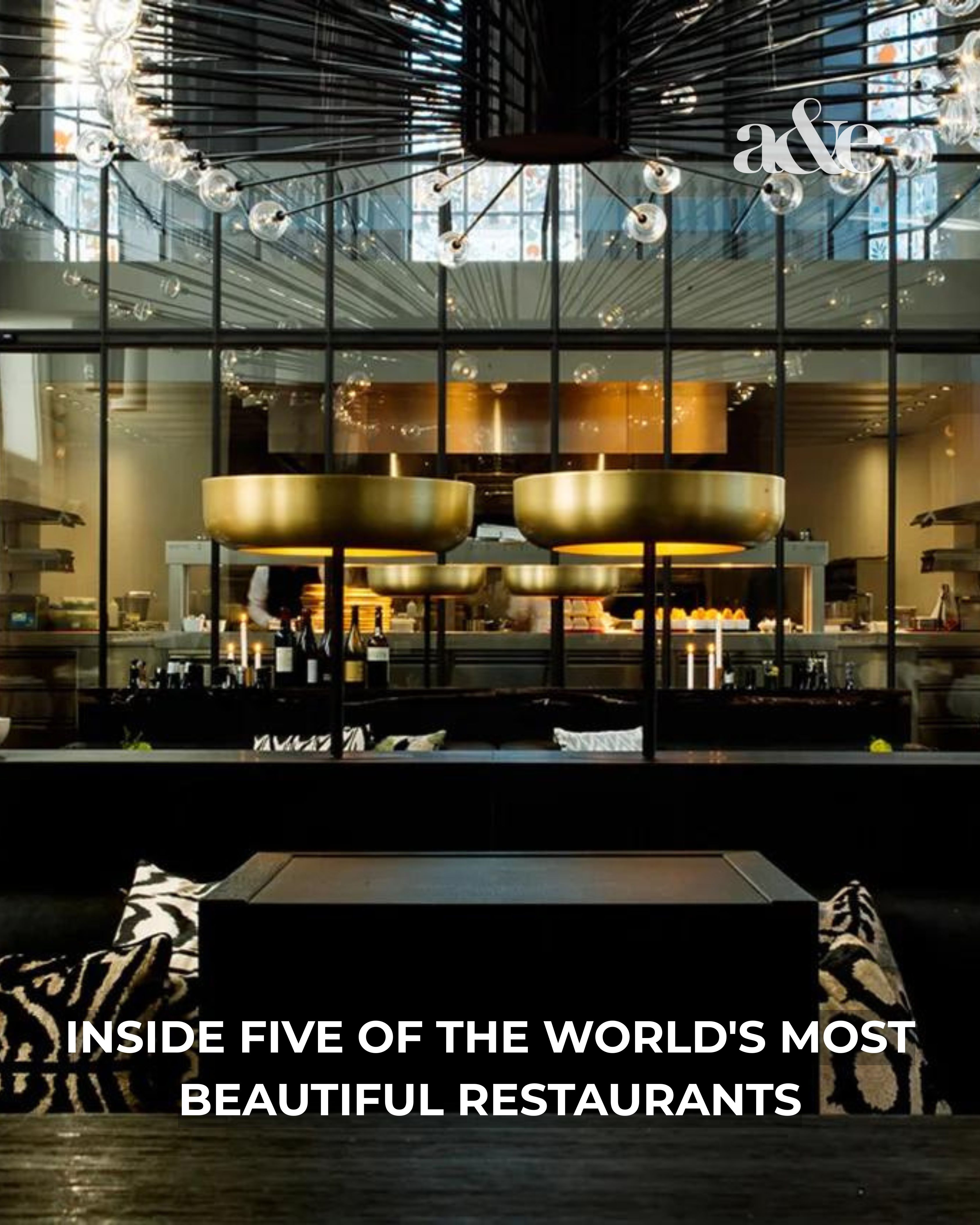
Spanning five countries, each offers a distinctive interpretation of luxury, with interiors as memorable as the food.
The Jane – Antwerp, Belgium
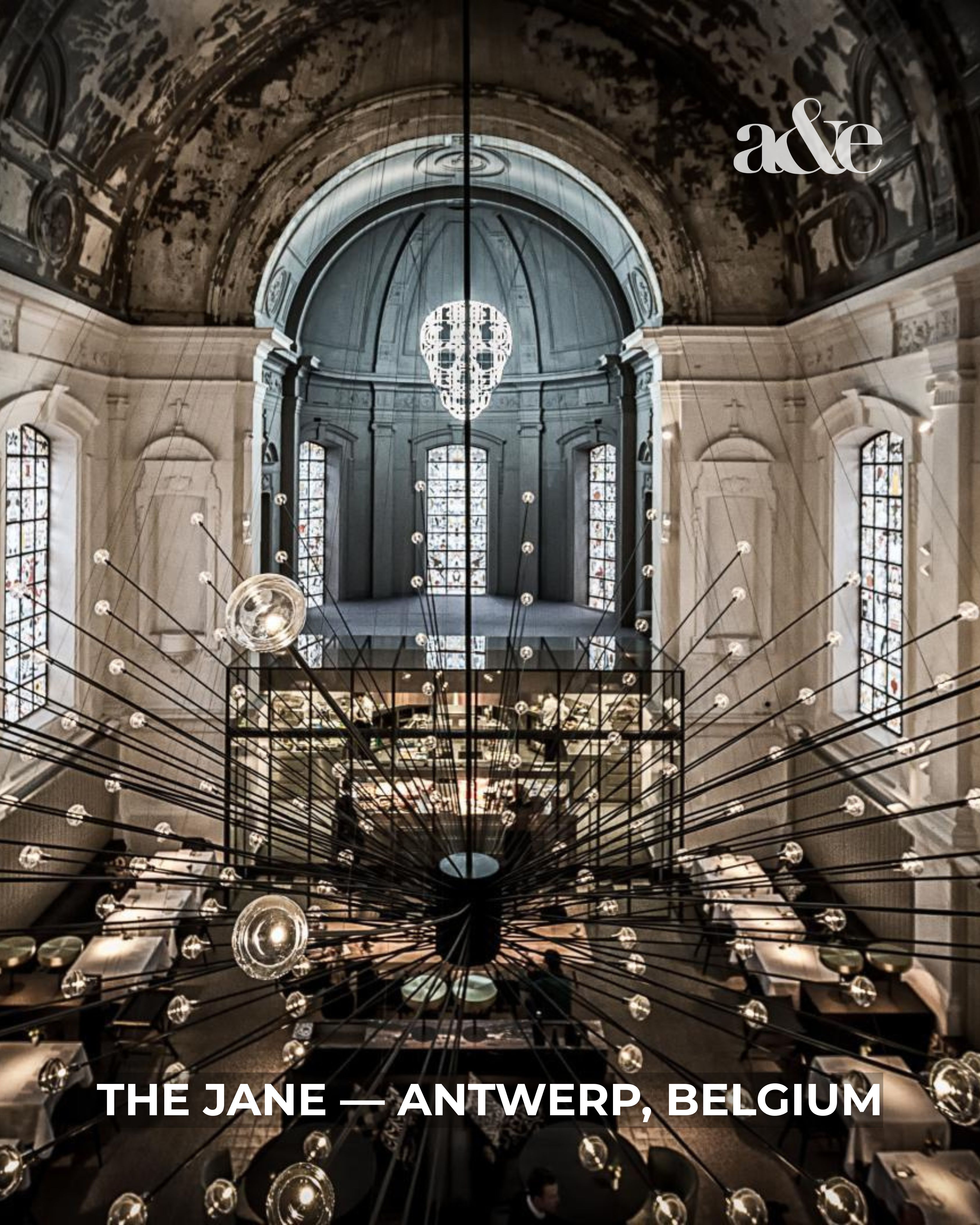
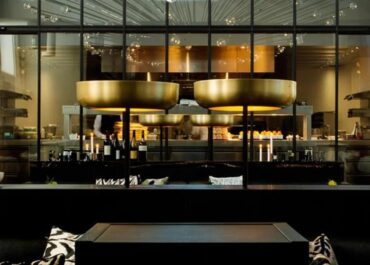
Designed by Belgian architect Nicolas Schuybroek, The Jane entered a new chapter in October 2025, relocating to Antwerp’s historic harbour district. Its new home is a study in understated luxury, pairing a brutalist architectural framework with tactile materials, bespoke lighting and carefully considered detailing. A palette of timber, stainless steel and natural stone creates a restrained backdrop for the central open kitchen, while the interplay of light and shadow gives the intimate dining room an almost meditative quality.
Le Louis XV – Monte-Carlo, Monaco
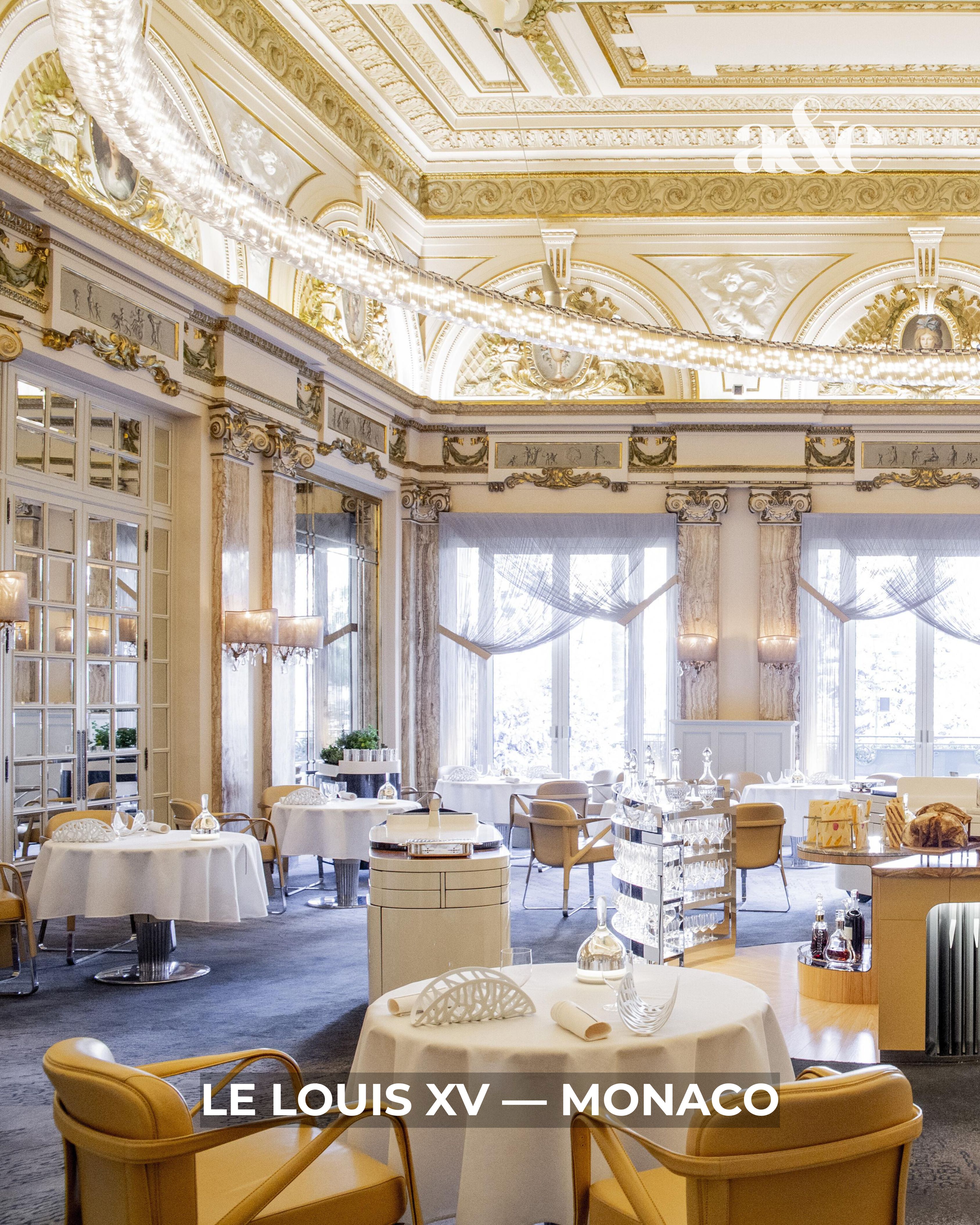
Few restaurants embrace the grandeur of fine dining quite like Le Louis XV at the Hôtel de Paris Monte-Carlo. Conceived as a celebration of French decorative arts, the dining room features an elaborate vaulted ceiling, gilded detailing, ornate plasterwork and magnificent chandeliers. Inspired by the opulence of the French Riviera’s Belle Époque heritage, the interiors offer a suitably theatrical setting for Alain Ducasse’s celebrated Mediterranean cuisine.
Nobu One Za’abeel – Dubai, UAE
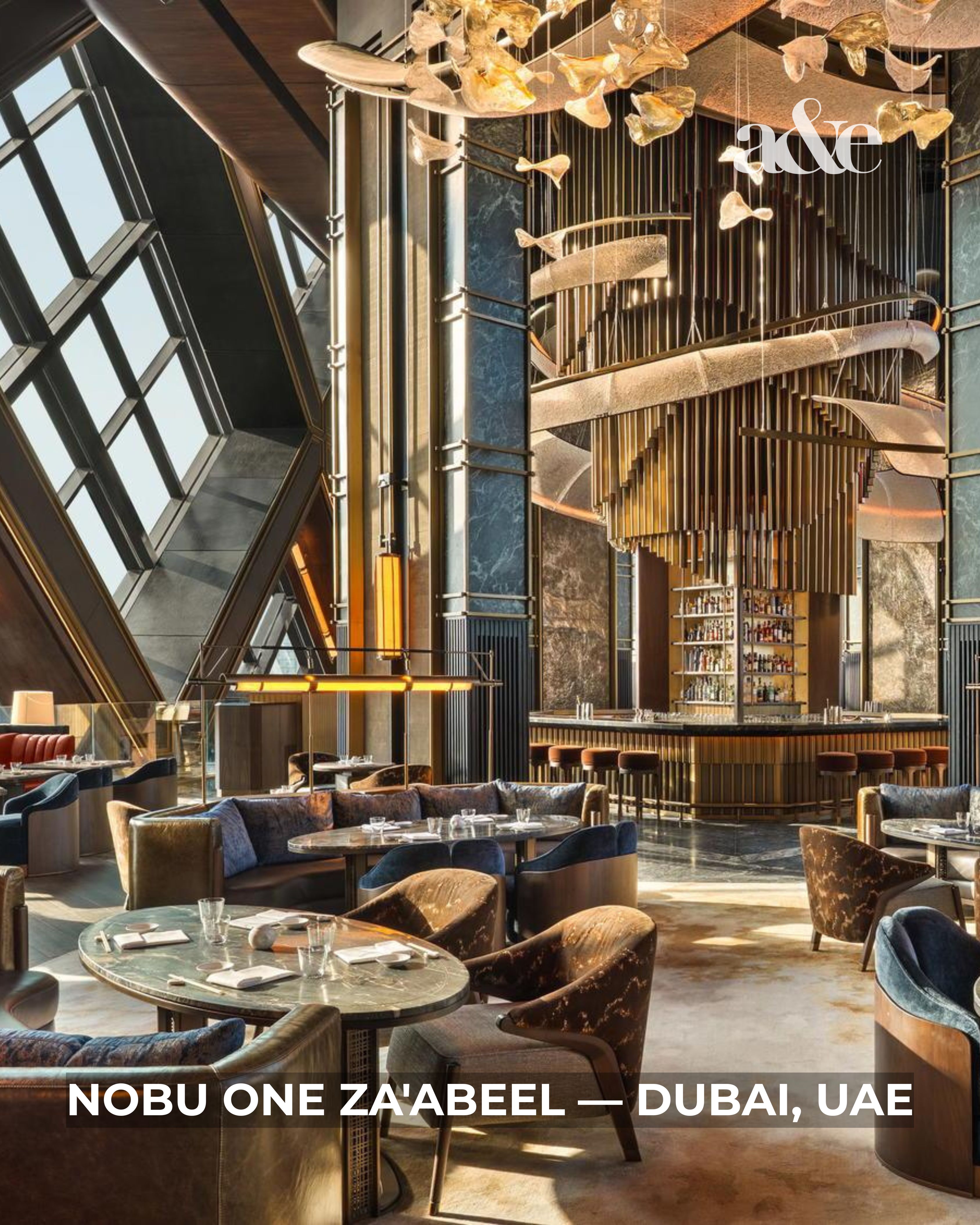
Occupying the spectacular sky concourse connecting Dubai’s One Za’abeel towers, Nobu’s latest outpost makes a statement through architecture as much as its panoramic city views. Designed by Rockwell Group, the interiors reinterpret Japanese craftsmanship through a contemporary lens, with intersecting geometric forms, sculptural metalwork and a monumental custom lighting installation. The result is an atmospheric dining destination that balances the brand’s Japanese heritage with the scale and glamour of its Dubai setting.
Alchemist — Copenhagen, Denmark
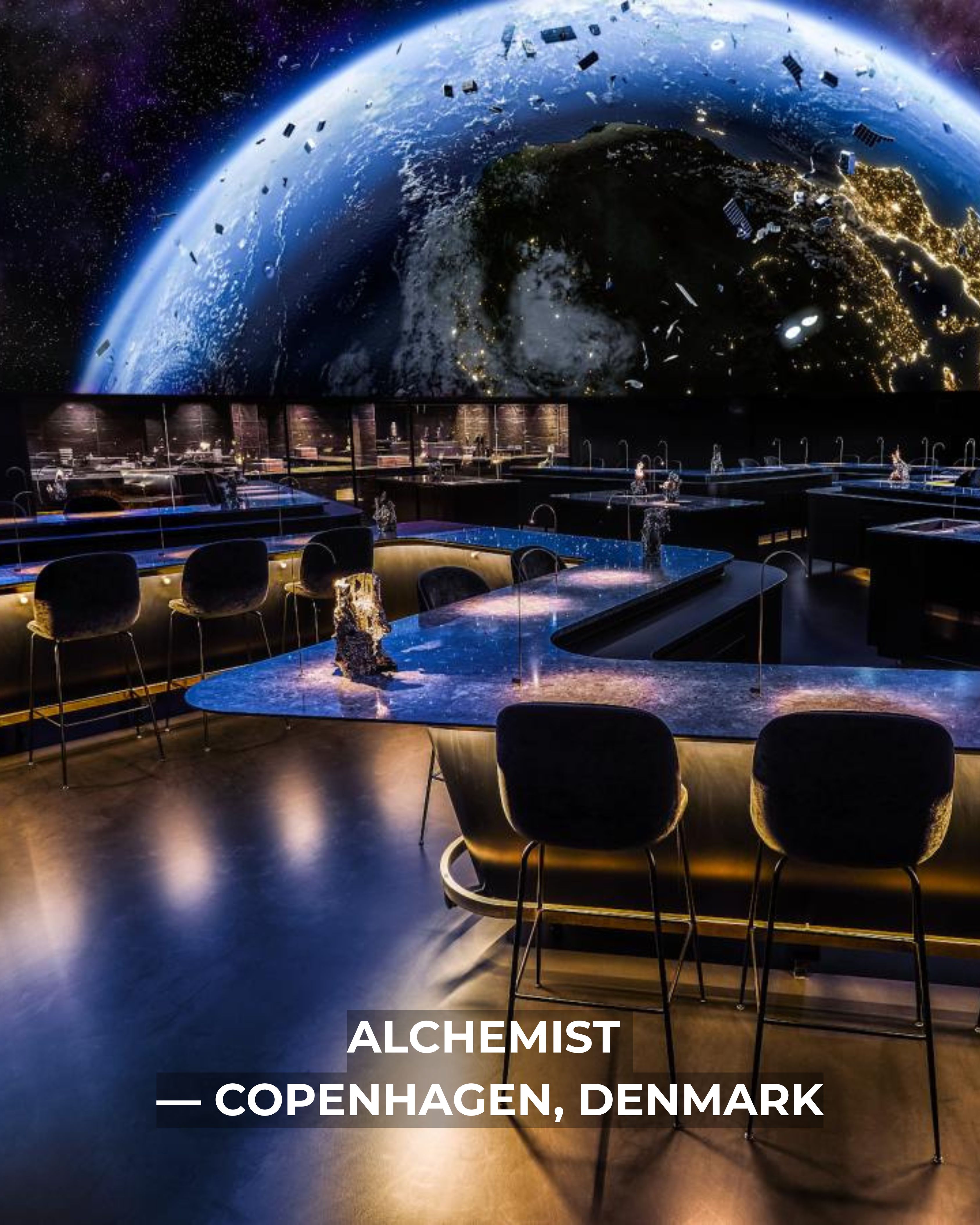
Housed in a former theatre set-building workshop, Alchemist is closer to an immersive art installation than a conventional restaurant. Designed by Studio Duncalf, its 2,000-square-metre interior unfolds across a sequence of theatrical spaces, culminating in an 18-metre planetarium-style dome onto which spectacular 360-degree projections are mapped. Elsewhere, a three-storey wine cellar, sculptural installations and deliberately disorientating transitions turn the dining experience into an exercise in spatial storytelling. The result is one of the world’s most ambitious intersections of architecture, technology and gastronomy.
Escā Playa — Ras El Hekma, Egypt
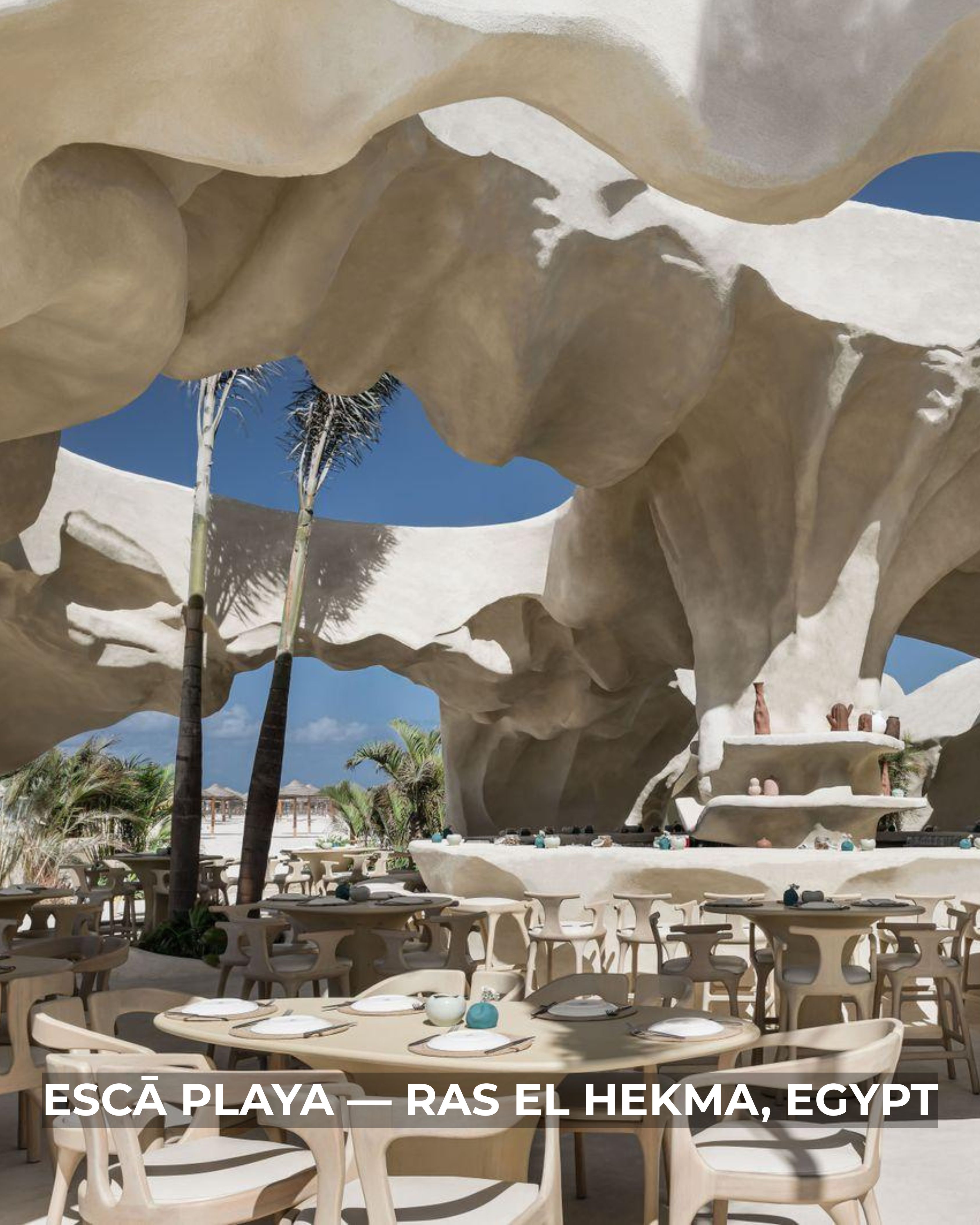
Designed by Cairo-based Badie Architects and completed in 2025, Escā Playa takes its architectural cues from seashells, rock formations and the erosion of the coastline. Its sculptural, undulating concrete forms create a sequence of cavernous dining spaces, open arches and sheltered terraces, with natural light filtering through carefully carved openings. Even the bathrooms make a statement, with deep-blue plaster interiors providing a dramatic contrast to the surrounding mineral tones. It feels less like a restaurant than a landscape carved into architecture.