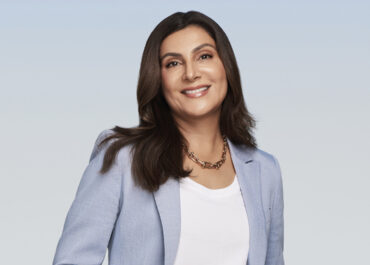

For nearly two decades, Nivine Mohamed Maktabi has built a world in which carpets, textiles and fashion serve as carriers of memory, identity and storytelling. As part of the renowned Maktabi family, whose name has been associated with the carpet industry for generations, textiles have long been embedded in her world. That legacy would eventually inspire the launch of Oumnia in 2006, the Beirut-based concept brand through which she reinterprets heritage craftsmanship through a contemporary lens.
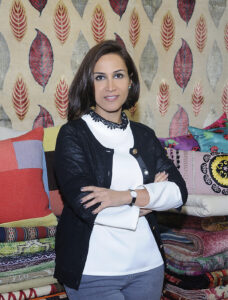
Raised between Beirut and London, with Persian and Lebanese roots, Maktabi later studied the history of carpets and textiles at Sotheby’s Institute in London before transforming her lifelong connection to textile culture into a multidisciplinary design platform spanning statement carpets, decorative textiles and intricately designed cashmere shawls. At the heart of Oumnia is the idea of preserving artisanal traditions while continuously evolving them for a modern audience.
Over the years, her work has become recognised for its layered use of colour, calligraphy and symbolism, often drawing from personal experiences, regional identity and the emotional resonance of objects within the home. Whether through vibrant silk scarves carrying hopeful messages or tribal inspired textiles woven with references to travel and heritage, her collections blur the lines between interiors, fashion and art.
Now celebrating Oumnia’s 20th anniversary, Maktabi reflects on the evolution of the brand, the growing appreciation for heritage-driven design across the Middle East and the role of craftsmanship in an increasingly digital world. In this conversation, she discusses resilience, creativity and why storytelling remains central to everything she creates.
You are celebrating Oumnia’s 20th anniversary this year. When you first launched the brand in 2006, what was the original vision behind it, and how has that evolved?
In 2006, my dream came to life when I opened Oumnia, a concept store in Beirut’s Saifi Village. My vision was to carry forward my late father’s legacy, while adding my own touch, a fresh approach built on my family’s traditional roots in the carpet industry.
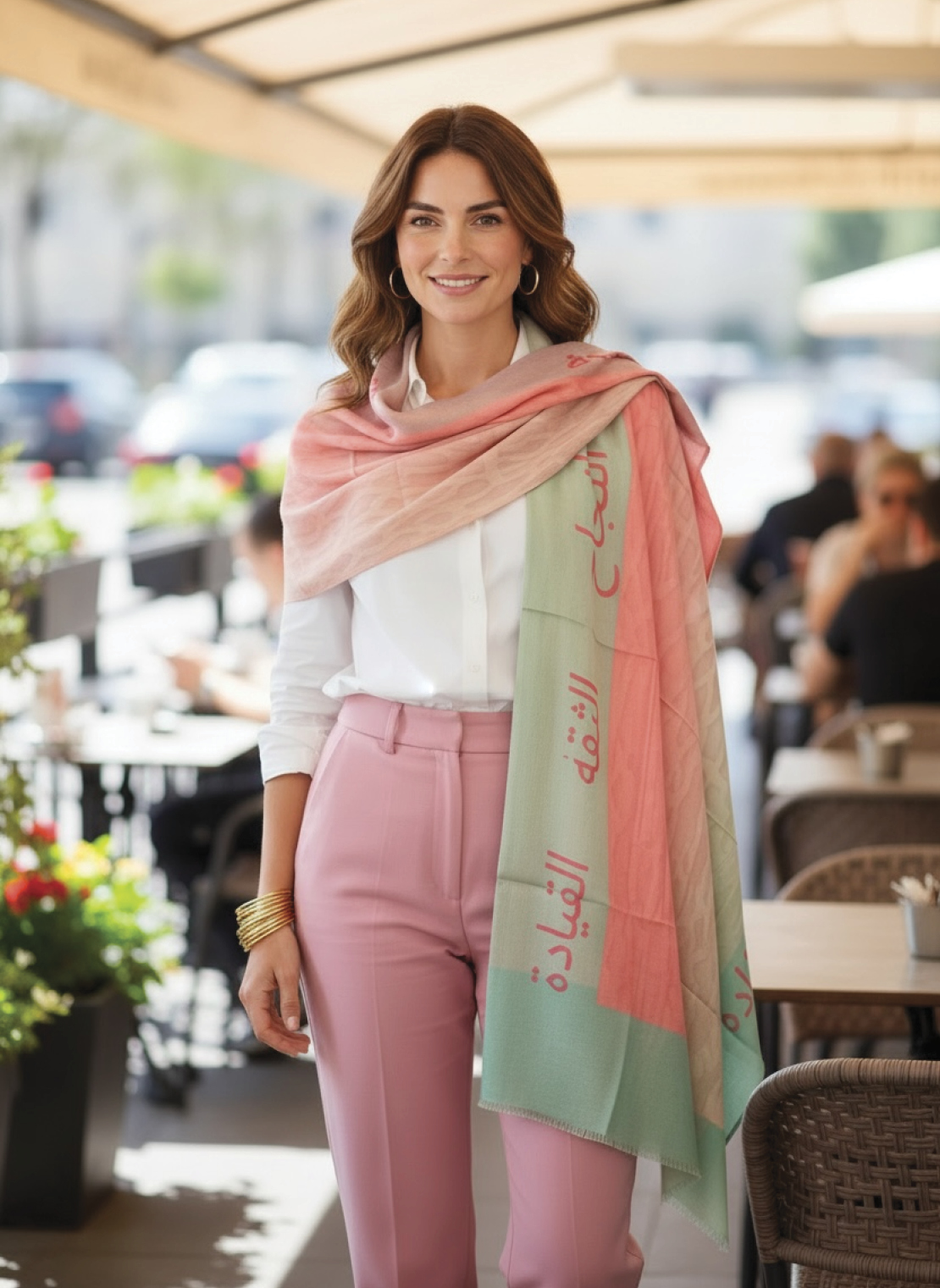
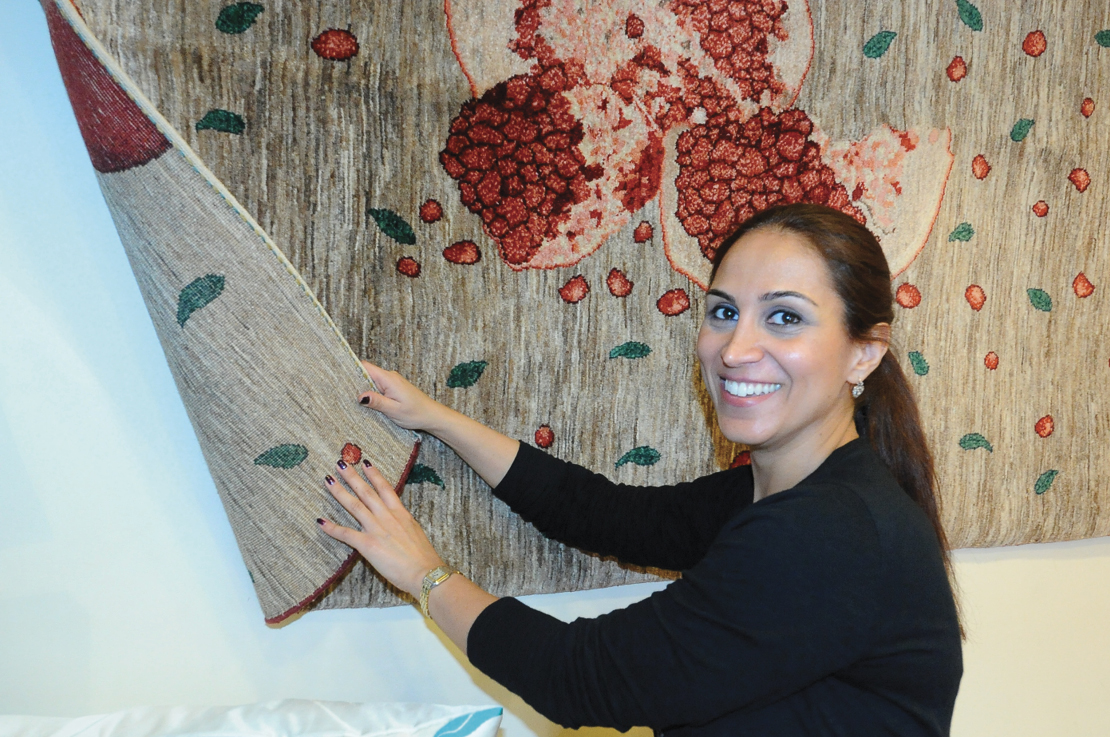
Gradually, I introduced new patterns – oriental with a modern twist, colourful multi-purpose decorative textiles, tribal kelims, patchwork wall hangings and statement pashmina shawls, all with a story or a message that evolved every season.
How did your heritage and different cultural influences shape your creative identity?
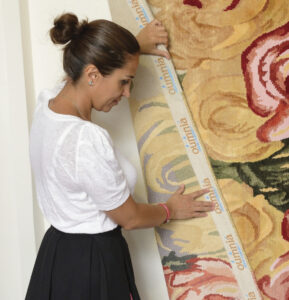
I call myself a mixed salad! I was born in Beirut and raised in London, but of Persian origin. Indeed, my family’s carpet business shaped my upbringing and childhood. Living in London was also a real turning point for me, an eye opener, it gave me a deep appreciation for the history of the Oriental carpet and its profound significance in our global culture, especially when I studied the history of carpets and textiles at Sotheby’s Institute. I always laugh and say that rugs are in my DNA.
What does it mean to you to represent the region through design today?
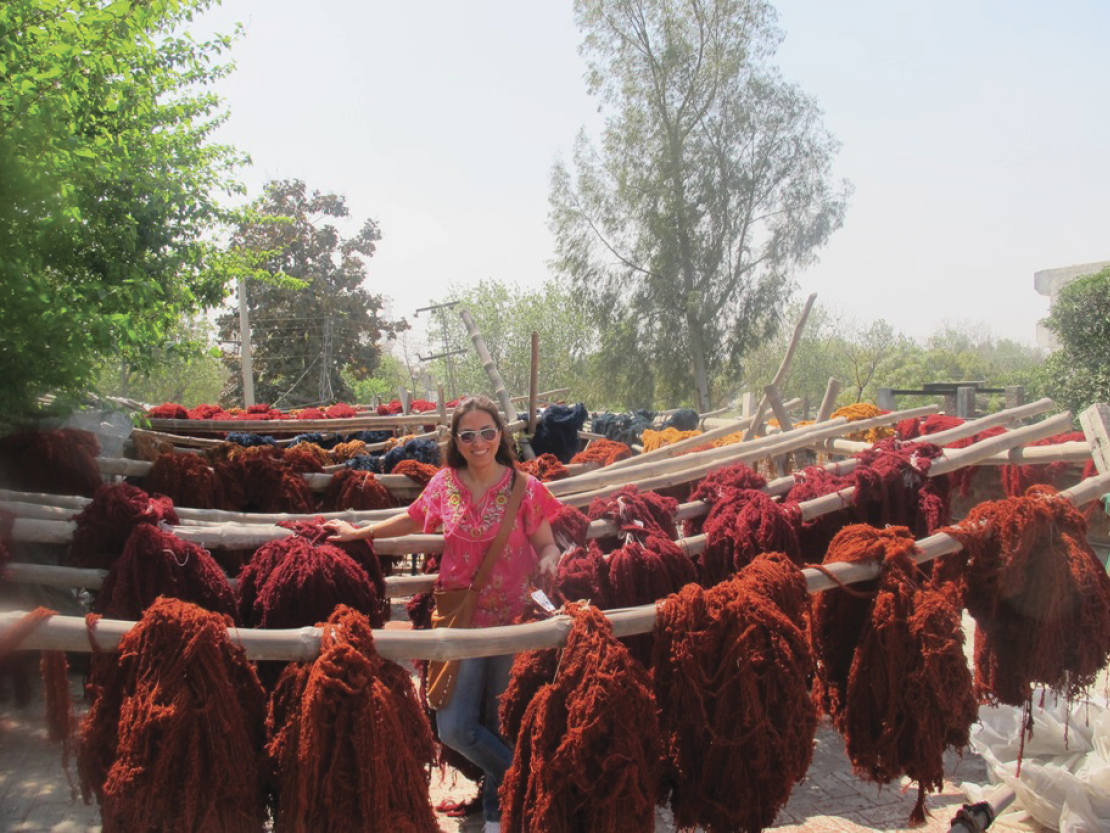
It’s important to have an identity and to build on it over the years, especially when speaking to an international audience that is curious and fascinated by our culture. My origins, my surroundings and every circumstance and challenge we face in Beirut and the region influence my designs. I realised that my customers or new clients feel connected to a particular design, a feeling, a word. Many relate to the message or the theme of a scarf, which makes each design even more special and unique. Although my designs draw from Oriental influences and frequently incorporate Arabic calligraphy, they remain fashion-forward, always aligned with the latest trends and styles.
Tell us about the latest collections and what customers can find today.
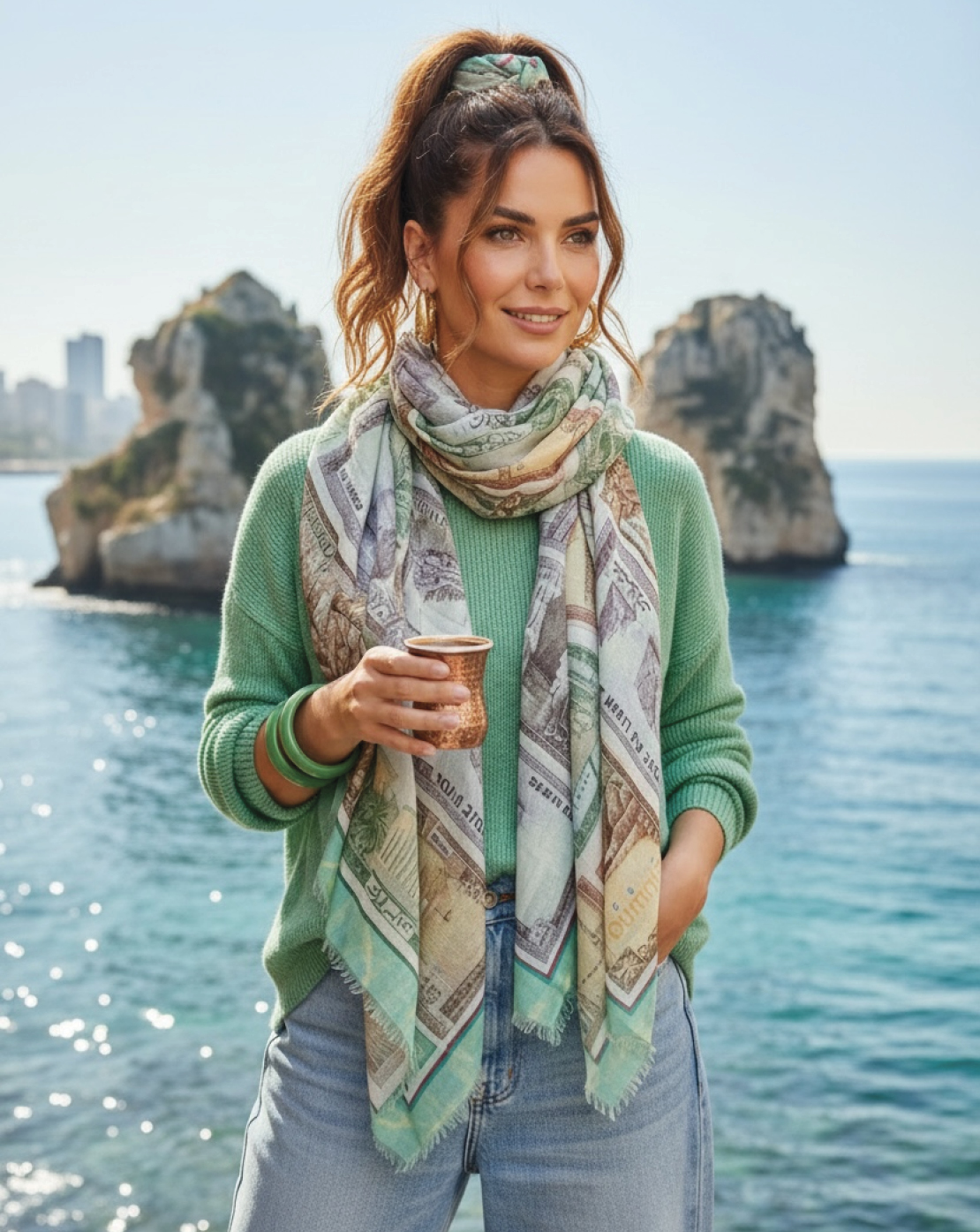
My current collection is inspired by the signature scarf, for instance, a versatile beach wrap that can be both a scarf and a cover-up. Considering the uncertain times the region is facing, many of my scarf themes reflect this period. For example, the “This Too Shall Pass” and “Have Hope” silk scarves carry hopeful messages, yet it maintains a bright, colourful patterns full of vibrant hues that bring a sense of positive energy. I also revisited the Lebanese Lira, which I introduced for the first time in 2016 – it can be nostalgic, a reminder of the good old days when everything had value, even our currency.
Travel seems to play a significant role in your creative process. How do your journeys across the Orient continue to inspire new collections and ideas?
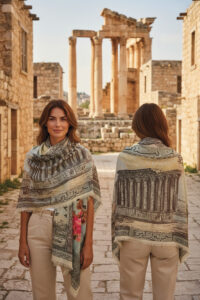
I love authentic places with heritage and culture, and I am fortunate to have visited many fascinating, culturally rich countries such as India, Turkey, Pakistan, Uzbekistan, Armenia, Syria, Morocco, and Azerbaijan… Many of these places share similarities yet remain unique. Common techniques I have found include the mosaic tile artwork, handmade carpet weaving, block printing and brasswork. The region celebrates authentic jewels, timeless embroidered brocade textiles, and Suzani and ikat handloomed textiles, all featuring an outstanding palette of gorgeous colours. I am constantly inspired by the creativity of local designers and traditional handicrafts. The artistry leaves a deep impression on me and, of course, inspires and shapes my work.
The Middle East has seen a growing appreciation for regional craftsmanship and homegrown brands in recent years. Have you noticed a shift in how audiences engage with heritage-driven design?
There has absolutely been a shift. In the Middle East, we’re seeing a resurgence of pride in regional craftsmanship (mother-of-pearl artefacts, mosaic artwork, handmade traditional carpets…), and audiences are much more drawn to brands that tell a story rooted in heritage and authenticity. People are seeking connection, not just with the product, but with the culture and the artisans behind it, and that’s really transforming how heritage design is valued. When looking at Western fashion brands, the Oriental influence is very present among brands today.
What were some of the biggest challenges you faced when building Oumnia as an independent brand, particularly within such a niche category?
As the saying goes, if it doesn’t kill you, it makes you stronger. Back in 1998, when I first started in the carpet industry, it was a male-dominated business. Very rarely would I encounter women in the Bazars or exhibitions when I was negotiating and placing carpet orders. It was challenging to talk business with ‘conservative’ carpet dealers. At the same time, I cannot deny that the name “Maktabi” was an added value and built immediate trust among other dealers in the industry. This is due to the good reputation my grandfather, my father and uncles have built over time, from generation to generation.
On another level, Lebanon is a beautiful yet very volatile country; unfortunately, stability doesn’t exist, and it is very difficult to plan. We have been through many heartbreaking and traumatising incidents. However, Lebanese people are the strongest nation one can ever know because we are the definition of resilience; our love for life only pushes us to keep going forward. We have amazing genes that make us forget yesterday and immediately stand up and think about the next day. My wish and hope are for global peace and stability for us and the new generation to come, because life is beautiful, and Lebanon is even more beautiful.
As someone working across both interiors and fashion, do you find that clients today are looking for more emotional and personal connections to the objects they buy?
Definitely! That’s the main reason to make a house your home: so that it reflects you as the owner. Connecting with a carpet you will live with is very important; it can be emotional and hold sentimental value. Many relate to a meaningful design and decide to purchase the item because it speaks to them. This is important in today’s harsh world, where technology and AI are becoming increasingly dominant and slowly replacing the human touch.
Your work is filled with colour, texture and optimism. What draws you so strongly to bold palettes and layered visual storytelling?
I love colours and particularly daring, happy hues. Even in the way I dress, colourful outfits are essential in my wardrobe, as I believe colours bring a smile to the wearer and reflect positive energy. I can’t create without adding a mix of tones, and I very rarely use black, even though it’s the most popular colour in a woman’s closet.
Looking ahead, what excites you most about the future of Oumnia? Are there any new projects, collaborations or creative directions you’re currently exploring?
I always look forward to the exhibitions and pop-ups I take part in, especially in the Gulf region and Europe, particularly London and Monaco. I love seeing my regular customers and am delighted to see that they always find something new in the new collection. At the same time, it is a pleasure to meet new clients, introduce them to Oumnia, and explain each design and its meaning.
I am also looking forward to a new collaboration with a Lebanese artist and to seeing his artworks become wearable art, each again telling a story with a Lebanese identity. This is not the first time I have collaborated with a Lebanese artist, and because of the positive feedback, I can’t wait for the new project.
What’s the professional motto you live by?
I don’t like to say “what if”, and I don’t like to give up. I like to be present in my shop or during any exhibition I take part in, and know that customers appreciate it when they see or meet the person behind the brand and feel the passion. Education and dedication are the heart of what I do.
Finally, what advice would you give to young Middle Eastern entrepreneurs and creatives looking to build their own brand?
I am very impressed and proud of the young Arab creators who are super talented and full of innovative ideas. I believe we have amazing talent in our region across all fields, and it’s wonderful to see that our heritage and culture will remain present in their work and motivate the younger generation with a passion for art and culture. Thanks to social media and AI, their work is more visible to the world.
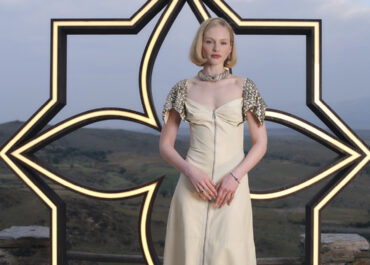
Last but certainly not least, I see my talented niece Talia as a rising star in the world of fashion design. Her dedication, unique artistry, and passion for her craft fill me with pride, and I can’t wait to see how she shapes the future of her designs.
By Lindsay Judge