
For Rizwan Kassim, hospitality extends far beyond food. It is about crafting atmosphere, evoking emotion and creating destinations that stay with you long after you leave. Now, as CEO of Paris Society, following its merger with RIKAS Hospitality Group, he is taking that vision onto a global stage.
Over the past 15 years, Kassim has played a defining role in shaping the UAE’s dining landscape, introducing a new standard of experience-led concepts that blend design, culture and culinary precision.
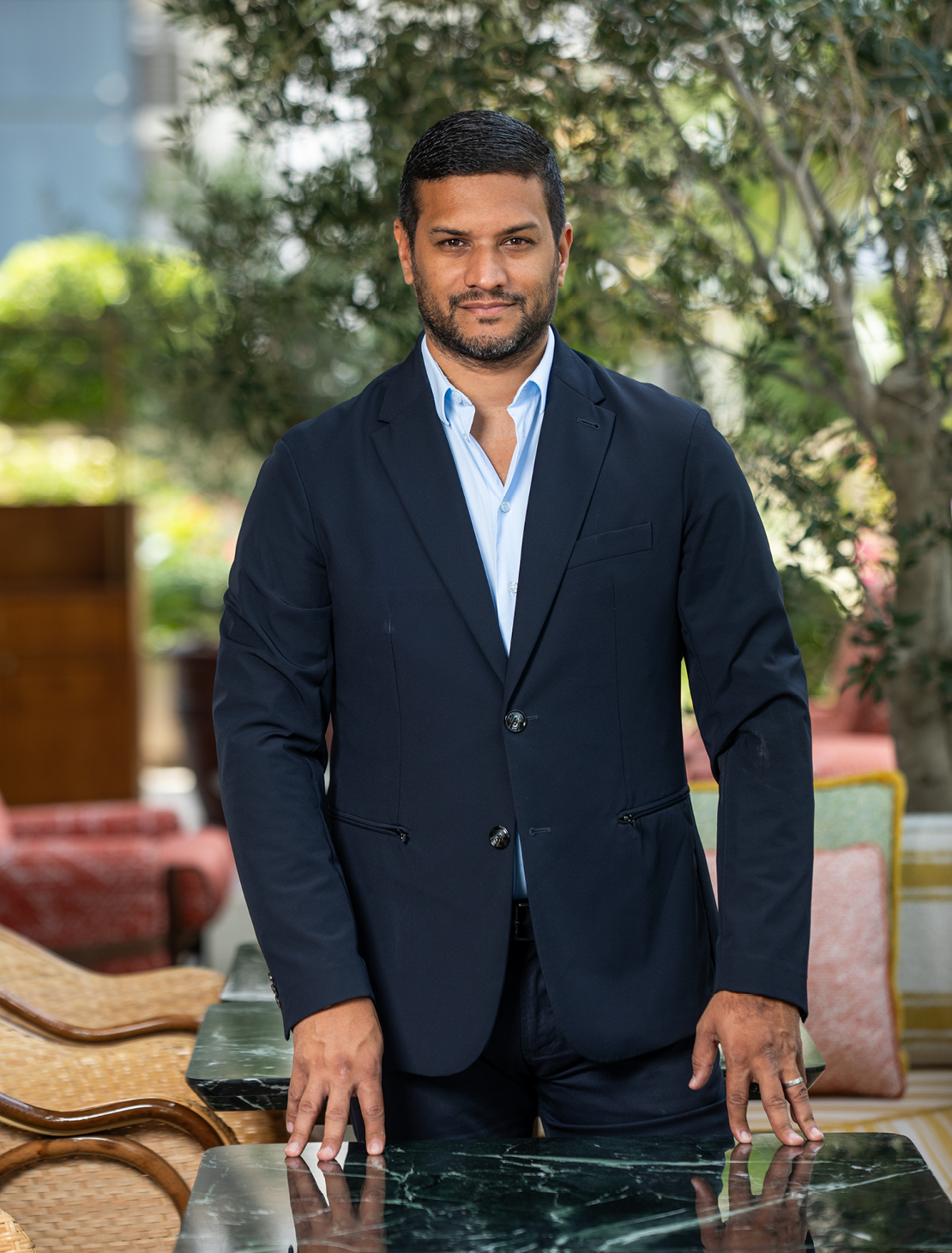
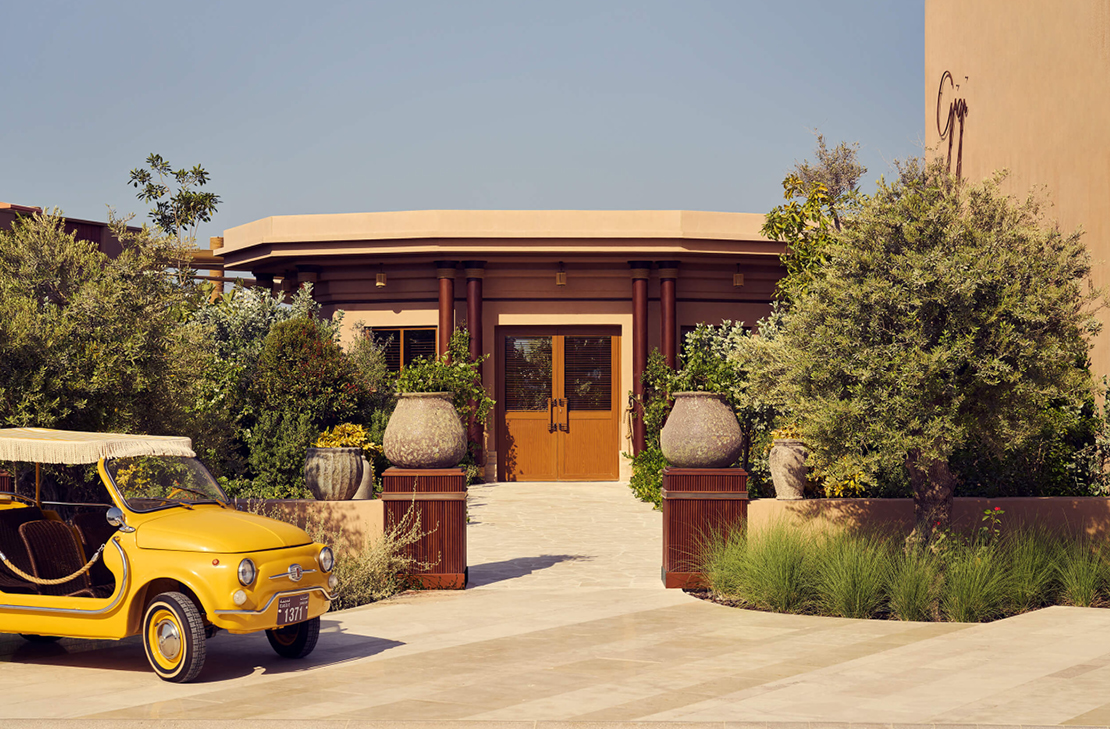
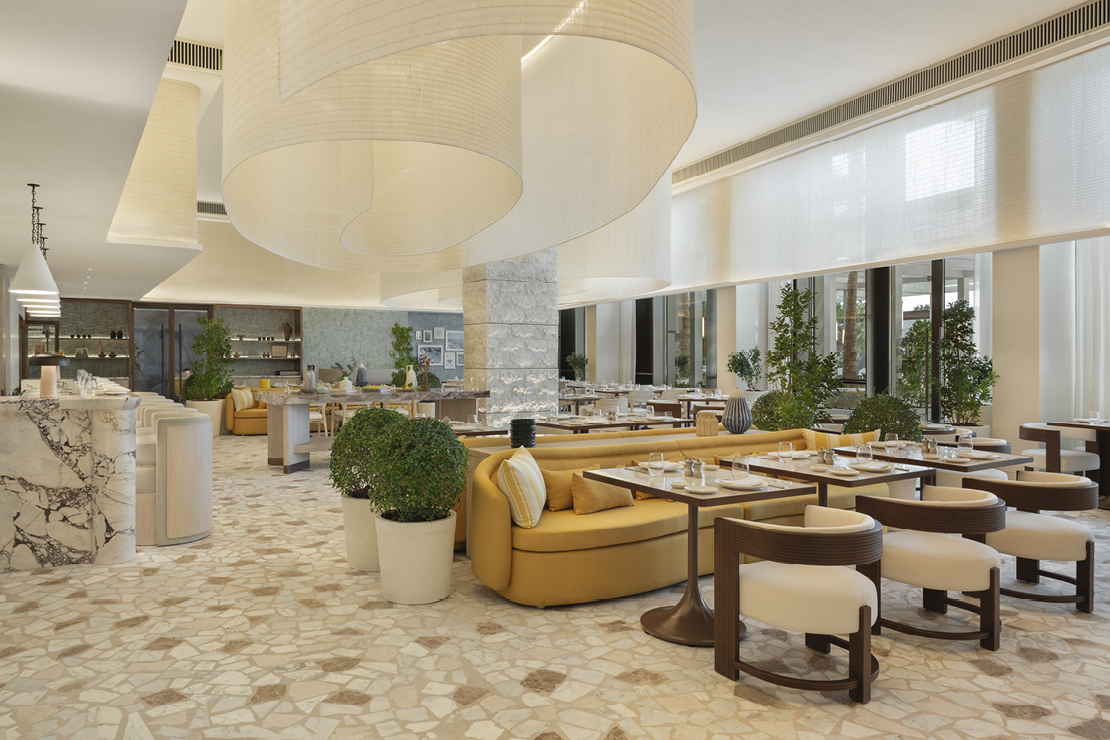
With a portfolio of more than 25 restaurants and beach clubs across the UAE, including Mimi Kakushi, Gigi Rigolatto and La Cantine du Faubourg, Kassim has built a reputation for transforming venues into immersive environments where every detail is carefully considered. His approach moves beyond traditional restaurant models, focusing instead on creating spaces that feel curated, layered and culturally relevant, while maintaining strong commercial performance.
In recent years, that vision has expanded significantly. Through strategic partnerships and the integration of Paris Society within the Ennismore platform, Kassim is now shaping a global hospitality model that combines creative direction with operational scale. From London to Miami and the Greek islands, the next phase of growth reflects a shift from building individual concepts to developing an interconnected international portfolio.
Yet, at the core of his work remains the consistent philosophy that hospitality should create a feeling. Whether through design, music, service or setting, each concept is built around a clear narrative, one that evolves with its location while retaining a distinct identity. As the Middle East continues to establish itself as a global hub for experience-led dining, Kassim’s perspective offers insight into how the industry is maturing and where it is heading next.
Here, he reflects on building brands with longevity, scaling creativity across markets, and redefining what modern hospitality can look like on a global stage.
You founded RIKAS Hospitality Group and helped shape Dubai’s dining landscape. What drew you to take on the role of CEO of Paris Society at this moment in your career?
It felt like the right moment to move from building successful venues to building a global platform. With RIKAS, we focused on creating concepts that went beyond dining, places defined by design, atmosphere and cultural relevance. That approach helped shape the market in Dubai.
Paris Society operates with that same philosophy, but at a much broader scale, with a portfolio of brands and destinations already established internationally. Bringing RIKAS into that platform allows us to build on that foundation and evolve it within a more structured, global framework.
Within Ennismore, it gives us the opportunity to combine creative direction with operational depth and scale those ideas in a disciplined, sustainable way.
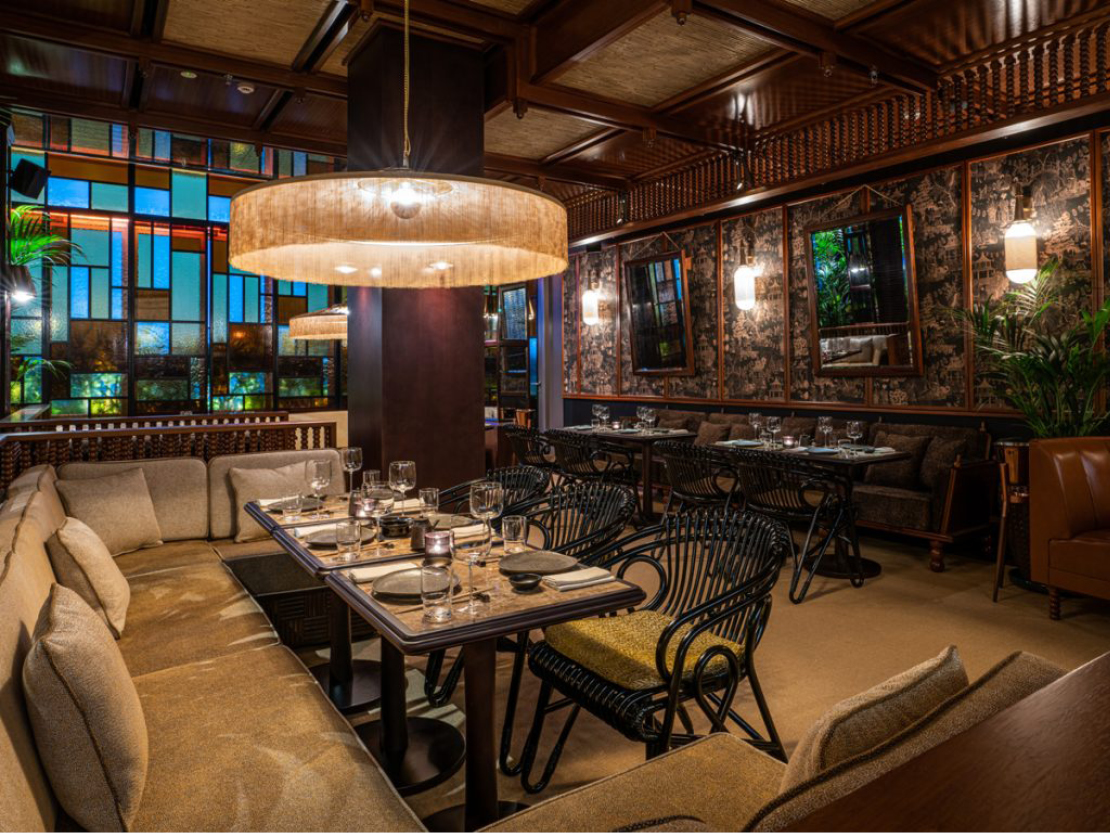
Paris Society was built around emotion, design and experience. How do you see this philosophy evolving as the brand expands internationally?
Emotion remains at the centre of everything we do. If a place does not create a feeling, it becomes forgettable.
Paris Society has always created what we consider emotionally charged destinations, where gastronomy, design, music and energy come together to form a complete experience. As we expand, the focus is on translating that into each market in a way that feels natural.
We approach every project as a tailor-made destination, rooted in its environment but guided by a clear identity. It is not about replicating a concept; it is about expressing a point of view in different cultural contexts.
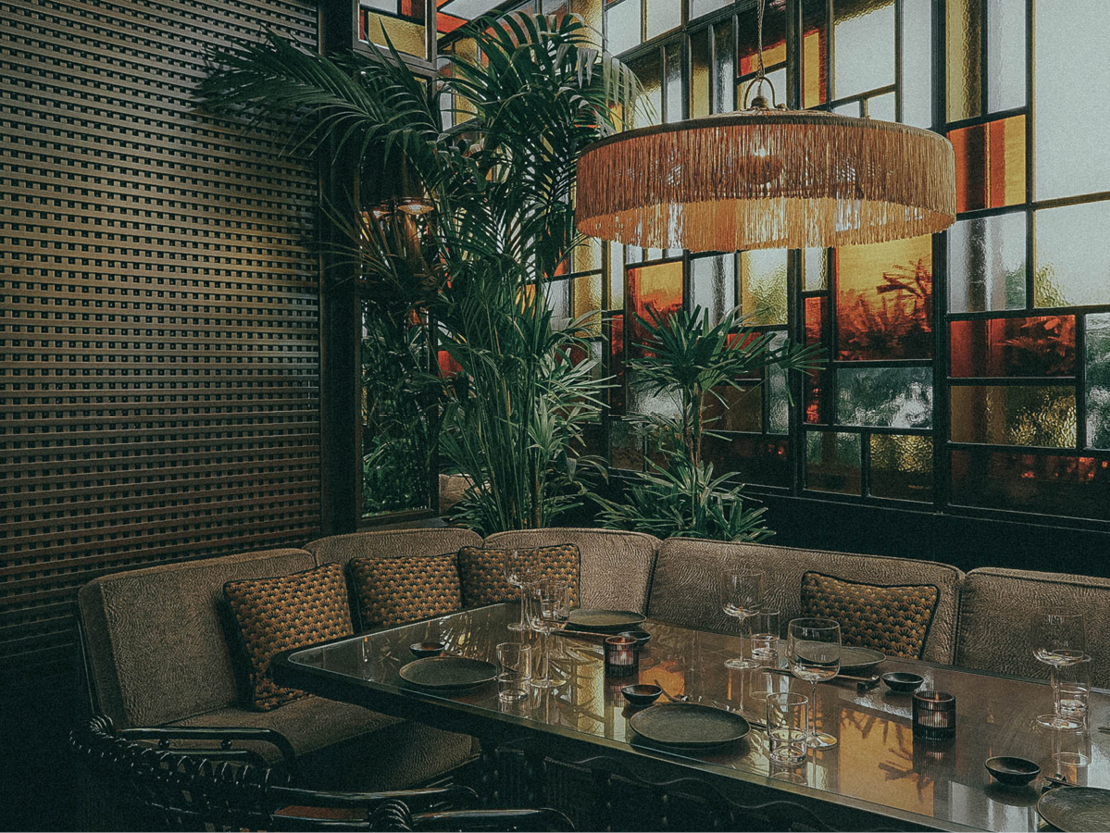
Bringing together Paris Society and RIKAS within Ennismore creates a powerful hospitality platform. What opportunities does this collaboration unlock for the Middle East and wider global markets?
It creates a fully integrated model across the hospitality ecosystem. We are able to conceive, design, operate and scale concepts within one structure, supported by strong creative and operational capabilities. Paris Society brings a portfolio of brands and a defined art of hospitality. RIKAS brings experience in delivering high-performing, culturally relevant concepts in the Middle East. Ennismore provides the global infrastructure and reach. That combination allows us to grow across markets while maintaining consistency in quality and experience, which is critical for long-term value.
As you scale globally, how do you ensure each concept retains its individuality and sense of place rather than becoming standardised?
It comes down to having a very clear identity from the beginning. Every concept is built around a narrative, a design language and a specific energy. From there, it is about interpretation. We do not approach projects as rollouts. Each location is developed in response to its architecture, culture, and audience. The consistency is in the philosophy and the level of detail. The individuality comes from how that philosophy is expressed in each place.
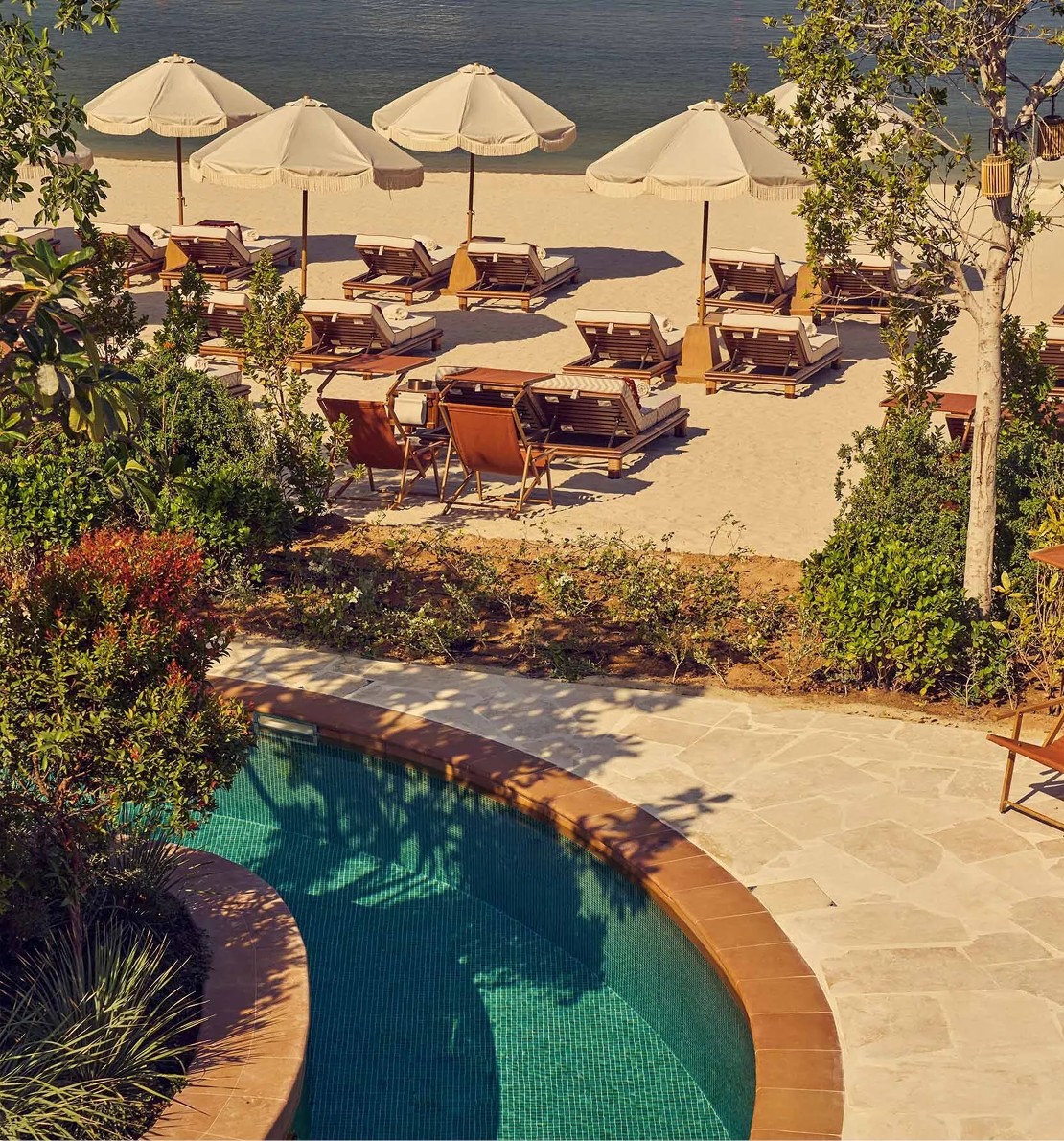
Many hospitality concepts launch with strong momentum but struggle to maintain longevity. What, in your view, makes a concept stand the test of time in this region?
Longevity is not about opening strong; it is about staying relevant. The region evolves quickly, and guests are highly aware. Concepts need to be built with a strong identity, but also with the ability to evolve over time. The ones that last are the ones that create a genuine emotional connection and continue to refine the experience without losing what made them successful in the first place.
The Middle East hospitality scene has grown rapidly over the past decade. How would you describe the region’s evolution from when you first started to today?
It has become one of the most sophisticated markets globally. When we started, there was a heavy reliance on importing concepts. Today, the region is creating its own voice and setting its own standards. Dubai, in particular, has become a reference point for experience-led hospitality. That level of competition pushes everyone to be more precise, from design to operations to storytelling.
Saudi Arabia is emerging as a major hospitality market. How do you see its influence shaping the wider regional dining landscape?
Saudi Arabia represents one of the most important growth markets globally, not just in scale but in opportunity. It allows us to develop concepts with a strong cultural foundation from the outset. That will have a wider impact on the region, encouraging a more thoughtful approach to localisation and authenticity.
The region has experienced periods of uncertainty recently. How have you seen the hospitality industry respond and adapt?
It has created more discipline across the industry. There is a stronger focus on clarity of concept, operational efficiency and consistency of delivery. Growth is becoming more intentional, with greater emphasis on creating real value through experience.
How do you see the hospitality industry bouncing back and evolving across the Middle East in the coming months?
Growth will continue, but it will be more considered. There is a clear shift towards destinations that offer a complete experience. Guests are looking for places that combine food, design, music, and atmosphere in a cohesive way.
What trends do you believe will shape the next generation of hospitality concepts in the region?
We are moving towards more immersive, multi-dimensional concepts. Hospitality is becoming more connected to culture, whether through art, music or community. At the same time, there is a growing focus on building ecosystems around concepts, including membership, repeat engagement and long-term guest relationships.
As hospitality becomes more experience-led, how important is storytelling when developing a new concept?
Storytelling is what gives a concept its direction. It informs every decision, from the architecture and interiors to the menu and service style. Without a clear narrative, it is difficult to create something that resonates over time. People return to places that make them feel something, and that always comes back to the story.
Looking ahead, what is your long-term vision for Paris Society and its presence in the Middle East?
To build on the foundation established by RIKAS and position Paris Society as a leading lifestyle hospitality platform in the region. The ambition is to create a portfolio of destinations that reflect a refined art of living, combining thoughtful cuisine, design, experience and cultural relevance, while maintaining consistency in quality across markets.
What is in the pipeline for you this year, and looking to the future?
We are entering a strong phase of international expansion, building on the momentum of recent openings, most notably Siena Restaurant in Dubai International Financial Centre, which has quickly established itself as one of the city’s standout new destinations. This reflects the continued evolution of our brands within Paris Society (formerly RIKAS Group), and the growing international recognition of concepts such as Mimi Kakushi and Gigi Rigolatto, both expanding into the U.S. as part of the Delano Miami Beach relaunch, marking a key milestone for the group.
Looking ahead, the pipeline includes strategic openings across Bodrum and Saint Tropez this year, alongside continued growth in the GCC and key international cities such as Abu Dhabi, Rome and New York. Each project is carefully tailored to its location while remaining part of a connected global portfolio of destination-led brands.
Is there one dream concept you would love to bring to the region?
There isn’t a single fixed “dream concept” in isolation, because what’s most exciting is the ability to continuously redefine hospitality itself in this region. The idea is a destination where hospitality, culture, and art are fully intertwined in a seamless way, an evolving space that doesn’t remain static but grows with its city and becomes part of its identity over time. A place people return to not just for one experience, but for the sense of connection it creates.
In many ways, this feels less like a future ambition and more like something already in motion. With the regional and international expansion underway, we are living that vision day to day. I feel incredibly grateful for the teams who have built this with such consistency and ambition, and for the communities that continue to support and embrace what we are creating. That combination is what allows us to keep pushing boundaries and shaping what modern hospitality can be.
By Lindsay Judge